

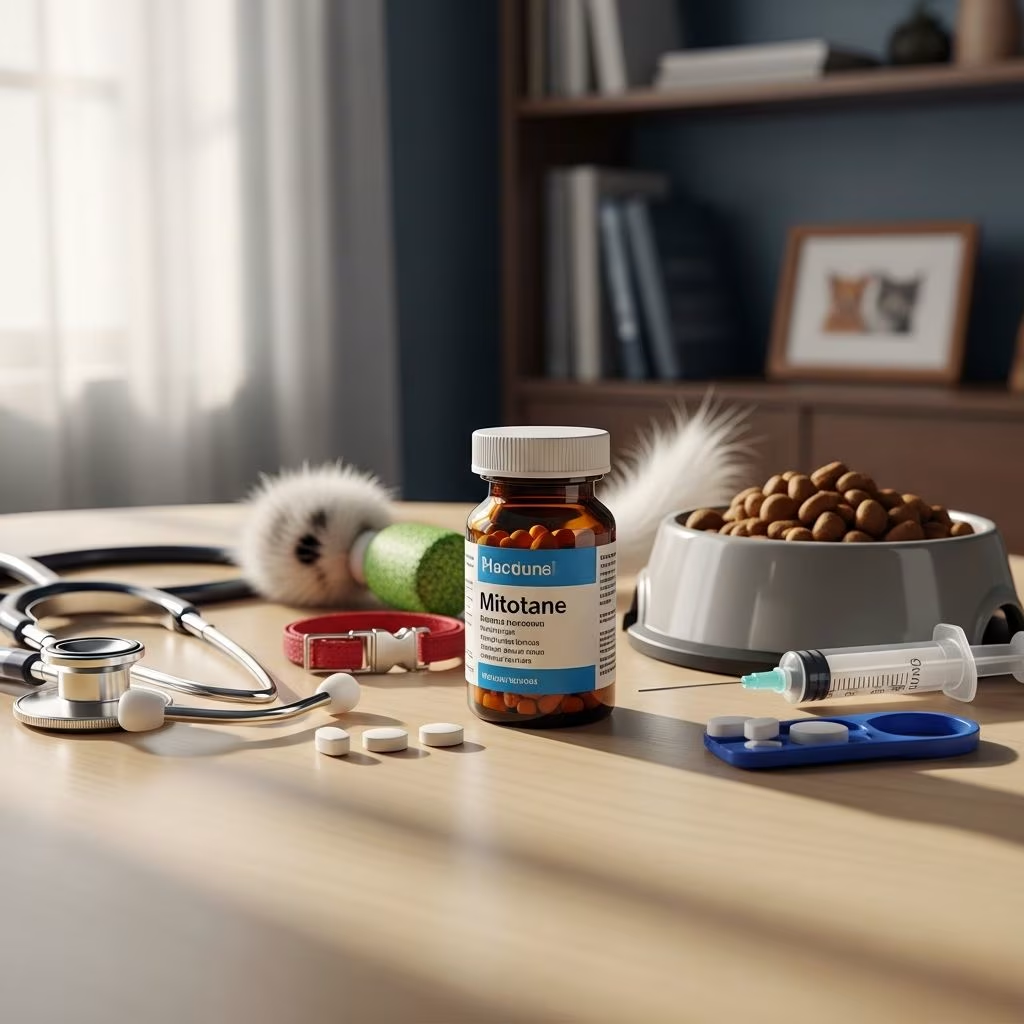
Mitotane (Lysodren) for Pets
Mitotane, commonly known by its brand name Lysodren, is a prescription medication used to treat Cushing’s syndrome in dogs and ferrets. This adrenocortical medication works by controlling the production of cortisol, a hormone that becomes overproduced in pets with Cushing’s disease. While mitotane does not cure Cushing’s syndrome, it can effectively manage the disease and significantly improve the quality of life for affected pets.
What is Mitotane?
Mitotane is a cytotoxic adrenocortical agent derived from the insecticide DDT (dichloro-diphenyl-trichloro-ethane). The medication functions as an adrenolytic drug, meaning it destroys cells within the adrenal glands to reduce cortisol production. Understanding how this medication works is essential for pet owners considering this treatment option for their animals.
Chemical Classification
Mitotane belongs to a class of medications known as steroidogenesis inhibitors and cytostatic antineoplastic agents. It is classified as an orphan drug, meaning it is designated for treating relatively rare conditions that affect a small patient population. Despite its origin as an insecticide byproduct, mitotane has proven to be a valuable therapeutic tool in veterinary and human medicine.
How Mitotane Works
In pets with Cushing’s syndrome, an abnormal pituitary gland tumor stimulates the adrenal glands to overproduce cortisol, resulting in harmful effects throughout the body. Mitotane addresses this problem through a unique mechanism of action that distinguishes it from other adrenal medications.
Mechanism of Action
Mitotane is a cytotoxic agent that slowly destroys the cells in the adrenal glands by blocking certain proteins that are critical for cellular survival. The medication causes severe, progressive cellular necrosis of the zona fasciculata and zona reticularis of the adrenal cortex. To a much lesser degree, it may also affect the zona glomerulosa. Additionally, mitotane may inhibit adrenocortical function without causing immediate cell death, although the exact mechanism for this secondary effect is not fully understood.
The drug is stored in body fat, metabolized by the liver, and excreted through both bile and urine. This distribution and metabolism pattern is important for understanding how the medication accumulates in the system and why monitoring is essential during treatment.
Medical Conditions Treated with Mitotane
Mitotane is primarily used to manage several endocrine and neoplastic conditions in pets. Understanding which conditions benefit from mitotane therapy helps pet owners and veterinarians determine appropriate treatment options.
Pituitary-Dependent Hyperadrenocorticism (PDH)
Cushing’s disease is one of the most common endocrine disorders in dogs, with 80-85% of cases being pituitary-dependent hyperadrenocorticism (PDH). In PDH, a benign pituitary microadenoma produces excessive adrenocorticotropic hormone (ACTH), which stimulates the adrenal glands to produce abnormally high levels of cortisol. Mitotane is a commonly used treatment for PDH in dogs, and approximately 80% of dogs with PDH will respond favorably to treatment.
Primary Adrenal Tumors
Mitotane may be indicated for non-pituitary-dependent conditions causing primary adrenal hyperfunction, such as nodular adrenal hyperplasia and functional adrenal neoplasia. The medication can serve as adjunctive therapy to alleviate clinical signs prior to definitive therapy, such as surgical adrenalectomy, or as a palliative measure for dogs with inoperable tumors or metastasis.
Adrenocortical Carcinoma
In human medicine, mitotane is the only approved single agent for treating adrenocortical carcinoma (ACC). Research has demonstrated that mitotane plasma levels above 14 mg/L are associated with objective response rates of 55-66%, while lower levels predict reduced efficacy. The therapeutic window is typically maintained between 14-20 mg/L to balance efficacy with toxicity concerns.
Dosage and Administration Protocols
Mitotane dosing requires careful calculation and monitoring to achieve optimal therapeutic effects while minimizing adverse reactions. Veterinarians typically employ two different basic protocols when administering mitotane to dogs with PDH.
Traditional Induction Protocol
The traditional and more commonly used protocol consists of an induction period of approximately 7 to 10 days, followed by weekly maintenance treatments. During the induction phase, the medication is given daily to rapidly achieve therapeutic cortisol reduction. Once the initial phase is complete, veterinarians adjust the frequency to weekly dosing to maintain appropriate cortisol levels.
Medical Adrenalectomy Protocol
The second protocol employs medical adrenalectomy, using mitotane to completely destroy the adrenal cortex. This approach requires a commitment to lifetime glucocorticoid and mineralocorticoid supplementation, as the destroyed adrenal tissue can no longer produce any hormones. While this protocol offers more complete cortisol control, the need for permanent supplementation represents a significant long-term commitment.
Loading Regimens for Adrenocortical Carcinoma
For patients with adrenocortical carcinoma, non-selective mitotane protocols may consist of 50-75 mg/kg mitotane per day for 5 days during a loading period, followed by every other day administration.
Therapeutic Monitoring and Drug Levels
Successful mitotane therapy requires regular monitoring to ensure that therapeutic levels are maintained within the appropriate range. Regular blood tests help veterinarians adjust dosing to maximize efficacy while minimizing toxicity.
The major goal during mitotane therapy is to maintain plasma levels above 14 mg/L and below 20 mg/L, which is considered the upper limit of the therapeutic window to avoid toxicities. There is clear evidence of a correlation between mitotane plasma levels and therapeutic efficacy. Plasma mitotane concentrations of 14 mg/L or greater are associated with prolonged recurrence-free survival in patients following surgery.
Side Effects and Adverse Reactions
Like all medications, mitotane can produce side effects. Understanding potential adverse reactions helps pet owners recognize when adjustments to therapy may be necessary.
Common Gastrointestinal Effects
Gastrointestinal upset is among the most frequently reported side effects of mitotane therapy. Affected pets may experience nausea, vomiting, diarrhea, or loss of appetite. These effects are typically dose-related and may improve as the body adjusts to the medication or as dosing is modified.
Adrenal Insufficiency
Because mitotane destroys adrenal tissue, excessive dosing can lead to adrenal insufficiency, a condition where the adrenal glands cannot produce adequate cortisol. In dogs, mitotane administration can destroy the zona glomerulosa in approximately 6-10% of cases or decrease the aldosterone secretory reserve. Signs of adrenal insufficiency may include weakness, lethargy, anorexia, or collapse in severe cases.
Neurological Complications
Some pets may experience neurological side effects, including depression, ataxia (loss of coordination), or other central nervous system signs. In some cases, one might consider expanding pituitary microadenoma as a differential diagnosis in animals that persist with CNS signs after discontinuing mitotane.
Hepatotoxicity
Since mitotane is metabolized by the liver, hepatic (liver) toxicity is a potential concern. Regular liver function monitoring through blood tests helps identify any hepatic complications early in treatment.
Safety Precautions and Handling
Pet owners must understand proper handling procedures to minimize exposure risks. Clients should be instructed to wash their hands and/or to wear gloves when handling mitotane due to toxicity concerns. This precaution protects family members from unnecessary exposure to the medication.
Advantages and Disadvantages of Mitotane Therapy
Advantages
In the majority of cases, mitotane produces excellent control of clinical signs associated with canine PDH. While mitotane is a highly efficacious adrenocorticolytic medication, treatment success is facilitated by extensive clinical experience. Detailed guidelines for troubleshooting therapy are available, and many veterinarians feel comfortable making adjustments to therapy if the initial therapeutic response is sluggish or less than optimal.
Disadvantages
Adrenolytic therapy is not definitive therapy for PDH. Furthermore, although mitotane has no direct effect on abnormal ACTH-producing pituitary cells, stimulation of tumor growth following reduction in circulating cortisol level and interruption of cortisol feedback is an undesirable indirect effect that occurs in approximately 20% of treated dogs. This complication may necessitate alternative treatment approaches, such as pituitary radiation therapy or hypophysectomy (surgical removal of the pituitary gland).
Definitive Treatment Alternatives
While mitotane provides effective symptom management, it is not considered definitive treatment for PDH. Definitive treatment requires hypophysectomy or radiation therapy. However, many pet owners choose pharmacologic therapy because these definitive procedures are invasive, require specialized expertise, and may carry significant surgical or radiation-related risks.
Drug Interactions and Monitoring Requirements
Before beginning mitotane therapy, it is crucial to inform your veterinarian about any medications, vitamins, supplements, or herbal therapies that your pet is receiving. Some medications and supplements may interact with mitotane, potentially affecting its efficacy or increasing the risk of adverse effects.
Regular veterinary monitoring is essential during mitotane treatment. This includes periodic blood tests to assess:
- Mitotane plasma levels
- Cortisol levels
- Electrolyte balance (particularly sodium and potassium)
- Liver function
- General health status
Mitotane in Different Species
Mitotane sensitivity varies significantly between species. Dogs are a particularly sensitive species to mitotane, which is why they respond well to the medication at relatively modest doses. In contrast, rats, mice, rabbits, and monkeys are relatively unresponsive to mitotane. In humans, high mitotane doses cause adrenal atrophy and require careful monitoring to maintain therapeutic plasma levels within the appropriate range.
Frequently Asked Questions About Mitotane
Q: Does mitotane cure Cushing’s disease?
A: No, mitotane does not cure Cushing’s disease. It manages the condition by controlling cortisol production and improving clinical signs. The underlying pituitary tumor or adrenal abnormality remains present, and medication must be continued to maintain symptom control.
Q: How long does it take for mitotane to work?
A: The timeframe for therapeutic response varies among individual pets. During the traditional induction protocol, many pets begin showing improvement within 7-10 days, though full therapeutic effect may take several weeks to achieve as plasma levels reach the therapeutic range.
Q: What if my pet doesn’t respond to mitotane?
A: If your pet does not respond adequately to mitotane, your veterinarian may consider alternative treatments such as trilostane, pituitary radiation therapy, or hypophysectomy. Some cases may require combination therapy or dose adjustments.
Q: Can mitotane be used in cats?
A: Mitotane is primarily used in dogs and ferrets. While it may occasionally be used off-label in cats, trilostane is generally preferred for feline Cushing’s syndrome due to a more favorable safety profile in this species.
Q: How often will my pet need blood tests during mitotane therapy?
A: Blood tests are typically performed frequently during the initial induction phase, then regularly throughout treatment to monitor mitotane levels, cortisol levels, and general health markers. Your veterinarian will establish a monitoring schedule based on your individual pet’s response to treatment.
Q: What should I do if my pet misses a dose?
A: If your pet misses a dose, give the medication as soon as you remember unless it is almost time for the next dose. Never double the dose. Contact your veterinarian if you have questions about missed doses.
Q: Is mitotane safe for long-term use?
A: With appropriate monitoring and dose adjustments, mitotane can be used long-term in pets with Cushing’s disease. Regular veterinary monitoring helps identify and manage any potential complications, ensuring the best possible outcomes for your pet.
Conclusion
Mitotane is an important therapeutic option for managing Cushing’s disease and other adrenal disorders in pets. While not a cure, this medication effectively controls excessive cortisol production and significantly improves quality of life for affected animals. Success with mitotane therapy depends on careful dosing, regular monitoring, and close communication between pet owners and their veterinary team. If your pet has been diagnosed with Cushing’s disease or an adrenal disorder, discuss with your veterinarian whether mitotane therapy might be appropriate for your individual animal’s situation.
References
- Role of Mitotane in Adrenocortical Carcinoma — PubMed Central, National Institutes of Health. 2018. https://pmc.ncbi.nlm.nih.gov/articles/PMC6182924/
- Mitotane (Lysodren®) for Dogs — PetMD. https://www.petmd.com/pet-medication/mitotane-lysodren-dogs
- Mitotane for Dogs — Wedgewood Pharmacy. https://www.wedgewood.com/medications/mitotane/
- Mitotane & Trilostane: Treatment for Canine PDH — Clinician’s Brief. https://www.cliniciansbrief.com/article/mitotane-trilostane
- Mitotane — U.S. Food and Drug Administration. https://www.fda.gov/consumers/consumer-updates/treating-cushings-disease-dogs
- Mitotane Treatment for Recurrent Adrenocortical Carcinoma — British Veterinary Journal. https://bvajournals.onlinelibrary.wiley.com/doi/10.1002/vrc2.739



