Mites and Lice in Guinea Pigs: Causes, Symptoms, and Treatment
Complete guide to identifying, treating, and preventing mites and lice in guinea pigs.
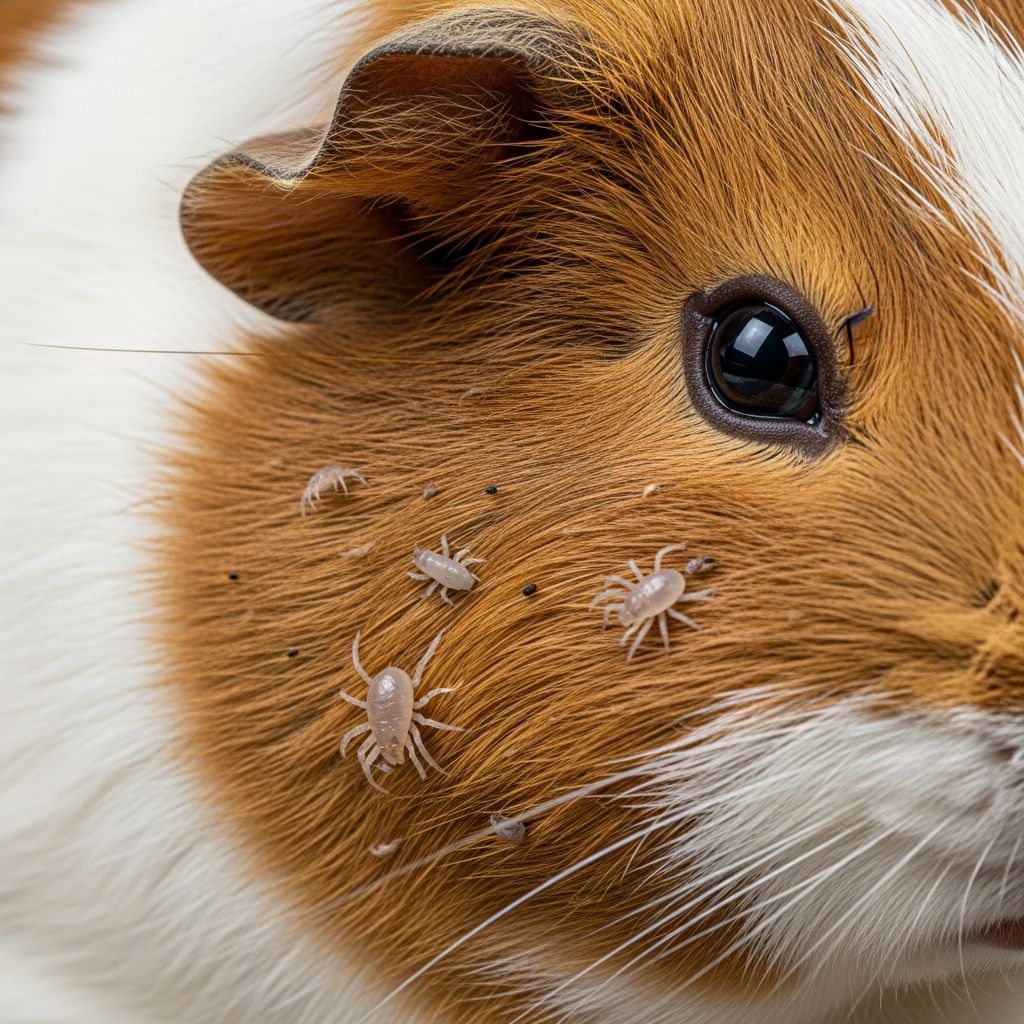
Understanding Mites and Lice in Guinea Pigs
Guinea pigs are popular small pets known for their gentle and social nature, but like all animals, they can suffer from various health conditions. Among the most common issues guinea pig owners face are infestations with mites and lice. These tiny parasites can cause significant discomfort and serious health complications if left untreated. Understanding what these parasites are, how to identify them, and how to treat them is essential for maintaining your guinea pig’s health and well-being.
Mites and lice are external parasites that affect the skin and fur of guinea pigs. While they may seem like minor nuisances, they can actually cause severe pain, hair loss, skin infections, and in extreme cases, even life-threatening complications. This comprehensive guide will help you understand these parasites and learn how to protect your beloved pet.
Types of Mites That Affect Guinea Pigs
There are several types of mites that can infest guinea pigs, each with different characteristics and levels of severity. Understanding the different types can help you and your veterinarian identify the specific problem affecting your pet.
Sarcoptic Mange Mites (Trixacarus caviae)
Sarcoptic mange mites, scientifically known as Trixacarus caviae, are among the most problematic parasites affecting guinea pigs. These mites burrow directly into the skin of your guinea pig, which is what causes their extreme itchiness. The burrowing action creates tunnels in the skin, leading to intense discomfort and pain. Sarcoptic mange mites can cause extreme clinical signs because they trigger an overwhelming itching response in affected animals.
What makes sarcoptic mange particularly concerning is that the itching can become so severe that your guinea pig may go into seizures and potentially die if the condition is not treated promptly. This type of mite infestation is considered a medical emergency that requires immediate veterinary attention.
Static Mites
Static mites are another type of mite that can affect guinea pigs, though they typically cause less severe symptoms than sarcoptic mange mites. These mites live on the surface of the skin rather than burrowing into it. While they still cause itching and discomfort, the symptoms are generally less intense than those caused by sarcoptic mange mites.
Fur Mites
Fur mites are parasites that may cause hair loss in some cases but do not seem to affect the deeper layers of the skin in the same way as other mite types. Some fur mites burrow into the skin and cause intense itching and hair loss, while others primarily affect the fur itself without causing significant skin damage.
Recognizing the Signs of Mite Infestation
Early recognition of mite infestation symptoms is crucial for prompt treatment and preventing complications. Guinea pigs infested with mites typically display several characteristic signs that should alert you to seek veterinary care.
Common Symptoms
The most obvious sign of mite infestation is excessive scratching and biting at the affected areas. Your guinea pig may become restless and appear unable to find relief from the itching. You may also notice the following symptoms:
- Hair loss or bald patches, particularly on the head, neck, and back
- Inflamed skin, open sores, or scabs from constant scratching
- Dandruff-like flakes on the skin and fur
- Thick, yellowish, and crusty skin in affected areas
- A rough or unkempt coat appearance
- Lethargy and behavioral changes
- Decreased appetite
- Weight loss
Severe Cases
In severe cases, particularly with sarcoptic mange mite infestations, guinea pigs may experience seizures and may become so debilitated that they appear depressed and lethargic. Secondary bacterial skin infections commonly occur due to the open sores created by constant scratching. These complications can be life-threatening, especially in guinea pigs with weakened immune systems.
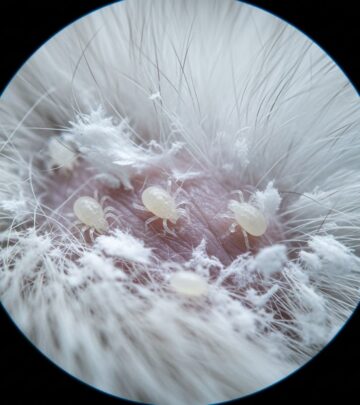
It is important to note that mites cannot be seen with the naked eye, so even if your guinea pig shows no visible signs of parasites, they could still be infested.
Diagnosis of Mite Infestations
Proper diagnosis is essential for effective treatment. When you suspect your guinea pig has mites, your veterinarian will perform a thorough examination to confirm the diagnosis.
Diagnostic Methods
Your veterinarian can diagnose mite infestation through several methods:
- Examining your guinea pig’s fur for visible signs of mites
- Taking skin scrapings from affected areas for microscopic laboratory analysis
- Observing the scrapings under a microscope to identify the type of mite present
Occasionally, a veterinarian may completely misdiagnose a mite infestation and treat for ringworm or other illnesses if the mite is not visible under the microscope at the time of examination. If your guinea pig has bald patches and other symptoms consistent with mite infestation, it is wise to discuss the possibility of mite treatment even if initial tests are negative.
Treatment Options for Guinea Pig Mites
Treatment for mite infestations in guinea pigs typically involves the use of anti-parasitic medications. The specific treatment will depend on the type of mite identified and the severity of the infestation.
Ivermectin Treatment
Ivermectin is the most commonly prescribed medication for treating mange mites in guinea pigs. This medication can be administered in several different ways:
- By injection (though this method can be painful for guinea pigs and may cause allergic reactions)
- Orally
- Topically as a “spot-on” treatment
Most veterinarians now recommend the “spot-on” topical product rather than injections due to the pain associated with injections and the increased likelihood of allergic reactions. Ivermectin works on blood-sucking parasites such as mange mites but is not effective against lice.
It is crucial to understand that ivermectin does not kill mite eggs, so multiple treatments are necessary to eliminate the entire infestation. Typically, two or three injections or treatments are given one to two weeks apart. The treatment must be administered in precise doses based on your guinea pig’s exact weight, as incorrect dosing can cause dangerous reactions and may even be fatal.
Ivermectin appears to be safe for use on pregnant guinea pigs but is best avoided in guinea pigs under 12 ounces (approximately 340 grams).
Selamectin (Revolution)
Selamectin, commonly known by the brand name Revolution, is a topical medication that is more effective than ivermectin in killing both mites and their eggs. This medication can be applied topically every two to four weeks as needed. Selamectin can treat both mange mites and lice in a single application, making it a convenient treatment option.
Topical cat medications such as Advantage, Senergy, and Revolution are safe options for guinea pigs when prescribed by a veterinarian.
Treatment for Static Mites
For infestations with static mites, veterinarians typically recommend spray or shampoo treatments rather than injectable medications. It is important not to purchase over-the-counter products for this purpose, as they may contain toxic ingredients that are potentially life-threatening to guinea pigs.
Additional Treatment Considerations
Depending on the severity of the infestation and the extent of secondary skin damage, your veterinarian may recommend additional treatments:
- De-worming medication administered orally or via injection
- Topical treatments for open sores and infections caused by scratching
- Antibiotics if secondary bacterial skin infections (pyoderma) have developed
- Steroids to provide relief from itching, used with careful veterinary supervision
Important Treatment Guidelines
When treating guinea pig mites, there are several important guidelines to follow for the best outcome:
- Do not bathe your guinea pig until the mite infestation is confirmed and treatment has begun. Bathing a guinea pig with mites can cause them to burrow deeper into the skin, increase irritation, and make treatment more difficult. Unless a medicated shampoo is prescribed by your exotic veterinarian, avoid bathing until the infestation is under control.
- Complete the full course of medication as prescribed by your veterinarian, even if symptoms improve, to ensure all mites are eradicated.
- Cut back nails to minimize further damage from scratching.
- Treat all guinea pigs in the same household, as mites can spread between animals.
- Thoroughly clean living quarters during and after treatment.
Prevention of Mite Infestations
Preventing mite infestations is far easier than treating them. Several preventive measures can help protect your guinea pig from these parasites:
- Quarantine new guinea pigs: If you introduce a new guinea pig to your collection, quarantine it for a period and treat it if suspected of being a carrier, as some guinea pigs can carry mites while showing no signs of infestation.
- Practice good husbandry: Maintain clean living conditions, provide proper nutrition, and ensure your guinea pig receives adequate exercise and social interaction to maintain a strong immune system.
- Regular health checks: Inspect your guinea pig’s skin and fur regularly for any signs of parasites or skin problems.
- Avoid unvetted sources: Only obtain guinea pigs from reputable breeders or rescue organizations.
Prognosis and Recovery
The good news is that most guinea pigs respond well to appropriate treatment, and mite infestations are usually curative with proper medication and care. However, prompt treatment is essential to prevent complications. Untreated mite infestations, particularly sarcoptic mange, can be extremely painful and in some cases, even life-threatening.
With early detection, appropriate veterinary treatment, and proper follow-up care, your guinea pig should make a full recovery and return to normal activity levels.
Frequently Asked Questions About Guinea Pig Mites
Q: Can I see mites on my guinea pig with my naked eye?
A: No, mites cannot be seen with the naked eye. Even if you suspect mites, you will not be able to see them without microscopic examination. If your guinea pig shows symptoms of itching and hair loss, consult your veterinarian for proper diagnosis.
Q: How long does treatment take to show results?
A: The timeline for improvement varies depending on the severity of the infestation and the treatment method used. Most guinea pigs begin to show improvement within a few weeks of starting treatment, but multiple doses are necessary to completely eliminate the infestation.
Q: Can I treat mites at home without veterinary care?
A: While over-the-counter ivermectin spot-on treatments are available for minor outbreaks, severe cases should always be treated by a veterinarian. Additionally, over-the-counter products may contain toxic ingredients, so veterinary prescription is strongly recommended.
Q: Are guinea pig mites contagious to humans?
A: Guinea pig mites are species-specific parasites and cannot infest humans. However, it is still important to maintain good hygiene practices when handling an infested guinea pig and wash your hands thoroughly after contact.
Q: How often should I treat my guinea pig for mites?
A: Treatment protocols vary based on the medication prescribed. Ivermectin typically requires two to three treatments given one to two weeks apart, while selamectin (Revolution) may be applied every two to four weeks as determined by your veterinarian.
Q: Can pregnant guinea pigs be treated for mites?
A: Ivermectin appears to be safe for use on pregnant guinea pigs, though it is best avoided in very young guinea pigs under 12 ounces. Always consult with your veterinarian about the safest treatment options during pregnancy.
References
- Your Guinea Pig and Mites: What They Look Like and What To Do About Them — Home and Roost. 2024. https://homeandroost.co.uk/blogs/guinea-pigs/your-guinea-pig-and-mites-what-they-look-like-and-what-to-do-about-them
- Guinea Pig Mites: What They Look Like and How to Treat It — Yalesville Veterinary Hospital. 2024. https://yalesvillevet.com/blog/guinea-pig-mites-what-they-look-like-and-how-to-treat-it/
- Mites — Shropshire Guinea Piggery. 2024. https://www.shropshireguineapiggery.co.uk/caring-for-your-guinea-pig/mites/
- Mange (Guinea Pig) — Long Beach Animal Hospital. 2024. https://lbah.com/guinea-pig/mange-guinea-pig/
- How Do Guinea Pigs Get Mites? — GuineaDad. 2024. https://www.guineadad.com/blogs/news/how-do-guinea-pigs-get-mites
- Mites and Lice in Guinea Pigs — VCA Animal Hospitals. 2024. https://vcahospitals.com/know-your-pet/mites-in-guinea-pigs
- Fur Mites in Guinea Pigs — PetMD. 2024. https://www.petmd.com/exotic/conditions/skin/c_ex_gp_fur_mites
Similar Articles






Read full bio of medha deb