Mites in Hedgehogs: Signs, Treatment, and Prevention
Complete guide to identifying, treating, and preventing mite infestations in pet hedgehogs.
Understanding Mites in Hedgehogs
Mites are tiny parasites that commonly affect hedgehogs and can cause significant discomfort and health complications if left untreated. These microscopic creatures burrow into the skin and quills of hedgehogs, causing irritation, itching, and secondary health issues. Pet owners should be aware of the signs and symptoms of mite infestations, understand available treatment options, and know how to prevent these parasites from affecting their spiny companions. Unlike dogs and cats, hedgehogs require specialized care when dealing with parasitic infections, as many standard treatments are not safe for these exotic pets.
Recognizing the Symptoms of Mite Infestations
Identifying mites in hedgehogs early is crucial for preventing severe complications. Mite infestations present with several distinctive symptoms that pet owners should monitor closely. The most common signs include:
- Excessive itching and scratching, often causing visible discomfort to the hedgehog
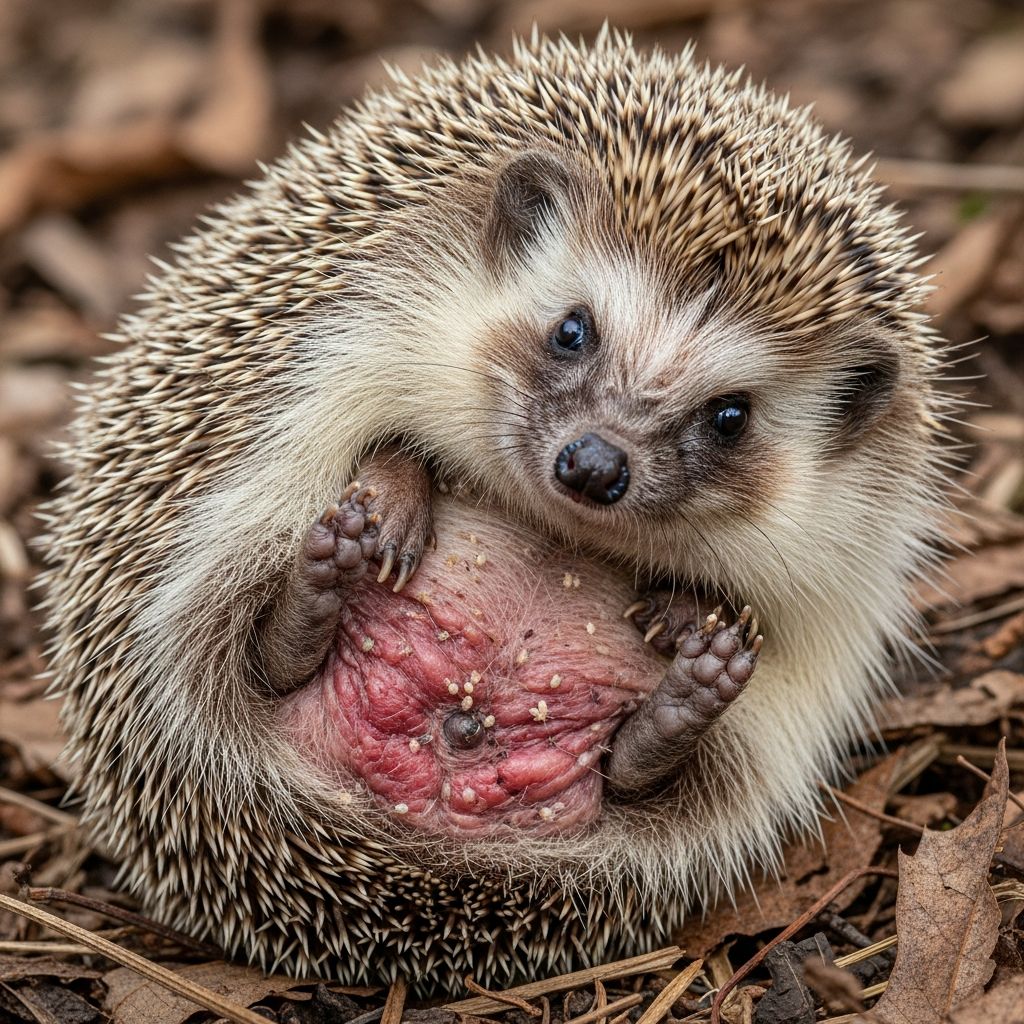
- Extremely dry and flaky skin that may appear crusty around the eyes and nose
- Concentrated quill loss, particularly on the back and sides of the hedgehog
- Crustiness or scaling visible on the skin and around facial areas
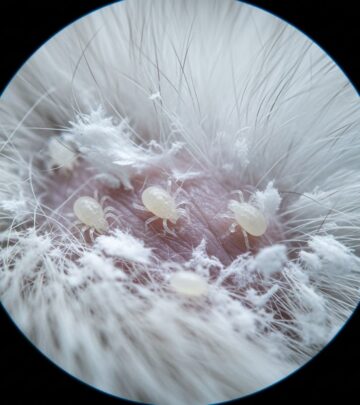
- In severe cases, mites may be visible to the naked eye crawling on the hedgehog’s body, enclosure, or bedding
If you notice any of these symptoms, it is essential to seek veterinary care promptly. Untreated mite infestations can progress to more serious conditions, including total quill loss, secondary skin infections such as mange, bacterial infections, and in extreme cases, death. Early intervention dramatically improves treatment outcomes and prevents complications.
Diagnostic Procedures for Mite Detection
Professional diagnosis is the most reliable way to confirm a mite infestation in your hedgehog. Veterinarians use several diagnostic methods to identify mites and rule out other skin conditions like dry skin, which can present similar symptoms.
Skin Scrapings: The most common diagnostic method involves performing a skin scraping, where the veterinarian gently scrapes the hedgehog’s skin and examines the sample under a microscope. This procedure can often be performed without anesthesia if the hedgehog is calm, though some veterinarians may choose to sedate the animal for comfort and thoroughness. The microscopic examination reveals the presence of mites and helps determine the severity of the infestation.
Quill Examination: In some cases, veterinarians may examine individual quills under magnification to detect mites or mite damage. This non-invasive approach provides valuable diagnostic information without requiring skin scrapings.
Visual Inspection: For severe infestations, mites may be visible to the naked eye or with a 10x to 30x magnification microscope. Pet owners can also look for mite evidence in bedding and the enclosure as part of the diagnostic process.
Available Treatment Options
There are currently no hedgehog-specific medications approved for treating mites, so veterinarians prescribe off-label treatments originally formulated for other small animals. Several treatment protocols have proven effective, though they vary in safety, efficacy, and ease of administration.
Revolution (Selamectin)
Revolution has become the preferred treatment method for mite infestations in hedgehogs among most veterinarians and breeders. This topical treatment was originally developed for cats and is now widely used off-label in hedgehogs. The advantages of Revolution are significant:
- A single topical application lasts for 30 days, exceeding the complete life cycle of mites
- Most infestations are eliminated within 24 hours of application
- New quill growth typically appears within two weeks of treatment
- Dosage is typically just 1-2 drops applied between the shoulder blades
- One dose is usually sufficient for most cases, though severe infestations may require a second treatment
Kitten Revolution is specifically recommended because the dosage is more appropriate for hedgehogs’ smaller body size. A typical veterinary visit costs approximately $50, with the Revolution vial costing around $20. The vial can be stored properly for future use if needed. Owners should never attempt to calculate dosages for larger animal formulations, as this increases the risk of overdosing.
Ivermectin
Ivermectin has a complicated history in hedgehog mite treatment. While some veterinarians have used it successfully, there are significant safety concerns that make it a less preferred option today.
Topical Application: Some veterinarians prescribe topical Ivermectin at 0.1 cc applied to the back of the head once weekly for two weeks. Dr. Teresa Lightfoot recommends an Ivermectin dosage of 0.2 mg/kg given subcutaneously, often combined with a pyrethrin-based shampoo applied weekly for several weeks.
Serious Safety Concerns: Despite some historical success, many hedgehogs have experienced toxic reactions to Ivermectin, particularly when administered via injection. Toxicity may occur after the first treatment but more commonly appears after the second or third treatment. Cases of hedgehog deaths from Ivermectin overdose have been documented, making injection-based treatment no longer recommended. The challenge with Ivermectin lies in calculating the correct dosage for such small animals—a margin of error can be dangerous.
Research Findings: A clinical trial comparing Ivermectin to Amitraz found that at the end of a six-week trial, hedgehogs treated with Amitraz were mite-free, while the Ivermectin group still had active infestations. Additionally, intramuscular injection of 200 μg/kg Ivermectin at 14- and 21-day intervals proved ineffective in eliminating mites.
Alternative Treatments
Lime Sulfur Dips: Lime sulfur dips may provide some benefit when applied once or twice weekly for 6-8 weeks. However, this treatment is labor-intensive and requires thorough application, making it less practical than topical treatments.
Amitraz: Research has shown that Amitraz, applied as a 0.03% rinse, can be effective for mite control. A single treatment reduces mite numbers significantly, with a second treatment one week later often clearing the infestation completely.
Post-Treatment Expectations and Follow-Up Care
Understanding what to expect after treatment begins is important for hedgehog owners monitoring their pet’s recovery.
Quill Shedding: Immediately after mite treatment, hedgehogs often shed spines that were damaged by the mites. While this shedding can be alarming, it is a normal part of the healing process. New quills typically begin growing within one to two weeks of treatment. Owners should not be concerned by this temporary hair loss, as it indicates that damaged quills are being replaced with healthy ones.
Environmental Cleaning: Thorough cleaning of the hedgehog’s enclosure and bedding is essential as part of treatment. All bedding should be removed and replaced with fresh shavings, as mites can survive in contaminated bedding and cause re-infestation. The cage, furniture, and all surfaces should be cleaned and disinfected to remove any remaining parasites.
Follow-Up Skin Scrapings: Veterinarians should perform follow-up skin scrapings several months after treatment to ensure complete eradication of the parasite. This confirmation helps prevent re-infestation and ensures that the treatment was successful.
Prevention Strategies
While treatment is effective, prevention is always preferable to dealing with an active infestation. Several preventive measures can reduce the risk of mites in hedgehogs:
- Maintain clean enclosures with fresh bedding changed regularly
- Provide appropriate humidity levels, as extremely dry environments can predispose hedgehogs to skin issues
- Ensure proper diet and nutrition to maintain a strong immune system
- Minimize stress through proper handling and appropriate environmental conditions
- Quarantine new hedgehogs before introducing them to existing pets
- Regular veterinary check-ups to catch early signs of infestation
When to Seek Veterinary Care
If you suspect mites, the quicker you take your hedgehog to the vet, the better. Hedgehogs with mites need treatment as soon as possible to avoid potential damage these parasites can cause. Professional veterinary diagnosis ensures accurate identification and appropriate treatment selection. Your veterinarian can determine which treatment option is safest and most effective for your specific hedgehog based on its health status, age, and any other medical conditions.
Distinguishing Mites from Other Skin Conditions
Hedgehogs can experience dry skin conditions that present symptoms similar to mite infestations, including flakiness and quill loss. However, dry skin typically does not cause the same level of itching and discomfort as mites, and the pattern of quill loss differs. A veterinary examination with skin scraping provides definitive diagnosis to distinguish between these conditions and ensure appropriate treatment.
Frequently Asked Questions
Q: How can I tell if my hedgehog has mites or just dry skin?
A: While both conditions can cause flaky skin and quill loss, mites typically cause more intense itching and scratching. A veterinary skin scraping is the only way to definitively diagnose mites versus dry skin, as mites are visible under a microscope while dry skin shows no parasites.
Q: Is Revolution safe for hedgehogs?
A: Yes, Revolution (kitten formulation specifically) is considered safe and effective for hedgehogs when prescribed by a veterinarian. It has become the preferred treatment method due to its safety profile and high success rate compared to other options.
Q: Can mites spread from my hedgehog to other pets?
A: Hedgehog mites are species-specific and do not typically spread to dogs, cats, or other non-hedgehog animals. However, infected hedgehogs should be kept separate from other hedgehogs to prevent cross-infestation.
Q: How long does it take to see improvement after treatment?
A: Most hedgehogs show significant improvement within 24 hours of Revolution treatment, with mites being eliminated and itching subsiding. New quill growth typically becomes visible within two weeks of treatment.
Q: Will my hedgehog become permanently bald from mites?
A: No. After proper treatment, new healthy quills will grow back to replace the damaged ones that were shed. Complete recovery is expected with appropriate treatment and follow-up care.
Q: Why shouldn’t I use Ivermectin injections for hedgehogs?
A: Ivermectin injections have caused toxic reactions and deaths in hedgehogs, particularly after multiple treatments. The narrow margin between therapeutic and toxic doses in such small animals makes injectable Ivermectin no longer recommended, with Revolution being the safer alternative.
Q: Can I prevent mites in my hedgehog?
A: While complete prevention is not always possible, maintaining clean enclosures, providing proper nutrition, minimizing stress, and regular veterinary check-ups significantly reduce the risk of mite infestations.
References
- Comparison of Injectable Ivermectin and Topical Amitraz for Treatment of Chorioptic Acariasis in African Hedgehogs — Veterinary Research Communications. 1997. https://pubmed.ncbi.nlm.nih.gov/9505258/
- VCA Animal Hospitals – Mites in Hedgehogs — VCA Inc. 2025. https://vcahospitals.com/know-your-pet/mites-in-hedgehogs
- Mite Infestation in Hedgehogs (Erinaceidae) in Israel — Israel Journal of Veterinary Medicine. 2020. https://www.ivis.org/sites/default/files/library/ijvm/75-1/7-mite.pdf
- Revolution for Hedgehog Mite Treatment – Safety and Efficacy — Hedgehogs and Friends. 2024. https://hedgehogsandfriends.com/blogs/news/how-do-i-know-if-my-hedgehog-has-dry-skin-or-mites
- Ivermectin Toxicity in Small Exotic Pets — Exotic Pet Veterinary Medicine Resources. 2024. https://www.hamorhollow.com/articles/oh-no-does-my-hedgehog-have-mites
- Hedgehog Mite Treatments and Recommendations — Riddles Hedgehogs Care Guide. 2024. https://riddleshedgehogs.com/care-tips/hedgehogs-and-mites
Similar Articles








Read full bio of medha deb