
Mite Infestations In Animals: 6 Types, Signs, And Vet Care
Comprehensive guide to recognizing, diagnosing, and treating mite parasites affecting pets' ears and skin for optimal animal health.
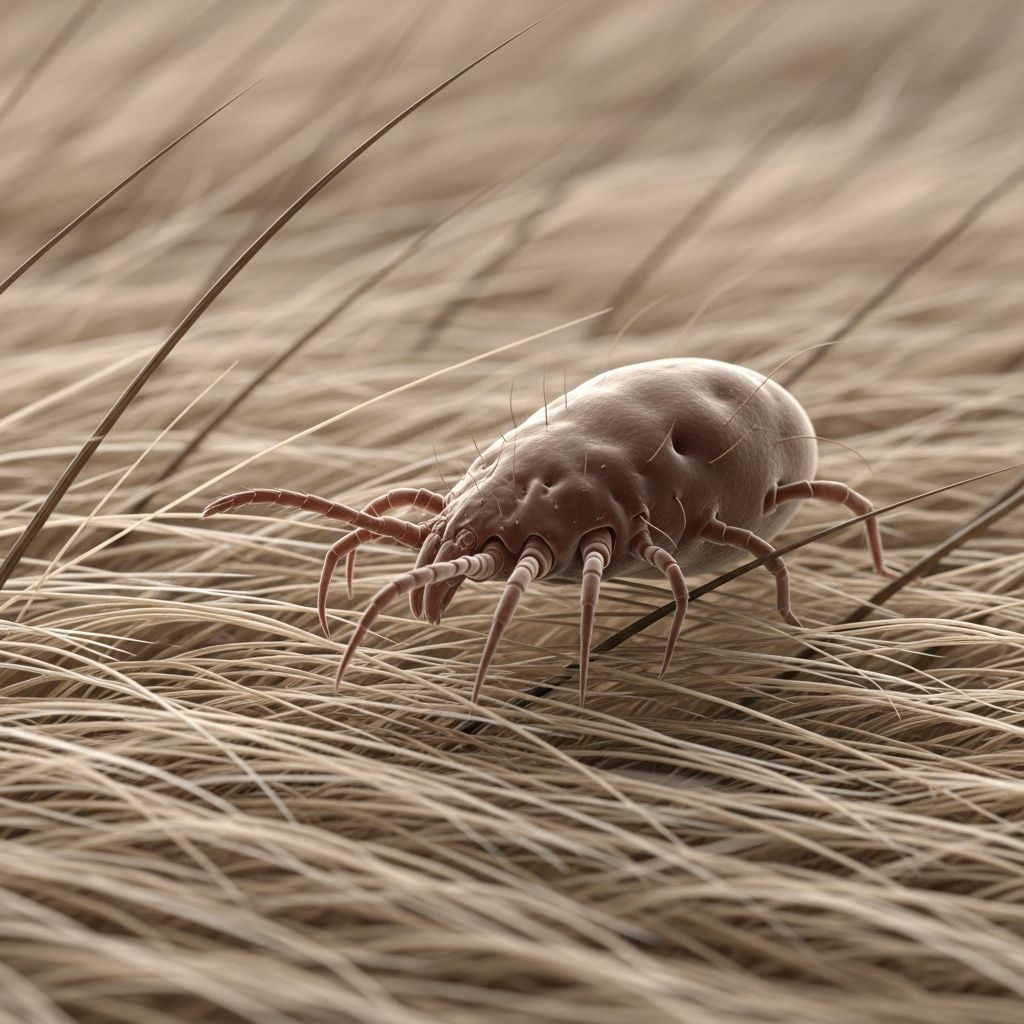
Mite infestations represent a common yet distressing parasitic condition affecting the skin and ears of various animals, particularly dogs and cats. These tiny arachnids burrow into the skin or reside in ear canals, triggering intense irritation, secondary infections, and potential zoonotic risks. Early detection through vigilant observation of behavioral changes and physical signs is crucial for effective management and restoring pet comfort.
Understanding the Nature of Mite Parasites
Mites belong to the order Acarina and vary in species, lifecycle, and host preferences. Unlike insects, they possess eight legs in adulthood and thrive by feeding on skin debris, fluids, or blood. In animals, infestations often target the
pinna
(outer ear flap) and surrounding skin, leading to conditions broadly termed mange or scabies. Transmission occurs via direct contact with infested animals, shared bedding, or contaminated environments, making multi-pet households particularly vulnerable.The lifecycle of most parasitic mites includes egg, larva, nymph, and adult stages, completing within weeks under favorable warmth and humidity. Females lay eggs in burrows or on the surface, perpetuating rapid spread if untreated. While some mites are host-specific, others like Sarcoptes scabiei can temporarily affect humans, causing transient itchy welts.
Primary Types of Mite Infestations in Pets
Animals face several mite species, each with distinct clinical presentations. Here’s a breakdown:
- Otodectes cynotis (Ear Mites): Prevalent in cats and dogs, these reside in ear canals, feeding on wax and debris. They provoke head shaking and ear drooping.
- Sarcoptes scabiei (Sarcoptic Mange/Scabies): Highly contagious burrowing mites causing severe pruritus, especially on ear edges, elbows, and hocks in dogs.
- Notoedres cati (Notoedric Mange): Cat-specific, starting on ears and head, spreading body-wide with crusty lesions.
- Cheyletiella spp. (Walking Dandruff): Surface-dwelling mites visible as moving flakes, affecting dogs, cats, and rabbits.
- Trombicula spp. (Chiggers): Larvae attach seasonally, injecting enzymes that cause intense itching.
- Demodex spp.: Commensal mites proliferating in immunocompromised animals, leading to folliculitis.
| Mite Type | Primary Hosts | Key Sites | Contagiousness |
|---|---|---|---|
| Otodectes cynotis | Dogs, Cats | Ears | High |
| Sarcoptes scabiei | Dogs | Ears, Elbows, Hocks | Very High |
| Notoedres cati | Cats | Ears, Head, Neck | High |
| Cheyletiella | Dogs, Cats, Rabbits | Back, Neck | Moderate |
| Demodex | Dogs | Face, Paws | Low |
Clinical Signs and Symptom Progression
Infestations manifest through a cascade of symptoms, starting subtly and escalating without intervention. Common indicators include:
- Excessive
scratching
, head shaking, or rubbing against surfaces. - Visible
hair loss
(alopecia) in patches, often with scaling or crusting. - **Redness, inflammation**, and thickened skin in advanced stages.
- Dark, coffee-ground-like discharge from ears (ear mites).
- Secondary issues: bacterial/yeast infections, lymph node swelling, or emaciation.
In dogs with sarcoptic mange, ears are frequently first affected, showing red margins and yellow crusts. Cats with notoedric mange develop hyperkeratotic plaques on pinnae, potentially leading to ear deformities. Severe cases depress appetite and mobility, mimicking systemic illness.
Veterinary Diagnostic Approaches
Diagnosis hinges on history, clinical exam, and confirmatory tests. Veterinarians perform:
- Skin Scrapings: Deep or superficial samples examined microscopically for mites, eggs, or feces.
- Ear Swabs/Cytology: For otodectes, revealing mites amid debris.
- Flea Combing/Tape Tests: Effective for Cheyletiella.
- Therapeutic Trial: If mites evade detection, trial antiparasitics confirm response within weeks.
Differential diagnoses include allergies, fungal infections, or hypothyroidism, necessitating exclusion via biopsies or bloodwork in refractory cases.
Comprehensive Treatment Protocols
Treatment targets parasite elimination, symptom relief, and complication management. Protocols vary by mite type and severity:
- Topical Parasiticide: Selamectin, imidacloprid-moxidectin, or isoxazolines (e.g., fluralaner) applied monthly.
- Dips and Shampoos: Lime-sulfur or medicated antiseborrheic baths weekly, safe for juveniles.
- Systemic Options: Oral ivermectin or moxidectin (avoid in MDR1-sensitive breeds like Collies).
- Supportive Care: Antibiotics for pyoderma, short-term corticosteroids for inflammation.
All in-contact animals receive prophylaxis, regardless of symptoms. Environmental decontamination via hot washing bedding and vacuuming is essential. Resolution typically occurs in 2-8 weeks with adherence.
Species-Specific Management Strategies
Dogs
Canines, especially young or shelter dogs, are prone to sarcoptic and demodectic forms. Clip hair if matted, follow with dips, and monitor for heartworm co-testing before macrocyclic lactones.
Cats
Felines suffer ear mites ubiquitously; whole-body treatment prevents spread. Avoid toxic insecticides; prefer selamectin or fipronil sprays.
Other Animals
Rabbits and ferrets face Cheyletiella; isolate and treat systemically. Livestock may require flock-wide interventions.
Prevention and Control Measures
Proactive strategies curb reinfestation:
- Routine parasiticide preventives (flea/tick products often cover mites).
- Quarantine new pets and regular ear checks.
- Avoid high-risk areas like wild animal habitats for chiggers.
- Hygiene: Clean environments diligently.
Vaccination absent, emphasis lies on early intervention and compliance.
Zoonotic Potential and Human Risks
Animal mites rarely complete lifecycles on humans but induce pruritic papules. Sarcoptes and Cheyletiella are culprits; symptoms resolve post-pet treatment. Hand hygiene and pet isolation mitigate risks.
FAQs on Mite Infestations
Can mites spread from pets to humans? Yes, temporarily causing itchy rashes, but human treatment unnecessary if pet resolves.
How long until symptoms improve? Often 2 weeks with treatment; full cure 4-8 weeks.
Are over-the-counter remedies safe? No; consult vets to avoid toxicity.
What if mites aren’t found on scrapings? Proceed with therapeutic trial under guidance.
Do all household pets need treatment? Yes, even asymptomatic carriers.
Long-Term Prognosis and Monitoring
With prompt, multifaceted care, prognosis excels; relapses rare barring immunosuppression. Schedule follow-ups for scrapings and rechecks. Immunosuppressed animals (e.g., demodex) demand ongoing vigilance.
This overview equips guardians with knowledge for mite management, prioritizing veterinary partnership for tailored plans.
References
- Mange in Dogs: Signs, Symptoms, Treatment — American Kennel Club. 2023-10-15. https://www.akc.org/expert-advice/health/mange-in-dogs/
- Sarcoptic Mange (Scabies) — Cornell University College of Veterinary Medicine. 2024-05-20. https://www.vet.cornell.edu/departments-centers-and-institutes/riney-canine-health-center/canine-health-topics/sarcoptic-mange-scabies
- Mites on Dogs: Signs, Treatments and Prevention Tips — CareCredit Veterinary. 2024-02-10. https://www.carecredit.com/well-u/pet-care/mites-on-dogs/
- Mite Infestation (Mange, Acariasis, Scabies) of Cats — MSD Veterinary Manual. 2025-01-12. https://www.msdvetmanual.com/cat-owners/skin-disorders-of-cats/mite-infestation-mange-acariasis-scabies-of-cats
- Mite Infestation (Mange, Acariasis, Scabies) in Dogs — Merck Veterinary Manual. 2025-01-12. https://www.merckvetmanual.com/dog-owners/skin-disorders-of-dogs/mite-infestation-mange-acariasis-scabies-in-dogs
- Acariasis – Mange and Scabies — Center for Food Security and Public Health, Iowa State University. 2022-08-01. https://www.cfsph.iastate.edu/FastFacts/pdfs/acariasis_F.pdf
- Demodectic Mange in Dogs — VCA Animal Hospitals. 2024-11-05. https://vcahospitals.com/know-your-pet/mange-demodectic-in-dogs
Similar Articles








Read full bio of Sneha Tete


