

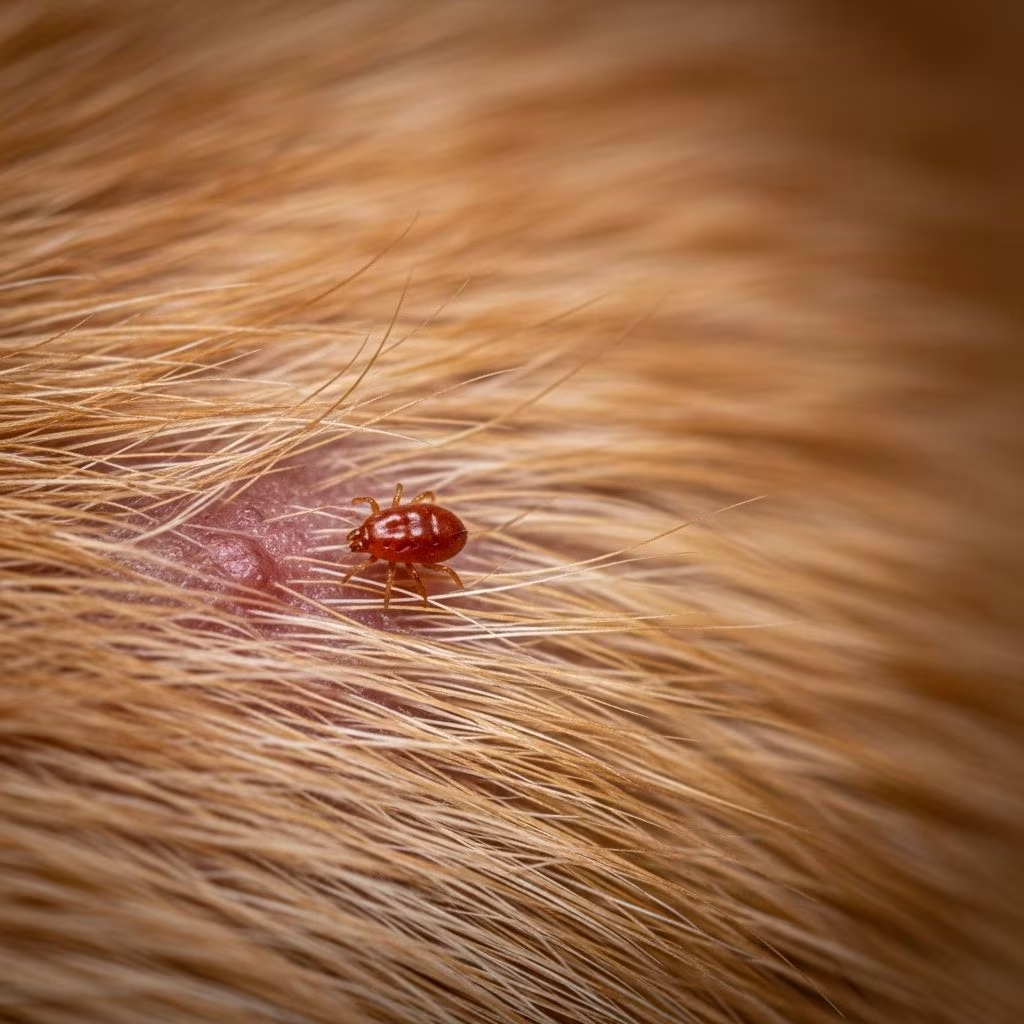
Understanding Parasitic Mites and Canine Health
Parasitic mites represent one of the most common dermatological challenges affecting domestic dogs worldwide. These microscopic arthropods colonize the skin and ears, triggering inflammatory responses that significantly compromise a dog’s quality of life. When mite populations establish themselves on canine skin, the resulting condition is clinically termed mange, which encompasses several distinct presentations depending on the mite species involved. Understanding the characteristics of different mite types enables pet owners to recognize symptoms early and seek appropriate veterinary intervention before complications develop.
The relationship between dogs and mites extends beyond simple parasitism; mite infestations trigger complex immune and inflammatory cascades that affect not only the integumentary system but also the animal’s behavioral patterns, sleep quality, and overall well-being. The severity of infestation varies considerably based on individual immune function, environmental conditions, and the specific mite species responsible for the infection.
Categories of Mites Affecting Canine Patients
Dogs encounter multiple distinct mite species, each producing characteristic clinical presentations and requiring tailored treatment approaches. Familiarity with these different categories helps veterinarians and informed pet owners distinguish between various conditions and implement appropriate management strategies.
Sarcoptic Mites and Canine Scabies
Sarcoptic mites, scientifically classified as Sarcoptes scabiei, represent some of the most problematic parasites affecting dogs. These mites possess a unique behavioral adaptation: they burrow into the epidermis, creating tunnels within the dermal layers where they establish reproductive populations. This burrowing activity directly triggers intense pruritus through multiple mechanisms, including direct irritation and immune-mediated hypersensitivity to mite antigens and fecal material. The resulting condition, commonly referred to as canine scabies, produces characteristic clinical signs including severe itching, localized hair loss particularly in groin and axillary regions, and progressive crusting of affected skin areas. One significant concern involves the zoonotic potential of sarcoptic mites; these parasites can transfer to human handlers, necessitating prompt treatment to prevent household transmission.
Demodetic Mites and Demodicosis
Demodex mites maintain a different ecological relationship with canine skin compared to sarcoptic species. These mites naturally inhabit dog skin in small, asymptomatic numbers as part of the normal cutaneous microbiota. Problems arise when populations undergo explosive growth, transforming from commensal organisms into pathogenic parasites. This transition typically reflects compromised immune function, whether from systemic disease, medication effects, or genetic predisposition. Demodicosis manifests through progressive hair loss, skin inflammation and thickening, increased pigmentation, and characteristic acne-like lesions. Generalized demodicosis represents a more serious manifestation than localized presentations, frequently requiring extended medical management and sometimes yielding uncertain prognoses.
Otodectic Mites and Ear Canal Involvement
Ear mites, caused by Otodectes cynotis, establish infections specifically within the external ear canal, though body involvement occasionally occurs. These parasites cause profound discomfort, prompting affected dogs to shake their heads vigorously and scratch their ears to the point of self-inflicted trauma. Accumulation of excessive earwax, inflammation of external ear structures, and malodorous discharge characterize ear mite infections. In severe, untreated cases, the infection can progress to involve the middle ear and even damage the tympanum, potentially compromising auditory function.
Chigger-Derived Trombiculosis
Trombiculosis results from parasitism by larval chigger mites that dogs acquire from contaminated environmental sources. These tiny orange-red larvae attach to specific body locations including ears, head, feet, and abdominal areas, where they feed briefly before self-detaching. The localized dermatitis associated with chigger infestation produces intense itching in affected areas and typically resolves without intervention as larvae naturally disengage from their host.
Clinical Recognition: Identifying Mite Infestation Symptoms
Early symptom recognition enables timely veterinary consultation and prevents progression to more severe complications. Mite infestations produce a characteristic constellation of clinical signs that vary in presentation based on mite type and individual factors.
Cutaneous and Behavioral Manifestations
The most obvious signs of mite infestation involve intense pruritus, manifesting as relentless scratching, biting, and licking behaviors. Dogs experiencing severe itching often exhibit signs of agitation and sleep disturbance, reflecting the significant discomfort caused by parasitic activity. The scratching behavior frequently becomes so vigorous that dogs cause secondary trauma to their skin, creating open wounds susceptible to bacterial infection.
Visible skin changes accompany the behavioral symptoms. Progressive hair loss occurs in patches or across larger body areas, sometimes becoming diffuse and generalized. The exposed skin often displays redness, inflammation, and scaling. In cases where chronic scratching has damaged the epidermis, crusty lesions and scabs develop over affected regions. Dogs may also demonstrate visible darkening of skin in affected areas and the development of acne-like raised bumps.
Auricular Presentation and Specific Ear Involvement
Ear mite infections produce distinctive signs localized to the head and ear regions. Affected dogs frequently shake their heads in attempts to dislodge the parasites and excessive earwax accumulation becomes apparent. The discharge from infected ears often produces noticeable odors, and the external ear canal may display visible inflammation. Dogs with normally erect ear cartilage may develop drooping ears due to inflammatory changes.
Diagnostic Approach and Veterinary Assessment
Professional diagnosis differentiates mite infestations from other dermatological conditions and identifies the specific mite species responsible for clinical signs. Veterinarians employ multiple diagnostic techniques to confirm parasitic involvement.
Skin scrapings represent the primary diagnostic tool for identifying Sarcoptes and Demodex mites. The veterinarian scrapes affected skin areas with a specialized instrument, collects the sample on a microscope slide, and examines the material under magnification to identify mite organisms. For ear mite diagnosis, veterinarians obtain samples through ear swabs or microscopic examination of ear discharge. Additional diagnostic approaches may include fungal cultures to exclude ringworm infections, bacterial cultures when secondary infections are suspected, and sometimes dermatological referral for complex cases.
Treatment Strategies for Mite Eradication
Managing mite infestations requires comprehensive, multimodal approaches that address parasites directly while managing secondary complications and environmental contamination.
Topical Therapeutic Options
Topical treatments applied directly to the skin represent primary management modalities for many mite infestations. These formulations are available in multiple delivery systems tailored to different clinical situations:
- Medicated shampoos: Specialized formulations containing acaricidal ingredients that kill or suppress mite populations. Regular use removes crusts, debris, and mite populations while cleansing affected skin areas.
- Therapeutic dips: Concentrated solutions, often lime-sulfur-based, applied to the entire body surface. These demonstrate particular effectiveness in young animals and resistant cases. Multiple dip treatments spaced at intervals are typically required.
- Spot-on treatments: Liquid formulations applied directly to the skin, usually between the shoulder blades, where they distribute systemically across the body surface.
- Topical creams and ointments: Applied directly to localized affected areas for targeted therapy.
Systemic Pharmaceutical Management
Oral medications offer systemic approaches to mite control, particularly when topical treatments prove impractical or insufficient. These medications circulate throughout the body, reaching parasites throughout the integumentary system. Importantly, some oral medications used for mange management also provide heartworm prevention; veterinarians often require heartworm testing before initiating such treatments to ensure appropriate drug selection and prevent potential adverse interactions.
Environmental Treatment Protocols
Comprehensive mite management extends beyond direct treatment of the affected animal. Environmental treatment becomes essential because many mite species survive in bedding, carpets, kennels, and other environmental areas. Veterinarians recommend specific insecticidal products for environmental treatment and provide detailed application instructions to maximize effectiveness while ensuring safety for household members and other pets. In multi-pet facilities or kennels, treating the environment becomes mandatory to halt transmission among animal groups.
Managing Secondary Complications
Secondary bacterial infections frequently develop when dogs scratch and bite their skin in response to intense itching. Open wounds created by self-trauma provide entry points for environmental bacteria, leading to pyogenic infections that require antibiotic therapy. Fungal infections occasionally complicate mite infestations, necessitating antifungal medication. Severe or prolonged scratching may warrant anti-inflammatory medications to control the inflammatory cascade contributing to ongoing discomfort. In demodicosis cases, skin scrapings taken at monthly intervals help monitor treatment effectiveness and guide ongoing management decisions.
Preventive Measures and Long-term Management
Preventing mite infestations or preventing recurrence after successful treatment depends on multiple management factors. Maintaining robust immune function through balanced nutrition supports the body’s natural resistance to parasitic colonization. Regular grooming practices facilitate early detection of skin abnormalities before they progress to clinical infestation. Minimizing exposure to contaminated environments, particularly for dogs with known susceptibility or those living in multi-pet households, reduces reinfection risk. In dogs with history of demodicosis or other mite-related conditions, periodic veterinary monitoring through skin scrapings helps identify emerging problems before clinical signs become apparent.
Frequently Asked Questions About Canine Mite Infestations
Can humans contract mites from infected dogs?
Sarcoptic mites can transfer to human handlers, though they typically do not establish permanent infections in humans. Affected individuals may experience temporary skin irritation at contact sites. Prompt treatment of infected dogs prevents household transmission risk.
How long does mite infestation treatment typically require?
Treatment duration varies based on mite species, infestation severity, and individual response to therapy. Most cases require several weeks to months of consistent treatment, with monitoring through periodic skin scrapings to confirm parasitic eradication.
Can mite infestations recur after successful treatment?
Yes, recurrence is possible, particularly in dogs with underlying immune compromise or in environments where parasites persist. Continued environmental management and preventive practices minimize recurrence risk.
Should all animals in a household be treated simultaneously?
Yes, when sarcoptic or other contagious mite species are involved, all animals in contact with the affected dog should receive treatment to prevent transmission cycles and reinfection.
The Importance of Professional Veterinary Care
Mite infestations represent complex dermatological conditions requiring professional assessment and management. Veterinarians diagnose the specific mite species involved, assess disease severity, evaluate the individual dog’s overall health status, and develop treatment plans tailored to particular circumstances. Some oral medications require heartworm testing before use, and careful monitoring ensures treatment efficacy while managing any adverse effects. Working collaboratively with veterinary professionals ensures optimal outcomes and prevents progression to serious complications that compromise the dog’s health and quality of life.
References
- Mite Infestation (Mange, Acariasis, Scabies) in Dogs — Merck Veterinary Manual. 2024. https://www.merckvetmanual.com/dog-owners/skin-disorders-of-dogs/mite-infestation-mange-acariasis-scabies-in-dogs
- Mange in Dogs: Symptoms, Causes and Treatment — PetMD, veterinary editorial. 2024. https://www.petmd.com/dog/conditions/skin/mange-dogs
- What Are Dog Mites + How Are They Treated? — Bond Vet. 2024. https://bondvet.com/blog/what-are-dog-mites
- Recognizing and Treating Dog Mites — Purina Pet Health Resources. 2024. https://www.purina.com/articles/dog/health/parasites/mites-on-dogs
- How to Get Rid of Dog Mites — Vets4Pets. 2024. https://www.vets4pets.com/pet-health-advice/dog-advice/how-to-get-rid-of-dog-mites/



