

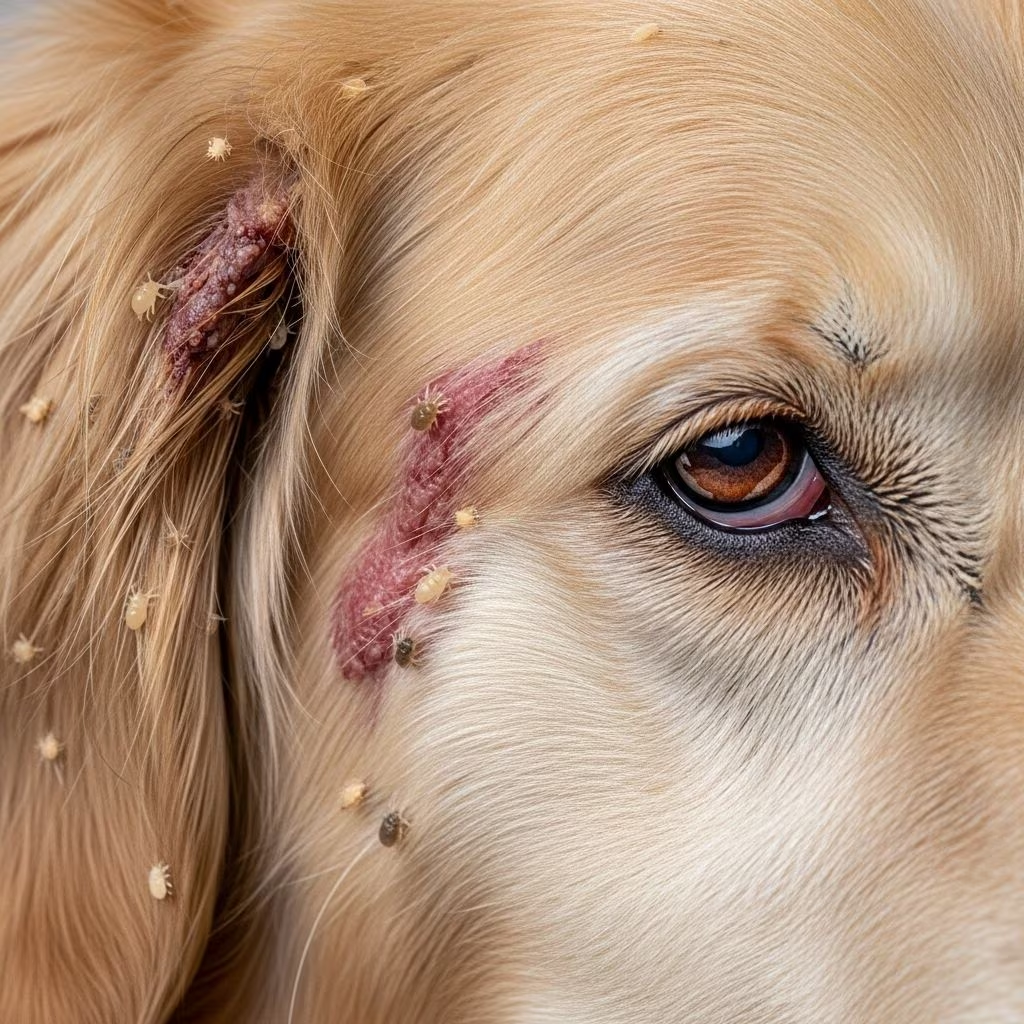
Mite infestations represent one of the most common parasitic skin conditions in dogs, leading to discomfort, visible skin changes, and potential secondary infections if untreated. These tiny arachnids burrow into the skin, feed on tissues or fluids, and trigger intense immune responses, often manifesting as relentless itching and hair loss. Early recognition and veterinary intervention are crucial for resolution, as some mites like those causing sarcoptic mange are highly contagious to other dogs and even humans.
Understanding the Different Types of Mites Affecting Canines
Dogs can suffer from several mite species, each with unique behaviors and preferred sites of infestation. Recognizing the type guides accurate diagnosis and tailored therapy.
- Sarcoptic Mites (Scabies): These burrowing parasites, known scientifically as Sarcoptes scabiei, provoke an allergic reaction to their saliva and feces, causing severe pruritus. They thrive on the ears, elbows, hocks, and abdomen.
- Demodex Mites: Normally residing harmlessly in hair follicles, these mites (Demodex canis) become problematic in immunocompromised dogs, leading to localized or generalized demodicosis.
- Ear Mites (Otodectes cynotis): Residing primarily in the ear canals, they feed on wax and oils, resulting in dark debris and inflammation.
- Chigger Mites (Trombiculids): Larval stages attach to thin-skinned areas like the belly and legs during warm seasons, injecting enzymes that cause irritation.
Key Symptoms to Watch For
Symptoms vary by mite type but often overlap, making veterinary confirmation essential. Common indicators include:
- Intense, non-stop scratching, licking, or chewing, especially at night, leading to self-trauma.
- Hair loss in patches, progressing to widespread alopecia if unchecked.
- Red, inflamed skin with scales, crusts, or scabs; in severe cases, thickened or ulcerated areas.
- Ear-specific signs: head shaking, tilting, drooping ears, coffee-ground-like discharge, and foul odor.
- Behavioral changes such as restlessness, depression, appetite loss, or weight reduction in advanced stages.
For ear mites, inflammation can extend to the canal, risking pus buildup or eardrum rupture. Demodex often presents with bald, scaly patches on the face or legs in young dogs, while sarcoptic mange starts suddenly with ear-edge redness.
How Mites Spread and Risk Factors
Mites transmit primarily through direct contact with infested animals. Sarcoptic and ear mites are highly contagious between dogs and can temporarily affect humans, though human infestations resolve without treatment. Demodex spreads from dam to pups during nursing, but outbreaks signal underlying health issues like poor immunity or stress.
Chiggers infest via environmental exposure in grassy, wild areas during summer. Risk escalates in multi-pet homes, kennels, shelters, or with dogs having weakened defenses from illness, malnutrition, or genetics (e.g., certain breeds prone to demodex).
Diagnostic Approaches by Veterinarians
Vets diagnose via clinical signs, history, and tests. Skin scrapings reveal mites under microscopy, though sarcoptic mites evade detection in up to 50% of cases due to low numbers. Ear swabs identify otodectes ova or adults.
For elusive sarcoptes, a response trial with acaricides confirms diagnosis. Deep scrapings monitor demodex counts monthly. Secondary bacterial infections prompt cytology or cultures.
Comprehensive Treatment Strategies
Treatment combines parasite elimination, symptom relief, and infection control. All in-contact pets receive therapy, regardless of symptoms.
| Mite Type | Primary Treatments | Additional Care |
|---|---|---|
| Sarcoptic | Topical selamectin, oral ivermectin (avoid in collie breeds), isoxazolines, fipronil spray | Antibiotics for infections, short-term steroids for itch |
| Demodex | Medicated shampoos/dips, prescription amitraz or moxidectin | Address underlying immunity; monitor scrapings |
| Ear Mites | Parasiticidal ear drops or whole-body spot-ons | Ear cleaning; treat contacts |
| Chiggers | Mite-specific acaricides post-removal | Antibiotics if wounds infected |
Topical options include lime-sulfur dips (safe for puppies), shampoos, and spot-ons; oral meds like milbemycin target systemically. Heartworm testing precedes certain treatments. Improvement occurs in 2 weeks, full recovery in 4-8 weeks with compliance.
Environmental and Home Management
Mites survive briefly off-host, necessitating thorough cleaning. Vacuum carpets, wash bedding/toys in hot water, and disinfect crates/collars. Kennels require insecticide application. Isolate infested dogs until cleared.
Prevention Tips for Mite-Free Dogs
Proactive measures minimize risks:
- Monthly flea/tick preventives (many kill mites).
- Regular grooming to spot issues early.
- Avoid high-risk areas like wild fields; check after outings.
- Heartworm preventives with acaricidal properties.
- Boost immunity via balanced diet, vaccinations, and stress reduction.
Prompt vet visits for itch prevent escalation.
Potential Complications and Prognosis
Untreated infestations lead to chronic skin changes, sepsis from bacteria, or debilitation. Sarcoptic and ear mites respond excellently (90%+ cure rate). Generalized demodex carries guarded outlook, needing prolonged therapy. Early action yields best outcomes.
Frequently Asked Questions (FAQs)
Can humans get mites from their dogs?
Sarcoptic mites may cause temporary itchy rashes in humans, but they cannot complete their lifecycle on people. Treat the dog to resolve.
Are over-the-counter products effective?
No; prescription-strength acaricides are required. Home remedies risk worsening.
How long does treatment last?
Typically 4-8 weeks, with follow-ups.
Can mites return after treatment?
Yes, without environmental cleaning or preventives.
Is mange fatal?
Rarely, but complications can be if ignored.
References
- What Are Dog Mites + How Are They Treated? — Bond Vet. 2023. https://bondvet.com/blog/what-are-dog-mites
- Mites on Dogs: Signs, Treatments and Prevention Tips — CareCredit. 2023. https://www.carecredit.com/well-u/pet-care/mites-on-dogs/
- Sarcoptic mange (scabies) — Cornell University College of Veterinary Medicine. 2024-02-01. https://www.vet.cornell.edu/departments-centers-and-institutes/riney-canine-health-center/canine-health-topics/sarcoptic-mange-scabies
- Mites on Dogs: Signs, Causes, Treatments & Prevention — Wondercide. 2023. https://www.wondercide.com/blogs/news/mites-on-dogs
- How to Get Rid of Dog Mites — Vets4Pets. 2023. https://www.vets4pets.com/pet-health-advice/dog-advice/how-to-get-rid-of-dog-mites/
- Mite Infestation (Mange, Acariasis, Scabies) in Dogs — Merck Veterinary Manual. 2025-01-15. https://www.merckvetmanual.com/dog-owners/skin-disorders-of-dogs/mite-infestation-mange-acariasis-scabies-in-dogs
- Mange in Dogs: Symptoms, Causes and Treatment — PetMD. 2024. https://www.petmd.com/dog/conditions/skin/mange-dogs



