

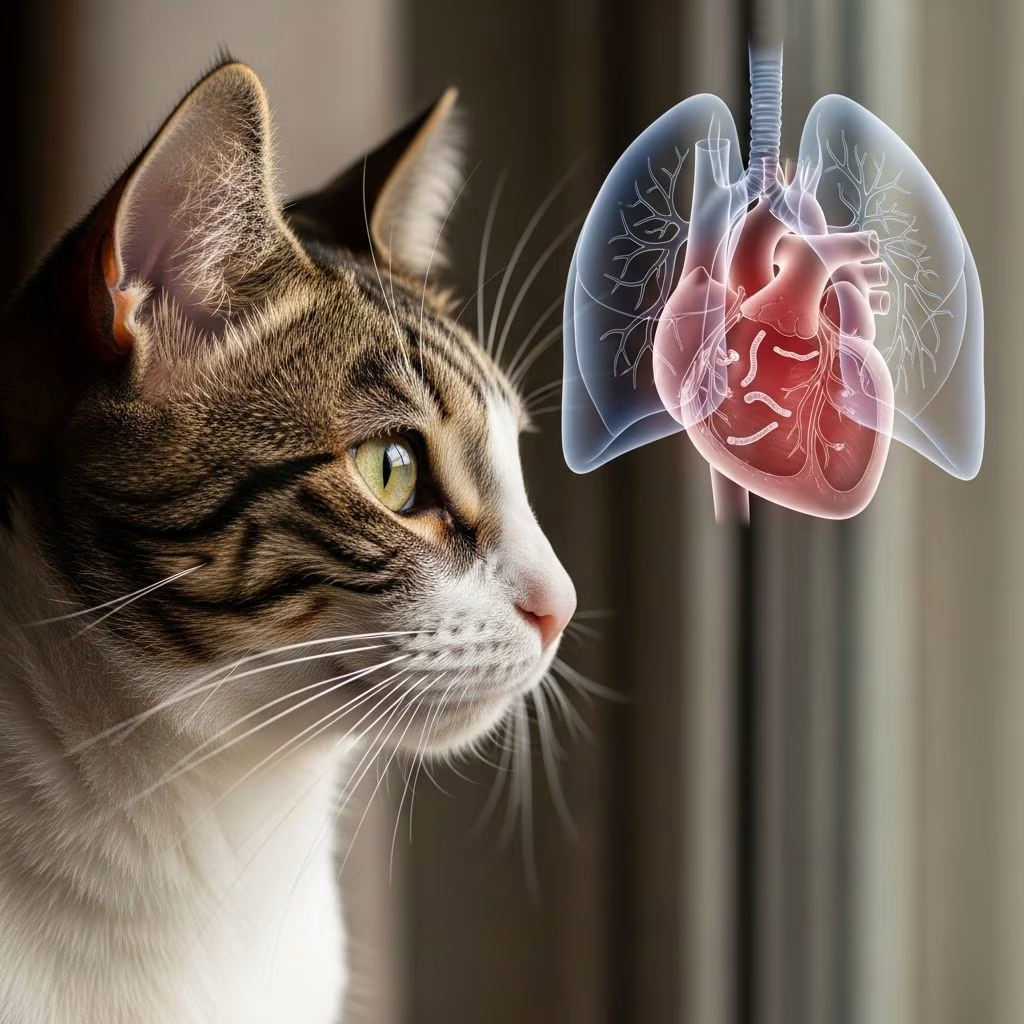
Pet ownership involves countless responsibilities, and maintaining your cat’s preventative medication schedule ranks among the most important. Heartworm prevention stands out as particularly critical because the consequences of lapses can be severe. Unlike some medications where a missed dose causes minor disruptions, skipping heartworm prevention creates a vulnerability window that can fundamentally change your cat’s health trajectory. Understanding what occurs when you miss a month of heartworm medication—and knowing exactly how to respond—empowers you to make informed decisions about your feline companion’s wellbeing.
How Heartworm Preventative Medications Function
To grasp why missing doses matters so significantly, it helps to understand the mechanism behind heartworm preventatives. These medications don’t create a permanent protective shield around your cat. Rather, they operate on a time-limited basis, eliminating any immature heartworm larvae that have entered your cat’s bloodstream through mosquito bites within a specific window—typically the previous 30 days. This means the medication works retroactively, destroying larvae before they can mature into adult worms that settle in the heart and lungs.
The biological reality of heartworm development includes what veterinarians call a grace period. From the moment of infection via mosquito bite to the point where larvae begin significant maturation, approximately 45 days can elapse. Because remembering to dose every 45 days proves impractical for most pet owners, the standard recommendation is monthly dosing, which provides a comfortable margin of safety.
Once you miss a dose, this protective window closes. Any mosquitoes that bite your cat during the gap have the opportunity to transmit heartworm larvae that won’t be eliminated by the preventative. The longer the gap between doses, the greater the accumulated risk becomes.
The Critical Difference: Timing of the Missed Dose
Not all missed doses carry equal risk. The timeframe between when you should have given the medication and when you actually give it dramatically influences the potential health consequences for your cat. Veterinarians typically categorize missed doses into distinct scenarios, each requiring different management approaches.
Missing by Less Than One Week
If you realize within a few days that you’ve missed the dose, the situation remains relatively manageable. You still fall within a protective window because the medication can still eliminate any larvae acquired during the brief lapse. In these cases, the recommended approach is straightforward: administer the missed dose immediately upon discovering the oversight, then resume your regular monthly schedule. Your cat essentially experiences minimal risk because you’re still within the effectiveness timeframe.
Missing by One to Two Weeks
A more substantial gap—but still within two weeks—requires closer attention. At this point, you’re approaching the outer edge of the protective grace period. You should still give the missed dose immediately, but the situation warrants alerting your veterinarian. Depending on your geographic location and the heartworm disease prevalence in your area, your vet might recommend a heartworm test to establish baseline status before continuing with prevention.
Missing by More Than Two Weeks or a Full Month
Once you’ve exceeded two weeks—and certainly if you’ve missed an entire month—the protective window has likely closed. At this juncture, veterinary consultation becomes essential before resuming medication. This isn’t merely cautious practice; it reflects an important concern about administering heartworm preventatives to cats that may have already been infected during the unprotected period.
Why Cats Require Special Consideration
Felines present unique challenges in heartworm management compared to dogs. While dogs can receive specific treatments for adult heartworm infections, cats have virtually no therapeutic options. This asymmetry in treatment availability makes prevention infinitely more valuable for cats than for dogs.
If a cat develops adult heartworms, treatment becomes problematic. The medications used to eliminate adult worms in dogs are toxic to cats, and as the worms die, cats frequently experience dangerous complications. Beyond the immediate crisis, infected cats face permanent damage. They develop chronic asthma-like respiratory symptoms that persist for their entire lifetime, requiring ongoing management with corticosteroids and bronchodilators but never achieving a cure.
This reality underscores why preventing infection in cats takes on heightened urgency. There is no safe exit route if prevention fails—only a path toward lifelong respiratory compromise and expensive symptomatic management.
What to Do Immediately After Discovering a Missed Dose
Your immediate response should follow this prioritized sequence:
- Determine the timing: Calculate precisely how many days or weeks have elapsed since the missed dose was due. This timeframe directly influences your next steps.
- Contact your veterinarian: Even if the gap seems relatively short, informing your vet creates a record and allows them to provide personalized guidance based on your specific situation, geographic risk factors, and your cat’s health history.
- Administer the dose: In most cases, you should give the missed dose immediately upon discovery, regardless of timing. The exception occurs if your vet determines your cat may have already been infected, in which case additional testing becomes necessary first.
- Resume the regular schedule: After administering the missed dose, return to your standard monthly dosing routine.
Testing Requirements Following a Missed Dose
If you’ve missed a dose by more than a week or two, or if you live in an area with significant heartworm disease prevalence, your veterinarian will likely recommend heartworm testing. The timing of this test matters because of heartworm biology. It takes approximately six months from the moment of infection for larvae to mature into detectable adult worms.
This means if your cat was exposed to infected mosquitoes during your medication lapse, a test conducted immediately won’t show positive results. Instead, your veterinarian will recommend scheduling a test six months after your last confirmed preventative dose. This allows sufficient time for any acquired infection to become detectable while maximizing the window for intervention if infection occurred.
Preventing Future Missed Doses
Given the serious implications of skipped medications, implementing practical prevention strategies makes good sense:
- Calendar reminders: Mark the specific date each month on your personal or digital calendar with multiple reminders leading up to the administration date.
- Medication tracking apps: Numerous smartphone applications exist specifically for tracking pet medication schedules, sending automatic notifications and maintaining a dosing history.
- Synchronized scheduling: Tie the dose to an easily remembered date, such as the first or fifteenth of each month, anchoring it to other routine activities.
- Long-acting alternatives: Ask your veterinarian about extended-release injectable heartworm preventatives that eliminate monthly dosing requirements.
- Pharmacy reminders: Many veterinary pharmacies offer automatic refill services and phone or text reminders when doses are due.
Understanding the Cumulative Risk Factor
While missing a single dose of heartworm prevention creates vulnerability, repeated or frequent lapses compound the risk substantially. A cat that receives inconsistent preventative coverage faces exponentially greater chances of infection compared to one on a reliable monthly schedule. Each missed month adds another opportunity window during which mosquitoes can transmit heartworm larvae without immediate elimination by preventative medication.
Additionally, if your cat is in an area with year-round mosquito activity—which applies to many regions, particularly warmer climates—the risk extends throughout the entire calendar year. There is no dormant season where skipped doses pose minimal concern.
Special Considerations for Already-Infected Cats
An interesting management principle applies even to cats that have already developed heartworm infection. Veterinarians continue prescribing preventative medication to these cats to stop additional worms from establishing themselves. While this doesn’t treat the existing infection, it prevents the situation from worsening. This reflects the reality that heartworm disease can involve multiple worms, and limiting infection to fewer worms reduces clinical severity and improves quality of life for affected cats.
Geographic Risk Assessment
Your response to a missed dose should also consider your local epidemiology. Cats living in areas with high heartworm disease prevalence face elevated risk during any medication lapse compared to those in low-prevalence regions. If you live in a high-risk area, your veterinarian may recommend more aggressive testing and more rigid adherence to the monthly schedule. Conversely, in low-prevalence areas, brief lapses might warrant less intensive intervention, though prevention remains important.
Frequently Asked Questions About Missed Heartworm Doses
Can I simply double-dose my cat to make up for a missed month?
No. Doubling the dose provides no additional benefit and may introduce unnecessary medication to your cat’s system. The standard dose is formulated to eliminate larvae acquired over the previous month; exceeding this provides no protective advantage. Simply administer one dose immediately and resume the monthly schedule.
How long can my cat safely go without heartworm prevention?
The theoretical grace period extends to approximately 45 days from the last dose, but practical safety margins suggest not exceeding two weeks without veterinary consultation. Beyond this, your cat becomes increasingly vulnerable, and the risk escalates significantly.
If my cat missed one dose, does she need to restart the entire prevention regimen?
No. A single missed dose doesn’t invalidate previous months of protection or require restarting from the beginning. Simply give the missed dose and continue with regular monthly dosing.
What if I forgot to give the dose and it’s now been three months?
This represents a significant lapse requiring veterinary intervention. Contact your vet immediately before resuming medication. They may recommend a heartworm test before restarting prevention to determine your cat’s current infection status.
The Bottom Line: Prevention as Partnership
Maintaining consistent heartworm prevention for your cat represents one of the most impactful health decisions you can make for her longevity and quality of life. Unlike many health interventions that address problems after they develop, heartworm prevention stops disease before it begins. Given that infected cats face no effective treatment and permanent respiratory consequences, the preventative approach isn’t just preferable—it’s essential.
If you do miss a dose, responding promptly and communicating with your veterinarian ensures you minimize any health impact. By understanding how heartworm preventatives work, recognizing the importance of consistent dosing, and implementing practical reminders, you maintain the protective barrier your cat depends on.
References
- What should I do if I miss a dose of my cat’s heartworm prevention? — Genius Vets & Animal Hospital of Statesville. 2024. https://www.geniusvets.com/pet-care/learn/cats/cat-heartworm/what-should-i-do-if-i-miss-dose-my-cats-heartworm-prevention
- What to Do If You Missed a Heartworm Dose — PetBucket. 2024. https://www.petbucket.com/c/4586744/1/what-to-do-if-you-missed-a-heartworm-dose.html
- Cat Heartworm – What You Need To Know About Heartworm In Cats — The Drake Center. 2024. https://www.thedrakecenter.com/services/cats/cat-heartworm-what-you-need-know-about-heartworm-cats
- Does Missing a Dose of Your Pet’s Medication Put Them at Risk? — Zoetis Pet Care. 2024. https://www.zoetispetcare.com/blog/article/risks-missing-dose-pets-medication
- Skipped a Dose? What to Do About Heartworm Risk — Bixby Animal Clinic. 2024. https://www.bixbyanimal.com/blog/1349101-skipped-a-dose-what-to-do-about-heartworm-risk
- Missed Heartworm Preventative Dose — Healthy Paws Pet Insurance. 2024. https://www.healthypawspetinsurance.com/blog/dog-care/missed-heartworm-preventative-dose.html
- Heart worm Basics — American Heartworm Society. 2024. https://www.heartwormsociety.org/pet-owner-resources/heartworm-basics



