

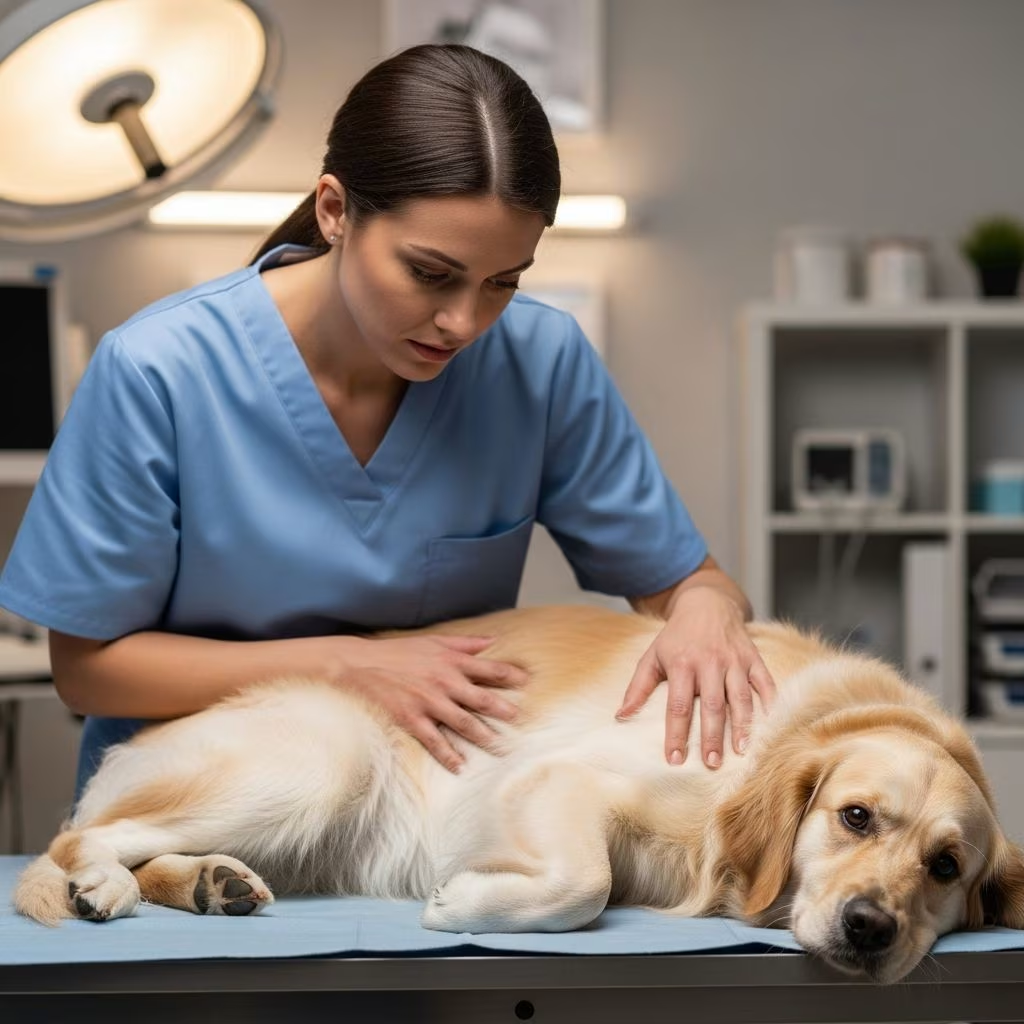
Miscarriage in Dogs: Understanding Pregnancy Loss
Miscarriage, or spontaneous abortion, is a devastating experience for dog breeders and pet owners who have planned for a pregnancy. While miscarriages are relatively uncommon in dogs compared to humans, understanding the causes, recognizing the signs, and knowing when to seek veterinary care are essential for protecting the health of your pregnant dog. This comprehensive guide explores the various aspects of canine pregnancy loss, including its causes, clinical presentations, diagnostic procedures, treatment options, and prevention strategies.
What Causes Miscarriage in Dogs?
Pregnancy loss in dogs can result from various medical and environmental factors. Understanding these causes can help dog owners and breeders take preventive measures and recognize potential problems early. The causes of canine miscarriage can be broadly categorized into infectious and non-infectious factors.
Infectious Causes
Infection is one of the most common causes of miscarriage in dogs. These infections can be viral, bacterial, or parasitic in nature. Brucella canis is a particularly concerning bacterial infection that can result in miscarriages and infertility, especially in late-stage pregnancies. This pathogen is transmitted through interstitial fluid during mating or through contact with birthing fluids of infected females. Other bacterial infections that may cause miscarriage include E. coli and Staphylococcus species, which can produce toxins that compromise pregnancy.
Viral infections pose another significant threat to canine pregnancies. Canine herpesvirus and canine parvovirus can result in fetal death in utero. Additionally, canine distemper virus has been associated with pregnancy loss in infected dogs. Parasitic infections, though less common, can also trigger miscarriage. Toxoplasma gondii and Neospora caninum are parasites that have been documented as causes of pregnancy loss in dogs. Neospora caninum, in particular, can be transmitted through contaminated water, food, or infected animal flesh.
Non-Infectious Causes
Beyond infections, hormonal imbalances represent a significant non-infectious cause of miscarriage. Progesterone is a critical hormone required for maintaining normal pregnancy in dogs. When progesterone levels become insufficiently low, spontaneous abortion can occur. This hormonal deficiency may result from medications administered to the dog, or from maternal and placental factors that affect hormone production. Additionally, mycotic (fungal) infections of the uterus can cause excessive bleeding and lead to fetal loss.
Other potential non-infectious factors include physical trauma, underlying uterine diseases, fetal abnormalities, and anatomical problems that prevent proper fetal development. In many cases, the specific cause remains unidentified, which underscores the importance of thorough veterinary evaluation when miscarriage is suspected.
Clinical Signs of Miscarriage
Recognizing the signs of miscarriage is crucial for prompt veterinary intervention. However, it is important to note that many miscarriages go unnoticed, particularly early pregnancy losses. The presentation of clinical signs depends on the stage of pregnancy at which the miscarriage occurs.
Early-Stage Miscarriage Signs
In many cases, early miscarriages result in embryo resorption with no outward signs. These pregnancy losses are typically only detected if pregnancy was confirmed through an early ultrasound, and a subsequent ultrasound reveals no viable pregnancy. Pet owners may not suspect any problem if they were unaware of the pregnancy.
Later-Term Miscarriage Signs
Later-term miscarriages may present with more noticeable clinical signs, though some dogs may remain asymptomatic. The most common observable sign of miscarriage is abnormal vaginal discharge. Normal discharge during pregnancy (typically around days 30-35 of gestation) may be clear to mucoid and pink-tinged without odor. Abnormal discharge indicating potential miscarriage includes:
- Bloody discharge
- Brown, green, or black-colored discharge
- Pus-colored discharge
- Malodorous discharge
- Discharge containing visible fetal tissue or recognizable fetus parts
Additional clinical signs that may accompany miscarriage or infection include:
- Abdominal pain or cramping – The dog may exhibit signs of discomfort or distension
- Fever – Elevated body temperature often indicates infection
- Lethargy – The dog may appear depressed, weak, or unusually tired
- Reduced appetite – Loss of interest in food
- Premature milk production – The mammary glands may begin producing milk before the expected due date
- Nesting or labor behavior – The dog may exhibit labor-like symptoms when not near the whelping date
- Vomiting – Some dogs may experience gastrointestinal upset
- Delivery of stillborn puppies – In some cases, the dog may go into contractions and deliver deceased puppies
Any combination of these signs during pregnancy warrants immediate veterinary attention to assess the health of both the mother and any remaining fetuses.
Diagnosis of Miscarriage
Accurate diagnosis is essential for determining the underlying cause of pregnancy loss and guiding appropriate treatment. Veterinarians employ multiple diagnostic techniques to confirm miscarriage and identify contributing factors.
Ultrasound Examination
Ultrasound imaging is a primary diagnostic tool for assessing fetal viability and detecting pregnancy loss. A veterinarian can use ultrasound to determine if any living puppies remain in the uterus following suspected miscarriage. This imaging technique also helps identify retained placental tissue or other pregnancy matter that the uterus may be unable to expel on its own, as incomplete expulsion can lead to infection or internal hemorrhaging.
Blood Tests
Blood tests serve multiple diagnostic purposes in miscarriage evaluation. These tests can:
- Detect the presence of parasites or specific bacterial infections such as Brucella canis
- Measure progesterone levels to identify hormonal imbalances
- Identify systemic infections through complete blood count and biochemistry panels
- Assess overall maternal health status
Additional Diagnostic Methods
Veterinarians may also perform vaginal cytology and culture samples to identify bacterial or fungal infections. Physical examination of the reproductive tract helps detect uterine abnormalities or signs of infection. In cases where infection is suspected, specific testing for common pathogens may be recommended. If aborted fetuses or tissue are available, these can be analyzed to determine the cause of pregnancy loss.
Treatment Options for Miscarriage
Treatment strategies for miscarriage in dogs depend on the underlying cause, the stage of pregnancy, and whether any viable fetuses remain. A comprehensive veterinary evaluation guides the most appropriate treatment approach.
Treating Infections
When infection is suspected or confirmed, particularly if the dog develops a fever during pregnancy, immediate treatment is warranted. Infected dogs are typically treated with intravenous (IV) fluids and injectable antibiotics. This aggressive treatment approach may prevent miscarriage if initiated early enough, or if miscarriage has already occurred, it helps prevent more severe medical complications for the mother. Antibiotic therapy targets the specific pathogen identified through diagnostic testing.
Hormonal Supplementation
If hormonal imbalances, particularly low progesterone levels, are suspected or confirmed through blood testing, progesterone supplementation may be recommended. This medication is administered daily throughout pregnancy until shortly before the expected due date. Progesterone supplementation helps maintain appropriate hormone levels necessary to support the pregnancy. However, this medication requires careful monitoring to prevent complications and should only be administered under veterinary supervision.
Supportive Care
Regardless of the underlying cause, supportive care plays a vital role in managing miscarriage. This includes:
- Fluid therapy to maintain hydration and electrolyte balance
- Nutritional support tailored to the pregnant dog’s needs
- Pain management if the dog experiences abdominal discomfort
- Monitoring for complications such as infection or hemorrhage
Surgical Intervention
In severe cases where the uterus cannot expel retained pregnancy material, or if complications such as uterine rupture or severe infection develop, surgical intervention may become necessary. This may include uterine evacuation or, in extreme cases, ovariohysterectomy (spaying).
Management Following Miscarriage
Post-miscarriage management is crucial for the dog’s recovery and future reproductive success. Following a miscarriage, there may be considerable discomfort and some vaginal bleeding or abnormal discharge for a period of time. Long-term bacterial issues can occasionally arise after pregnancy loss.
Pet owners should carefully observe their dog’s behavior to ensure no serious problems develop. This monitoring should continue for several weeks following the miscarriage. Regular veterinary check-ups help ensure proper recovery and rule out complications such as retained placental tissue or chronic infections.
For dogs with documented infectious causes of miscarriage (with the exception of Brucella canis and possibly herpesvirus), most bitches develop immunity to the causative agent and subsequently reproduce normally in future pregnancies. However, dogs with Brucella canis infection may experience ongoing fertility issues and should not be bred.
Prevention of Miscarriage
While not all miscarriages can be prevented, several strategies can significantly reduce the risk of pregnancy loss. These preventive measures should ideally be implemented before breeding occurs.
Pre-Breeding Health Screenings
Comprehensive health screening before breeding is fundamental to prevention. This should include testing for Brucella canis, particularly for valuable breeding stock. Screening for other infectious agents and assessment of overall reproductive health helps identify potential problems before pregnancy occurs.
Maintaining Proper Nutrition
Providing proper nutrition before, during, and after pregnancy supports fetal development and maternal health. A balanced diet formulated for pregnant and nursing dogs ensures adequate caloric intake, vitamins, and minerals. Nutritional deficiencies can compromise pregnancy maintenance and fetal development.
Stress Reduction
Environmental stress can negatively impact pregnancy maintenance. Ensuring a calm, stress-free environment during pregnancy helps support normal gestation. Minimize exposure to novel situations, loud noises, and other stressors.
Regular Veterinary Monitoring
Ongoing veterinary care throughout pregnancy allows early detection of potential problems. Regular ultrasound examinations confirm fetal viability and allow monitoring of pregnancy progression. Veterinarians can also provide guidance on nutrition, exercise, and other aspects of pregnancy management.
Vaccination Considerations
Current vaccinations before breeding help protect against viral infections such as distemper and parvovirus. However, live vaccines should be avoided during pregnancy, as they may pose risks to the developing fetuses.
Frequently Asked Questions About Dog Miscarriage
Q: What are the most common signs of miscarriage in dogs?
A: The most common sign is abnormal vaginal discharge, which may be brown, green, black, or pus-colored. Other signs include fever, lethargy, abdominal pain, reduced appetite, and in some cases, delivery of stillborn puppies. Early miscarriages may show no obvious symptoms as the body often reabsorbs embryonic tissue.
Q: How is miscarriage diagnosed in dogs?
A: Veterinarians use ultrasound imaging to check for fetal viability, blood tests to measure hormone levels and detect infections, vaginal cytology and cultures, physical examination of the uterus, and specific testing for common infectious causes. If aborted tissue is available, it may be analyzed to determine the cause.
Q: Can miscarriage be prevented in dogs?
A: While not all miscarriages can be prevented, maintaining regular veterinary care, providing proper nutrition, ensuring a stress-free environment, conducting pre-breeding health screenings, and keeping vaccinations current all help reduce the risk of pregnancy loss.
Q: What should I do if I suspect my dog is having a miscarriage?
A: Contact your veterinarian immediately. Abnormal vaginal discharge, fever, abdominal pain, or other signs during pregnancy warrant prompt evaluation. Early intervention may help save remaining puppies and prevent complications for the mother.
Q: Can a dog become pregnant again after miscarriage?
A: In most cases, yes. Dogs that miscarry due to infectious causes (except Brucella canis and possibly herpesvirus) typically develop immunity and reproduce normally in future pregnancies. However, a period of recovery and veterinary clearance is recommended before attempting another pregnancy.
Q: Is Brucella canis a concern for humans?
A: Yes, Brucella canis can pose risks to humans. Pet owners of infected dogs should follow appropriate hygiene precautions and consult with their healthcare provider regarding potential exposure risks.
References
- VCA Animal Hospitals – Miscarriage in Dogs — VCA Inc. 2025. https://vcahospitals.com/know-your-pet/miscarriage-in-dogs
- Miscarriage in Dogs: Signs, Symptoms, Treatment — American Kennel Club (AKC). 2024. https://www.akc.org/expert-advice/dog-breeding/miscarriage-in-dogs/
- Miscarriage in Dogs – PetMD — PetMD LLC. 2024. https://www.petmd.com/dog/conditions/reproductive/c_dg_spontaneous_abortion_pregnancy_loss
- How to Know if Your Dog is Having a Miscarriage | FirstVet — FirstVet. 2024. https://firstvet.com/us/articles/miscarriage-in-dogs-symptoms-causes-and-treatments
- Understanding Dog Miscarriage: Causes, Signs, and Treatment — Pets Care. 2024. https://www.petscare.com/news/post/dog-miscarriage-causes-signs-treatments
- My Bitch Is Empty! An Overview of the Reasons for Pregnancy Loss in Dogs — National Center for Biotechnology Information (NCBI/NIH). 2024. https://pmc.ncbi.nlm.nih.gov/articles/PMC11860774/



