

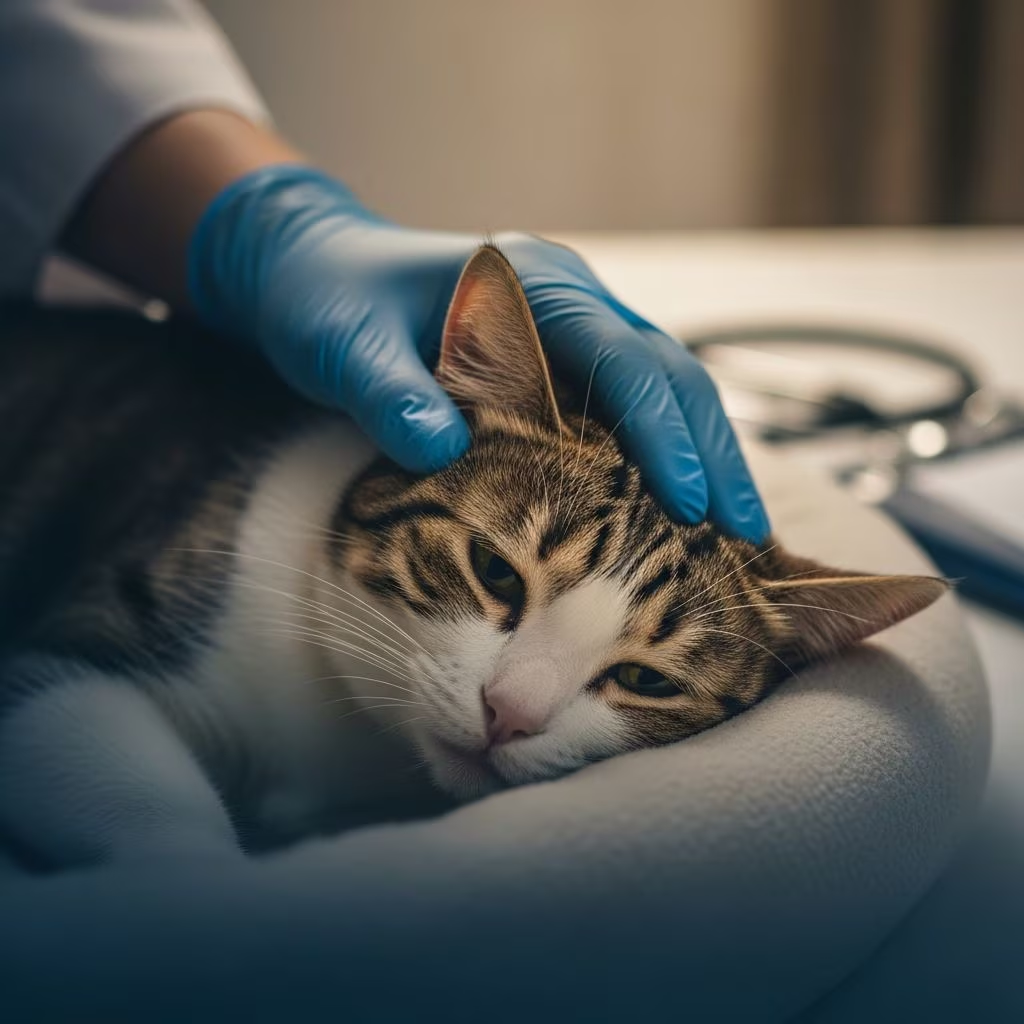
Miscarriage in Cats: Causes, Signs & Treatment
Miscarriage, or spontaneous abortion, is an unfortunate occurrence that can affect pregnant cats of any breed or age. Understanding the causes, recognizing the signs, and knowing when to seek veterinary care are crucial for cat owners who have breeding cats or who discover their cat is unexpectedly pregnant. This comprehensive guide covers everything you need to know about feline miscarriage to help you support your cat through this challenging situation.
What Causes Miscarriage in Cats?
Miscarriage in cats can result from various factors, ranging from infectious diseases to environmental stressors. The specific cause often determines the appropriate treatment and prevention strategies. Understanding these causes can help cat owners take preventive measures and respond appropriately when problems arise.
Viral Infections
Most feline miscarriages are caused by viral infections. Several viruses are particularly dangerous for pregnant cats, including Feline Leukemia Virus (FeLV), Feline Immunodeficiency Virus (FIV), Feline Herpes Virus (FHV), and Feline Infectious Peritonitis Virus (FIP). Female cats infected with these viruses face significantly higher miscarriage risks compared to uninfected cats. These viral infections can compromise the immune system and create an inhospitable environment for fetal development, often leading to pregnancy loss.
Bacterial Infections
Bacterial infections represent another common cause of miscarriage in cats. Chlamydia is the most frequently implicated bacterial pathogen, though other bacterial species can also contribute to pregnancy loss. Bacterial infections typically cause inflammation and infection within the reproductive tract, interfering with normal pregnancy maintenance and fetal development.
Hormonal Imbalances
Hormonal shifts and abnormalities play a significant role in feline miscarriage. Progesterone is the hormone primarily responsible for maintaining pregnancy in cats; insufficient levels of this critical hormone can lead to miscarriage. Low progesterone levels may result from maternal and placental factors or, in some cases, from medications such as those used in medically induced abortions. Additionally, conditions like thyroid problems and diabetes can interfere with proper hormone regulation and pregnancy maintenance.
Environmental and Physical Factors
Beyond infectious and hormonal causes, several environmental and physical factors can trigger miscarriage in cats. Trauma or injury to the pregnant cat can lead to pregnancy loss. Extreme stress, whether from environmental changes, loud noises, or household disruptions, may compromise pregnancy. Exposure to toxins—including household chemicals, pesticides, or contaminated food—poses serious risks to developing fetuses. Nutritional deficiencies also play a role; pregnant cats require enhanced nutrition to support fetal development, and inadequate diets may result in miscarriage.
Other Contributing Factors
Genetic abnormalities within the fetuses themselves can cause the pregnancy to terminate naturally. Parasitic infections, though less common, may also contribute to miscarriage. Fungal infections can cause excessive bleeding in the uterus and lead to fetal loss.
Recognizing the Clinical Signs of Miscarriage
Early detection of miscarriage symptoms allows for prompt veterinary intervention and appropriate care. However, cat owners should understand that many miscarriages occur without visible signs, particularly in early pregnancy.
Visible and Physical Symptoms
In many cases, there are no visible signs of miscarriage, particularly with early pregnancy loss. Early miscarriages typically result in embryo resorption with no outward signs and are only detected if pregnancy was confirmed on an early ultrasound and a later ultrasound shows no viable pregnancy. Later-term miscarriages may produce noticeable symptoms, though some cats remain asymptomatic even after losing their pregnancy.
When symptoms do appear, abnormal vaginal discharge is among the most common indicators. This discharge may appear brown, green, black, or pus-colored and may occur at any time during pregnancy. Extended, chronic vaginal bleeding is particularly common; because cats are fastidious self-groomers, owners often struggle to detect this bleeding before it becomes noticeable. Some cats may show sudden expulsion of fetuses, sometimes accompanied by bleeding or additional discharge.
Systemic Symptoms
Beyond vaginal discharge, cats experiencing miscarriage may display fever, which often indicates an underlying infection. Abdominal pain or discomfort is another potential sign, with affected cats showing sensitivity to touch around the abdomen. Lethargy and loss of appetite are common behavioral indicators; the cat may become uninterested in food and refuse to eat or drink. Some cats may show signs of distress such as labored breathing or actual uterine contractions and delivery of stillborn kittens.
Behavioral Changes
Cats experiencing miscarriage may exhibit behavioral changes that precede or accompany physical symptoms. Affected cats might become withdrawn, appearing less social or interactive than usual. They may display signs of distress or unusual behaviors not typical for that individual cat. These behavioral changes often signal that something is medically wrong and warrant immediate veterinary attention.
Diagnosis of Feline Miscarriage
Veterinary diagnosis confirms miscarriage and identifies the underlying cause through multiple diagnostic approaches. Your veterinarian will perform a thorough physical examination, checking for signs of infection, fever, abdominal pain, or other abnormalities. Ultrasound imaging is particularly valuable, as it can confirm whether a previously viable pregnancy is no longer developing or has resulted in fetal loss. Blood tests may be performed to evaluate progesterone levels, check for infections, assess organ function, and screen for viral diseases like FeLV, FIV, and FIP. These diagnostic tools together help determine the specific cause of miscarriage and guide appropriate treatment decisions.
Treatment and Prevention Strategies
Treatment approaches vary depending on the underlying cause and the stage of pregnancy loss. Effective management requires careful veterinary oversight and often combines multiple therapeutic approaches.
Treating Infections
If a cat develops a fever during pregnancy, it likely indicates an infection requiring immediate treatment. Infections are typically managed with intravenous (IV) fluids and injectable antibiotics. This treatment approach serves two purposes: preventing miscarriage in cases where pregnancy may still be viable, or if miscarriage has already occurred, preventing more severe medical complications for the mother. Various antibiotics may be prescribed depending on the specific infection identified, such as Clavamox, Zeniquin, or other broad-spectrum options.
Addressing Hormonal Imbalances
When hormonal imbalances are suspected, particularly low progesterone levels, a progesterone supplement may be recommended. This medication is given daily until shortly before the expected due date to help maintain appropriate hormone levels to support pregnancy. Progesterone therapy often involves daily dosing with careful monitoring to prevent complications and ensure effectiveness. In cases where thyroid problems or diabetes contribute to miscarriage, treatment of these underlying conditions is essential to prevent future pregnancy losses.
Managing Retained Tissue
In cases where retained fetuses or placental tissue remain in the uterus, veterinarians may administer medications that cause uterine contractions to help eliminate the remaining tissue. These medications help prevent complications like infection or inflammation of the uterine lining.
Surgical Intervention
Emergency surgical options are available depending on the circumstances and the cat owner’s breeding plans. An emergency C-section with preservation of the reproductive organs may be performed for intentionally bred cats to save remaining viable kittens while maintaining the mother’s ability to breed in the future. For cats with no planned future breeding, a C-section combined with spay surgery (ovariohysterectomy or surgical removal of the ovaries and uterus) may be recommended. Spay or ovariohysterectomy is indicated for cats with primary disease of the uterus or those with no breeding value.
Supportive Care
Recovery from miscarriage requires comprehensive supportive care addressing both physical and emotional needs. Provide a quiet, comfortable recovery space away from household chaos and stress. Ensure proper nutrition and hydration with high-quality food and fresh water available at all times. Follow all veterinary instructions carefully, including medication administration and follow-up appointments. Monitor for any continuing symptoms or behavioral changes that might indicate complications.
Possible Complications
Understanding potential complications helps cat owners recognize when emergency veterinary care is needed. Generalized bacterial infection, known as sepsis, can develop after miscarriage and spread throughout the body. Shock may result from severe infection or hemorrhage. Uterine rupture represents a life-threatening emergency requiring immediate surgical intervention. Peritonitis, inflammation of the lining of the abdomen, can occur if infected or necrotic tissue leaks into the abdominal cavity. Long-term bacterial issues may arise following miscarriage, requiring careful observation and potentially prolonged treatment.
Prevention and Best Practices
While not all miscarriages can be prevented, several strategies reduce the risk of pregnancy loss in cats. Ensure your cat receives regular veterinary care and is tested for FeLV, FIV, and other infectious diseases before breeding. Maintain up-to-date vaccinations to prevent viral infections. Provide excellent nutrition formulated for pregnant and nursing cats, with appropriate caloric intake and essential nutrients. Create a safe, stress-free environment for your pregnant cat, minimizing exposure to loud noises, environmental toxins, and physical trauma. Keep pregnant cats indoors to reduce exposure to infectious diseases and environmental hazards. Maintain good hygiene in your cat’s living environment to reduce bacterial contamination.
Frequently Asked Questions
Q: What are the most common signs of miscarriage in cats?
A: The most common observable sign is abnormal vaginal discharge that may be brown, green, black, or pus-colored. Other signs include fever, abdominal pain, lethargy, loss of appetite, and behavioral changes such as withdrawal or distress. However, many early miscarriages occur without any visible signs.
Q: Can miscarriage in cats be prevented?
A: While not all miscarriages can be prevented, maintaining good overall health, proper nutrition, regular veterinary care, up-to-date vaccinations, and a safe, stress-free environment can significantly reduce the risk of pregnancy loss.
Q: Should I take my cat to the vet if I suspect a miscarriage?
A: Yes, immediate veterinary care is essential. Your veterinarian will perform physical examinations, ultrasound imaging, and possibly blood tests to confirm miscarriage, determine its cause, and develop an appropriate treatment plan to prevent complications.
Q: What will the veterinarian do to treat a miscarriage?
A: Treatment depends on the underlying cause and may include IV fluids and injectable antibiotics for infections, progesterone supplements for hormonal imbalances, medications to expel retained tissue, or in some cases, surgical intervention.
Q: How should I care for my cat after miscarriage?
A: Provide a quiet, comfortable recovery space, ensure proper nutrition and hydration, follow all veterinary instructions carefully, and monitor for any continuing symptoms or behavioral changes that might indicate complications.
Q: What is the difference between early and late miscarriage in cats?
A: Early miscarriages typically result in embryo resorption with no outward signs and are only detected through ultrasound. Later-term miscarriages may produce clinical signs such as vaginal discharge, fever, or delivery of stillborn kittens, though some cats remain asymptomatic.
Q: Can a cat get pregnant again after miscarriage?
A: Most cats can become pregnant again after recovery from miscarriage, provided the underlying cause has been identified and treated. Your veterinarian will advise on the appropriate timing for future breeding attempts.
References
- Understanding Cat Miscarriage: Causes, Symptoms, and Care Guide — PetsCare. 2024. https://www.petscare.com/news/post/understanding-cat-miscarriage-guide
- Miscarriage in Cats: A Detailed Guide — PetCareRx. https://www.petcarerx.com/article/miscarriage-in-cats-a-detailed-guide/6786
- Did My Cat Have a Miscarriage? – Symptoms, Causes, and Treatments — FirstVet. https://firstvet.com/us/articles/miscarriage-in-cats-symptoms-causes-and-treatments
- Spontaneous Abortion and Pregnancy Loss in Cats — Apple Valley Veterinary Clinic. https://www.applevalley.vet/sites/site-4271/documents/Spontaneous%20pregnancy%20loss%20cats.pdf
- Miscarriage in Cats — VCA Animal Hospitals. https://vcahospitals.com/know-your-pet/miscarriage-in-cats
- Miscarriage in Cats – PetMD — PetMD. https://www.petmd.com/cat/conditions/reproductive/c_ct_abortion_spontaneous_pregnancy_loss



