

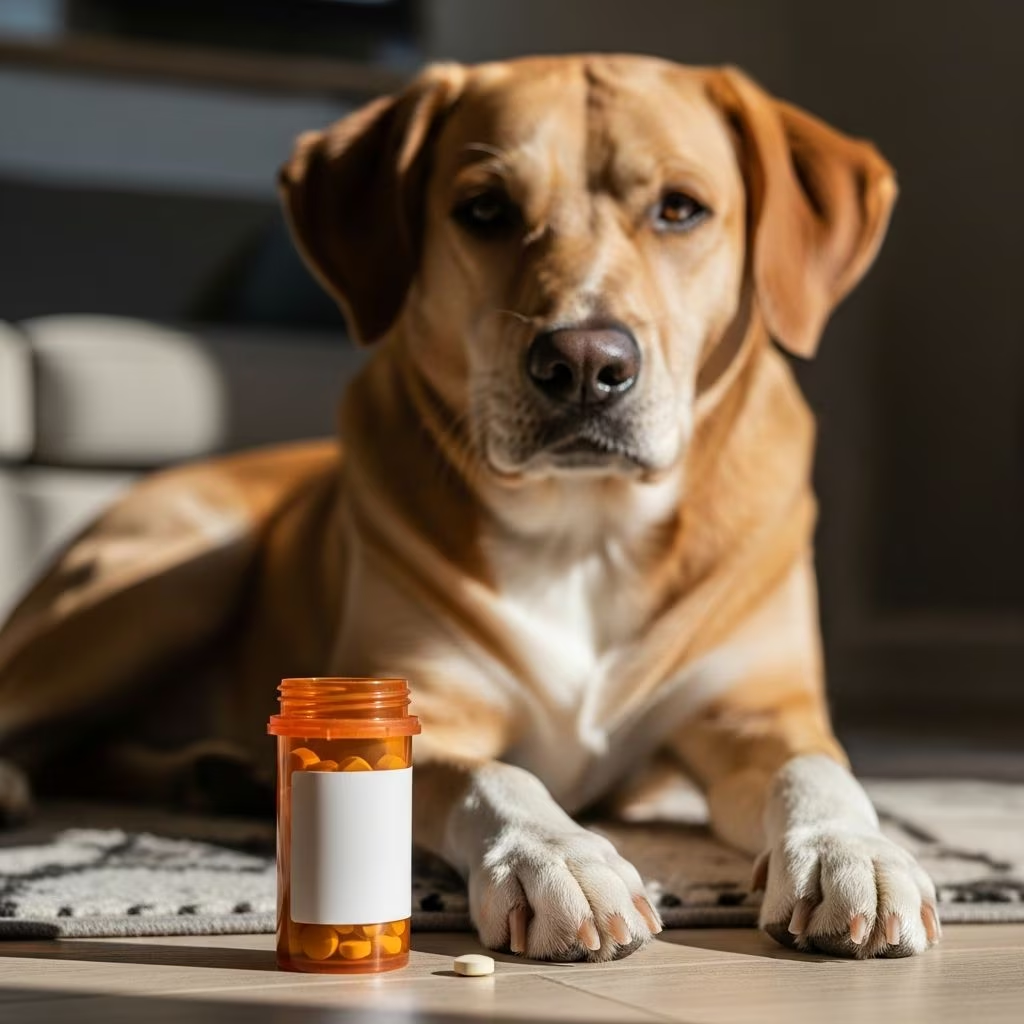
Mirtazapine has gained recognition within veterinary medicine as a therapeutic option for addressing appetite loss and nausea-related complications in dogs. Originally developed as an antidepressant medication for human use, this pharmaceutical agent has demonstrated promising results when applied to companion animals experiencing eating difficulties or gastrointestinal distress. While the drug shows considerable efficacy, its application in dogs differs from its well-established use in feline medicine, presenting both opportunities and limitations for veterinary practitioners.
The Mechanism Behind Mirtazapine’s Therapeutic Effects
Mirtazapine functions by modulating neurotransmitter activity within the central and peripheral nervous systems. The drug operates through antagonism of specific serotonin and noradrenergic receptors, which produces multiple physiological effects beyond simple appetite stimulation. When administered to dogs, mirtazapine influences signaling pathways that communicate between the digestive tract and the brain’s regulatory centers, particularly those governing hunger perception and nausea reflexes.
The exact mechanism by which mirtazapine enhances appetite in dogs remains incompletely understood, though researchers postulate that the drug’s effects on monoamine neurotransmitters create conditions that increase feeding drive. This neurochemical rebalancing appears to bypass the underlying causes of inappetence, instead generating a heightened desire to consume food even when the animal experiences concurrent illness or discomfort.
Primary Therapeutic Applications in Dogs
Appetite Stimulation in Anorectic Patients
The most common veterinary application of mirtazapine involves treating dogs with diminished or absent appetite. Dogs may refuse food for numerous reasons, including acute illness, chronic disease progression, post-surgical complications, stress-related anxiety, separation-induced behavioral responses, chronic pain conditions, or dental pathology. Regardless of the underlying etiology, mirtazapine addresses the symptom of reduced food intake by promoting hunger sensations.
Anecdotal clinical experience suggests that mirtazapine effectively encourages eating in dogs that would otherwise abstain from food consumption. The medication proves particularly valuable when appetite loss threatens nutritional status during critical illness phases or when extended recovery periods require sustained caloric intake. By stimulating eating behavior, mirtazapine supports nutritional management without requiring invasive feeding interventions such as feeding tubes.
Management of Nausea and Vomiting
Beyond appetite enhancement, mirtazapine possesses antiemetic properties that benefit dogs experiencing nausea-induced vomiting episodes. The drug accomplishes this through receptor antagonism that disrupts neural signaling between the digestive system and the brain’s chemoreceptor trigger zone. This interruption in nausea signal transmission reduces the gagging reflex and decreases the frequency of vomiting episodes, thereby improving the animal’s general comfort.
Dogs experiencing nausea frequently resist eating even when hungry, creating a vicious cycle of reduced nutritional intake and progressive weight loss. By simultaneously reducing nausea sensations and stimulating appetite, mirtazapine addresses multiple barriers to adequate nutrition in affected animals.
Gastrointestinal Motility Enhancement
Research conducted in laboratory settings has documented prokinetic effects of mirtazapine in healthy canine subjects. When administered at specific dosing levels, the drug demonstrates the capacity to improve gastric emptying rates and enhance colonic motility patterns. This prokinetic action facilitates movement of ingested material through the digestive tract, potentially reducing symptoms associated with delayed gastric emptying or constipation. However, clinical application of this prokinetic effect in symptomatic dogs requires further investigative study to establish practical benefits and optimal dosing parameters.
Dosage Guidelines and Administration Protocols
Recommended Dosing Ranges
The standard veterinary dosage for mirtazapine in dogs encompasses a range of 0.6 to 1.3 milligrams per kilogram of body weight, administered orally every 24 hours, with a maximum daily dose not exceeding 30 milligrams. However, the literature on canine mirtazapine use remains limited compared to feline applications, and veterinary dosing recommendations often derive from extrapolation of feline protocols and human pharmacokinetic data.
The following table provides general guidance for weight-based dosing in dogs:
| Dog Weight Range | Approximate Daily Dose |
|---|---|
| 6-11 pounds | 3.75 mg once daily |
| 12-29 pounds | 7.5 mg once daily |
| 30-54 pounds | 15 mg once daily |
| 55-75 pounds | 22 mg once daily |
| Over 75 pounds | 15-30 mg once or twice daily |
These dosing recommendations serve as general guidance; individual veterinarians may adjust doses based on patient-specific factors including age, concurrent medical conditions, hepatic or renal function status, and observed response to therapy.
Dosing Frequency Considerations
Established protocols recommend administering mirtazapine once every 24 hours in dogs for most clinical applications. Some veterinary practitioners suggest dosing intervals of 12 hours in specific scenarios, though comparative effectiveness data distinguishing between once-daily and twice-daily regimens in canine patients remains unavailable. The choice of dosing frequency should reflect individual patient needs and veterinary professional judgment.
Pharmacokinetic Characteristics in Dogs
The body’s processing of mirtazapine differs between healthy dogs and those with organ dysfunction. In young, healthy dogs, the medication exhibits a relatively brief half-life of approximately six hours, with peak serum concentrations achieved within roughly one hour of oral administration. This rapid absorption and metabolism pattern necessitates regular dosing to maintain therapeutic drug levels.
The pharmacokinetic profile changes substantially in dogs with hepatic insufficiency or renal disease. As with humans, dogs experiencing liver or kidney dysfunction demonstrate prolonged drug elimination, resulting in higher sustained blood concentrations and increased risk of adverse effects. Veterinarians managing dogs with compromised organ function must exercise heightened caution and may require dose reduction, though specific adjustment guidelines for canine patients with organ impairment remain underdeveloped in the scientific literature.
Adverse Effects and Safety Considerations
Common Side Effects
Mirtazapine generally demonstrates good tolerability in dogs, though comprehensive safety data remains limited compared to feline medicine. Commonly observed adverse effects include drowsiness, sedation, loss of motor coordination, drooling, behavioral changes such as agitation or restlessness, tremors, decreased energy levels, hypotension, and tachycardia.
Most side effects represent extensions of the drug’s intended pharmacological actions. Sedation and drowsiness result directly from the medication’s central nervous system effects, while cardiovascular changes reflect alterations in autonomic nervous system signaling. These effects typically emerge shortly after dose administration and diminish as the drug is metabolized.
Contraindications and Drug Interactions
Mirtazapine should not be administered to dogs with documented hypersensitivity to the drug itself. Additionally, concurrent use with certain medications creates contraindications due to dangerous pharmacological interactions. Specifically, dogs receiving linezolid, selegiline, or amitraz should not be treated with mirtazapine, as these combinations risk serious adverse outcomes.
Dogs with hepatic disease represent a population requiring cautious application of mirtazapine, as compromised liver function impairs the drug’s metabolism and increases systemic concentrations. Although specific dosage adjustments have not been formally studied in dogs with liver disease, veterinarians should consider dose reduction in affected patients and monitor more frequently for signs of toxicity.
Allergic Reactions and Serious Adverse Events
Although uncommon, dogs may develop allergic responses to mirtazapine. Clinical signs of hypersensitivity include breathing difficulties, hives, and swelling of facial structures including the lips, tongue, or muzzle. Any dog displaying such signs should receive immediate veterinary attention, and mirtazapine administration should cease permanently.
Off-Label Status and Research Limitations
Mirtazapine’s use in dogs constitutes off-label medication administration, meaning the drug has not received formal approval by regulatory authorities specifically for canine therapeutic application. Veterinarians may legally prescribe off-label medications when they determine such use to be in the patient’s best interest and after informed discussion with pet owners regarding the drug’s unapproved status in dogs.
The off-label designation reflects the substantial difference in research depth between canine and feline applications. While mirtazapine has been extensively studied in cats with conditions such as chronic kidney disease, comparable prospective clinical trials in dogs remain absent. Consequently, veterinary practitioners base many canine dosing and safety decisions on extrapolation from feline studies, human pharmacology, and accumulated clinical experience rather than dog-specific scientific evidence.
Long-Term Use and Continuous Administration
Dogs tolerate long-term daily mirtazapine administration without documented evidence of cumulative toxicity or diminishing therapeutic efficacy. Human patients have safely used mirtazapine continuously for extended periods ranging from months to years, and veterinarians report similar patterns in canine patients without specific time-related limitations on treatment duration.
The decision to continue mirtazapine therapy should be reassessed periodically to ensure continued clinical benefit and appropriateness of ongoing treatment. Dogs initially prescribed mirtazapine for acute illness-related appetite loss may eventually recover normal eating function and require discontinuation of the medication, while dogs with chronic conditions may benefit from extended or indefinite therapy.
Special Populations and Treatment Considerations
Geriatric Dogs
Older dogs may exhibit altered pharmacokinetics compared to younger animals, potentially necessitating dose adjustments. Age-related changes in hepatic and renal function can prolong drug elimination, and concurrent medications common in geriatric patients increase interaction risks.
Dogs with Concurrent Medical Conditions
Dogs suffering from multiple simultaneous conditions require individualized mirtazapine protocols. Animals with cardiac disease may show heightened sensitivity to the drug’s cardiovascular effects, while those with neurological conditions might experience exacerbation of certain symptoms through mirtazapine’s central nervous system activity.
Alternative and Complementary Approaches
While mirtazapine offers a valuable pharmacological tool for appetite stimulation, veterinarians often employ complementary strategies simultaneously. Nutritional management modifications, treatment of underlying conditions, environmental enrichment, and behavioral modification techniques frequently accompany mirtazapine therapy to optimize outcomes. Some dogs respond adequately to non-pharmacological appetite enhancement methods alone, while others require pharmaceutical support for adequate intake.
Frequently Asked Questions
How quickly does mirtazapine take effect in dogs?
Mirtazapine achieves peak serum concentrations within approximately one hour of oral administration. Dogs typically demonstrate observable appetite improvements within hours of receiving the medication, though the timeframe varies among individuals based on individual metabolism rates and disease states.
Can I discontinue mirtazapine abruptly?
While abrupt discontinuation of mirtazapine has not been formally studied in dogs, veterinary professionals generally recommend gradual tapering rather than sudden cessation, particularly after extended use periods. This approach minimizes potential rebound effects or appetite loss upon discontinuation.
What should I do if my dog misses a dose?
Dogs missing a single dose typically require no special intervention beyond administering the next scheduled dose at the regular time. Doubling doses or providing additional medication to compensate for a missed dose should be avoided unless specifically directed by the veterinarian.
Is mirtazapine effective for behavioral problems in dogs?
Some evidence suggests mirtazapine may benefit certain anxiety-related behavioral conditions, though research remains preliminary. Veterinarians occasionally prescribe mirtazapine for separation anxiety, inappropriate elimination, and other stress-associated behaviors, though appetite stimulation and nausea management remain the primary therapeutic applications.
References
- Mirtazapine in Cats & Dogs: Applications & Adverse Effects — Clinicians Brief, Jessica M. Quimby, DVM, PhD, DACVIM, The Ohio State University. 2018-05. https://www.cliniciansbrief.com/article/mirtazapine-applications-dosage-effects
- Mirtazapine for dogs: Dosage and safety — SingleCare Health Services. https://www.singlecare.com/blog/mirtazapine-for-dogs/
- Mirtazapine for Dogs and Cats — Wedgewood Pharmacy. https://www.wedgewood.com/medications/mirtazapine/
- Use of mirtazapine in the treatment of canine behaviour problems: A systematic review — British Veterinary Journal Online Library. https://bvajournals.onlinelibrary.wiley.com/doi/10.1002/vetr.3670
- Mirtazapine — VCA Animal Hospitals. https://vcahospitals.com/know-your-pet/mirtazapine



