

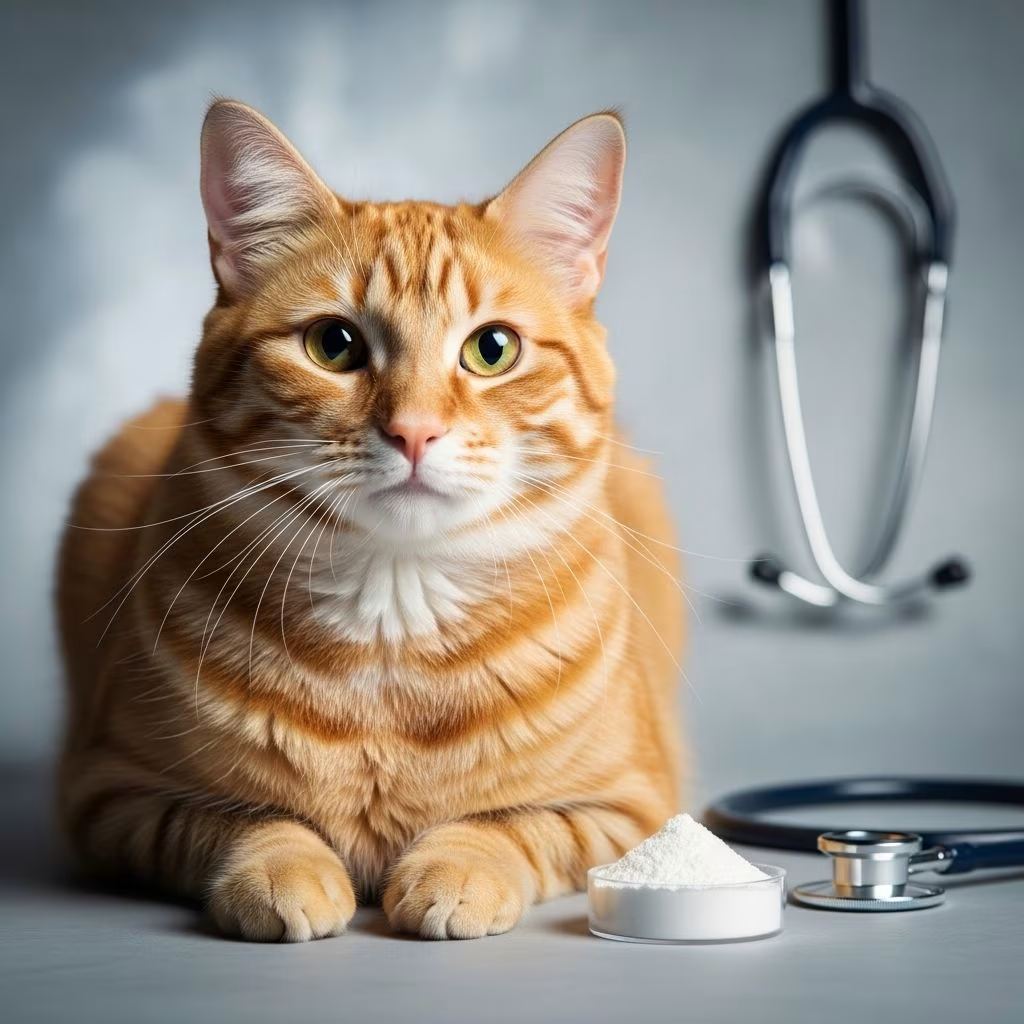
Constipation is a common issue in cats that can cause discomfort, straining, and even more serious health problems if left untreated. Many cat owners wonder if human laxatives like Miralax can help their feline friends. In this comprehensive guide, our veterinarian explains everything you need to know about using Miralax for cats, including its safety profile, proper dosages, potential side effects, administration tips, and when to seek professional veterinary care.
What Is Miralax?
Miralax, the brand name for polyethylene glycol 3350 (PEG 3350), is an over-the-counter osmotic laxative commonly used by humans to treat occasional constipation. Unlike stimulant laxatives that force intestinal contractions, Miralax works gently by drawing water into the colon, which softens the stool and promotes natural bowel movements without causing dependency or harsh cramping.
This tasteless, odorless powder dissolves easily in liquids and is widely available at pharmacies. While not FDA-approved specifically for veterinary use, it is frequently prescribed by veterinarians for cats due to its proven safety and efficacy in treating constipation. Research, including a study on healthy cats, confirms PEG 3350 is palatable and safe for long-term use when monitored appropriately.
Is Miralax Safe for Cats?
Yes, Miralax is generally safe for most cats when administered under veterinary guidance and at the appropriate dosage. Veterinarians like Dr. Bethany Hsia note that it effectively softens stool by hydrating the colon, making defecation easier for constipated cats. A peer-reviewed study published in the National Library of Medicine demonstrated that PEG 3350 with electrolytes was safe and well-tolerated in healthy cats over four weeks, with only minor, non-clinically significant changes in potassium levels.
However, safety is not universal. Miralax should be avoided or used with extreme caution in cats that are dehydrated, have kidney disease, gastrointestinal obstructions, rectal bleeding, bowel perforations, or toxic colitis. Cats on diuretics, other laxatives, or certain medications like opioids, tricyclic antidepressants, or atropine may experience interactions leading to dehydration or electrolyte imbalances. Pregnant, nursing, or breeding cats should only use it if explicitly approved by a vet, though many consider it safe.
Uses of Miralax for Cats
Miralax is primarily used to treat constipation in cats, a condition affecting up to 10-20% of felines, often due to dehydration, dietary issues, hairballs, or underlying diseases like megacolon or hyperthyroidism. It helps by:
- Softening hard, dry stool for easier passage.
- Promoting regular bowel movements in chronic cases.
- Emptying the intestines before diagnostic procedures like colonoscopies or X-rays.
- Preventing obstipation (severe, intractable constipation).
It’s not suitable for acute diarrhea or as a first-line treatment without vet approval. Always address underlying causes, such as increasing water intake, dietary fiber, or hairball remedies alongside Miralax.
Miralax Dosage for Cats
The standard veterinary-recommended dosage of Miralax for cats is 1/8 to 1/4 teaspoon (0.5-1 gram) once or twice daily, mixed into food or water. This equates to about 1/8 tsp every 12 hours for most adult cats, adjusted based on size, severity of constipation, and response.
| Cat Size/Condition | Recommended Dosage | Frequency |
|---|---|---|
| Small/Adult Cat (average 8-10 lbs) | 1/8 tsp | 1-2 times daily |
| Larger Cat (>12 lbs) or Severe Cases | 1/4 tsp | 1-2 times daily |
| Kittens (under vet supervision) | 1/16-1/8 tsp | Once daily |
Treatment duration varies: 2-3 days for mild cases, up to 3 weeks for chronic issues, but never exceed without vet re-evaluation to avoid dependency or complications. Measure precisely using a 1/8 tsp measuring spoon for accuracy.
How to Give Miralax to Cats
Administering Miralax is straightforward and cat-friendly:
- Dissolve the powder in 1-2 tsp of warm water or low-sodium chicken broth to ensure it fully mixes.
- Stir into wet food, canned pumpkin, or a favorite treat. The small dose rarely alters flavor, making it ideal for picky eaters.
- For pill-averse cats, use a syringe to squirt the solution into the cheek pouch.
- Monitor litter box habits post-dose; expect results in 12-48 hours.
No tapering is needed upon discontinuation once bowel movements normalize. If a dose is missed, give it at the next meal or double up once daily if approved by your vet—missing doses is safe but may prolong constipation.
Side Effects of Miralax in Cats
While generally well-tolerated, Miralax can cause side effects, primarily related to its water-drawing mechanism:
Common Side Effects
- Diarrhea or loose stools.
- Gas and bloating.
- Mild abdominal cramping or discomfort.
- Nausea (drooling, reduced appetite).
Serious Side Effects (Seek Vet Immediately)
- Vomiting.
- Dehydration (sunken eyes, sticky gums, skin tenting, lethargy).
- Electrolyte imbalances (low sodium, high potassium).
- Increased thirst or reduced urine output.
Long-term use may lead to hyperkalemia or dehydration, as noted in studies, so regular vet check-ups with bloodwork are essential. If side effects occur, stop use and contact your vet.
Can Cats Overdose on Miralax?
Overdose is possible if dosages exceed recommendations, leading to severe diarrhea, dehydration, lethargy, sunken eyes, dry gums, and decreased urination. The primary risk is excessive water loss from the colon. Treatment involves fluids, electrolytes, and supportive care. Always start low and monitor closely—never self-dose without vet approval.
Drug Interactions and Contraindications
Miralax may interact with:
- Other laxatives or stool softeners (increased dehydration risk).
- Diuretics (worsens fluid loss).
- Opioids, tricyclic antidepressants, or atropine (altered gut motility).
Inform your vet of all medications. Contraindications include dehydration, kidney disease, GI blockages, or perforation.
When to See a Vet for Cat Constipation
Don’t rely solely on Miralax. Seek immediate veterinary care if your cat:
- Strains without producing stool for 2-3 days.
- Passes no stool in over 48 hours or only small, hard pellets.
- Shows vomiting, lethargy, appetite loss, or blood in stool.
- Has a distended abdomen or cries in pain.
Chronic constipation may signal megacolon, tumors, or thyroid issues requiring diagnostics like X-rays or blood tests.
Alternatives to Miralax for Cat Constipation
Non-Drug Options:
- Increase wet food and water intake (fountains encourage drinking).
- Add fiber: Canned pumpkin (1-2 tsp daily), psyllium husk.
- Probiotics for gut health.
Other Medications: Lactulose, cisapride, or enemas under vet supervision.
Frequently Asked Questions (FAQs)
Can I give my cat Miralax every day?
Short-term daily use is fine, but long-term requires vet monitoring to prevent electrolyte issues. Studies support up to 4 weeks in healthy cats.
How long does Miralax take to work in cats?
Mild cases: 12-24 hours. Severe: 1-3 days. If no stool in 2-3 days, seek emergency care.
What if my cat misses a dose of Miralax?
Safe to skip; give next dose normally or double once daily per vet advice. No withdrawal needed.
Is Miralax the same as a stimulant laxative for cats?
No, Miralax is osmotic, not stimulant, avoiding harsh contractions.
Can kittens take Miralax?
Only under vet guidance at reduced doses (1/16-1/8 tsp).
References
- MiraLAX for cats: Uses, dosage, and side effects — SingleCare. 2023. https://www.singlecare.com/blog/miralax-for-cats/
- Miralax for Cats: Our Vet Explains Dosages, Uses & Side Effects — Catster. 2023. https://www.catster.com/ask-the-vet/miralax-for-cats/
- Polyethylene Glycol 3350 (MiraLAX®) for Dogs and Cats — PetPlace. 2023. https://www.petplace.com/article/cats/drug-library/polyethylene-glycol-3350-miralax-for-dogs-and-cats
- Safety and Palatability of Polyethylene Glycol 3350 as an Oral Laxative in Healthy Cats — National Library of Medicine (PMC). 2024-01-15. https://pmc.ncbi.nlm.nih.gov/articles/PMC10832764/



