

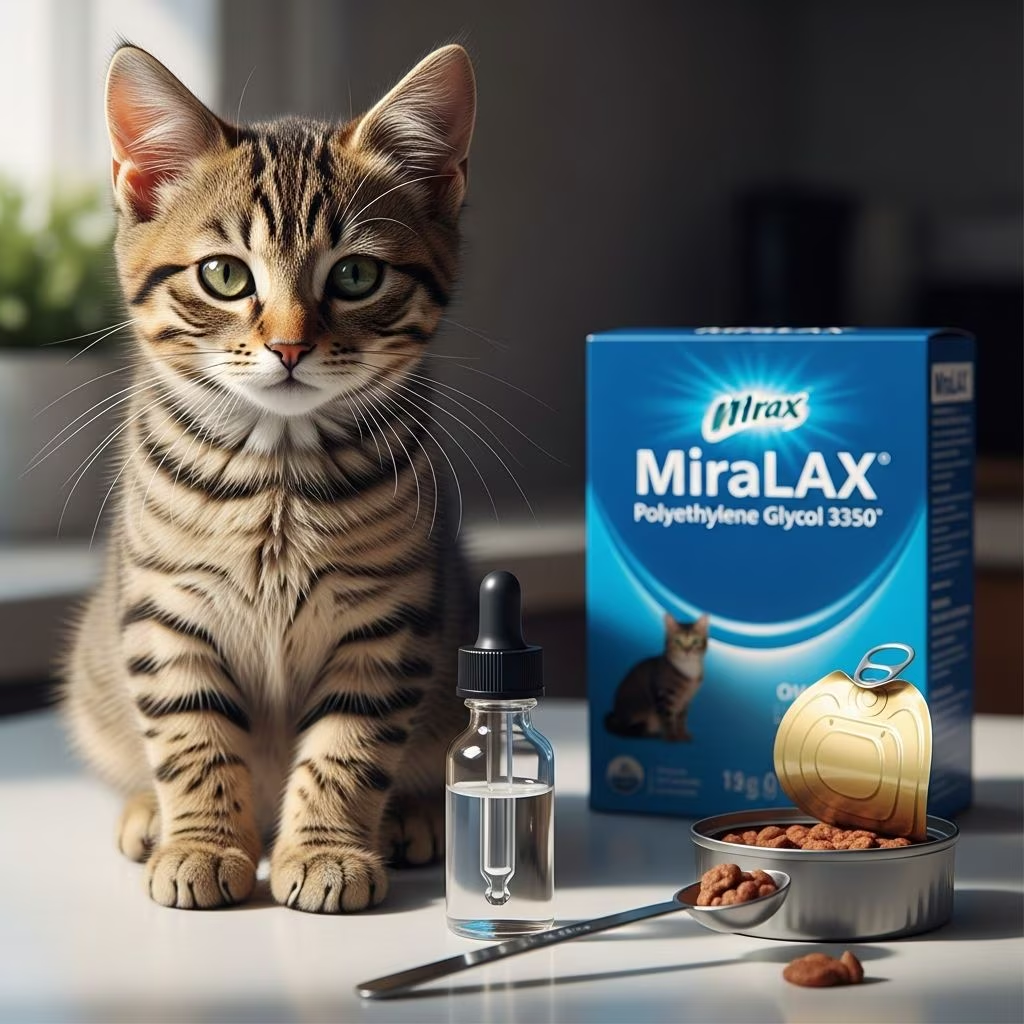
Polyethylene glycol 3350, commonly known as MiraLAX, serves as an effective over-the-counter remedy for constipation in cats by drawing water into the intestines to soften stool. Veterinary professionals often recommend it for short-term use under supervision to ensure safety and proper dosing tailored to the cat’s needs.
Understanding Constipation in Felines
Constipation affects many cats, causing discomfort from infrequent or difficult bowel movements, often linked to dehydration, dietary issues, or underlying medical conditions. Unlike humans, cats are prone to chronic constipation due to their low water intake and grooming habits that lead to hairballs. Recognizing signs like straining in the litter box, hard dry stools, or reduced appetite prompts timely intervention to prevent complications such as megacolon.
- Straining or crying during defecation
- Small, hard pellets of stool
- Lethargy or decreased appetite
- Vomiting from backed-up bowels
- Loss of litter box use
Early detection allows for simple treatments like MiraLAX, avoiding more invasive procedures.
How MiraLAX Functions in Cats
MiraLAX operates as an osmotic laxative, pulling moisture from the body into the colon to hydrate and soften fecal matter, facilitating easier passage. This mechanism differs from stimulant laxatives, which can cause cramping, making it gentler for sensitive feline digestive systems. A study on six cats confirmed its tolerability over four weeks with minimal adverse reactions.
The powder dissolves easily without taste or odor, ideal for mixing into food or liquids without alerting picky eaters.
Veterinary Approval and Safety Profile
Veterinarians deem MiraLAX safe for most cats when dosed correctly, but it requires professional guidance to rule out contraindications. Avoid use in dehydrated animals, those with kidney disease, gastrointestinal obstructions, or bowel perforations, as it may exacerbate fluid loss or electrolyte imbalances. Cats on diuretics or with heart conditions need cautious administration.
| Condition | Safe to Use? | Reason |
|---|---|---|
| Dehydration | No | Risks further fluid loss |
| Kidney Disease | No | Can worsen electrolyte issues |
| GI Obstruction | No | May cause perforation |
| General Constipation | Yes | With vet approval |
Recommended Dosage Guidelines
The typical dose for cats is 1/8 to 1/4 teaspoon of MiraLAX powder once or twice daily, mixed into wet food or water. Duration varies from a few days for mild cases to up to three weeks for chronic issues, always per veterinary instructions. Never use human doses, as they far exceed feline needs.
- Start with 1/8 tsp for small or sensitive cats
- Increase to 1/4 tsp if no response after 24-48 hours
- Administer every 12 hours maximum
- Mix thoroughly in canned food for palatability
A peer-reviewed study supports its long-term safety and palatability in cats, noting good tolerance.
Step-by-Step Administration Tips
Administering MiraLAX correctly enhances efficacy and reduces stress:
- Consult your vet for personalized dosing based on weight and health.
- Measure precisely using a 1/8 tsp scoop.
- Blend into a small portion of wet food; the tasteless powder hides well.
- For liquid form, dissolve in 1-2 ml water via syringe if needed.
- Monitor litter box activity and stool consistency daily.
- Ensure ample fresh water and wet food to counter dehydration risks.
For severe cases or pre-endoscopy prep, vets may administer liquid solutions intravenously.
Potential Side Effects and Monitoring
Most cats tolerate MiraLAX well, but watch for mild effects like loose stools, gas, or abdominal discomfort. Serious signs include vomiting, lethargy, dehydration (sunken eyes, dry gums), or electrolyte shifts like low sodium or high potassium.
- Common: Diarrhea, cramping, nausea
- Serious: Vomiting, dehydration, electrolyte imbalance
Cease use and contact a vet if severe symptoms appear. Long-term use necessitates hydration support via canned diets.
Drug Interactions to Avoid
MiraLAX may interact with other laxatives, diuretics, opioids, tricyclic antidepressants, or atropine, heightening dehydration risks. Always disclose your cat’s full medication list to the veterinarian before starting.
Preventing Constipation Long-Term
Beyond MiraLAX, address root causes:
- Increase dietary moisture with wet food
- Add fiber sources like pumpkin puree (1/4 tsp daily)
- Promote exercise via toys and play
- Groom regularly to minimize hairballs
- Ensure multiple clean litter boxes
Regular vet check-ups identify issues like hyperthyroidism or tumors early.
When to Seek Emergency Vet Care
No improvement after 48 hours of MiraLAX, or signs like bloody stool, extreme lethargy, or no defecation for 3+ days warrant immediate attention. Diagnostic tools like X-rays or bloodwork pinpoint underlying problems.
FAQs on MiraLAX for Cats
Can all cats use MiraLAX?
Most can, but not those with dehydration, kidney issues, or GI blockages. Vet approval is essential.
How quickly does it work?
Effects appear in 12-48 hours by softening stool.
Is it safe for kittens?
Yes, in small doses under vet guidance, especially for constipation.
What if my cat overdoses?
Watch for dehydration signs like lethargy or dry gums; seek vet help immediately.
Can I use it daily long-term?
Up to weeks with monitoring; studies show safety, but vet oversight required.
Alternatives to MiraLAX
| Option | Use Case | Notes |
|---|---|---|
| Lactulose | Mild constipation | Sweet taste; may cause gas |
| Pumpkin | Fiber boost | Natural, daily addition |
| Cisapride | Chronic cases | Prescription motility drug |
| Enemas | Severe blockages | Vet-administered only |
Choose based on vet diagnosis for best results.
References
- MiraLAX for cats: Uses, dosage, and side effects — SingleCare. 2023. https://www.singlecare.com/blog/miralax-for-cats/
- Miralax for Cats: Is it Safe? — Great Pet Care. 2023. https://www.greatpetcare.com/pet-medication/miralax-for-cats/
- Polyethylene Glycol 3350 (MiraLAX®) for Dogs and Cats — PetPlace. 2023. https://www.petplace.com/article/cats/drug-library/polyethylene-glycol-3350-miralax-for-dogs-and-cats
- Polyethylene Glycol 3350 — VCA Animal Hospitals. 2023. https://vcahospitals.com/know-your-pet/polyethylene-glycol-3350
- Safety and Palatability of Polyethylene Glycol 3350 as an Oral Laxative in Cats — PMC (Peer-Reviewed). 2024. https://pmc.ncbi.nlm.nih.gov/articles/PMC10832764/



