

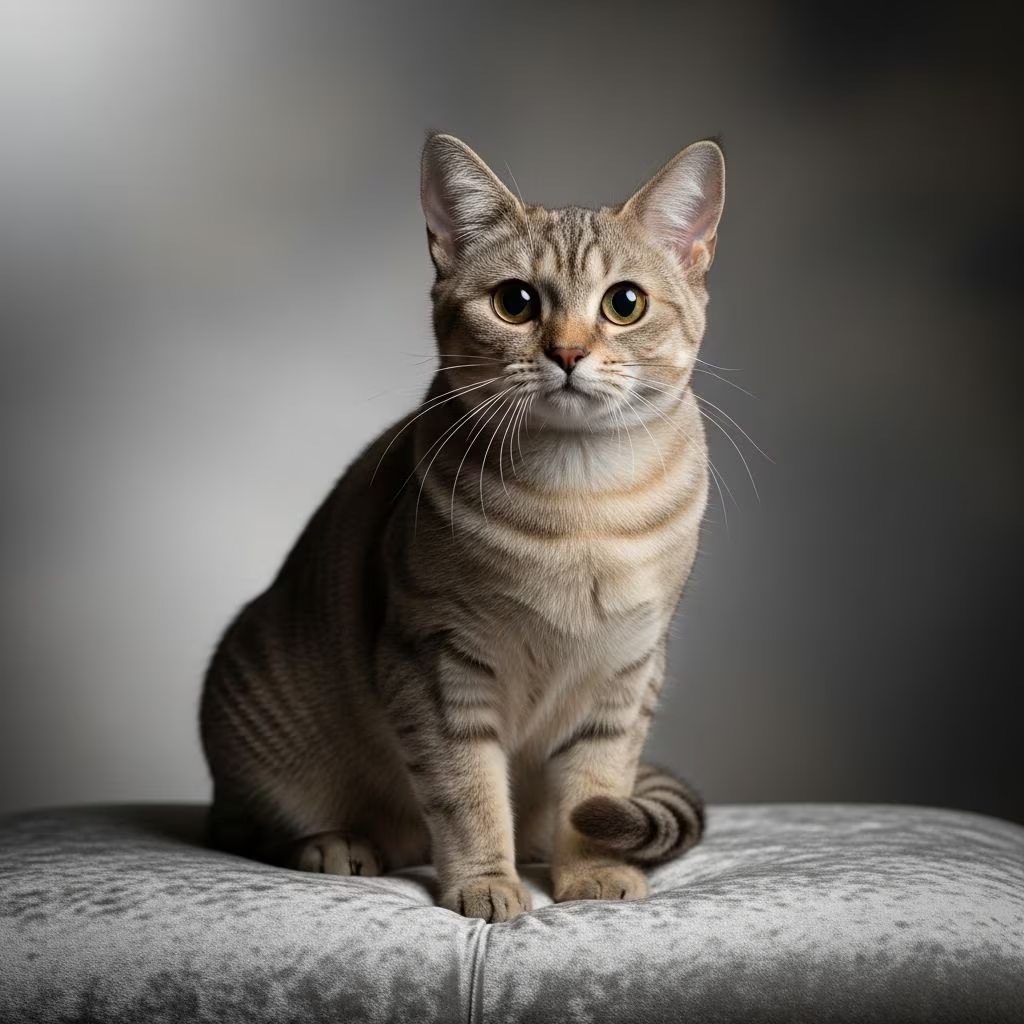
The Minskin represents one of the most visually striking feline breeds to emerge in recent decades, captivating cat enthusiasts with its diminutive stature and enchanting personality. This relatively young breed combines physical characteristics from multiple parent breeds to create a cat that appears perpetually kitten-like throughout its lifetime. Understanding what makes the Minskin unique requires examining its origins, physical traits, behavioral characteristics, and specific care needs that distinguish it from conventional domestic cats.
Understanding the Breed’s Origins and Development
The Minskin breed emerged through deliberate selective breeding beginning in the late 1990s, representing a carefully planned effort to create a feline with specific aesthetic and temperamental qualities. The breed’s creator crossed established Munchkin cats, characterized by naturally occurring short legs resulting from a dominant genetic trait, with Burmese felines to establish the desired structural foundation and temperament. Recognizing the potential for further refinement, the breeder subsequently introduced Devon Rex and Sphynx genetic material into the breeding program. This strategic combination of four distinct breeds was not random but rather a calculated approach to merging desirable characteristics while maintaining genetic health.
The developmental process yielded its first success in July 2000, when the first Minskin matching the breed creator’s vision was born. Formal recognition progressed gradually, with approximately 50 cats meeting the breed standard registered by the International Cat Association by early 2005. The breed remains relatively uncommon, with only a limited number of dedicated breeders maintaining breeding programs, making Minskin kittens considerably difficult to locate.
Physical Characteristics and Distinctive Appearance
The Minskin’s most immediately recognizable feature is its diminutive leg length, which creates a dramatic visual impression despite the cat’s otherwise proportionate body structure. Adult Minskins typically weigh between 4 and 9 pounds, positioning them firmly in the small to medium-sized category. Their rounded, wide head sits atop a semi-cobby body, meaning the frame is compact and heavily muscled relative to its overall mass, contributing to their distinctive silhouette often described as “fubsy” in appearance.
The facial structure exhibits several noteworthy characteristics that contribute to the breed’s appealing expression. Their large, round eyes are positioned wide apart across their face, creating an alert and open appearance that many observers find endearing. The ears stand prominent and wide at the base with slightly rounded tips, set well apart on the head in a manner that enhances their feline charm. The muzzle is notably short and broad with prominent whisker pads, completing a countenance that consistently appears gentle and inquisitive.
The Distinctive Fur Point Characteristic
Perhaps the most technically important aspect of Minskin breed standards involves their unique coat pattern known as “fur points.” Unlike traditional color-pointed cats such as Siamese breeds that display concentrated coloration at extremities, Minskins feature areas of denser fur concentrated specifically on the face, ears, legs, and tail. These densely furred regions create a striking contrast with the remainder of the body, where the coat appears remarkably sparse and velvety soft.
The sparse regions covering the torso, neck, chest, and belly consist of extremely fine downy fur that often appears nearly hairless to the casual observer, though gentle examination reveals soft coating. This distinctive pattern results from the intentional combination of genetic material from the hairless Sphynx breed and the curly-coated Devon Rex, creating a unique middle ground between completely hairless and fully furred cats. The overall texture has been described as feeling similar to cashmere, distinguishing it from the coarser fur typical of standard domestic shorthair cats.
Temperament and Personality Traits
Minskins have earned a reputation for possessing uncommonly affectionate and sociable personalities that distinguish them significantly from more aloof feline counterparts. These cats are exceptionally people-oriented, displaying genuine enthusiasm for human interaction and demonstrating marked preference for households where they receive regular attention and engagement. The breed’s sweet temperament pairs seamlessly with their intelligent nature, allowing them to learn quickly and respond well to positive interaction.
Despite their toy-like appearance that might suggest fragility or timidity, Minskins are notably playful and active cats that maintain kitten-like energy levels well into adulthood. Their activity level requires accommodation through environmental enrichment and interactive play sessions to maintain both physical fitness and mental stimulation. The genetic inheritance from their Munchkin ancestors grants them surprising agility despite their shortened limbs, enabling them to navigate their environment with competence even if they cannot access the highest vantage points that longer-legged cats might reach.
Social Compatibility and Family Integration
One of the most valuable characteristics for potential owners is the Minskin’s exceptional compatibility with diverse household compositions. These cats demonstrate genuine affection toward gentle children and respond positively to age-appropriate interaction, though their small stature necessitates that youngsters handle them with appropriate delicacy. Their social nature extends equally to other feline companions and canine housemates, making them excellent choices for multi-pet households seeking a cat that promotes harmonious cohabitation rather than territorial tension.
It is crucial to note that Minskins do not thrive when left alone for extended periods. Their people-oriented nature means they can experience distress or develop behavioral issues in response to prolonged solitude. Households where individuals work away consistently for many hours daily may find this breed challenging, as these cats require regular human presence and interaction to maintain psychological well-being.
Health Considerations and Genetic Factors
Understanding the health implications of deliberate breed development is essential for prospective Minskin owners. The breed carries the same genetic mutation responsible for shortened limbs found in Munchkin cats, which while generally considered a healthy dominant trait, does create susceptibility to specific orthopedic concerns. The shortened legs increase vulnerability to feline osteoarthritis, a degenerative joint condition that may develop as cats age.
Additionally, Munchkin-derived breeds demonstrate elevated incidence rates for lordosis, characterized by abnormal inward curvature of the lumbar spine, and pectus excavatum, a structural deformity affecting the sternum and rib cage shape. These conditions warrant consideration when evaluating the breed’s long-term health prospects. Prospective owners should discuss these potential health risks with breeders and veterinarians to make informed decisions about whether this breed aligns with their expectations regarding potential medical expenses and quality-of-life considerations.
The genetic combination involving the Sphynx contribution for sparse coat characteristics appears to work harmoniously with the Munchkin short-leg genetics, with breeders deliberately selecting breeding pairs to ensure immune system health and overall robustness. When two distinct healthy genetic mutations combine, they do not interfere with one another, contributing to the breed’s general health status despite their unusual appearance.
Grooming Requirements and Coat Care
One surprisingly practical advantage of the Minskin breed is their minimal grooming requirements compared to many other feline varieties. The sparse coat naturally sheds minimally and does not mat or tangle as readily as longer or denser coats do. However, the sparse regions do require gentle attention to ensure skin health, as exposed areas may require occasional cleaning or sunscreen application during periods of outdoor exposure.
The dense fur points require slightly more attention to prevent matting in these concentrated areas, though regular brushing once or twice weekly generally suffices to maintain coat condition. Their short, velvety texture makes grooming sessions relatively straightforward and often enjoyable for both cat and owner. The overall maintenance demands remain low enough that even first-time cat owners can manage grooming without specialized knowledge or expensive tools.
Standard vs. Non-Standard Minskins
Not all Minskin kittens conform to the established breed standard, and understanding this variation is important for potential owners seeking to acquire one of these cats. Non-standard Minskins may be born with longer legs than their standard counterparts, potentially weighing more than the typical 4-9 pound range. Additionally, some Minskins are born completely hairless without the characteristic sparse rexed coat and fur points, while others develop short, straight coats resembling typical domestic shorthair cats.
These variations do not diminish the appeal or personality of non-standard Minskins, as they retain the breed’s wonderful temperament and kitten-like appearance despite physical differences. The distinction between standard and non-standard cats remains primarily aesthetic rather than behavioral or health-related, though standard cats typically more closely match the established breed vision.
Rarity, Availability, and Adoption Considerations
Potential Minskin owners should understand that acquiring one of these cats requires patience and planning. The breed remains exceptionally rare, with only a small number of reputable breeders maintaining active breeding programs. Individuals interested in bringing a Minskin into their home should expect to participate in waitlists and may face significant delays between expressing interest and actually receiving a kitten.
Finding a Minskin requires identifying responsible breeders committed to genetic health, proper socialization, and adherence to breed standards. The rarity of the breed unfortunately attracts unscrupulous breeders seeking to capitalize on demand, making thorough vetting of potential sources essential. Reputable breeders willingly discuss health testing, provide references from previous buyers, and encourage potential owners to ask detailed questions about breeding practices and health guarantees.
Breed Recognition Status
An important distinction regarding the Minskin’s status involves its recognition by major cat registries and competitive associations. The breed remains under development rather than achieving full recognition as an official breed, meaning Minskins cannot currently compete in traditional cat shows managed by most major feline associations. This developmental status reflects the breed’s relative youth and the ongoing work required to standardize characteristics and build population numbers.
The International Cat Association (TICA) has maintained registration records since the early 2000s, tracking Minskins and maintaining breed documentation. As the breed develops and gains broader recognition, the potential exists for eventual full official status with additional registries, though this remains a future possibility rather than current reality.
Training and Behavioral Development
The Minskin’s exceptional intelligence and human-oriented nature facilitate training that might prove challenging with less social cat breeds. These cats respond positively to reward-based training approaches and demonstrate genuine desire to please their human companions. Their eagerness to engage with people translates into relative ease when teaching basic commands or establishing household routines.
Providing adequate playtime and physical enrichment becomes essential for preventing behavioral issues that might emerge from insufficient stimulation. An active and intelligent cat requires environmental complexity, interactive toys, and regular play sessions to channel energy productively. Without appropriate outlets, even well-tempered Minskins may develop destructive behaviors or excessive vocalization.
Lifestyle Compatibility and Owner Requirements
The Minskin breed is exceptionally well-suited for specific lifestyle situations while presenting challenges for others. Households featuring multiple people who spend significant time at home, families with gentle children, or individuals seeking a highly social and affectionate companion cat will find the Minskin an ideal match. Their compatibility with other pets makes them excellent choices for established multi-pet households.
Conversely, busy professionals working away from home for extended hours, individuals preferring independent pets, or households unable to accommodate a demanding and attention-seeking companion should carefully consider whether the breed’s needs align with their circumstances. The Minskin’s requirement for regular human interaction and their struggle with extended solitude makes them less suitable for certain living situations, despite their numerous appealing qualities.
Appearance Across the Lifespan
One of the most delightful characteristics of the Minskin breed is their perpetual kitten-like appearance that persists into full adulthood. Even fully mature cats are frequently mistaken for kittens by observers, a phenomenon attributed to their short legs, large rounded head, prominent round eyes, and sweet personality. This perpetual youthfulness, while charming, also reinforces the importance of proper handling and protection from well-meaning individuals who might treat them more roughly than appropriate for their actual size.
Health Screening and Preventive Care
Prospective Minskin owners should work with their veterinarians to establish comprehensive preventive care protocols addressing the breed’s specific health vulnerabilities. Regular orthopedic assessments, spinal examinations, and monitoring for early signs of arthritis become increasingly important as cats age. Genetic screening through responsible breeders and open health communication between breeders and new owners supports early identification of potential issues.
Maintaining appropriate body weight becomes particularly important for Minskins, as excess weight increases stress on shortened legs and spine, potentially accelerating degenerative conditions. A carefully balanced diet paired with regular appropriate exercise supports long-term health and quality of life.
The Minskin’s Unique Appeal
The Minskin cat represents a deliberately engineered breed that successfully balances distinctive aesthetic characteristics with genuinely appealing personality traits. Their combination of exotic, almost alien-like appearance with exceptionally sweet and affectionate temperament creates a unique proposition in the feline world. For individuals willing to navigate the challenges of rarity, potential health considerations, and demanding social needs, the Minskin offers a rewarding and distinctive companion experience.
References
- All about Minskin breed – Animalia — Animalia. https://animalia.bio/pets/minskin
- The Minskin Breed — Cat Skills Cattery. https://www.catskillscattery.com/minskins
- Minskin Cat Breed: Info, Pictures, Facts & Traits — Catster. https://www.catster.com/cat-breeds/minskin-cat/
- 12 Things You Did Not Know About the Minskin Cat — Cats.com. https://cats.com/minskin-cat
- The Minskin Cat 101: Breed & Personality — YouTube. https://www.youtube.com/watch?v=QIYa41fy96E



