

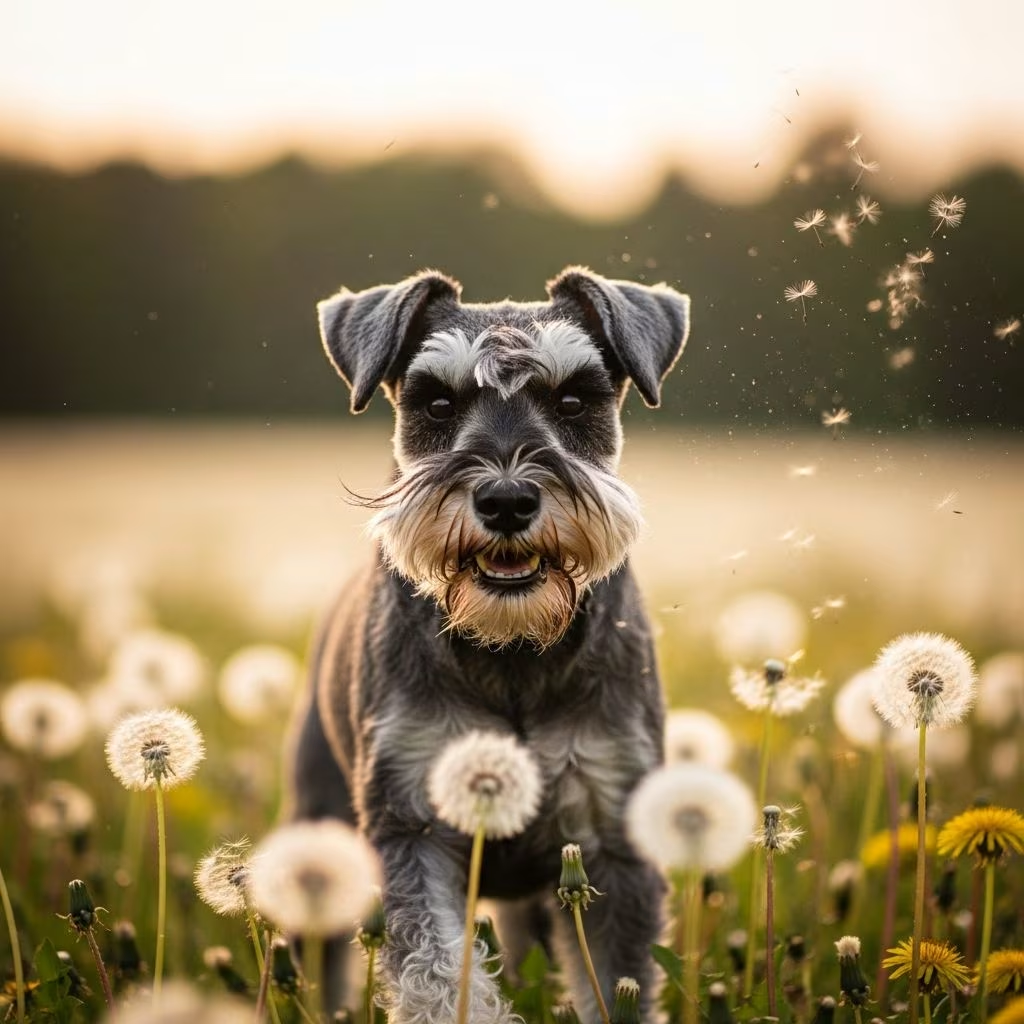
When considering adding a furry companion to your household, allergies often become a significant factor in the decision-making process. Many prospective dog owners wonder whether certain breeds might be more suitable for individuals prone to allergic reactions. The Miniature Schnauzer has gained attention among allergy-conscious pet seekers, but understanding the nuances of this breed’s coat and shedding patterns is essential before making a commitment.
The Reality of Hypoallergenic Dogs
The term ‘hypoallergenic’ when applied to dogs often creates misconceptions. No dog breed is truly 100% hypoallergenic, as all canines produce allergens in various forms, including saliva, urine, and skin cells. Miniature Schnauzers, however, may present a more suitable option for certain individuals with allergies compared to breeds with different coat types.
Miniature Schnauzers belong to a category of dogs known for their minimal shedding properties. Their wiry, dense coat structure differs significantly from the soft, double coats found in many other breeds. This distinctive coat characteristic makes them potentially more tolerable for people who experience allergic reactions triggered by pet dander and loose hair accumulation in the environment.
Coat Characteristics and Shedding Patterns
The Miniature Schnauzer’s coat possesses unique qualities that contribute to their reputation as low-shedding companions. Their fur is naturally harsh, wiry, and dense with a substantial undercoat. The texture and growth pattern of this coat means that loose hair doesn’t escape into the air and settle on furniture and clothing as readily as with other breeds.
The breed exhibits a nearly square body structure with facial furnishings including distinctive eyebrows, mustache, and beard. These signature features are composed of the same wiry hair that covers their body. The coat remains clean on the neck and shoulders, with harsh hair developing on the legs, creating a uniform appearance throughout the dog’s physique.
Compared to breeds with continuously shedding double coats, Miniature Schnauzers release far fewer loose hairs into their living environment. This reduced shedding can result in lower concentrations of airborne allergens, making them a reasonable choice for households with members who suffer from dog-related allergies.
Allergen Production and Individual Sensitivity
While coat type plays a role in managing allergic reactions, it’s important to recognize that shedding represents only one source of dog allergens. Miniature Schnauzers continue to produce allergens through skin cells, saliva, and urine, just like any other dog breed. The severity of allergic reactions varies considerably among individuals based on their specific sensitivity levels and immune responses.
Some people may experience minimal symptoms when around a Miniature Schnauzer, while others with more severe allergies might still develop reactions despite the breed’s low-shedding nature. Prospective owners with known dog allergies should spend time with the breed before adoption to assess their personal reaction level. Many breeders and rescue organizations offer opportunities for potential adopters to interact with the dogs beforehand.
Grooming Requirements and Allergen Management
Maintaining a Miniature Schnauzer’s coat through regular grooming is absolutely essential for managing allergen levels. These dogs require substantial and consistent grooming attention to maintain their coat health and appearance.
- Brushing: Regular brushing at minimum once weekly removes loose hair and prevents mat formation. More frequent brushing during seasonal changes further reduces shedding.
- Professional grooming: Periodic clipping and stripping by professional groomers every 6 to 8 weeks helps maintain the coat’s texture and removes dead hair more effectively than home grooming alone.
- Nail trimming: Routine nail maintenance prevents discomfort and maintains proper foot structure.
- Ear cleaning: Regular ear care prevents infections and maintains hygiene in this breed’s V-shaped ears.
Proper grooming practices directly impact the amount of allergens present in your home. Neglecting grooming responsibilities allows dead hair and dander to accumulate, which can trigger or intensify allergic reactions in sensitive individuals. Owners committed to regular grooming will experience better allergy management results.
Comparing Miniature Schnauzers to Other Small Breeds
| Breed Characteristic | Miniature Schnauzer | Typical Small Breed |
|---|---|---|
| Shedding Level | Minimal | Moderate to Heavy |
| Coat Type | Wiry, dense, harsh | Soft, double coat |
| Grooming Frequency | Weekly plus professional care | Varies by breed |
| Allergen Production | Moderate (through saliva/urine) | Moderate to High |
| Height Range | 11-14 inches | Varies |
| Weight Range | 10-20 pounds | Varies |
Size and Living Space Considerations
Miniature Schnauzers typically stand between 12 to 14 inches tall and weigh between 10 to 20 pounds, making them genuinely compact companions suitable for various living situations. Their small stature doesn’t diminish their spirited personality or energy levels, however. These dogs adapt well to both urban apartments and suburban homes, requiring appropriate exercise and mental stimulation regardless of living situation.
The breed’s adaptability extends to their compatibility with different family structures. Their alert and outgoing temperament makes them excellent companions for families with well-behaved children. Their intelligence and eagerness to please facilitate training, which helps establish appropriate household behavior that supports allergy management protocols.
Personality Traits and Family Integration
Beyond their coat characteristics, Miniature Schnauzers possess personality traits that influence their suitability as household members. These dogs are known for being alert, intelligent, and devoted to their families. They thrive on inclusion in family activities and develop strong bonds with their owners.
Their watchdog instincts and territorial awareness make them vocal dogs with a tendency toward barking. This communication style helps alert owners to household visitors and changes in their environment. Well-trained Miniature Schnauzers learn appropriate barking behaviors and respond reliably to commands.
The breed’s social nature means they don’t do well with extended periods of isolation. They require regular interaction and engagement with their human families to prevent behavioral issues and maintain emotional well-being. This need for companionship makes them poor candidates for households where owners work long hours without provision for midday care or activities.
Health Longevity and Lifestyle Impact
Miniature Schnauzers age gracefully, often not showing visible signs of aging until late in life. The average life expectancy ranges from 12 to 14 years, indicating generally robust health when proper care is provided. This extended lifespan means that adopting a Miniature Schnauzer represents a long-term commitment spanning more than a decade.
Throughout their lives, these dogs maintain their spirited and energetic demeanor, requiring consistent exercise and mental stimulation. Their intelligence, ranked highly among dog breeds, means they benefit from training activities and puzzle toys that engage their problem-solving abilities.
Practical Steps for Allergy Management
Owners with allergies considering a Miniature Schnauzer should implement multiple strategies to minimize allergic reactions:
- Establish grooming schedules: Commit to weekly brushing and professional grooming every 6-8 weeks without exception.
- Create dog-free zones: Designate certain areas, particularly bedrooms, as spaces the dog cannot access to provide allergy relief during rest hours.
- Invest in air filtration: High-efficiency particulate air (HEPA) filters in vacuum cleaners and room air purifiers significantly reduce airborne allergens.
- Use protective furniture coverings: Washable covers on furniture where the dog spends time contain allergens and simplify cleaning.
- Maintain household cleanliness: Regular vacuuming and dusting remove accumulated dander and loose hair more effectively than occasional cleaning.
- Wash hands after interaction: Handwashing after petting or playing reduces allergen transfer to the face and eyes.
Making the Right Choice for Your Household
Deciding whether a Miniature Schnauzer suits your household requires honest assessment of multiple factors beyond allergy concerns. Consider your lifestyle, time availability for grooming and exercise, living situation, and family composition. These dogs thrive in environments where they receive consistent attention, regular grooming, and opportunities for engagement with their families.
For individuals with mild to moderate dog allergies, the Miniature Schnauzer’s minimal shedding and low-allergen production may make them a viable option. However, people with severe allergies should carefully evaluate their personal reactions through direct contact with the breed before committing to adoption.
The breed’s popularity, ranking 17th among dog breeds in the United States as of recent years, reflects their appeal as household companions. Their combination of small size, adaptability, intelligence, and manageable shedding contributes to their enduring popularity among diverse households.
Frequently Asked Questions
Can people with dog allergies safely own a Miniature Schnauzer?
While not completely hypoallergenic, Miniature Schnauzers produce fewer allergens than many other breeds due to their minimal shedding. People with mild allergies may tolerate them well with proper grooming and household management strategies. Those with severe allergies should consult their healthcare provider and spend time with the breed before adoption.
How often should I groom my Miniature Schnauzer?
Weekly brushing is essential, with professional grooming every 6 to 8 weeks. The frequency may increase during seasonal transitions when shedding temporarily increases.
What colors do Miniature Schnauzers come in?
The breed is recognized in four colors internationally: solid black, black and silver, salt and pepper, and white. Most commonly, salt and pepper coats appear in the breed.
Are Miniature Schnauzers good for families with children?
Yes, their playful nature and intelligence make them excellent family companions for households with well-behaved children. Their small size makes them suitable for children to interact with safely.
What is the typical lifespan of a Miniature Schnauzer?
The average life expectancy is 12 to 14 years, though proper care can contribute to long, healthy lives.
References
- Miniature Schnauzer Breed Standards — The Kennel Club. 2024. https://www.royalkennelclub.org.uk/breed-standards/utility/miniature-schnauzer/
- Miniature Schnauzer Dog Breed Information — American Kennel Club. 2024. https://www.akc.org/dog-breeds/miniature-schnauzer/
- Miniature Schnauzer Dog Breed – Hill’s Pet Nutrition — Hill’s Pet Nutrition. 2024. https://www.hillspet.com/dog-care/dog-breeds/miniature-schnauzer
- Miniature Schnauzer Dog Breed Health and Care — PetMD. 2024. https://www.petmd.com/dog/breeds/miniature-schnauzer
- Is a Miniature Schnauzer Right for Me? Temperament and Care — ASPCA Pet Insurance. 2024. https://www.aspcapetinsurance.com/resources/miniature-schnauzers/



