

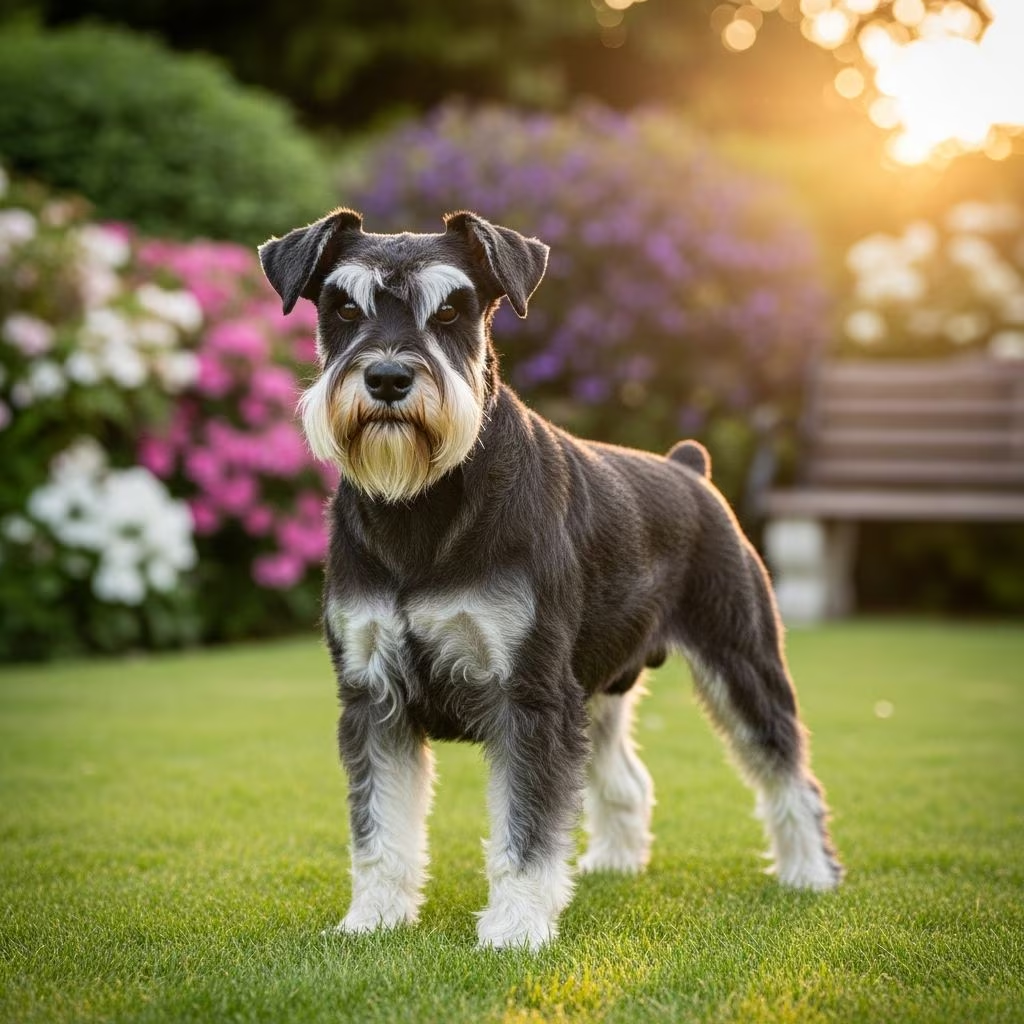
Miniature Schnauzers stand out as one of the most beloved small dog breeds worldwide, ranking highly in popularity due to their compact size, lively personality, and low-shedding coat.Miniature Schnauzers typically measure 11-14 inches tall at the shoulder and weigh 10-20 pounds, making them ideal for various living situations from apartments to homes with yards.
Historical Background and Origins
The Miniature Schnauzer emerged in Germany during the late 19th century as a versatile farm dog, primarily bred for ratting and guarding. Crossbreeding Standard Schnauzers with smaller breeds like Affenpinschers resulted in this pint-sized version, which retained the robustness and work ethic of its larger relatives. By the early 20th century, they gained recognition in dog shows and quickly became favorites for their all-around utility without the size of Giant or Standard Schnauzers.
Unlike British terriers, Miniature Schnauzers share no direct ancestry with them, which influences their more laid-back yet alert demeanor. Their name derives from the German word “Schnauze,” meaning muzzle, highlighting their distinctive bearded face. Today, they excel not just as companions but in activities like agility, obedience, and earthdog trials.
Physical Characteristics and Appearance
Miniature Schnauzers boast a square-proportioned body with a rectangular head framed by prominent bushy eyebrows, a mustache, and a beard that give them an expressive, wise look. Their double coat features a wiry topcoat and soft undercoat, which doesn’t shed much, making them suitable for allergy sufferers—though no dog is fully hypoallergenic.
| Trait | Males | Females |
|---|---|---|
| Height | 12-14 inches | 11-13 inches |
| Weight | 11-18 lbs | 10-15 lbs |
| Coat Colors | Black, Salt & Pepper, Black & Silver, White | Same |
Eyes are oval and dark, ears V-shaped (often cropped to stand erect), and tails naturally short or docked. Feet are compact with black pads, supporting their energetic lifestyle. Salt-and-pepper coats display banded hairs in black, gray, and silver tones, fading lighter on the legs and face.
Personality Traits and Temperament
Described as alert, spirited, and obedient, Miniature Schnauzers combine playfulness with loyalty. They rank high in intelligence—12th out of 140 breeds in Stanley Coren’s The Intelligence of Dogs—excelling as working dogs and watchdogs. Fearless without aggression, they bark to alert rather than bite, making them effective guardians in small packages.
- Friendly yet discerning: Aloof with strangers until approved by owners, then warmly welcoming.
- Family-oriented: Devoted to people, thriving on inclusion in daily activities.
- High prey drive: May chase small animals, so always leash in unfenced areas.
- Sociable with socialization: Puppy introductions to other dogs prevent feistiness.
Compared to other terriers, they are less scrappy and more trainable, fitting well with children when raised together and supervised.
Training and Socialization Essentials
These smart dogs respond well to positive reinforcement, mastering commands quickly due to their eagerness to please. Early socialization curbs excessive barking and builds confidence around new people and pets. Enroll in obedience classes for structure; they shine in agility and rally sports.
Address barking with consistent training—reward quiet behavior and use commands like “quiet.” High prey drive requires secure fencing and leash walks. Crate training aids housebreaking, typically achieved by 6 months.
Grooming and Coat Maintenance
Regular grooming keeps their wiry coat tidy and healthy. Brush 2-3 times weekly to prevent mats; hand-stripping or clipping every 6-8 weeks maintains show quality. Bathe monthly, clean beards daily to avoid staining, and trim nails biweekly.
- Professional grooming: Every 4-6 weeks for full clips.
- Home tools: Slicker brush, comb, clippers.
- Dental care: Brush teeth 2-3 times weekly; provide chews.
Their low-shed nature reduces allergens, but thorough drying post-bath prevents skin issues.
Nutrition and Feeding Guidelines
Feed high-quality dog food suited to small breeds, aiming for 1/2 to 1 cup daily divided into two meals. Puppies need three meals until 6 months. Monitor weight to prevent obesity, a risk given their hearty appetites.
Key nutrients include balanced protein (22-32% for adults), fats for energy, and glucosamine for joints. Fresh water always available. Transition foods gradually over 7-10 days.
| Life Stage | Daily Calories (approx.) | Meals per Day |
|---|---|---|
| Puppy (2-12 months) | 400-600 | 3 |
| Adult | 300-500 | 2 |
| Senior | 250-400 | 2 |
Avoid table scraps to curb begging and pancreatitis risk.
Exercise and Activity Recommendations
Miniature Schnauzers need 30-60 minutes of daily exercise: walks, fetch, or play sessions. They adapt to apartments if mentally stimulated with puzzles and training. Avoid off-leash in unfenced areas due to chase instinct.
Ideal activities: Agility courses, flyball, or neighborhood romps. Puppies exercise moderately to protect growing joints.
Health Considerations and Lifespan
Average lifespan is 12-15 years, with many reaching 14+ if cared for properly. Common issues include:
- Pancreatitis: From high-fat diets; symptoms: vomiting, lethargy.
- Urinary stones: More prone; feed prescription diets if needed.
- Eye conditions: Cataracts, PRA; regular vet checks.
- Hyperlipidemia: High blood fats; monitor cholesterol.
- MAC (rare): Genetic immune disease detectable by testing.
Annual vet visits, vaccinations, and dental cleanings promote longevity. Spay/neuter at appropriate ages.
Choosing and Bringing Home a Miniature Schnauzer
Select from reputable breeders or rescues emphasizing health testing (hips, eyes, patellas). Puppies should be vet-checked, vaccinated, and socialized. Adults from shelters offer known temperaments.
Prepare with crate, bed, toys, collar, and food. First week: Quiet bonding, short walks, consistent routines.
Living with a Miniature Schnauzer: Lifestyle Fit
Best for active families, singles, or seniors wanting a watchdog. They thrive with company, disliking long isolations. Apartments work with exercise; yards must be escape-proof.
Children: Supervise; teach gentle handling. Other pets: Gradual intros. Travel: Portable and adaptable.
Frequently Asked Questions (FAQs)
Are Miniature Schnauzers good with kids?
Yes, when socialized early and supervised, their playful nature suits families.
Do they bark a lot?
They are vocal watchdogs but trainable to minimize nuisance barking.
How often do I need to groom them?
Brush weekly, professional groom every 6 weeks.
Are they hypoallergenic?
Low-shedding, yes for many allergy sufferers.
What’s their energy level?
Moderate; 45 minutes daily exercise suffices.
Common health tests for breeders?
OFAs for eyes, patellas, thyroid; CERF for eyes.
References
- Miniature Schnauzer – Wikipedia — Wikimedia Foundation. 2022-10-15. https://en.wikipedia.org/wiki/Miniature_Schnauzer
- Miniature Schnauzer Dog Breed – Hill’s Pet Nutrition — Hill’s Pet Nutrition. 2023-05-20. https://www.hillspet.com/dog-care/dog-breeds/miniature-schnauzer
- Miniature Schnauzers – ASPCA Pet Insurance — ASPCA Pet Insurance. 2024-01-10. https://www.aspcapetinsurance.com/resources/miniature-schnauzers/
- Miniature Schnauzer Dog Breed Health and Care – PetMD — PetMD. 2023-11-05. https://www.petmd.com/dog/breeds/miniature-schnauzer
- Miniature Schnauzer Dog Breed Information – American Kennel Club — AKC. 2024-02-18. https://www.akc.org/dog-breeds/miniature-schnauzer/



