

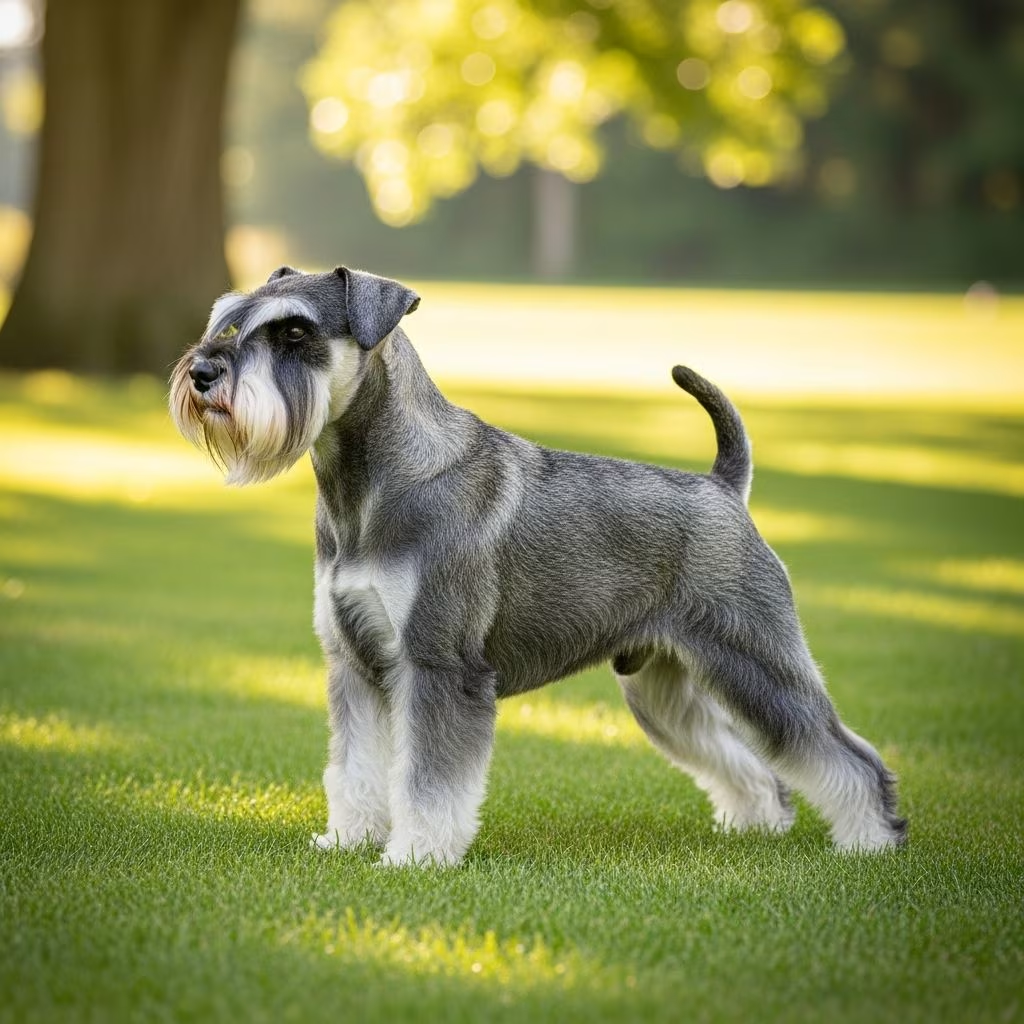
The Miniature Schnauzer stands out as a compact yet robust dog breed renowned for its vibrant energy, sharp intelligence, and distinctive bearded face. Originating from Germany, this terrier-type dog combines the alertness of a watchdog with the affection of a devoted family pet, making it a top choice for households worldwide.
Origins and Development of the Breed
Miniature Schnauzers trace their roots to late 19th-century Germany, where breeders selectively crossed Standard Schnauzers with smaller breeds like the Affenpinscher to create a versatile ratter for farms and homes. This purposeful breeding resulted in a dog small enough for urban settings yet sturdy for fieldwork, quickly gaining popularity across Europe and beyond. By the early 20th century, the breed had spread to the United States, where it captivated enthusiasts with its blend of tenacity and charm. Today, it ranks among the most favored breeds, holding the 17th spot in U.S. popularity as of recent years, thanks to its adaptability and engaging personality.
Historically, these dogs excelled at controlling vermin in stables and barnyards, a role that honed their bold spirit and keen senses. Unlike larger Schnauzer varieties, the miniature version was designed for agility in tight spaces, preserving the breed’s wiry coat and expressive features while scaling down the size. This heritage influences their modern-day behaviors, from enthusiastic barking at intruders to playful pursuits in backyards.
Physical Characteristics and Appearance
Miniature Schnauzers possess a square-proportioned body that exudes sturdiness despite their small stature. Males typically measure 12 to 14 inches at the shoulder and weigh 11 to 18 pounds, while females are slightly smaller at 11 to 13 inches tall and 10 to 15 pounds. Their frame features straight front legs, round ‘cat feet’ with thick black pads, and a naturally short, thin tail often docked where regulations allow.
The head is rectangular with a defining trio of facial furnishings: bushy eyebrows, a prominent mustache, and a luxuriant beard that frames dark, oval eyes and a scissor bite. Ears may fold forward naturally or stand erect if cropped. The double coat consists of a wiry outer layer over a soft undercoat, resistant to weather and minimal shedding—ideal for allergy sufferers, though not fully hypoallergenic. Recognized colors include solid black, black and silver, salt-and-pepper (a mix of black and white hairs), and white, each lending a unique allure to this charismatic breed.
| Trait | Males | Females |
|---|---|---|
| Height | 12-14 inches | 11-13 inches |
| Weight | 11-18 lbs | 10-15 lbs |
| Coat Colors | Black, Black & Silver, Salt & Pepper, White | Same |
Personality Traits and Temperament
Described as alert, spirited, and obedient, Miniature Schnauzers embody a lively yet trainable nature that endears them to owners. They rank highly in intelligence, placing 12th out of 140 breeds in Stanley Coren’s assessments and excelling in watchdog barking among top performers. Friendly with family, they remain aloof toward strangers until introduced, showcasing strong territorial instincts without undue aggression.
- Playful and Affectionate: These dogs thrive on human interaction, forming deep bonds and delighting in family activities from couch lounging to outdoor adventures.
- Feisty with Outsiders: They may display scrappiness toward unfamiliar dogs, a remnant of their ratting past, but socialize well with proper exposure.
- High Prey Drive: Quick to chase small animals, they require leashes or secure fencing outdoors.
- Child-Friendly: Gentle and patient with kids when raised together, though supervision prevents rough play.
Their sociable extroversion suits apartments or large homes alike, provided they receive ample engagement to curb boredom-induced barking.
Grooming and Coat Maintenance Essentials
Despite low shedding, Miniature Schnauzers demand consistent grooming to preserve their wiry coat’s texture and hygiene. Brush several times weekly to remove debris and prevent matting, with professional clipping or hand-stripping every 6-8 weeks for a neat appearance. Bathing every 4-6 weeks suffices, using dog-specific shampoos to maintain coat oils.
Nail trimming biweekly keeps feet healthy, while dental care through brushing and chew toys combats plaque buildup common in small breeds. Ear cleaning prevents infections, especially if uncropped, and their beards benefit from daily wiping after meals to avoid staining. Regular grooming not only enhances their ‘grandpa chic’ look but also supports skin health beneath the dense fur.
Nutrition and Feeding Guidelines
Feed Miniature Schnauzers high-quality, breed-sized kibble formulated for small, active dogs to support their muscular build and energy levels. Adults require 1/2 to 1 cup daily, divided into two meals, adjusted for age, activity, and weight—puppies need three to four smaller portions. Prioritize proteins from real meat sources, balanced with vegetables, fats for coat shine, and joint-supporting nutrients given their terrier agility demands.
Monitor for obesity, as their sturdy frames can hide excess weight; fresh water always available aids digestion. Avoid table scraps to prevent picky eating or pancreatitis risks. Seniors may transition to lower-calorie formulas around age 10, aligning with their 12-14 year lifespan.
Health Considerations and Common Conditions
Miniature Schnauzers enjoy robust health, often aging gracefully without early decline. Key concerns include pancreatitis from high-fat diets, urinary stones requiring low-purine foods, and hyperlipidemia manageable via diet and exercise. Genetic screenings for hip dysplasia, though rare, and patellar luxation are advisable from reputable breeders.
Regular vet checkups catch issues like cataracts or Myotonia Congenita early. Their longevity—averaging 12-15 years—benefits from preventive care: vaccinations, flea/tick control, and spaying/neutering. Owners report these dogs maintain vitality well into their teens with attentive husbandry.
Training Strategies for Success
Leverage their eagerness to please with positive reinforcement training starting young. Short, frequent sessions teach commands like sit, stay, and recall effectively, given their sharp minds and focus. Socialization exposes them to diverse environments, curbing excessive barking or dog reactivity.
They shine in agility, obedience, and earthdog trials, channeling energy productively. Crate training aids housebreaking, typically achieved by 6 months. Consistency prevents small-dog syndrome, ensuring a well-mannered companion.
Exercise Requirements and Lifestyle Fit
Daily 30-60 minutes of walks, play, or fetch suffices for their moderate needs, preventing destructive behaviors. Mental stimulation via puzzles or tricks complements physical outlets, suiting busy families. Adaptable to city apartments with indoor games or rural romps, they excel as versatile pets.
Off-leash only in secure areas due to chase instincts; interactive toys keep them occupied solo.
Choosing and Bringing Home a Miniature Schnauzer
Select from AKC-registered breeders prioritizing health testing or ethical rescues. Puppies arrive vaccinated, microchipped, and socialized around 8-12 weeks. Prepare with essentials: crate, bed, bowls, toys, and collar. Initial vet visit confirms wellness.
Puppy-proof homes by securing wires and small objects. Gradual introductions to routines build confidence.
Frequently Asked Questions (FAQs)
Are Miniature Schnauzers good for apartments?
Yes, their small size and moderate exercise needs make them apartment-friendly with daily walks and play.
Do they shed a lot?
Minimal shedding occurs, but regular grooming is essential for coat management.
How do I stop excessive barking?
Training, socialization, and addressing triggers like boredom reduce barking effectively.
Are they hypoallergenic?
Low-shedding coats suit allergy sufferers, though no breed is fully hypoallergenic.
What is their lifespan?
Typically 12-15 years with proper care.
Why Choose a Miniature Schnauzer?
This breed offers an unbeatable mix of loyalty, smarts, and spunk in a portable package, enriching lives with joy and protection.
References
- Miniature Schnauzer — Wikipedia. 2022. https://en.wikipedia.org/wiki/Miniature_Schnauzer
- Miniature Schnauzer Dog Breed — Hill’s Pet Nutrition. N/A. https://www.hillspet.com/dog-care/dog-breeds/miniature-schnauzer
- Is a Miniature Schnauzer Right for Me? — ASPCA Pet Insurance. N/A. https://www.aspcapetinsurance.com/resources/miniature-schnauzers/
- Behind the Breed: Miniature Schnauzer — Taste of the Wild Pet Food. N/A. https://www.tasteofthewildpetfood.com/articles/behind-the-breed/miniature-schnauzer/
- Miniature Schnauzers: The Good, The Bad, The Ugly — Figo Pet Insurance. N/A. https://figopetinsurance.com/blog/miniature-schnauzers-breed-guide
- Miniature Schnauzer Dog Breed Health and Care — PetMD. N/A. https://www.petmd.com/dog/breeds/miniature-schnauzer
- Miniature Schnauzer Dog Breed Information — American Kennel Club. N/A. https://www.akc.org/dog-breeds/miniature-schnauzer/



