

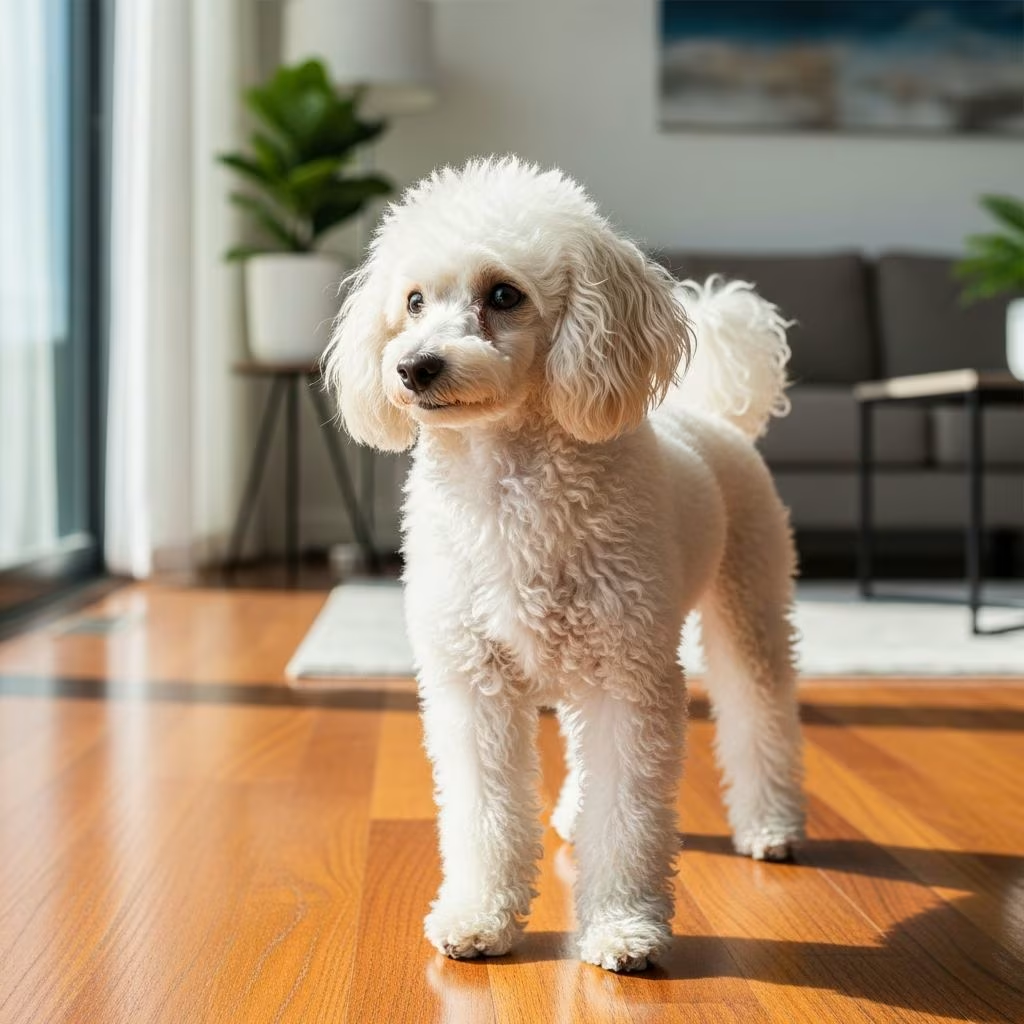
Miniature Poodle Dog Breed Guide
The Miniature Poodle represents the perfect middle ground among Poodle varieties, offering the intelligence and elegance of their larger cousins in a compact, apartment-friendly size. Few dog breeds capture attention quite like the Miniature Poodle, with their distinctive curly coat, bright and expressive eyes, and spirited personality. These spunky companions are always ready to entertain and engage with their families, but their charm extends far beyond their adorable appearance. Miniature Poodles are remarkably intelligent dogs that combine sharp minds with adaptable temperaments, making them ideal for various living situations and lifestyles.
Miniature Poodle Characteristics and Appearance
Standing at 10–15 inches tall and weighing between 10–15 pounds, Miniature Poodles occupy a unique niche as the middle-sized Poodle variety, positioned between the tiny Toy Poodle and the larger Standard Poodle. This size range makes them exceptionally portable—easy to transport to farmers markets, breweries, or any adventure you’re planning. Their manageable weight and compact frame don’t compromise their athletic abilities or spirited nature.
Physical Features
Miniature Poodles display several distinctive physical characteristics that make them instantly recognizable:
- Coat: Dense, curly hair that grows continuously and covers their entire body. The coat requires regular professional grooming every 6–8 weeks to maintain its appearance and health.
- Ears: Medium-length ears that hang down against either side of the head, often adorned with fringed hair that adds to their elegant appearance.
- Eyes: Oval-shaped, dark, and set wide apart, giving them an alert and intelligent expression.
- Nose: Dark in color, either black or liver (brown), complementing their facial features.
- Tail: Carried straight and high, typically docked or left natural depending on owner preference and grooming style.
Coat Colors and Grooming Styles
Miniature Poodles come in an impressive variety of coat colors, including apricot, black, blue, brown, cream, red, silver, white, café au lait, gray, and silver beige. This color diversity allows prospective owners to find a Poodle that matches their aesthetic preferences.
The breed’s iconic curly coat necessitates specific grooming styles, each with its own aesthetic and practical purpose:
- Puppy Cut: Hair is trimmed uniformly short to the same length throughout the body. This practical style is popular for household pets and Miniature Poodle puppies who don’t compete in shows.
- English Saddle: The body is shaved completely except for retained puffs on the head, legs, and tail. This traditional style provides an elegant, sophisticated appearance.
- Continental: The classic “French Poodle” cut, characterized by puffs on the head, legs, and tail with the remainder shaved closely.
- Sporting Clip: A practical style where the face, feet, neck, and base of the tail are shaved, leaving the body coat fuller for protection.
Miniature Poodle History and Origins
Understanding the Miniature Poodle’s heritage provides valuable insight into their temperament and capabilities. Miniature Poodles are smaller versions of Standard Poodles, which were originally developed in Germany as intelligent and capable hunting companions. These versatile dogs readily entered water to retrieve ducks for their hunters, establishing a legacy of athleticism and water proficiency that persists in modern Miniature Poodles.
According to the Poodle Club of America, Miniature Poodles and Toy Poodles were intentionally bred down from these hunting dogs to serve as companion animals. Despite their reduced size, Miniature Poodles retain the “rugged” build and capable nature of their Standard Poodle ancestors. They maintain the breed’s legendary intelligence, trainability, and active disposition in a form perfectly suited to modern family living.
Temperament and Personality
Miniature Poodles are renowned for their exceptional intelligence, making them among the smartest dog breeds. They are eager learners who excel in obedience training and respond enthusiastically to consistent, positive reinforcement. Their trainability makes them suitable for first-time dog owners willing to invest time in proper training and socialization.
These dogs possess joyful, outgoing personalities that make them excellent family companions. They form strong bonds with their owners and enjoy being involved in family activities. Their adaptable nature allows them to thrive in various environments, from apartments to houses with yards, and they adjust well to different lifestyles and activity levels of their human companions.
Hypoallergenic Qualities
One of the most appealing characteristics of Miniature Poodles is their reputation as hypoallergenic dogs. While no dog is completely allergen-free, Miniature Poodles are commonly considered to be hypoallergenic due to their curly, non-shedding coat. This makes them an excellent choice for individuals with pet allergies who still want to experience dog ownership. The minimal shedding also means less dog hair around your home, though regular grooming is essential to prevent matting and maintain coat health.
Size Comparison: Standard, Miniature, and Toy Poodles
While all three Poodle sizes share common characteristics—intelligence, elegance, trainability, and hypoallergenic coats—they differ significantly in physical dimensions and some health predispositions:
| Characteristic | Standard Poodle | Miniature Poodle | Toy Poodle |
|---|---|---|---|
| Height | 15+ inches | 10–15 inches | Less than 10 inches |
| Weight | 40–70 pounds | 10–15 pounds | 4–6 pounds |
| Lifespan | 12–15 years | 10–18 years | 10–18 years |
| Common Health Issues | Hip dysplasia, bloat, PRA | Hip dysplasia, patellar luxation, cataracts, PRA | Patellar luxation, dental disease, cataracts, PRA |
Health Considerations
Miniature Poodles are generally healthy dogs with lifespans ranging from 10–18 years. However, like all dog breeds, they are predisposed to certain health conditions that prospective owners should understand.
Common Health Issues
Miniature Poodles may experience several health concerns that responsible breeders test for and that owners should monitor:
- Hip Dysplasia: A hereditary condition affecting the hip joint, potentially causing arthritis and mobility issues.
- Patellar Luxation: A condition where the kneecap dislocates, more common in smaller Poodle varieties.
- Progressive Retinal Atrophy (PRA): A degenerative eye disease that can lead to vision loss or blindness.
- Cataracts: Cloudiness in the eye lens that can impair vision, particularly in older dogs.
Regular veterinary checkups, health screening from reputable breeders, and maintaining a healthy weight and exercise routine can help minimize the impact of these conditions.
Grooming and Coat Maintenance
The Miniature Poodle’s curly coat is one of its most striking features but requires significant grooming commitment. Professional grooming every 6–8 weeks is essential to prevent matting, maintain coat health, and keep your Poodle comfortable. Between professional appointments, daily brushing helps prevent tangles and mats from forming.
Regular grooming appointments should include:
- Full coat trimming in your chosen style
- Ear cleaning and maintenance
- Nail trimming
- Dental care assessment
- Skin and coat evaluation
The grooming requirements are not merely aesthetic—proper coat care prevents skin infections, improves circulation, and allows you to monitor for any skin or health issues that might otherwise go unnoticed.
Training and Socialization
Miniature Poodles’ intelligence and eagerness to please make them highly trainable dogs. They excel in obedience training and respond well to positive reinforcement methods. Early socialization is crucial, exposing puppies to various people, environments, and experiences to develop well-rounded, confident adults.
These dogs enjoy mental stimulation and benefit from puzzle toys, interactive games, and regular training sessions. Mental exercise is just as important as physical activity for maintaining their emotional well-being and preventing destructive behaviors.
Exercise and Activity Requirements
Despite their small size, Miniature Poodles are active, energetic dogs requiring daily exercise. Regular walks, playtime, and interactive activities keep them physically fit and mentally stimulated. Their athleticism means they can enjoy hiking, swimming, and other outdoor adventures alongside their human companions. An adequately exercised Miniature Poodle is typically a well-behaved, happy companion.
Living Arrangements and Adaptability
Miniature Poodles are exceptionally adaptable dogs that thrive in various living situations. Their manageable size makes them perfect apartment residents, though they need regular exercise and mental stimulation regardless of living space. They also do well in houses with yards and enjoy both indoor and outdoor time. This versatility makes them suitable for urban dwellers, suburban families, and rural property owners alike.
Family Compatibility
Miniature Poodles make excellent family dogs when properly socialized. Their playful nature and intelligence make them engaging companions for children, while their small size is less intimidating for young kids. They typically get along well with other pets and are known for their friendliness toward strangers. Their pack mentality means they thrive when included in family activities and appreciate being part of the household dynamic.
Frequently Asked Questions (FAQs)
Q: Are Miniature Poodles good for first-time dog owners?
A: Yes, Miniature Poodles can be excellent for first-time owners due to their intelligence, trainability, and adaptability. However, they require commitment to grooming, exercise, and consistent training.
Q: How often should I groom my Miniature Poodle?
A: Professional grooming is recommended every 6–8 weeks, with daily brushing between appointments to prevent matting and tangles.
Q: Are Miniature Poodles truly hypoallergenic?
A: While no dog is completely allergen-free, Miniature Poodles’ non-shedding curly coat makes them significantly better for people with dog allergies compared to most other breeds.
Q: How much exercise do Miniature Poodles need daily?
A: Miniature Poodles need at least 30–60 minutes of daily exercise, including walks, playtime, and mental stimulation activities.
Q: What is the average lifespan of a Miniature Poodle?
A: Miniature Poodles typically live 10–18 years, making them long-lived companions that can remain active family members for many years.
Q: Can Miniature Poodles live in apartments?
A: Yes, their small size and adaptable nature make them ideal apartment dogs, provided they receive adequate daily exercise and mental stimulation.
Q: Are Miniature Poodles good swimmers?
A: Yes, they inherit the water-loving nature of their Standard Poodle ancestors and generally enjoy swimming, making water play an excellent exercise option.
References
- Miniature Poodle Characteristics, Care & Photos — Chewy Education. 2025-06-04. https://www.chewy.com/education/dog-breeds/miniature-poodle
- The 3 Types of Poodles and How They Compare — PetMD. 2024. https://www.petmd.com/dog/general-health/types-of-poodles
- Poodle (Miniature) – Dog Breed Information — American Kennel Club. 2024. https://www.akc.org/dog-breeds/poodle-miniature/
- Toy Poodle Dog Breed Health and Care — PetMD. 2024. https://www.petmd.com/dog/breeds/toy-poodle
- Miniature Poodle Breed Information & Insights — Basepaws. 2024. https://basepaws.com/dog-breeds/miniature-poodle



