

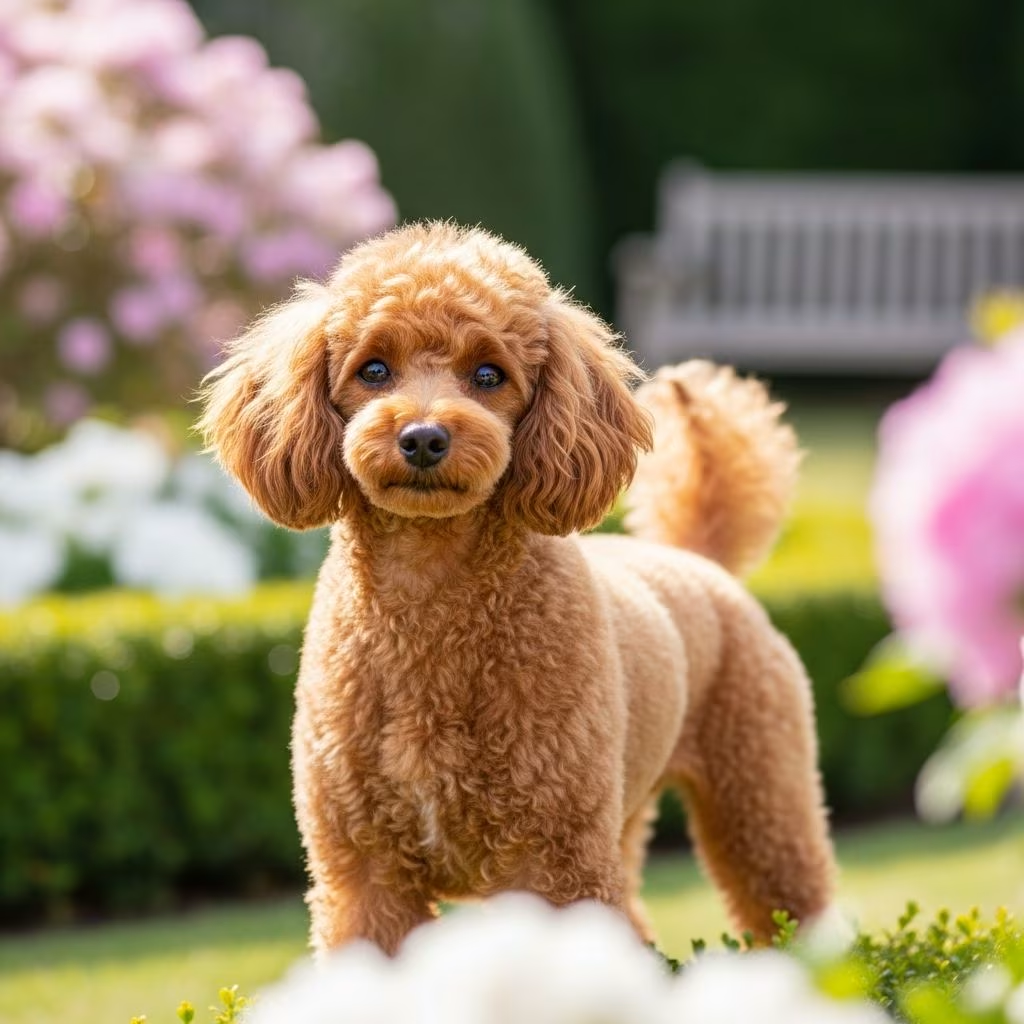
Miniature Poodle Breed Overview
The Miniature Poodle is a distinguished and elegant small dog breed that combines intelligence, charm, and athleticism into a compact package. Originally bred as a smaller version of the Standard Poodle, Miniature Poodles have become beloved companion animals for families, couples, and individuals alike. These delightful dogs are renowned for their exceptional intelligence, making them one of the most trainable breeds available. With their playful personality and adaptable nature, Miniature Poodles thrive in various living environments, from urban apartments to spacious suburban homes.
Physical Characteristics and Appearance
Miniature Poodles possess a noble and well-balanced appearance that reflects their distinguished heritage. Their physical structure is built for both agility and endurance, with a proud carriage that commands attention despite their small size.
Size and Build
Miniature Poodles stand between 11 and 15 inches tall at the shoulder, weighing approximately 10 to 15 pounds when fully grown. This size classification places them between the larger Standard Poodle and the tiny Toy Poodle, making them an ideal size for owners seeking a dog that is substantial enough to be sturdy yet small enough to be easily transported and managed. Their compact, well-proportioned body allows them to move with grace and efficiency.
Coat and Color
The breed’s most distinctive feature is their profuse, dense, and curly coat that does not shed. This non-shedding characteristic makes Miniature Poodles an excellent choice for allergy sufferers, as their coat produces fewer allergens than many other dog breeds. While no dog is entirely hypoallergenic, Poodles come closest to meeting this criterion for dog lovers with allergies.
Miniature Poodles come in a wide variety of solid colors, including white, black, apricot, cream, silver, red, brown, and blue. Some dogs may display varying shades of the same color, particularly during their first 18 months of life. Their coat requires regular professional grooming approximately every four to six weeks to maintain its health and appearance.
Distinctive Features
Miniature Poodles have dark, almond-shaped eyes that sparkle with intelligence and curiosity. Their long, fine head with a slight peak and well-defined chin contributes to their aristocratic appearance. Long, wide ears set low on the head hang close to their face, framing their features beautifully. Their slender muzzle and proportionate neck give them an elegant profile that distinguishes them from other toy breeds.
Temperament and Personality
Miniature Poodles are celebrated for their delightful and multifaceted personalities that endear them to their owners and adapt them well to various household situations.
Intelligence and Trainability
These dogs are exceptionally intelligent and eager to please their owners, making them remarkably easy to train. Their quick learning abilities and responsiveness allow them to excel in obedience competitions, agility courses, and various canine sports. Miniature Poodles demonstrate an impressive capacity for problem-solving and can learn commands and tricks with minimal repetition. Their intelligence also means they require mental stimulation alongside physical exercise to prevent boredom and behavioral issues.
Playful and Humorous Nature
Despite their elegant appearance, Miniature Poodles possess a keen sense of humor and a playful demeanor. They enjoy engaging in fun-loving antics and entertaining their families with amusing behaviors. These dogs love to play and have fun, and given the opportunity, they’ll happily participate in water activities and outdoor adventures. Their entertaining personality makes them wonderful companions for families seeking an interactive and engaging pet.
Gentle and Affectionate
Miniature Poodles have a calm and gentle demeanor that makes them suitable companions for almost anyone. They form strong bonds with their family members and thrive on human companionship. These dogs get along exceptionally well with people of all ages and can integrate successfully into multi-generational households. Their loving and caring nature means they enjoy feeling like an integral part of the family unit.
Social Adaptability
Miniature Poodles generally get along well with other dogs and pets when properly socialized. Their friendly and non-aggressive temperament makes them excellent candidates for households with multiple animals. With early socialization and training, they can become confident and well-mannered companions that adapt to various social situations.
Living Environment and Adaptability
One of the most appealing aspects of Miniature Poodles is their remarkable adaptability to different living situations. Whether you reside in a compact urban apartment or a spacious home with a large yard, these dogs will adapt and thrive when their needs for exercise and mental stimulation are met.
Urban dwellers find Miniature Poodles particularly well-suited to apartment living, as their small size doesn’t require excessive space. However, their energy levels require daily exercise to maintain physical fitness and mental well-being. They can happily live in various settings, including apartments, homes, and even campers, as long as their owners provide adequate companionship and activity.
Exercise and Activity Requirements
Despite their small stature, Miniature Poodles are active dogs that require substantial daily exercise. These dogs were originally bred as hunting dogs, and this heritage instills them with considerable energy and athleticism. Daily exercise should include one to two hours of walking, playing, or swimming, depending on the individual dog’s age and energy level.
Beyond physical exercise, Miniature Poodles require mental stimulation through training sessions, puzzle toys, and interactive games. Without adequate mental engagement, these intelligent dogs may develop behavioral problems or exhibit destructive behaviors. Providing a combination of physical activity and mental challenges keeps them healthy, happy, and well-behaved.
Training and Socialization
Miniature Poodles respond exceptionally well to positive reinforcement training methods. Their eagerness to please and quick comprehension make the training process relatively straightforward for owners with moderate experience.
Early Socialization
Early socialization is crucial for Miniature Poodles to develop into confident and well-adjusted adults. Exposing puppies to various people, environments, sounds, and experiences helps prevent anxiety and fearfulness in new situations. Without proper socialization, these sensitive dogs may become anxious or exhibit excessive barking in unfamiliar circumstances.
Obedience Training
Miniature Poodles excel in obedience training and can quickly master commands through consistent, fair, and positive training methods. These dogs require a strong yet fair owner who establishes clear boundaries and expectations. Their willingness to learn and natural intelligence make training an enjoyable bonding experience for both owner and dog.
Grooming and Coat Care
Miniature Poodles require significant grooming commitment to maintain their distinctive appearance and coat health. Their dense, curly coat is prone to matting and tangling if not properly maintained.
Professional Grooming
Professional grooming appointments every 4 to 6 weeks are essential for maintaining coat health and preventing matting. Professional groomers can execute various traditional trims and styles that showcase the coat’s quality and color. Between professional appointments, owners should brush their dog’s coat every other day to prevent tangles and remove loose hair.
Home Grooming Maintenance
Daily or every-other-day brushing is necessary to maintain the coat’s health and prevent matting. Additional grooming tasks include nail trimming, ear cleaning, and dental care. The breed’s long ears require particular attention to prevent ear infections, as their shape can trap moisture and debris.
Health Considerations
Miniature Poodles are generally healthy dogs with a lifespan of 12 to 18 years when properly cared for. However, like all breeds, they are predisposed to certain health conditions that owners should be aware of.
Common Health Issues
Miniature Poodles can be susceptible to patellar luxation, progressive retinal atrophy, von Willebrand’s disease, and hip dysplasia. Regular veterinary check-ups and screening for these conditions can help identify problems early. Responsible breeders conduct health testing on parent dogs to minimize the risk of hereditary conditions in puppies.
Preventive Care
Maintaining a healthy diet, providing regular exercise, and scheduling annual veterinary check-ups contribute significantly to your Miniature Poodle’s overall health and longevity. Regular dental care, parasite prevention, and vaccinations are essential components of preventive healthcare.
Nutrition and Feeding
Miniature Poodles require high-quality dog food appropriate for their size, age, and activity level. Small-breed formulas are often recommended to ensure proper nutrient balance for their compact size. The amount of food should be monitored carefully to prevent obesity, which can exacerbate joint problems and reduce lifespan.
Consult with your veterinarian to determine the appropriate caloric intake and feeding schedule for your individual dog, as requirements vary based on age, metabolism, and activity level.
Separation Anxiety and Companionship
Miniature Poodles love to feel like part of the family and thrive on human companionship. They do not do well when left alone for extended periods regularly and may develop separation anxiety, leading to destructive behavior and excessive vocalization. These dogs are best suited for owners who can provide regular attention and interaction or who can arrange for daytime companionship through dog walkers or daycare.
Vocalization and Barking
Miniature Poodles are known for being chatty and vocal dogs that tend to bark and alert owners to visitors or anything unusual in their environment. While this alertness can be beneficial, excessive barking should be addressed through training and adequate exercise. Mental stimulation and physical activity help reduce unwanted vocalization.
Ideal Owners
Miniature Poodles are recommended for families, couples, singles, and individuals with allergies. They suit owners with some dog experience who can commit to regular grooming, exercise, and training. Their adaptability makes them suitable for various lifestyles, though they require owners who can provide consistent companionship and mental stimulation.
Frequently Asked Questions
Q: Are Miniature Poodles good for first-time dog owners?
A: Miniature Poodles can be suitable for first-time owners with some dog experience who are committed to training, socialization, and regular grooming. Their intelligence makes training easier, but they require dedication and consistency.
Q: How often do Miniature Poodles need grooming?
A: Professional grooming is recommended every 4 to 6 weeks, with daily or every-other-day brushing at home to prevent matting and maintain coat health.
Q: Are Miniature Poodles truly hypoallergenic?
A: While no dog is completely hypoallergenic, Miniature Poodles’ non-shedding coat produces fewer allergens than many breeds, making them a better choice for allergy sufferers.
Q: How much exercise do Miniature Poodles need daily?
A: Miniature Poodles typically need one to two hours of daily exercise, including walks, play, or swimming, to maintain physical fitness and mental well-being.
Q: Can Miniature Poodles live in apartments?
A: Yes, Miniature Poodles adapt well to apartment living due to their small size, provided they receive adequate daily exercise and mental stimulation.
Q: Do Miniature Poodles get along with children?
A: Yes, Miniature Poodles are friendly and playful, making them excellent companions for children. Early socialization ensures they interact well with kids of all ages.
Q: How long do Miniature Poodles typically live?
A: With proper care, Miniature Poodles typically live 12 to 18 years, making them long-term companions for their owners.
References
- Miniature Poodle Breed Standards — The Kennel Club. 2024. https://www.thekennelclub.org.uk/breed-standards/utility/poodle-miniature/
- Poodle (Miniature) – Dog Breed Information — American Kennel Club (AKC). 2024. https://www.akc.org/dog-breeds/poodle-miniature/
- Miniature Poodle Dog Breed Health and Care — PetMD. 2024. https://www.petmd.com/dog/breeds/miniature-poodle
- Get To Know the Miniature Poodle — ASPCA Pet Health Insurance. 2024. https://www.aspcapetinsurance.com/resources/mini-poodle/
- Miniature Poodle Dog Breed Information — Purina UK. 2024. https://www.purina.co.uk/find-a-pet/dog-breeds/poodle-miniature



