
Health Issues in Miniature Pet Pigs: A Complete Guide
Understanding common diseases and preventive care for miniature pet pigs
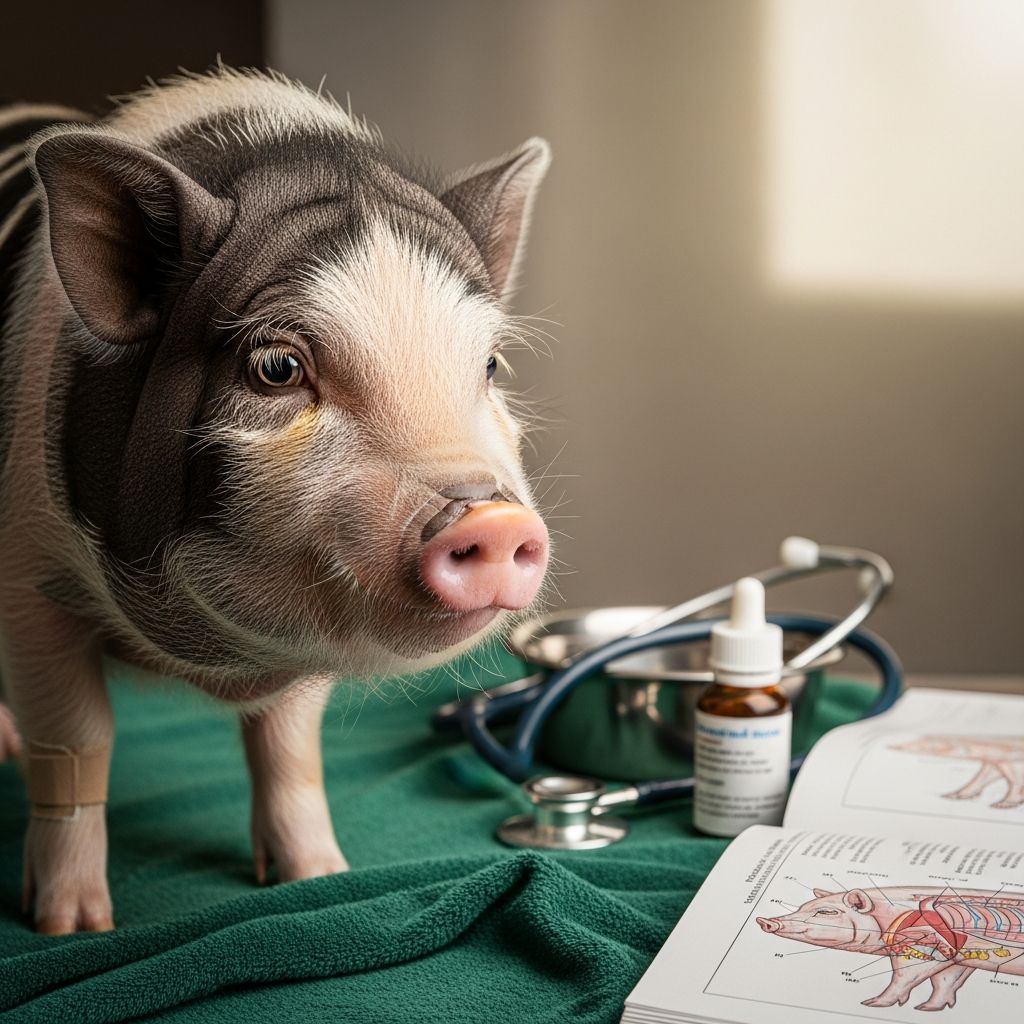
Miniature pet pigs have become increasingly popular as companion animals, but their unique physiology and behavior create distinct health challenges that owners and veterinarians must understand. Unlike their commercial swine counterparts, miniature pet pigs (MPPs) kept as household companions face a different set of disease exposures and health concerns. When properly vaccinated and managed with appropriate preventive care, these animals can live healthy lives spanning 10 to 15 years. However, recognizing potential health threats and implementing timely interventions remains essential for ensuring their wellbeing.
Understanding Infectious Disease Susceptibility in Pet Pigs
Miniature pet pigs are susceptible to many of the same infectious diseases that affect commercial swine operations. The difference lies in how disease presentation and severity vary based on individual pig genetics, living conditions, vaccination status, and exposure history. Pet pigs that receive comprehensive veterinary care and vaccination protocols rarely succumb to infectious disease. The foundation of disease prevention begins with understanding which pathogens pose the greatest threat during different life stages.
Gastrointestinal Infections and Bacterial Threats
The digestive system represents one of the most vulnerable areas for young miniature pet pigs. Several bacterial pathogens can establish infections in the gastrointestinal tract, with varying degrees of severity depending on the pig’s age and immune status.
Colibacillosis and E. coli Infections
Escherichia coli infections, particularly pathogenic strains causing colibacillosis, represent a significant threat to young piglets during their first weeks of life. Mortality rates can be alarmingly high in piglets that fail to ingest adequate colostrum within their first 24 hours after birth. Colostrum contains maternal antibodies that provide crucial passive immunity during the critical neonatal period. Older miniature pet pigs apparently develop natural resistance to colibacillosis as their immune systems mature.
Prevention strategies emphasize maintaining rigorous sanitation protocols to minimize the environmental burden of pathogenic coliform bacteria that young nursing piglets might encounter. Commercial vaccines designed for swine operations can be adapted for miniature pet pigs, though administration must occur before the breeding sow delivers piglets to stimulate adequate antibody secretion into milk. When infection occurs, treatment decisions rely on antimicrobial susceptibility testing to identify the most effective antibiotics for the specific bacterial isolate.
Salmonella Serotype Infections
Miniature pet pigs can develop infections from different Salmonella species, each presenting distinct clinical manifestations. Salmonella enterica serotype Choleraesuis typically affects pigs following weaning and can progress to serious systemic infection. Initial symptoms may include mild diarrhea or even subclinical disease, but severe cases develop fever, lethargy, loss of appetite, discoloration of extremities due to circulatory compromise, recumbency, and ultimately death. Diagnosis involves bacteriologic culture of fecal samples. Treatment and prevention strategies parallel those used for other Salmonella infections, though awareness of zoonotic potential remains important, particularly for immunocompromised individuals in close contact with affected animals.
Respiratory System Diseases
The respiratory tract represents another critical vulnerability in miniature pet pigs. Their relatively small lung capacity relative to body size means that respiratory infections can rapidly progress to severe disease.
Mycoplasmal and Secondary Bacterial Pneumonia
The most common cause of serious pneumonia in miniature pet pigs involves an initial infection with Mycoplasma hyopneumoniae that immunocompromises the lungs, creating an environment where secondary bacterial infections establish themselves. Pasteurella multocida frequently becomes the dominant pathogen once coughing persists for several days. Young pigs typically acquire these infectious agents from their mothers or through contact with infected animals after weaning.
Vaccination strategies present an opportunity to prevent this cascade of infections. Vaccines developed for commercial swine operations have been successfully adapted for use in young miniature pet pigs, reducing the incidence of mycoplasmal pneumonia and subsequent Pasteurella complications. In adult pigs, vaccination is generally unnecessary unless specific risk factors warrant continued immunization.
Pleuropneumonia from Actinobacillus Species
Actinobacillus pleuropneumoniae causes a particularly life-threatening form of pneumonia that can manifest suddenly in miniature pet pigs with minimal warning. Clinical presentation ranges from coughing, fever, and lethargy to sudden death, depending on the serotype involved. Immediate antimicrobial therapy with penicillin or ceftiofur offers the best chance for survival when administered promptly. Even animals that recover from infection often sustain permanent lung tissue damage and may experience chronic respiratory problems throughout their lives. Vaccines are available for domestic swine and may be considered in miniature pet pigs facing exposure risks.
Swine Influenza Virus Infection
Miniature pet pigs attending fairs, exhibitions, petting zoos, or other gatherings where they interact with other pig populations face significant risk of swine influenza infection. The most common viral strains include H1N1, H3N2, H1N2, and H2N3. While swine influenza typically resolves within 7 to 10 days, severe cases can be fatal. The zoonotic nature of this disease means infected pigs can transmit the virus to human handlers. Multivalent vaccines developed for commercial swine can be adapted for miniature pet pigs when exposure risk warrants protection.
Neurological Infections and Central Nervous System Disease
Infections that affect the central nervous system in miniature pet pigs present dramatic clinical signs that demand rapid veterinary intervention. Affected animals may display fever, depression, incoordination, staggering, postural abnormalities, head tilting, circling movements, involuntary eye movements (nystagmus), seizures, and sudden death. Miniature pet pigs prove most vulnerable from birth through 4 to 6 months of age.
Early recognition and treatment with appropriate antimicrobials offers the best prognosis, though treatment selection matters significantly. Antimicrobials that penetrate the blood-brain barrier effectively—such as florfenicol administered through extralabel use—show superior efficacy when administered in early infection stages. Unfortunately, death may be the initial observable clinical sign in some cases, leaving owners with limited intervention opportunities. This reality underscores the importance of preventive measures and prompt veterinary evaluation of neurological symptoms.
Parasitic Diseases and External Infestations
Parasites represent a chronic health concern for miniature pet pigs, with some infestations causing dramatic skin changes and others operating subclinically until populations reach problematic levels.
Sarcoptic Mange as a Primary Parasitic Threat
Sarcoptic mange, caused by mites that burrow into the skin, stands as the most prevalent parasitic disease affecting miniature pet pigs. Young pigs typically acquire mites from their dams, while older animals contract infestations from other infested pigs. Pigs isolated from other animals and maintained exclusively as household companions may harbor mite populations subclinically until mite numbers increase sufficiently to produce visible clinical signs.
Clinical manifestations include dry, flaky skin progressing to thickened, itchy, red, and crusty lesions with scabbing. Affected animals experience significant weight loss as the constant itching creates exhaustion and behavioral changes. The disease proves particularly problematic because sarcoptic mites can transmit to humans and other household pets, creating multi-species infection risks. Recently acquired young miniature pet pigs should receive ivermectin or doramectin administration for routine parasite prevention, even if clinical signs are absent.
Internal Parasites and Preventive Strategies
The prevalence of internal parasites in miniature pet pigs varies considerably based on the environment from which the animal originated. Comprehensive preventive medicine plans should incorporate regular fecal examinations performed every 6 to 12 months, with anthelmintic treatments administered as diagnostic findings warrant. This proactive approach identifies parasitic infections before they cause clinical disease.
Reproductive Tract Complications in Spayed and Unspayed Females
Female miniature pet pigs demonstrate unusually high rates of uterine neoplasia compared to most other domestic mammalian species. This phenomenon relates directly to their reproductive biology and typical management practices. Because most miniature pet pigs are never bred and maintain relatively long lifespans of 10 to 15 years, continuous ovarian cycling throughout their lives creates prolonged estrogen exposure. This sustained hormonal stimulation appears to predispose the uterine tissue to develop estrogen-responsive tumors.
Research examining spontaneously occurring uterine tumors in potbellied pigs—a miniature pig variety—found uterine neoplasia in 16% of female pigs studied, with leiomyoma (benign smooth muscle tumor) being the most frequent diagnosis. A second retrospective analysis identified uterine neoplasia in 11.4% of potbellied pigs evaluated, with animals aged six years or older showing significantly higher prevalence. Studies of Suidae and Tayassuidae families in zoo settings demonstrated even higher prevalence rates, with Vietnamese potbellied pigs displaying the greatest diversity of uterine lesions among species examined.
The pattern of leiomyoma and leiomyosarcoma predominance across multiple studies suggests that reproductive hormones play a critical role in tumor development. However, the precise mechanisms through which estrogen and progesterone promote neoplastic transformation in miniature pet pig uterine tissue require further investigation. Early spaying of female miniature pet pigs may reduce the risk of developing these serious reproductive cancers, though veterinarians should discuss the risks and benefits with owners before making this recommendation.
Skin Conditions and Integumentary System Disorders
Miniature pet pigs commonly experience skin problems that range from simple dermatitis to serious neoplastic disease. Dry, flaky skin with varying degrees of itching occurs in virtually all miniature pet pigs to some degree. Beyond sarcoptic mange, several other conditions affect the integumentary system.
Melanoma and Skin Tumors
Melanoma represents the most common skin tumor affecting miniature pet pigs and frequently appears in young animals. In certain pig breeds, melanoma demonstrates hereditary patterns, suggesting genetic predisposition influences disease development. This raised, dark-colored growth often spreads (metastasizes) to regional lymph nodes. Surgical removal before metastatic spread offers the possibility of curative treatment, but once the tumor establishes itself in distant lymph nodes or other tissues, prognosis becomes grave.
Sun Exposure and Environmental Damage
Sunburn represents an environmental injury that miniature pet pigs can sustain when exposed to intense ultraviolet radiation. Providing shelter from prolonged sun exposure and appropriate housing helps prevent this easily preventable condition.
Other Notable Diseases and Health Concerns
Beyond the major disease categories, miniature pet pigs can develop additional conditions that warrant awareness.
Erysipelas and Bacterial Skin Disease
Erysipelas, caused by a bacterium found in soil, can affect unvaccinated miniature pet pigs. Young pigs may carry this organism in their tonsils and lymph nodes without symptoms until stress triggers disease manifestation between 4 and 12 months of age. The acute form causes anorexia, lethargy, fever, and pain, often accompanied by characteristic red, diamond-shaped raised skin lesions. Severely affected animals may develop seizures, become comatose, and die. The chronic form produces joint cartilage damage, arthritis, and heart inflammation, with affected pigs showing lameness that may progress to heart failure.
Untreated erysipelas is generally fatal, but early detection followed by antibiotic therapy plus supportive care and cardiac medication can save lives. Vaccination of young pigs with annual boosters provides effective prevention.
Bleeding Back Syndrome (Dippity Pig Syndrome)
Bleeding back syndrome, also known as dippity pig syndrome, represents an unusual condition affecting miniature pet pigs. While less commonly discussed than other diseases, this syndrome warrants understanding among pig owners and veterinarians managing these animals.
Zoonotic Disease Considerations
Miniature pet pigs can harbor multiple pathogens with zoonotic potential, meaning they can transmit disease to humans. These include rabies, tuberculosis, various ectoparasites, balantidiasis, giardiasis, Erysipelothrix species, influenza, Streptococcus group D, Ascaris suum, leptospirosis, and brucellosis. Owners and caregivers should practice appropriate hygiene and handling precautions, particularly when animals show signs of illness. Immunocompromised individuals require heightened vigilance given their increased susceptibility to zoonotic infections.
Preventive Medicine and Vaccination Strategies
The foundation of maintaining miniature pet pig health rests on comprehensive preventive medicine protocols. Regular veterinary examinations, appropriate vaccination schedules, parasite prevention programs, and good husbandry practices combine to minimize disease risk. Vaccination recommendations should be individualized based on the pig’s lifestyle, age, and exposure risks. Animals that attend fairs, exhibitions, or petting zoos face different threats than animals maintained exclusively in home environments.
Conclusion and Best Practices for Pig Owners
Miniature pet pigs require specialized veterinary knowledge and dedicated owner commitment to maintain optimal health throughout their lives. Understanding the spectrum of diseases that can affect these animals—from infectious pathogens to parasitic infestations to neoplastic disorders—allows owners to recognize concerning symptoms early and seek prompt professional help. Working with veterinarians experienced in exotic and small animal medicine provides the best opportunity for preventing serious disease and managing conditions that do develop. By implementing comprehensive preventive strategies and maintaining vigilant health monitoring, owners can help ensure their miniature pet pigs live long, healthy, and comfortable lives as valued family companions.
References
- Diseases of Miniature Pet Pigs — MSD Veterinary Manual. February 2026. https://www.msdvetmanual.com/exotic-and-laboratory-animals/miniature-pet-pigs/diseases-of-miniature-pet-pigs
- Preventive Medicine for Miniature Pet Pigs — DVM360. https://www.dvm360.com/view/preventative-medicine-for-miniature-pet-pigs
- Common Health Problems Affecting Mini-Pigs – Part 2 — Brampton Veterinarian. https://bramptonveterinarian.com/common-health-problems-affecting-mini-pigs-part-2/
- Skin, Hoof, and Dental Care for Your Mini-Pig — VCA Animal Hospitals. https://vcahospitals.com/know-your-pet/skin-hoof-and-dental-care-for-your-minipig
- Management of Miniature Pet Pigs — Merck Veterinary Manual. https://www.merckvetmanual.com/exotic-and-laboratory-animals/miniature-pet-pigs/management-of-miniature-pet-pigs
Similar Articles








Read full bio of Sneha Tete


