

Physical Characteristics and Appearance
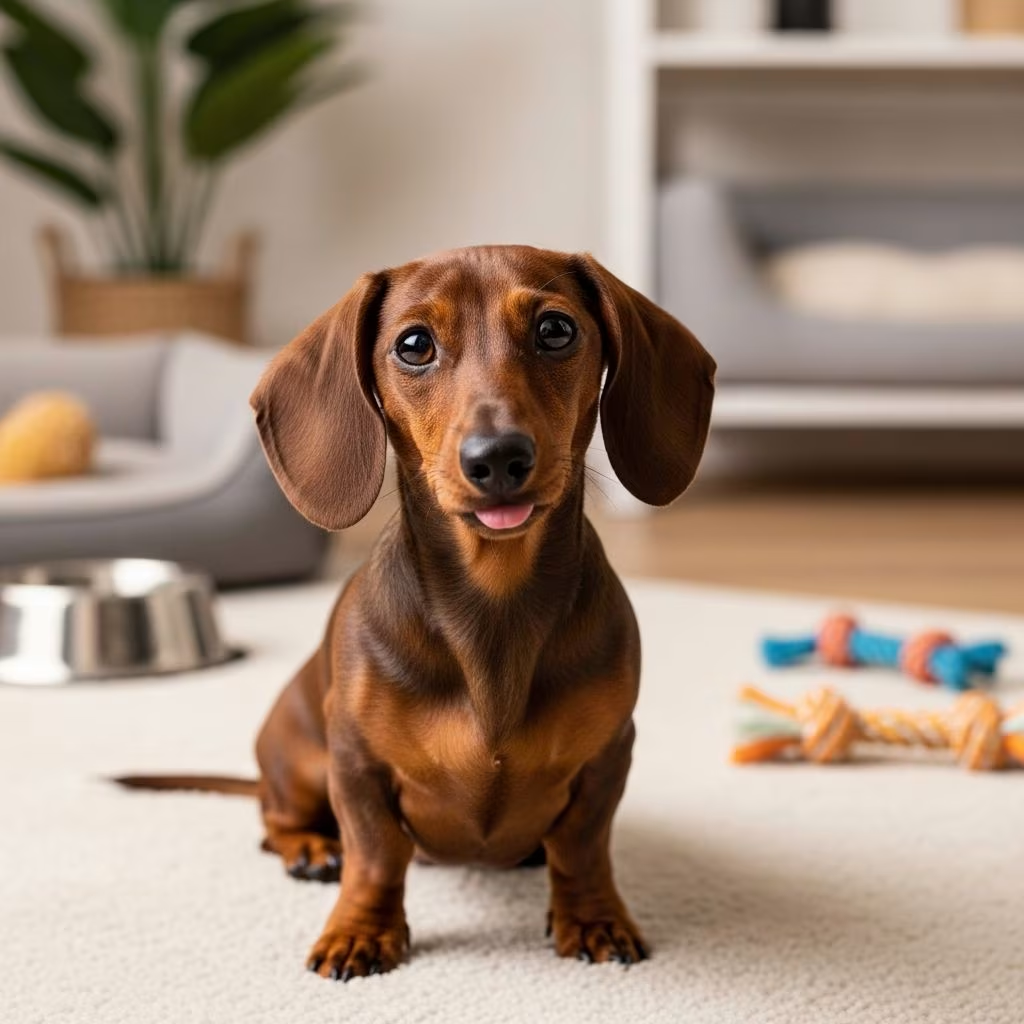
The miniature dachshund stands out among small dog breeds due to its immediately recognizable silhouette. These dogs feature an elongated body supported by remarkably short legs, creating a distinctive profile that enthusiasts find endearing. The breed typically weighs between 4 to 5 kilograms and measures 13 to 18 centimeters in height, making them ideal for those seeking a truly compact companion.
Facial features contribute significantly to the breed’s appeal. Miniature dachshunds possess long muzzles and almond-shaped eyes that can range from dark red to black-brown. Their ears are characteristically floppy, adding to their expressive appearance. The breed comes in three coat varieties: smooth, wire-haired, and long-haired.
Color variations in miniature dachshunds are remarkably diverse. The dominant coloring is red, with black and tan following as popular options. Other acceptable colors include chocolate, cream, brindle, wild boar, blue, piebald, and dapple. Many specimens display tan or cream markings around the muzzle, chest, and inner legs, creating striking visual contrasts.
Temperament and Behavioral Traits
Despite their diminutive stature, miniature dachshunds possess remarkably bold personalities. These dogs display intelligence and vigilance, constantly monitoring their surroundings for movement and unusual activity. They were historically bred to pursue badgers and other dangerous prey through underground tunnels, a heritage that continues to influence their behavioral characteristics today.
The breed demonstrates a curious blend of independence and affection. Miniature dachshunds are known for being stubborn and strong-willed, yet they simultaneously thrive on human companionship and physical affection. They eagerly seek cuddles and lap time, readily accepting hugs and pets from their owners. This duality makes them both challenging and rewarding companions.
Social interaction is crucial for miniature dachshund wellbeing. These dogs require regular human contact and do not adapt well to prolonged isolation. When left alone for extended periods, they may develop separation anxiety and become vocally expressive about their discontent. Families where someone is regularly present typically find these dogs more content and less prone to behavioral issues.
Watchdog Capabilities
Miniature dachshunds excel as alert animals despite their small size. They possess an outsized bark and react quickly to unusual sounds or movements. Their vigilant nature means they will alert homeowners to potential threats, whether genuine or merely perceived, such as passing mail carriers or birds in the yard. However, their physical limitations prevent them from serving protective guard functions.
Socialization and Interaction with Others
Early socialization significantly impacts how miniature dachshunds interact with people and other animals. Properly socialized puppies develop into friendly dogs that warm quickly to strangers and generally coexist peacefully with other dogs. The breed demonstrates inherited behavioral flexibility when exposed to diverse people and environments during their formative weeks.
However, without adequate early exposure, miniature dachshunds can display territorial tendencies and standoffishness toward unfamiliar individuals. Their hunting heritage means they may respond with aggression toward small animals, particularly if their prey drive is not properly managed. Constant introductions to new people and environments during puppyhood substantially reduces the likelihood of aggressive displays.
Interaction with Children
Miniature dachshunds demonstrate loyalty and tolerance toward children within their families. Their affectionate nature and playful disposition make them suitable companions for households with older children who understand proper handling. However, their delicate spinal structure requires careful physical interaction. Small children may inadvertently cause injury by dropping them or roughhousing, potentially resulting in serious back damage.
Properly trained miniature dachshunds generally interact well with older children and respond favorably to respectful handling. They may snap or bite unfamiliar children, particularly if the child moves rapidly or engages in teasing behavior. Supervision and teaching children appropriate interaction methods remain essential for household safety.
Living Environment Suitability
The miniature dachshund’s compact size and moderate exercise requirements make them exceptionally adaptable to various living situations. Whether residing in spacious houses or modest apartments, these dogs can thrive provided they receive adequate exercise, proper training, and consistent attention. Their flexibility regarding living space distinguishes them favorably from larger, high-energy breeds.
Apartment living proves particularly suitable for miniature dachshunds since they require minimal space. Their ability to satisfy exercise needs through indoor play and short walks makes them compatible with urban environments. However, their propensity for excessive barking may create conflicts with neighbors, requiring training intervention to manage vocalization.
Exercise and Activity Requirements
Miniature dachshunds need regular physical activity to maintain fitness and build muscular strength supporting their long backs. Daily exercise prevents obesity while simultaneously strengthening the musculature that protects their vulnerable spine. Without adequate activity, these dogs may develop weight problems, particularly given their love of food and tendency to eat indiscriminately.
Exercise recommendations should exclude activities that stress the spine. Miniature dachshunds should never be allowed to run rapidly up and down stairs or jump on and off furniture, as these movements strain their elongated backs. Controlled walking, ground-level play, and moderate activity better suit their physical structure.
Training Approaches and Behavioral Management
Training miniature dachshunds requires patience, consistency, and understanding of their independent nature. These intelligent dogs possess above-average cognitive abilities but also demonstrate stubborn tendencies that can complicate training efforts. Harsh commands or punishment prove counterproductive, as the breed is sensitive and responds better to positive reinforcement.
Food motivation serves as a powerful training tool for miniature dachshunds. Their enthusiasm for treats and food rewards makes reward-based training particularly effective. Early basic obedience training and comprehensive socialization during puppyhood prevent behavioral issues from developing.
Barking management deserves particular attention when training miniature dachshunds. While this vocalization is natural to the breed, excessive barking can damage owner-neighbor relationships. Training can reduce excessive barking, though completely eliminating this communicative behavior remains unrealistic for the breed.
Health Considerations and Weight Management
Miniature dachshunds are particularly prone to weight-related issues that compromise their health and spinal integrity. Their love of food, combined with their small size, means that excess weight has disproportionate effects on their bodies. Obesity strains their elongated backs, potentially causing serious spinal injuries.
Preventive weight management requires careful portion control and consistent exercise. Overfeeding represents a primary concern, as miniature dachshunds will enthusiastically consume food without self-regulation. Owners must establish appropriate feeding schedules and portion sizes while resisting the temptation to provide excessive treats.
The breed typically lives between 12 to 16 years when properly cared for, with appropriate nutrition and weight maintenance extending quality of life. Regular veterinary monitoring ensures early detection of health concerns related to weight or spinal issues.
Grooming and Coat Maintenance
Miniature dachshunds require minimal grooming regardless of coat type. Short-haired varieties need brushing only occasionally, while wire-haired and long-haired specimens benefit from more frequent grooming to prevent matting. The breed sheds moderately, so regular brushing helps manage loose hair.
Grooming represents an excellent opportunity for bonding and health monitoring. Regular inspections of ears, teeth, and skin conditions allow early identification of potential health issues. Wire-haired and long-haired varieties may require professional grooming periodically, though most maintenance can be accomplished at home.
Comparison: Miniature vs. Standard Dachshunds
| Characteristic | Miniature Dachshund | Standard Dachshund |
|---|---|---|
| Weight | Under 11 pounds (under 5 kg) | 16-32 pounds (7-15 kg) |
| Height | 5-6 inches (13-18 cm) | 8-9 inches (20-23 cm) |
| Living Space | Apartments and small homes | Homes and apartments |
| Exercise Needs | Moderate, can be met indoors | Moderate to high |
| Lifespan | 12-16 years | 12-16 years |
Frequently Asked Questions
Are miniature dachshunds suitable for first-time dog owners?
Miniature dachshunds can work for first-time owners who understand their independent nature and training requirements. These dogs respond best to patient, consistent owners who appreciate their stubborn personality. Prospective owners should research the breed thoroughly and be prepared for training challenges.
How much do miniature dachshunds cost?
Purchase prices vary significantly depending on breeder reputation, lineage, and location. Reputable breeders typically charge between $400 and $1,500 for miniature dachshund puppies. Beyond purchase price, owners should budget for food, veterinary care, grooming, and training throughout the dog’s 12-16 year lifespan.
What is the typical lifespan of a miniature dachshund?
Miniature dachshunds typically live 12 to 16 years when properly cared for. Appropriate nutrition, regular exercise, weight management, and preventive veterinary care contribute significantly to longevity. Some individuals may live beyond this range with excellent care and favorable genetics.
Do miniature dachshunds require professional training?
While professional training can be beneficial, miniature dachshunds respond well to owner-conducted training using reward-based methods. Their food motivation makes training accessible to owners willing to invest time and consistency. Professional trainers can assist with specific behavioral issues or provide guidance when owners encounter challenges.
Are miniature dachshunds prone to specific health problems?
Intervertebral disc disease (IVDD) affects the breed due to their elongated spinal structure. Obesity, jumping from heights, and excessive stair use increase IVDD risk. Regular veterinary checkups, weight management, and careful monitoring of spinal health help prevent or address this condition early.
Preparing Your Home for a Miniature Dachshund
Creating a safe environment protects miniature dachshunds from injuries associated with their vulnerable spine. Remove obstacles that require jumping, provide ramps for accessing elevated surfaces, and secure stairways to prevent unsupervised climbing. Designate a comfortable resting area with orthopedic bedding to support proper spinal alignment.
Food and water bowls positioned at appropriate heights reduce strain on the back during eating and drinking. Storage of small objects prevents accidental ingestion, as miniature dachshunds tend to investigate anything edible. Temperature control matters as well, since these small dogs are sensitive to extreme heat and cold.
Final Considerations
Miniature dachshunds offer significant rewards to owners prepared for their unique characteristics. Their affectionate nature, intelligent personalities, and adaptability to various living situations make them appealing companions. However, their independent streak, barking tendencies, and spinal vulnerability require responsible ownership and commitment to proper care.
Prospective owners should honestly assess their lifestyle, patience level, and ability to provide consistent exercise and attention. Families with young children should carefully consider whether they can supervise interactions appropriately. Those attracted to the breed should seek reputable breeders and commit to addressing any behavioral challenges through positive training methods.
References
- Miniature Dachshund Personality and Care — ASPCA Pet Insurance. 2024. https://www.aspcapetinsurance.com/resources/mini-dachshund/
- Miniature Dachshund Dog Breed: Profile, Personality, Facts — Bow Wow Insurance. 2024. https://bowwowinsurance.com.au/dogs/dog-breeds/miniature-dachshund/
- Miniature Dachshund: Your Complete Guide — Dog Academy. 2024. https://dogacademy.org/breeds/miniature-dachshund



