

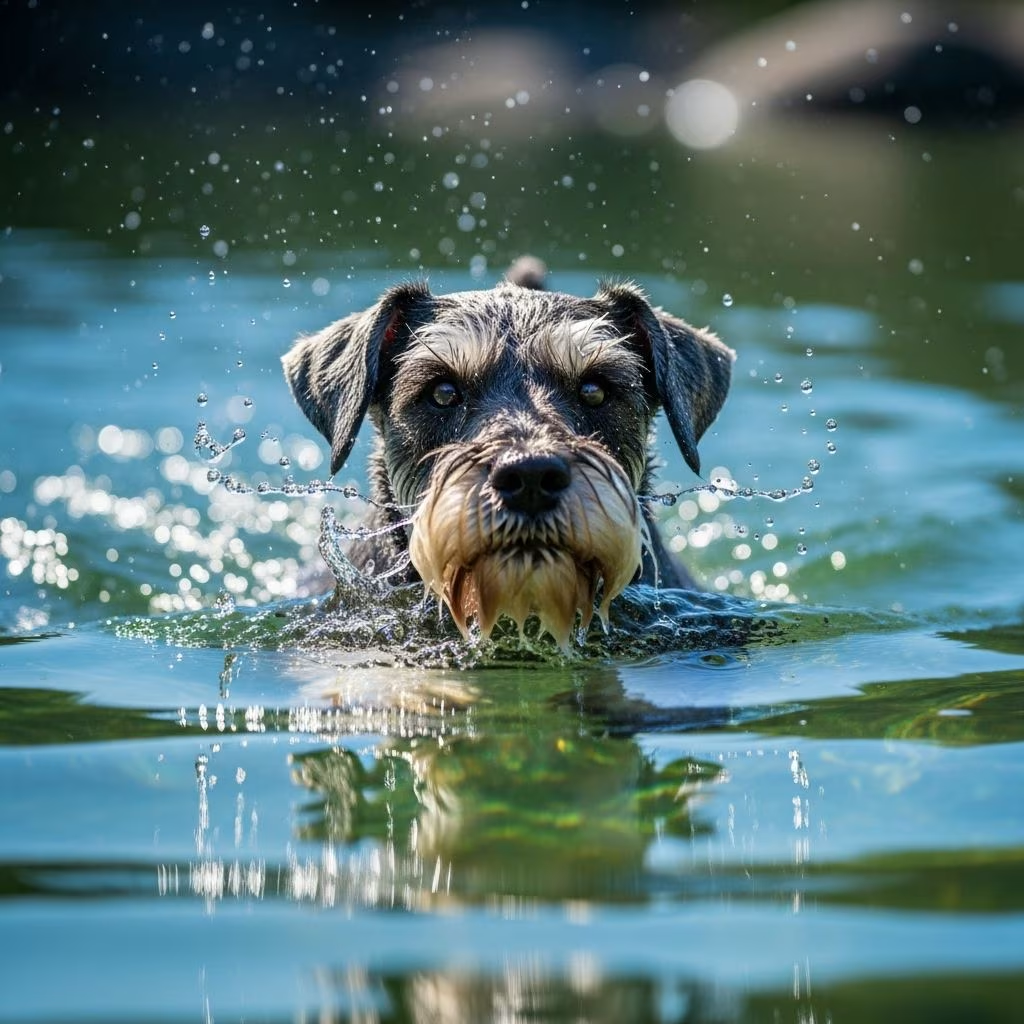
Miniature Schnauzers, with their compact builds and spirited personalities, often spark curiosity about their affinity for water. These small dogs, standing 12-14 inches tall, possess high energy levels that can translate into enjoyment of swimming if properly guided. While not natural swimmers due to their stocky frames, many develop a fondness for water through positive early experiences and training.
Understanding the Breed’s Physical Traits and Water Compatibility
Miniature Schnauzers descend from larger Schnauzer varieties bred for farm work, but their diminutive size influences aquatic abilities. Short legs and a sturdy body make paddling more laborious compared to leaner breeds. However, their curiosity and loyalty to owners frequently motivate them to engage with water activities.
- Body Structure Impact: Stocky build leads to quicker fatigue in water.
- Energy Levels: High vitality encourages playfulness around pools or lakes.
- Individual Variation: Temperament plays a key role; some embrace splashes, others remain cautious.
Research from breed standards highlights that while not water retrievers, their adaptability allows for learned swimming proficiency with support.
Assessing Natural Affinities: Do They Inherently Enjoy It?
Not every Miniature Schnauzer takes to water instinctively. Puppies often show exploratory interest, pawing at shallow edges, but adults may hesitate without prior exposure. Positive reinforcement during formative weeks builds lasting confidence, turning potential aversion into enthusiasm.
| Factor | Favorable for Water | Challenges |
|---|---|---|
| Age of Introduction | Puppies adapt quickly | Adults need more patience |
| Body Type | Energetic drive helps | Short legs tire fast |
| Temperament | Curious explorers thrive | Fearful ones resist |
This table summarizes key influences, emphasizing tailored approaches for success.
Step-by-Step Guide: Introducing Puppies to Aquatic Fun
Begin water exposure during puppyhood, ideally between 8-12 weeks, when curiosity peaks. Start in calm, shallow settings like a kiddie pool or gentle stream to foster security.
- Prepare Safety Gear: Fit a properly sized canine life vest to provide buoyancy and reduce panic.
- Create Positive Vibes: Use treats and toys to lure them near water’s edge without force.
- Gradual Entry: Walk down ramps or steps together, supporting their body initially.
- Short Sessions: Limit to 5-10 minutes, ending on a high note with praise.
Consistency yields results; within weeks, many puppies paddle independently, associating water with joy.
Helping Adult Mini Schnauzers Overcome Water Hesitancy
Older dogs require gentler tactics. Their established preferences demand patience, but family-oriented nature aids persuasion.
- Enter water first to demonstrate safety, calling them encouragingly.
- Employ familiar toys floated on surface to spark interest.
- Maintain life vest use; it prevents exhaustion in stocky frames.
- Consult veterinarians for anxiety-prone individuals, considering professional swim classes.
Progress may span sessions, but persistence often unlocks enjoyment, enhancing physical health through low-impact exercise.
Enhancing Sessions with Play and Engagement
Transform training into games to sustain interest. Hose sprays offer introductory wetness without immersion, ideal for hot days.
- Chase oscillating water streams for cooling fun.
- Incorporate fetch with floating balls in shallow pools.
- Set up simple agility courses ending in splash zones for reward.
These activities build endurance, blending mental stimulation with physical exertion suited to the breed’s intelligence.
Essential Safety Measures for Worry-Free Swimming
Life jackets remain non-negotiable, even for proficient swimmers. They counteract fatigue and sudden scares.
- Vest Selection: Choose adjustable models with handles for lifting.
- Exit Awareness: Teach ramp or step navigation to avoid stranding.
- Water Monitoring: Test pool chemistry; rinse post-swim to protect skin and eyes.
Supervision prevents mishaps; never leave unattended near any water body.
Recognizing and Mitigating Water Hazards
Beyond pools, natural waters pose risks. Oceans carry currents overpowering small dogs, while stagnant ponds harbor blue-green algae toxins.
- Ocean Precautions: Avoid rip tides; stick to lifeguarded beaches.
- Lake Dangers: Check for cyanobacteria blooms, prevalent in warm seasons.
- General Rule: Shallow, flowing waters safest for beginners.
Awareness ensures adventures remain beneficial, promoting cardiovascular health without peril.
Health Benefits of Swimming for Mini Schnauzers
This activity excels as joint-friendly exercise, vital for breeds prone to patellar luxation. Buoyancy reduces strain while building muscle.
- Improves stamina without pavement impact.
- Aids weight management in energetic eaters.
- Enhances mental well-being through novel challenges.
Integrate 2-3 weekly sessions post-training for optimal fitness.
Grooming and Post-Swim Care Routines
Prominent beards trap moisture, risking mats. Daily wiping post-drink or swim prevents issues.
- Towel dry thoroughly, focusing on facial fur.
- Brush to distribute oils, avoiding tangles.
- Bathe sparingly with dog-safe shampoos to preserve coat.
These habits maintain hygiene, complementing active lifestyles.
Common Mistakes to Avoid in Water Training
Owners often push too aggressively, breeding fear. Forcing jumps or prolonged swims backfires.
| Mistake | Consequence | Better Approach |
|---|---|---|
| Forced Immersion | Panic and aversion | Gradual, voluntary entry |
| No Flotation Aid | Quick fatigue, drowning risk | Always use vests |
| Extended Sessions | Overexertion | Keep under 15 minutes |
Learning from these ensures positive outcomes.
FAQs: Mini Schnauzers and Water Essentials
Can all Miniature Schnauzers learn to swim?
Most can with training, though some prefer land-based fun. Individual temperament dictates success.
What’s the best age to start water training?
Puppyhood (8+ weeks) ideal; adults succeed with patience.
Are life vests necessary for experienced swimmers?
Recommended always for small breeds to combat fatigue.
How do I know if water is safe for my dog?
Avoid algae-prone still waters; opt for clean, supervised pools or calm beaches.
Does swimming help with my Schnauzer’s energy levels?
Yes, it provides excellent, low-impact exercise channeling their vigor.
Integrating Water Play into Daily Routines
Combine with walks or agility for holistic enrichment. Track progress via short videos, adjusting based on response. Professional trainers offer group swim sessions fostering socialization.
Ultimately, respecting your dog’s pace unlocks aquatic bonds, enriching companionship through shared splashes.
References
- Miniature Schnauzer Breed Standard — American Kennel Club (AKC). 2023-05-15. https://www.akc.org/dog-breeds/miniature-schnauzer/
- Canine Swimming Safety Guidelines — American Veterinary Medical Association (AVMA). 2024-07-10. https://www.avma.org/resources-tools/pet-owners/petcare/swimming-safety-dogs
- Harmful Algal Blooms in Water Bodies — Centers for Disease Control and Prevention (CDC). 2025-03-20. https://www.cdc.gov/habs/default.html
- Dog Life Jacket Standards — United States Coast Guard Auxiliary. 2024-11-01. https://wow.uscgaux.info/content.php?unit=114-32-07&category=life-jackets
- Exercise Recommendations for Small Breeds — Cornell University College of Veterinary Medicine. 2024-09-12. https://www.vet.cornell.edu/departments-centers-and-institutes/riney-canine-health-center/canine-health-information/exercise-dogs



