
Mini Pig Nutrition: Complete Guide To Feeding And Health
Expert tips on balanced diets, feeding schedules, and health management for thriving miniature pet pigs.
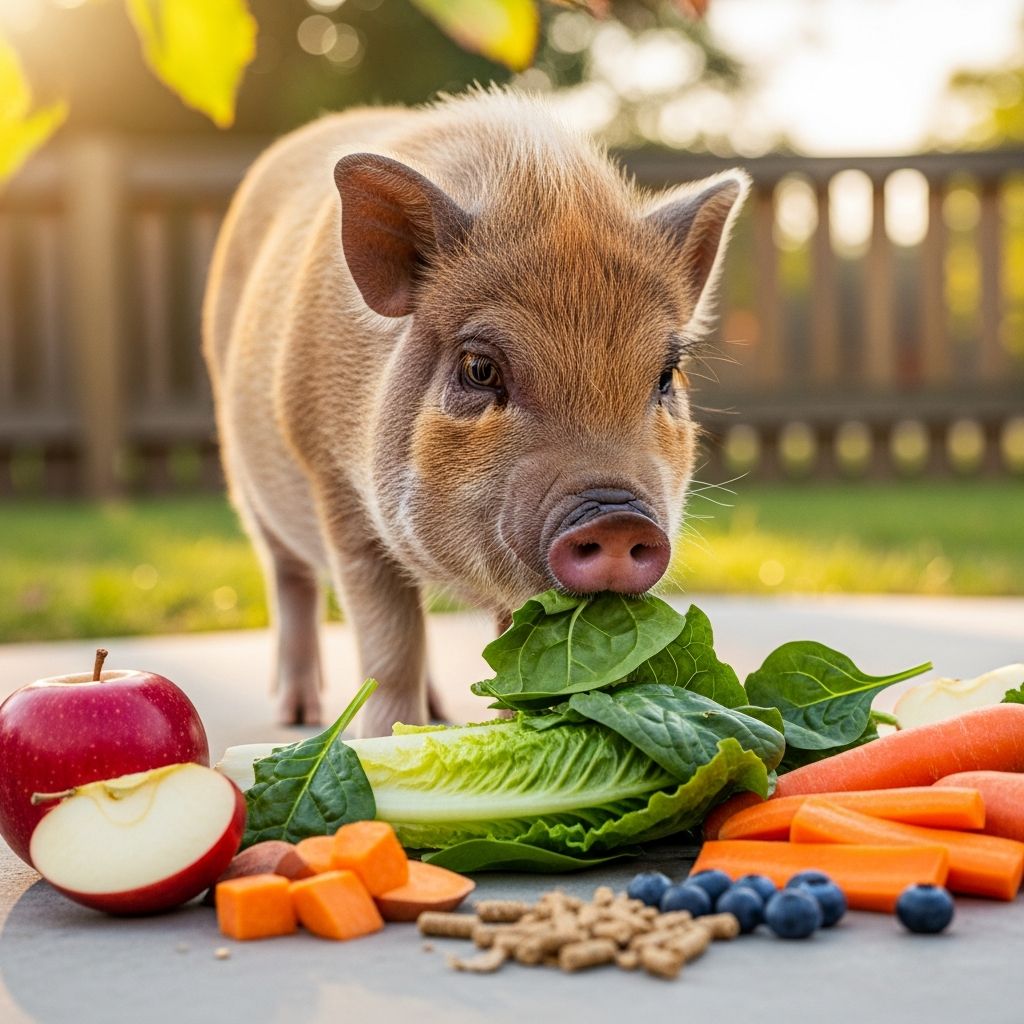
Miniature pet pigs require a carefully balanced diet to maintain optimal health, prevent obesity, and support longevity. These intelligent animals thrive on high-fiber, nutrient-dense foods that mimic their natural foraging habits while meeting modern pet needs.
Understanding the Dietary Needs of Mini Pigs
Mini pigs, often called potbellied or miniature pigs, are omnivores with a natural inclination to forage throughout the day. In the wild, they consume roots, vegetation, insects, and small amounts of protein sources. As pets, their diet must replicate this variety but in controlled portions to avoid weight gain, a common issue due to their insatiable appetite. A proper feeding regimen includes commercial pellets as the base, supplemented with vegetables, limited fruits, and fiber-rich roughage.
Key nutritional components focus on balanced energy, protein for muscle maintenance, fiber for digestion, and minerals for bone health. Overfeeding leads to arthritis, heart issues, and reduced lifespan, while underfeeding causes malnutrition. Owners should monitor body condition using a scoring system where an ideal score is 3 on a 1-5 scale—ribs palpable but not visible, waist visible from above.
Selecting the Right Commercial Feed
The foundation of a mini pig’s diet is a specially formulated pelleted chow designed for miniature or potbellied pigs. Brands like Mazuri, Purina Nature’s Match, Manna Pro, and Heartland provide life-stage-specific options: starter for piglets up to 7 weeks, grower for 8-16 weeks, and maintenance for adults over one year.
- Starter feeds: High in protein and calories for rapid growth in newborns.
- Grower feeds: Support development without excess fat deposition.
- Maintenance feeds: Lower calorie, higher fiber for adult weight control.
These pellets ensure complete nutrition, including vitamins A, D, E, and minerals like calcium and phosphorus. Avoid dog or cat foods, which are sodium-heavy and unsuitable for pigs.
Daily Feeding Amounts and Schedules
Feed adults approximately 1-2% of body weight daily in pellets, divided into 2-3 meals to mimic natural grazing. For a 50-pound (23 kg) pig, this equals about 1 cup of pellets total, plus supplements. Piglets start with 1/4 cup twice daily, increasing as they grow.
| Pig Weight | Daily Pellet Amount | Feedings per Day |
|---|---|---|
| 10 lbs (4.5 kg) | 0.5 cup (split) | 2 |
| 50 lbs (23 kg) | 1 cup (split) | 2-3 |
| 100 lbs (45 kg) | 1.5-2 cups (split) | 2-3 |
| Piglets (<7 weeks) | 1/4 cup + milk | 4-6 |
Adjust based on activity, age, and condition. Add water to meals for better hydration and digestion. Use food-dispensing toys or scatter pellets in rooting areas for mental stimulation.
Incorporating Vegetables and Roughage
Vegetables form 20-30% of the diet, providing fiber, hydration, and low-calorie bulk. Offer leafy greens like romaine lettuce, spinach, and kale daily—a full head for larger pigs. Include cucumbers, zucchini, bell peppers, carrots, squash, and broccoli in raw, steamed, or cooked forms.
- High-fiber options: Celery, pumpkin, sweet potatoes (limited).
- Avoid: Canned veggies (high salt), starchy potatoes in excess.
Fresh hay such as timothy, orchard grass, or bromegrass promotes chewing and gut health. Grazing on untreated grass boosts fiber intake if space allows.
Fruits, Treats, and Supplements in Moderation
Fruits like apples, pears, grapes, and berries are treats due to high sugar—limit to 5-10% of diet. Healthy rewards include unsalted popcorn, cheerios, small nuts, or veggie bits for training.
Supplements enhance specific needs:
- Coconut oil (1 tsp daily) for skin/coat.
- Pumpkin or yogurt (1-2 tbsp) for gut health.
- Chewable children’s vitamins (no iron) for under 8 years; men’s multivitamins for seniors.
A sample daily plan for a 50-lb adult: 1/2 cup pellets AM/PM, large salad midday, hay free-choice, 1 tsp coconut oil, handful treats.
Special Considerations for Piglets and Seniors
Newborns need milk replacer every 4-6 hours via bottle until weaning at 7 weeks onto starter pellets. Growing piglets (8-16 weeks) get 1-1.5% body weight, transitioning to maintenance by year one.
Senior pigs (8+ years) benefit from senior formulas, joint supplements like glucosamine, and softer foods if teeth wear down. Monitor for arthritis and reduce calories by 10-20% if inactive.
Preventing Obesity and Health Issues
Mini pigs gain weight easily; obesity risks include joint disease, diabetes, and heart problems. Use body condition scoring monthly: ideal is smooth rounding without fat rolls. Strategies include:
- Limiting treats to 10% calories.
- Encouraging exercise via walks, toys.
- Multiple feeding stations to promote movement.
Consult vets for tailored plans, especially for breeding/lactating sows needing extra protein/energy.
Common Feeding Mistakes to Avoid
Owners often overfeed due to begging behaviors. Never free-feed pellets; portion control is key. Steer clear of toxic foods: chocolate, caffeine, salty snacks, raw meat (parasite risk). Dog/cat kibble causes salt toxicity.
FAQs on Mini Pig Nutrition
How often should I feed my mini pig?
2-3 times daily for adults; 4-6 for piglets. Consistent schedules prevent begging.
Can mini pigs eat table scraps?
Limited low-salt veggies only; avoid human junk food.
What if my pig is overweight?
Reduce pellets to 1% body weight, increase veggies/hay, add exercise. Vet check recommended.
Do mini pigs need hay?
Yes, unlimited access aids digestion and satiety.
How much water daily?
Free-choice, 1-2 gallons per 100 lbs body weight; more in heat.
Monitoring Health Through Diet
Observe skin (shiny, no flakes), eyes (bright), energy (playful), and stool (firm). Dull coat signals poor nutrition; adjust accordingly. Annual vet exams with bloodwork ensure balance.
References
- Mini Pig Nutrition — American Mini Pig Association. 2023. https://americanminipigassociation.com/mini-pig-education/mini-pig-nutrition/
- Feeding Your Mini-Pig — VCA Animal Hospitals. 2024. https://vcahospitals.com/know-your-pet/feeding-your-mini-pig
- Miniature Pig Care Sheet — North American Pet Pig Association. 2023. https://petpigs.com/miniature-pig-care-sheet/
- Mini Pig Diet — SoCal Mini Pigs. 2023. https://www.socalminipigs.com/mini-pig-diet
- Mini Pig Nutrition and Weight Management — PubMed (Peer-reviewed). 2023-09-01. https://pubmed.ncbi.nlm.nih.gov/37625943/
- What to Feed a Potbellied Pig — Best Friends Animal Society. 2024. https://bestfriends.org/pet-care-resources/what-feed-potbellied-pig
- Feeding and Nutrition of Miniature Pet Pigs — Merck Veterinary Manual. 2024. https://www.merckvetmanual.com/exotic-and-laboratory-animals/miniature-pet-pigs/feeding-and-nutrition-of-miniature-pet-pigs
Similar Articles








Read full bio of medha deb


