

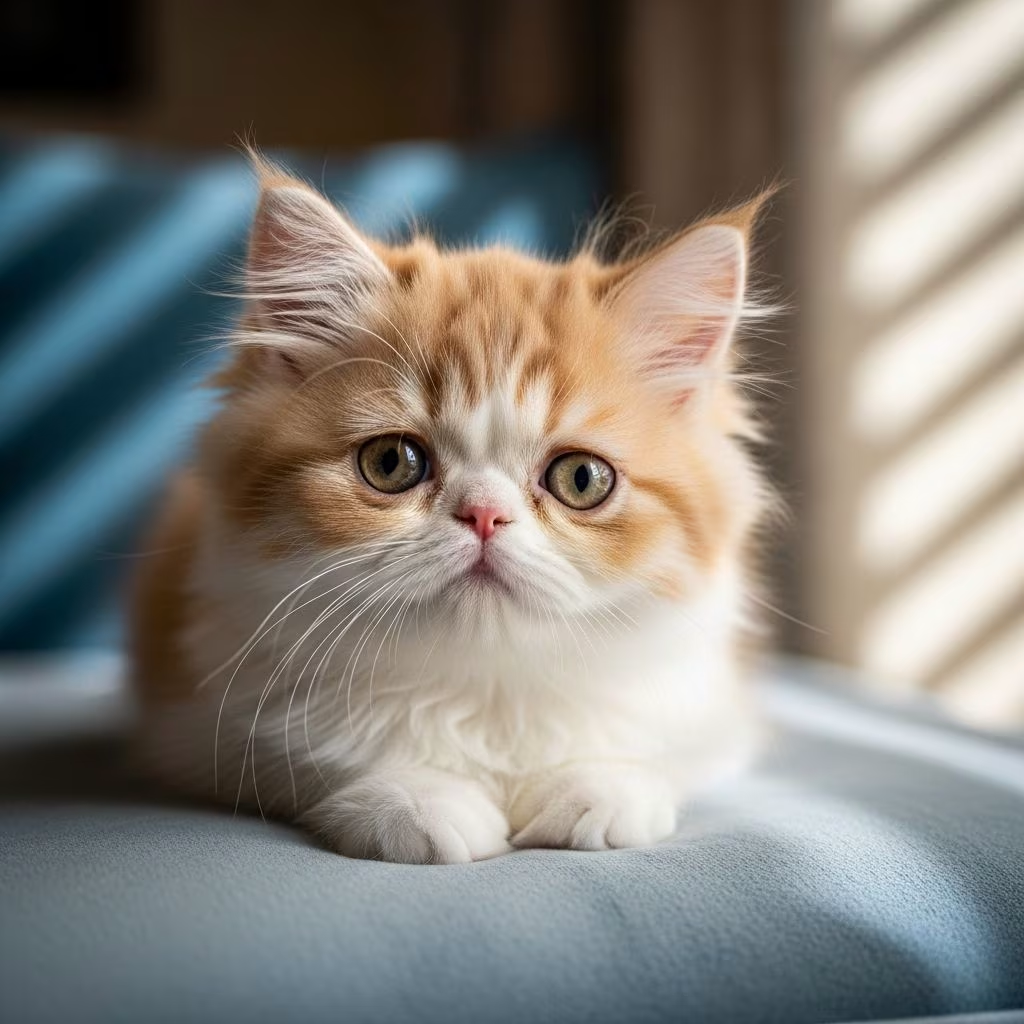
Mini Persian cats captivate with their diminutive size and luxurious coats, representing a miniaturized version of the classic Persian breed known for elegance and serenity. These petite felines, often weighing just 5-6 pounds, appeal to those desiring a compact companion, yet they come with significant health and care considerations.
Origins and Development of the Mini Persian
The lineage of mini Persians traces back to the ancient Persian breed, one of the oldest recognized cat varieties with roots in the Middle East and Europe. Selective breeding over centuries produced the signature flat face and dense fur, and further miniaturization emerged in recent decades through extreme size reduction efforts.
Breeders aimed to create cats fitting the ‘teacup’ category by mating the smallest individuals, resulting in heights of 6-8 inches and weights under standard Persians’ 7-12 pounds. However, major registries like the Cat Fanciers’ Association do not recognize this variation, viewing it as non-standard.
Distinctive Physical Traits
Mini Persians inherit the brachycephalic structure—shortened skulls leading to pushed-in noses and large, round eyes—from their Persian ancestors. Their coats display virtually any color, from solids to tabbies, with a thick, flowing texture that stands off the body.
| Feature | Mini Persian | Standard Persian |
|---|---|---|
| Height | 6–8 inches | 10–15 inches |
| Weight | 5–6 pounds | 7–12 pounds |
| Lifespan | 10–15 years | 12–17 years |
| Coat | Long, thick, multi-color | Long, thick, multi-color |
This table highlights key differences, underscoring the mini version’s more fragile build. Short legs, broad chests, and immense ruffs around the neck enhance their plush appearance, but amplify grooming challenges.
Personality and Daily Behavior
These cats embody a laidback temperament, favoring quiet routines over high-energy play. Affectionate yet reserved, they bond deeply with familiar people, often lounging in cozy spots rather than climbing or jumping.
- Calm Demeanor: They provide gentle companionship, avoiding disruptive antics.
- Routine Lovers: Predictable schedules for meals and grooming foster security.
- Affectionate Bonds: They express love through soft purrs and proximity, thriving on petting sessions.
- Sensitivity: Changes like new pets or moves can cause stress.
Their behavior suits apartments or calm homes, but their physical limits may frustrate natural instincts, leading to subtle anxiety.
Grooming Essentials for Luxurious Coats
Daily brushing prevents mats in their long, double-layered fur, which sheds profusely. Focus on the ruff, belly, and tail plume using wide-toothed combs. Bathing every 4-6 weeks keeps coats glossy, followed by thorough drying to avoid chills.
Eye care is critical due to tear staining from their facial structure; wipe daily with vet-approved solutions. Dental hygiene combats jaw misalignment risks, with brushing and dental treats recommended.
Nutrition Tailored to Tiny Frames
High-quality, calorie-dense food supports their small size without obesity. Feed 1/4 to 1/2 cup daily, divided into meals, prioritizing proteins and omega fatty acids for coat health.
Monitor weight closely, as brachycephalic features hinder chewing, potentially requiring softened kibble or pate. Fresh water and elevated bowls aid breathing during meals.
Health Challenges in Miniaturized Persians
Extreme breeding heightens risks: respiratory distress from flatter faces causes snoring and heat intolerance. Eye infections proliferate due to shallow sockets, while smaller organs elevate polycystic kidney disease odds.
Other issues include dental malocclusion, heart murmurs, and fragile bones prone to fractures. Lifespans average 10-15 years, shorter than standards, demanding vigilant vet care.
- Brachycephalic syndrome: Breathing difficulties worsen with size reduction.
- Renal issues: Inherited PKD amplified in tiny kidneys.
- Joint problems: Short limbs strain mobility.
Ideal Living Environments
Suited for experienced owners in quiet, climate-controlled spaces. Avoid extremes of temperature, providing soft beds and low perches. Interactive toys stimulate without exhaustion.
Multi-cat homes require gradual introductions, as they prefer solitude. Seniors or families with gentle children match best, given their low activity.
Breeding Practices and Ethical Dilemmas
Teacup breeding often prioritizes size over health, involving runting—mating smallest cats—or growth hormone stunting, both unethical and illegal in some areas. Reputable sources urge adopting standards or dwarfs from ethical lines.
Buyer beware: Verify pedigrees, health screenings for PKD and hearts. Avoid impulse buys from unverified sellers.
Cost Analysis and Ownership Expenses
| Expense Category | Estimated Annual Cost |
|---|---|
| Food | $300–$500 |
| Grooming Supplies | $200–$400 |
| Vet Visits | $500–$1,000+ |
| Initial Purchase | $1,500–$5,000 |
Upfront costs soar due to rarity, with ongoing vet bills from predispositions inflating totals.
Frequently Asked Questions
Are mini Persians hypoallergenic?
No, their dense undercoat sheds heavily, despite grooming.
How often do they need baths?
Every 4-6 weeks, or as fur mats dictate.
Can they live long, healthy lives?
With proactive care, yes, but genetics limit potential.
Are they good with kids?
Best with older, calm children due to fragility.
What’s the difference from standard Persians?
Primarily size; health risks intensify in minis.
Choosing Your Mini Persian Wisely
Research breeders emphasizing health tests. Consider rescues for similar small longhairs. Prepare for commitment: these cats reward dedication with unwavering loyalty.
References
- Teacup Persian Cats: History, Ethics, & Facts — Catster. 2023-10-15. https://www.catster.com/cat-breeds/teacup-persian-cat/
- Persian Cat Personality Traits: Behavior Explained for Owners — Purebred Kitties. 2024-05-22. https://purebredkitties.com/blogs/persian-cat/persian-cat-behavior-what-owners-should-know
- Persian Breed Standard — Cat Fanciers’ Association. 2025-01-10. https://cfa.org/breed/persian/
- All About Persian Cats — Burgess Pet Care. 2024-08-03. https://www.burgesspetcare.com/blog/cat/all-about-persian-cats/
- The Truth About Teacup Cats — PetMD. 2024-11-12. https://www.petmd.com/cat/general-health/truth-about-teacup-cats
- Persian Cat Facts: History, Personality, and Care — ASPCA Pet Insurance. 2023-07-20. https://www.aspcapetinsurance.com/resources/persian-cat-facts/
- Teacup Persian Cats: Think Twice Before You Bring One Home — Hepper. 2024-02-28. https://articles.hepper.com/teacup-persian-cat/



