

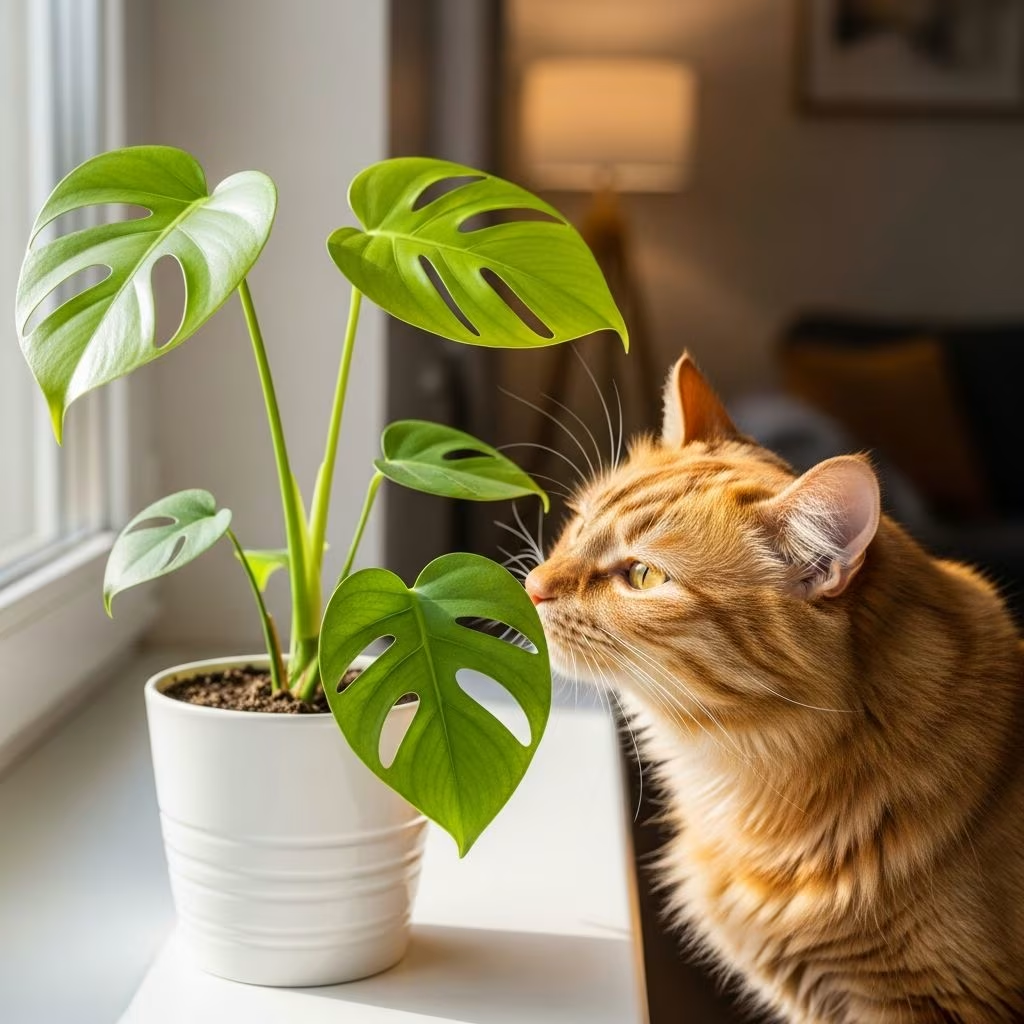
The allure of houseplants like Rhaphidophora tetrasperma, popularly called mini monstera, draws many indoor gardeners. With its fenestrated leaves resembling a compact monstera deliciosa, this vining plant adds tropical flair to living spaces. However, cat owners must weigh its beauty against potential health hazards to their pets. This plant belongs to the Araceae family, which harbors insoluble calcium oxalate crystals known to irritate feline systems upon ingestion.
Understanding the Toxic Compounds in Rhaphidophora Tetrasperma
At the heart of the plant’s danger lies calcium oxalate raphides—sharp, needle-like crystals embedded in all parts, from leaves to stems and roots. These crystals serve as a natural defense mechanism against herbivores, piercing soft tissues and releasing upon chewing. For cats, even brief nibbling triggers immediate oral discomfort.
Unlike some poisons that cause systemic organ damage, calcium oxalates primarily provoke localized reactions. The crystals embed in the mouth, tongue, and throat linings, leading to inflammation. Sap contact can also cause dermatitis, making handling advisable with gloves. Studies on related Araceae species confirm this mechanism, though specific research on R. tetrasperma remains limited—precaution is thus paramount.
Recognizing Signs of Exposure in Your Cat
Cats often investigate plants out of curiosity or boredom, leading to potential encounters. Symptoms typically manifest within minutes to hours post-ingestion:
- Oral pain and pawing: Cats frantically rub their mouth or paw at it due to stinging crystals.
- Excessive salivation: Drooling increases as the mouth produces saliva to flush irritants.
- Swallowing difficulties: Swelling impedes normal gulping, sometimes causing gagging.
- Gastrointestinal upset: Vomiting or diarrhea may follow if crystals reach the stomach.
- Lethargy and reduced appetite: Secondary effects include tiredness from pain or dehydration.
Observe for skin redness if sap contacts paws or fur. Severity varies by ingested amount; small bites cause milder issues, while larger quantities exacerbate problems. Even without visible symptoms, veterinary consultation is wise.
Immediate Response Steps if Your Cat Ingests Mini Monstera
Act swiftly upon suspicion:
- Remove access: Isolate the plant and prevent further contact.
- Rinse the mouth: Use a syringe with cool water or milk to gently flush, avoiding force.
- Monitor closely: Track symptoms for 24-48 hours.
- Contact professionals: Call your vet, ASPCA Poison Control (888-426-4435), or services like PangoVet for guidance.
Do not induce vomiting without expert advice, as it may worsen crystal embedding. Most cases resolve with supportive care like pain relief and hydration.
Proactive Strategies to Protect Cats from Toxic Plants
Prevention trumps reaction. Fully removing R. tetrasperma from cat-accessible areas is ideal, especially outdoors where feral or roaming cats lurk. For persistent plant enthusiasts:
| Strategy | Pros | Cons | Implementation Tips |
|---|---|---|---|
| Hanging Baskets | High placement deters jumps | Cats may climb furniture | Secure macramé hangers 7+ feet up |
| Cat-Free Zones | Total isolation | Requires closed doors | Use baby gates or plant rooms |
| Deterrents | Non-toxic repellents | May need reapplication | Citrus sprays, aluminum foil, or fork barriers |
| Distractions | Redirects behavior | Training time | Offer cat grass or toys |
Train with positive reinforcement: Reward ignoring plants. Rotating plants or enriching environments with scratching posts reduces interest.
Top Cat-Safe Plants for a Lush, Worry-Free Home
Swap risky greenery for these verified non-toxic options, per ASPCA and extension services:
- Spider Plant (Chlorophytum comosum): Air-purifying, resilient, with arching variegated leaves.
- Boston Fern (Nephrolepis exaltata): Feathery fronds thrive in humidity.
- Prayer Plant (Maranta leuconeura): Colorful foliage folds at night.
- Parlor Palm (Chamaedorea elegans): Elegant, slow-growing.
- Bird’s Nest Fern (Asplenium nidus): Broad, wavy leaves.
- Orchids (Phalaenopsis spp.): Elegant blooms, long-lasting.
- Bromeliads: Striking rosettes with vibrant hues.
These mimic mini monstera’s tropical vibe without risks. Verify local nursery labels and introduce gradually.
Long-Term Home Greening with Pets in Mind
Creating a biophilic space enhances well-being for humans and cats alike. Balance aesthetics with safety by zoning areas: high shelves for statement plants, floor-level for pet-safe ones. Humidity-loving species like ferns pair well with pebble trays, benefiting feline respiratory health indirectly.
Regular plant audits ensure no drift toward toxics. Educate household members on risks. For multi-pet homes, consider species-specific sensitivities—dogs may tolerate more. Invest in grow lights for year-round vitality without sunny sills cats target.
Community resources like pet-safe plant lists from university extensions guide choices. Sustainable sourcing from ethical growers supports biodiversity while safeguarding pets.
Frequently Asked Questions About Plants and Cat Safety
Is all contact with Rhaphidophora tetrasperma dangerous for cats?
Primarily ingestion or sap chewing; brushing against leaves rarely causes issues, but monitor for dermatitis.
How much plant material is needed to harm a cat?
Even small amounts provoke symptoms; larger ingestions intensify effects. All exposure warrants caution.
Can I treat symptoms at home without a vet?
Basic rinsing helps, but professional advice prevents complications. Use tele-vet services if needed.
Are there any benefits to cats from safe houseplants?
Yes—improved air quality, stress reduction, and chew alternatives like catnip plants promote health.
What if my cat shows no symptoms after nibbling?
Still consult a vet; delayed reactions occur. Better safe than sorry.
Building a Harmonious Pet-Plant Environment
Pet ownership and plant passion needn’t conflict. Informed choices yield thriving greenery and healthy cats. Prioritize observation, education, and alternatives. Your home can be a verdant sanctuary where curiosity meets safety.
References
- Is Rhaphidophora Tetrasperma Toxic to Cats? Precautions & Risks — Catster. 2023. https://www.catster.com/cat-health-care/is-rhaphidophora-tetrasperma-toxic-to-cats/
- Is rhaphidophora tetrasperma toxic if my cat nibbles on it? — Dial A Vet. 2023. https://www.dialavet.com/vet-answers/cat-nibbling-rhaphidophora-tetrasperma-18340
- Rhaphidophora tetrasperma — North Carolina State University Extension. 2024-01-15. https://plants.ces.ncsu.edu/plants/rhaphidophora-tetrasperma/
- Plant Portrait: Rhaphidophora tetrasperma — Leaf and Paw. 2020-01-21. https://leafandpaw.com/2020/01/21/plant-portrait-rhaphidophora-tetrasperma/
- Cutleaf Philodendron – Toxic and Non-toxic Plants — ASPCA. 2023. https://www.aspca.org/pet-care/aspca-poison-control/toxic-and-non-toxic-plants/cutleaf-philodendron



