
Poultry Mineral Deficiencies: Key Signs And Practical Fixes
Discover how mineral deficiencies undermine poultry vitality, from skeletal deformities to reproductive setbacks, and master prevention strategies for thriving flocks.
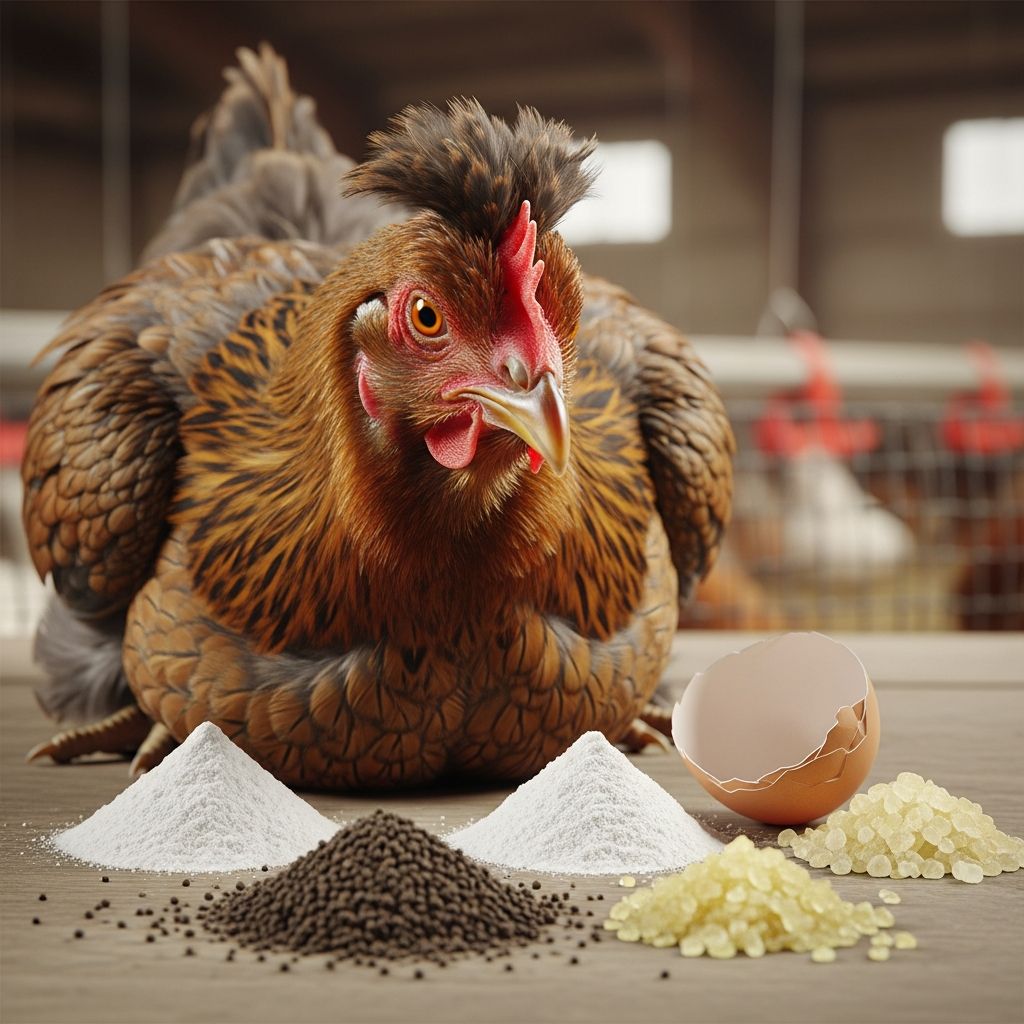
Poultry farming demands precise attention to dietary minerals, as shortages can trigger a cascade of health issues ranging from weakened bones to impaired reproduction. These essential elements underpin skeletal development, blood formation, and metabolic functions in birds like chickens and turkeys. Understanding these deficiencies empowers producers to safeguard flock performance and economic viability.
Why Minerals Matter for Avian Physiology
Minerals serve as building blocks for bone structure, enzyme activation, and fluid balance in poultry. Disruptions in supply—often from imbalanced feeds, poor absorption, or environmental stressors—manifest in observable clinical signs. Young broilers and layers are particularly susceptible, with rapid growth amplifying needs for elements like calcium and phosphorus. Proactive monitoring through feed analysis and blood tests prevents outbreaks that slash growth rates and hatchability.
Disruptions in Calcium-Phosphorus Dynamics
The interplay between calcium and phosphorus is pivotal for bone health. An excess of one can block the other’s uptake, fostering conditions like poor mineralization. High calcium diets, for instance, may precipitate phosphorus shortages by forming insoluble complexes in the gut. This duo’s ratio ideally hovers around 2:1 in growing birds, shifting higher for layers to support eggshell deposition.
- Calcium shortfall: Leads to soft bones and reduced eggshell quality.
- Phosphorus imbalance: Triggers parathyroid hyperactivity and leg weaknesses.
Understanding Rickets in Growing Flocks
Rickets strikes young meat birds around 10-14 days, marked by lameness and swollen leg joints. Bones fail to mineralize properly, showing widened growth plates and soft textures. While cellular calcium deficits drive it, vitamin D shortages or dietary excesses exacerbate the issue. Diagnosis involves serum phosphorus checks and growth plate exams. Prevention hinges on balanced starter feeds with adequate cholecalciferol.
Tibial Dyschondroplasia: A Growth Plate Anomaly
This disorder features a non-calcified cartilage plug in the tibia, halting longitudinal bone growth. Electrolyte shifts, notably high chloride with low potassium, provoke it alongside rapid-growth genetics. Birds hobble with shortened legs; incidence spikes in acidotic states from ammonium chloride additives. Correcting via sodium bicarbonate swaps restores balance.
Cage Layer Fatigue and Shell Defects
Layers in confinement often succumb to fatigue from chronic calcium drain during peak production. Symptoms include brittle bones, dropped combs, and cessation of laying. Mobilization exceeds replenishment, demanding 4-5% dietary calcium. Limestone grit supplementation aids absorption, especially under heat stress.
Manganese Shortages and Leg Deformities
Manganese fuels cartilage synthesis and eggshell matrix formation. Deficiency yields perosis: slipped tendons, twisted shanks, and thickened hocks. Chicks show it by 2-3 weeks; layers endure hatchability drops below 50%. Calcium-phosphate overloads worsen uptake, as gut precipitates bind the trace mineral. Supplemental levels of 120 ppm avert crises in high-calcium regimens.
| Age Group | Symptoms | Aggravating Factors | Fix |
|---|---|---|---|
| Broilers (1-3 weeks) | Joint swelling, lameness | High Ca/P | 60-120 ppm Mn |
| Layers | Thin shells, low hatch | Excess P | Feed audit |
Trace Elements: Iron, Copper, and Beyond
Iron Deficiency Anemia
Iron scarcity slashes packed cell volume, paling combs and causing lethargy. Colored breeds lose feather pigments, with new growth normalizing on correction—creating diagnostic stripes. Embryos perish in ovo; chicks weaken rapidly. Requirements prioritize hemoglobin over plumage.
Copper’s Role in Bone and Nerve Integrity
Copper-deficient chicks limp by week 4, with brittle bones and thick cartilage lacking blood vessels. Ataxia and paralysis follow, mimicking vitamin A woes. Fumigants disrupt status; 8 ppm suffices for prophylaxis.
Electrolyte Minerals: Potassium, Sodium, Chloride
These regulate osmosis, nerve impulses, and acid-base status. Shortfalls provoke muscle flaccidity and shock.
- Potassium lack: Weak limbs, gut atony, respiratory arrest under duress.
- Sodium depletion: Shrunk plasma, uric acid spikes, cannibalism in layers.
- Chloride deficit: Nervous twitches, fright-induced staggers.
Imbalances, like sodium excess over potassium, fuel dyschondroplasia. Bicarbonate buffering neutralizes excesses.
Selenium and Zinc: Antioxidant and Skin Protectors
Selenium Shortfalls and Exudative Diathesis
Growing chicks at 3-6 weeks exhibit edema, skin weeping on thighs/wings, and bruising. Layers suffer production dips without tissue damage. Vitamin E synergy amplifies needs; 0.2 ppm prevents.
Zinc Deficiency Signs
Chicks display hock swelling, foot scaling, sparse feathers, and anorexia. Mortality climbs in extremes. High calcium hinders absorption; 40-80 ppm counters it.
Other Minerals: Iodine, Magnesium Insights
Iodine gaps cause goiter and thyroid sluggishness, curbed by iodized salt. Magnesium shortages stiffen birds and thin shells, rare but potent in low-forage diets.
Diagnosing Deficiencies in Practice
Spot patterns: leg issues signal Mn/Cu/Ca-P; anemia points to Fe/Cu; skin woes to Se/Zn. Necropsy reveals bone softness, histopathology confirms. Feed audits and water quality checks are foundational.
| Mineral | Key Signs | Affected Birds |
|---|---|---|
| Ca-P | Lameness, rickets | Broilers |
| Mn | Perosis | All |
| Se | Skin edema | Chicks |
| Zn | Foot scales | Chicks |
Prevention Tactics for Robust Flocks
Formulate feeds to NRC standards, adjusting for breed and phase. Premixes ensure traces; grit boosts macro uptake. Monitor via performance metrics and periodic assays. Avoid antagonists like excess phytate via enzymes.
- Regular feed testing.
- Balanced electrolytes in water.
- Stress minimization.
FAQs on Poultry Mineral Management
What causes most bone problems in chicks?
Typically Ca-P imbalances or Mn shortage, leading to rickets or perosis.
How to fix eggshell thinning?
Boost calcium to 4%, add oyster shell; check phosphorus.
Can water affect mineral status?
Yes, high salts disrupt electrolytes; test routinely.
Is selenium deficiency common in layers?
Less tissue damage but hits production; supplement grains.
What’s the role of genetics in these issues?
Fast-growers amplify needs; select balanced strains.
References
- Mineral Deficiencies in Poultry — Merck Veterinary Manual. 2023. https://www.merckvetmanual.com/poultry/nutrition-and-management-poultry/mineral-deficiencies-in-poultry
- Mineral Deficiencies in Poultry — MSD Veterinary Manual. 2023. https://www.msdvetmanual.com/poultry/nutrition-and-management-poultry/mineral-deficiencies-in-poultry
- Diseases of Malnutrition in Poultry — American Association of Avian Pathologists. 2020. https://aaap.memberclicks.net/assets/Slide_Sets/Diseases%20of%20Malnutrition%20in%20Poultry%20(Example).pdf
- Vitamins and Minerals Important to Poultry — The Poultry Site. 2022. https://www.thepoultrysite.com/articles/vitamins-and-minerals-important-to-poultry
Similar Articles








Read full bio of medha deb


