

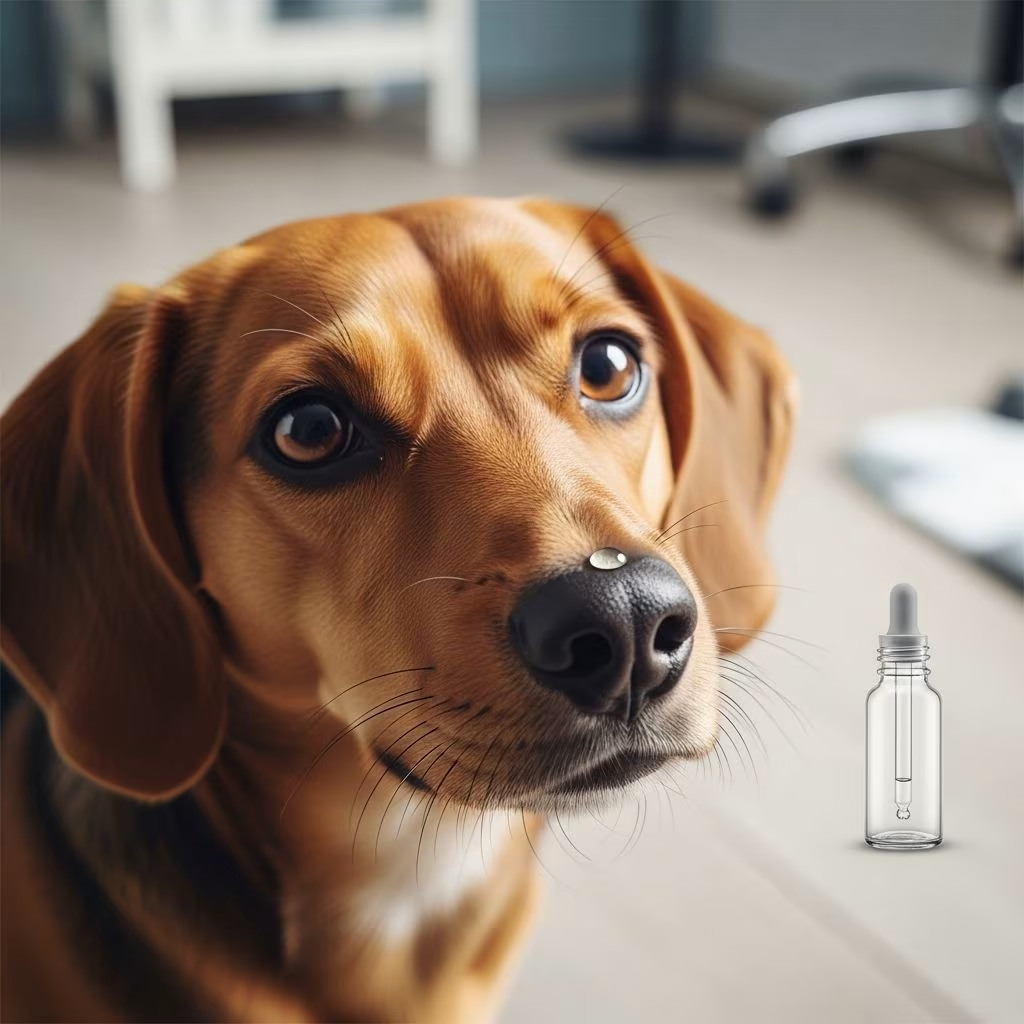
Mineral oil serves as a common lubricant laxative to address constipation in dogs by softening stools and easing passage. Proper use requires veterinary guidance to avoid complications like nutrient malabsorption or aspiration risks.
What Is Mineral Oil and How Does It Work in Canines?
Derived from petroleum, mineral oil is a clear, odorless liquid that coats the intestinal lining and retains moisture in stools. This lubrication facilitates smoother bowel movements without being absorbed into the bloodstream, making it suitable for short-term relief in dogs experiencing mild digestive blockages.
In veterinary practice, it mimics natural oils to prevent stool drying in the colon. Unlike stimulant laxatives, it gently promotes evacuation without cramping, ideal for dehydrated or fiber-deficient pets.
Primary Applications for Canine Digestive Relief
- Constipation Management: Eases passage of hard stools caused by dehydration, low-fiber diets, or inactivity.
- Impaction Prevention: Useful post-surgery or during recovery when mobility is limited.
- Temporary Aid: Supports bowel regularity in senior dogs or those on medication affecting digestion.
Always pair with increased water intake and dietary fiber to enhance effectiveness.
Recommended Dosage Guidelines by Dog Size
Veterinarians tailor dosages based on weight to minimize risks. Mix into food rather than direct administration.
| Dog Weight | Approximate Dosage | Frequency |
|---|---|---|
| Small (<20 lbs) | 1-2 tsp | Once daily, max 2-3 days |
| Medium (20-50 lbs) | 1-2 tbsp | Once daily, max 2-3 days |
| Large (>50 lbs) | 2-4 tbsp | Once daily, max 2-3 days |
These are general estimates; consult a vet for precise amounts. Never exceed short-term use.
Step-by-Step Administration Best Practices
- Consult your veterinarian first to rule out underlying conditions like obstructions.
- Administer 2-3 hours after a meal to ensure proper digestion timing.
- Mix thoroughly into wet food or a treat to mask taste and encourage consumption.
- Monitor for bowel movement within 6-12 hours; repeat only if advised.
- Provide ample fresh water to prevent dehydration.
Avoid oral squirting, as it risks inhalation leading to pneumonia.
Potential Risks and Side Effects to Watch For
While generally safe short-term, mineral oil can bind to fat-soluble vitamins (A, D, E, K), reducing absorption and risking deficiencies with prolonged use. Plasma vitamin A levels drop notably at higher doses like 30cc daily.
- Respiratory Hazards: Aspiration causes coughing, distress, or pneumonia.
- Nutritional Interference: Long-term use depletes essential nutrients for bone, vision, and immune health.
- GI Upset: Diarrhea, bloating, or dependency on laxatives.
- Overdose Signs: Lethargy, vomiting—seek emergency care.
A subchronic study in beagle dogs fed high levels (1500 ppm) showed only mild laxative effects, no toxicity.
Contraindications: When to Avoid Mineral Oil
Certain dogs should not receive it:
- Pregnant or nursing females, risking fetal harm.
- Puppies under 6 weeks, with immature systems.
- Dogs with liver disease, dehydration, or vomiting.
- Those on high-fat diets, amplifying absorption issues.
Recognizing and Treating Constipation in Dogs
Symptoms include straining, hard pellets, reduced frequency, or loss of appetite. Causes range from diet to medications or megacolon.
Prevention strategies:
- High-fiber kibble or pumpkin supplements.
- Daily exercise routines.
- Probiotics for gut balance.
Effective Alternatives to Mineral Oil
| Alternative | Benefits | Usage Notes |
|---|---|---|
| Pumpkin Puree | Natural fiber, hydrates stools | 1-4 tbsp daily based on size |
| Miralax (PEG 3350) | Osmotic, vet-approved | Dose per vet instructions |
| Psyllium Husk | Bulks stools gently | Mix in water/food |
| Probiotics | Supports microbiome | Daily supplement |
These options promote long-term regularity without nutrient risks.
Long-Term Nutrient Management During Laxative Use
Counteract interference by supplementing vitamins A, D, E, K via vet-recommended products. Regular bloodwork monitors levels, especially in growing puppies.
Veterinary Perspectives on Safe Integration
Experts stress mineral oil’s role as a bridge, not a cure. Combine with diagnostics like X-rays for chronic cases. Transition to fiber-rich diets prevents recurrence.
Frequently Asked Questions (FAQs)
Can I give mineral oil to my puppy?
Avoid in puppies under 6 weeks; consult vet for older ones due to sensitivity.
How quickly does mineral oil work in dogs?
Effects appear in 6-12 hours, up to 48 hours max before vet reevaluation.
Is mineral oil toxic if overdosed?
Excess causes diarrhea or aspiration; contact poison control or ER vet immediately.
Can pregnant dogs use mineral oil?
No, it poses risks to developing puppies.
What if my dog aspirates mineral oil?
Watch for breathing issues; seek emergency treatment for pneumonia prevention.
Holistic Approaches to Canine Bowel Health
Integrate omega-3s, hydration fountains, and routine vet checkups. Track stool quality via apps for patterns.
For persistent issues, explore enemas or surgery under professional care.
References
- Understanding the Impact of Mineral Oil on Dogs’ Health — Oreate AI. 2023. https://www.oreateai.com/blog/understanding-the-impact-of-mineral-oil-on-dogs-health/1f5a99b725bb852c8e5313270c51147e
- Mineral Oil For Dogs: Uses, Dosage, & Side Effects — DogTime. 2023-10-15. https://dogtime.com/dog-health/88746-mineral-oil-dogs-uses-dosage-side-effects
- Is mineral oil safe for dogs — Yumwoof. 2024. https://yumwoof.com/pages/is-mineral-oil-safe-for-dogs
- Subchronic feeding study of four white mineral oils in dogs and rats — PubMed (J Am Coll Toxicol). 1995-06. https://pubmed.ncbi.nlm.nih.gov/7768201/
- Petroleum Product Poisoning in Animals — MSD Veterinary Manual. 2024. https://www.msdvetmanual.com/toxicology/petroleum-product-poisoning/petroleum-product-poisoning-in-animals



