

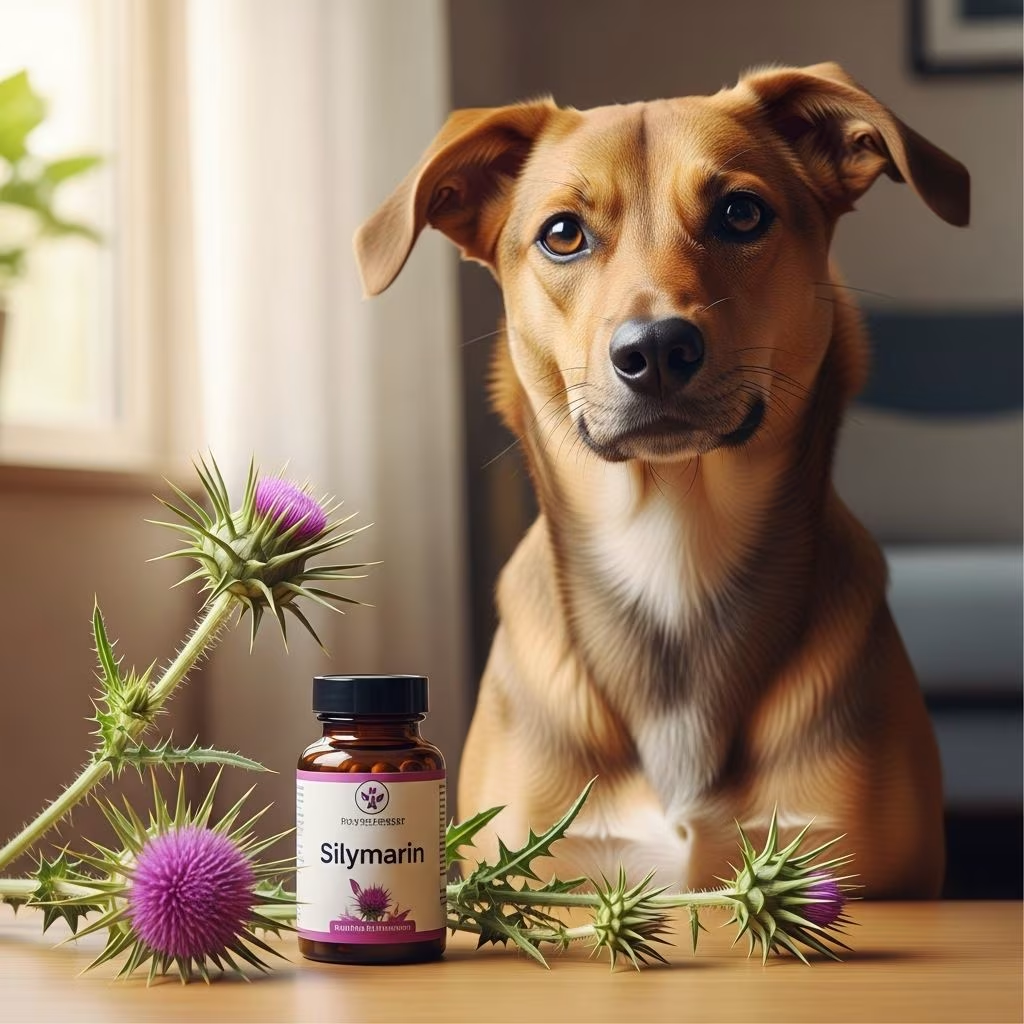
Milk Thistle or Silymarin: A Comprehensive Guide for Pet Health
Silymarin, commonly known as milk thistle, is a natural nutritional supplement that has gained significant recognition in veterinary medicine for its therapeutic applications. This powerful herbal remedy is used to address a variety of liver conditions, diseases, and toxicities across multiple companion animal species, including cats, dogs, birds, rabbits, horses, and other pets. Beyond its primary role as a liver support supplement, silymarin has demonstrated promising potential in preventing certain types of cancer, mitigating chemotherapy side effects, and providing protection to the kidneys.
What is Silymarin?
Silymarin is the active compound extracted from the seeds of the milk thistle plant, scientifically known as Silybum marianum. The seeds of this plant contain a group of compounds that work synergistically to provide therapeutic benefits. The active extract of milk thistle is a mixture of flavonolignans, typically containing approximately 70-80% silymarin and 20-30% of a chemically undefined fraction comprising polymeric and oxidized polyphenolic compounds.
The main component of silymarin is silybin, which is responsible for the majority of the supplement’s potent antioxidant and anti-inflammatory effects. Additionally, milk thistle contains two other important chemicals: silychristine and silydianin. These three substances work together to create the comprehensive hepatoprotective properties that make silymarin such a valuable therapeutic agent in veterinary medicine.
How Silymarin Works
Silymarin functions through multiple mechanisms of action to protect and support liver health. The compound acts as a potent antioxidant, helping to protect liver cells from oxidative damage and free radical formation. It also provides anti-inflammatory benefits that help reduce inflammation within the liver tissue.
One of the most important ways silymarin works is by stimulating bile production and secretion. This enhanced bile flow is particularly beneficial for dogs and cats experiencing cholestasis or sluggish bile movement. Improved bile flow helps with the proper elimination of toxins and waste products from the body.
Additionally, silymarin has been shown to help regenerate damaged liver cells and protect them from further injury. This regenerative property makes it especially valuable for pets recovering from acute liver injury or managing chronic liver disease. The supplement also helps regulate protein synthesis and biomembrane functions, contributing to overall hepatic health and recovery.
Primary Uses of Silymarin in Companion Animals
Liver Disease and Hepatic Conditions
The most well-established use of silymarin is in treating various forms of liver disease in companion animals. Silymarin is particularly effective for pets suffering from acute liver injury, chronic liver disease, and hepatic lipidosis (fatty liver disease). Veterinarians frequently recommend silymarin as part of a comprehensive treatment plan for these conditions.
For cats and dogs with elevated liver enzymes or diagnosed liver disease, silymarin helps support liver function during the recovery process. The supplement works alongside conventional veterinary treatments to enhance overall therapeutic outcomes and accelerate healing.
Detoxification Support
Silymarin is invaluable for pets that have been exposed to environmental toxins or have ingested harmful substances. This includes exposure to lawn chemicals, pesticides, heavy metals, and other environmental contaminants. By supporting the liver’s natural detoxification processes, silymarin helps the body eliminate these harmful substances more effectively.
The supplement is also used to mitigate the hepatotoxic effects of certain medications, particularly those known to cause liver irritation such as seizure medications, corticosteroids, and pain medications that require long-term administration.
Chemotherapy Support
One of the most important applications of silymarin in veterinary oncology is its use as a protective agent during chemotherapy treatment. Many chemotherapy drugs can cause liver damage as a side effect. Administering silymarin alongside chemotherapy may help protect the liver from drug-induced damage while still allowing the cancer treatment to be effective.
Additional Therapeutic Applications
Beyond primary liver support, silymarin has demonstrated efficacy in several other conditions. For dogs and cats experiencing kidney disease, silymarin has been shown to reduce drug-induced kidney toxicity that can lead to kidney failure. Pancreatitis, a common inflammatory condition in dogs, may also benefit from milk thistle supplementation, as the supplement can help ease symptoms and support pancreatic function.
Silymarin is also useful as an adjunct therapy in treating certain parasitic infections and viral diseases. Research has demonstrated its effectiveness when used alongside conventional treatments for conditions such as giardia parasitosis and viral infections like leptospirosis and parvovirus recovery support.
Specific Conditions Treated with Silymarin
Silymarin has proven beneficial for pets dealing with the following conditions:
- Liver disease or elevated liver enzymes
- Hepatitis and inflammatory liver conditions
- Fatty liver disease (hepatic lipidosis)
- Jaundice and biliary disorders
- Exposure to environmental toxins
- Drug-induced liver injury from medications
- Kidney disease and drug-induced kidney toxicity
- Pancreatitis
- Support during chemotherapy treatment
- Recovery from viral infections
- Parasitic infections
- Cognitive decline in senior pets
Dosage Recommendations
Proper dosing of silymarin is essential for ensuring its therapeutic effectiveness while maintaining safety. The recommended dosage varies depending on the form of the supplement, the pet’s body weight, and the specific condition being treated.
Milk Thistle Extract
The usual recommended extract of milk thistle contains 70 to 80 percent silymarin. Each extract product should have a label clearly indicating the silymarin percentage, which helps pet owners calculate the appropriate dose for their animal.
Tincture Dosage
For tincture formulations, the starting dose is typically 1/4 teaspoon per 20 pounds of body weight per day. This daily dose should be divided into 2 to 4 equal doses administered throughout the day to maintain consistent therapeutic levels.
Powder Dosage
Powder formulations are generally dosed at 2-5 milligrams per pound of body weight, administered 2 to 3 times per day. For pets over 120 pounds, the typical dosage is 1 teaspoon twice daily, providing approximately 132 milligrams of silymarin per day.
It is important to note that individual dosing may vary based on the specific product formulation and the veterinarian’s recommendations for the pet’s particular condition. Always consult with a veterinarian to determine the most appropriate dose for your pet.
Commercially Available Forms
Several commercial products contain milk thistle or silymarin formulations designed specifically for pets. Denamarin® is an over-the-counter supplement that combines silybin (the active compound from milk thistle) with SAMe (S-adenosylmethionine), another hepatoprotective compound. This combination product is marketed specifically for dogs and cats with liver disease.
The silybin component in Denamarin® has been shown to have superior absorption in dogs compared to other milk thistle extract products. Denamarin® Advanced is a prescription formulation that contains the same two active ingredients but incorporates a proprietary formula designed to enhance absorption and maximize therapeutic benefits.
Silymarin preparations are available in multiple forms including tinctures, powders, capsules, and tablets, allowing pet owners to choose the administration method that works best for their individual pets.
Safety Considerations and Precautions
While silymarin is generally well-tolerated in companion animals, certain precautions should be observed when administering this supplement.
Milk thistle should not be used in pregnant or nursing pets. Additionally, silymarin should not be administered within 48 hours before or after surgery or anesthesia, as it may interact with anesthetic agents and other perioperative medications.
Pet owners should monitor their animals for any changes in condition while taking silymarin. If an animal’s condition worsens or does not improve after a reasonable trial period, administration should be discontinued and a veterinarian should be consulted immediately.
It is essential to inform veterinarians about any supplements being given to pets, including silymarin, as the supplement may interact with certain medications or medical conditions. This is particularly important for pets taking multiple medications or those with complex medical histories.
Efficacy in Different Animal Species
While much research has focused on silymarin’s use in dogs and cats, veterinarians may also prescribe milk thistle for use in horses, birds, ferrets, and rabbits. In equine athletes, milk thistle seed cake has shown positive effects, including a faster return of cortisol to resting values after exercise. In farm animals, silymarin improves performance, product quality, and oxidative stability while supporting liver function throughout the productive life-cycle.
In farm animals, silymarin also improves gut health and morphology while reducing intestinal pathogens. In aquaculture, milk thistle confirms its usefulness in supporting animal health and performance across various species.
Frequently Asked Questions
Q: Is silymarin safe for long-term use in pets?
A: Silymarin has a strong safety profile and is generally well-tolerated for long-term use. However, it should not be used in pregnant or nursing animals. Always consult your veterinarian about appropriate duration of therapy for your pet’s specific condition.
Q: Can milk thistle be used alongside conventional liver medications?
A: Yes, silymarin is often used as a complementary therapy alongside conventional veterinary treatments. However, always inform your veterinarian about all supplements and medications to prevent potential interactions.
Q: How long does it take to see results from silymarin supplementation?
A: The timeline for seeing results varies depending on the condition being treated and the individual pet. Some pets may show improvement within a few weeks, while others may require several weeks to months of consistent supplementation.
Q: Can silymarin be used for prevention of liver disease?
A: While primarily used for treatment, silymarin may have protective properties for pets at risk of liver disease or those exposed to hepatotoxic medications. Discuss preventive use with your veterinarian.
Q: Are there any drug interactions with silymarin?
A: While serious interactions are rare, silymarin may interact with certain medications. Always inform your veterinarian about all medications and supplements your pet is receiving.
Q: What is the difference between milk thistle and silymarin?
A: Milk thistle is the plant, while silymarin is the active compound extracted from the plant’s seeds. The terms are often used interchangeably in veterinary medicine, but silymarin specifically refers to the therapeutic extract.
Conclusion
Silymarin, derived from the milk thistle plant, represents a valuable therapeutic option in veterinary medicine for supporting liver health and treating hepatic disease in companion animals. With its well-documented antioxidant, anti-inflammatory, and hepatoprotective properties, silymarin offers pet owners an effective supplement for managing acute liver injury, chronic liver disease, and protecting the liver from drug-induced damage and environmental toxins.
Whether used as a standalone supplement or as an adjunct to conventional veterinary treatment, milk thistle has demonstrated its efficacy across multiple species and conditions. By working with your veterinarian to determine appropriate dosing and monitoring for your pet’s specific needs, silymarin can play an important role in maintaining and restoring liver health and overall wellness.
References
- Use of Milk Thistle in Farm and Companion Animals: A Review — National Center for Biotechnology Information (NCBI) PubMed. 2022. https://pubmed.ncbi.nlm.nih.gov/36302565/
- Milk Thistle or Silymarin — VCA Animal Hospitals. 2025. https://vcahospitals.com/know-your-pet/milk-thistle-or-silymarin
- Milk Thistle/SAMe | Dog, Cat, Pet Medication — PetMD. 2025. https://www.petmd.com/pet-medication/milk-thistle-same
- Application of silymarin in human and animal medicine — Journal of Pre-clinical and Clinical Research. 2022. https://www.jpccr.eu/pdf-71222-8462
- How Milk Thistle For Dogs Protects The Liver — Dogs Naturally Magazine. 2025. https://www.dogsnaturallymagazine.com/milk-thistle-for-your-dog/
- Silymarin (Milk Thistle) Vet Guide 2025 — Ask A Vet. 2025. https://askavet.com/blogs/news/silymarin-milk-thistle-vet-guide-2025-by-dr-duncan-houston
- Milk Thistle – Herbsmith INC — Herbsmith Inc. 2025. https://www.herbsmithinc.com/milkthistle/



