

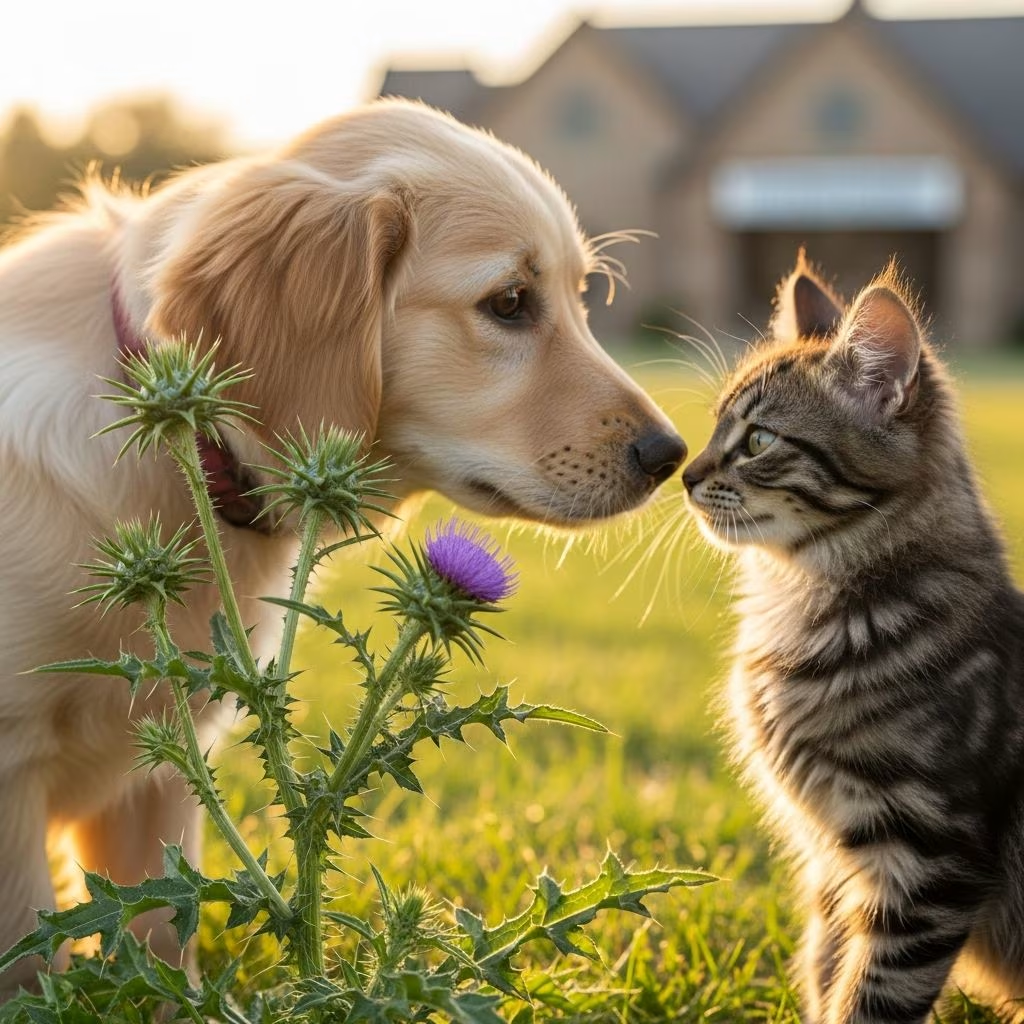
Milk Thistle or Silymarin: A Comprehensive Guide for Pet Health
Silymarin, commonly known as milk thistle, is a nutritional supplement used to treat a variety of liver conditions, diseases, and toxicities in cats, dogs, birds, rabbits, horses, and other companion animals. This herbal remedy has gained recognition in veterinary medicine for its potent hepatoprotective and antioxidant properties. Pet owners seeking natural ways to support their animal’s liver function often turn to milk thistle as a complement to conventional treatments or as a preventive measure against liver damage.
What is Silymarin?
Milk thistle, scientifically known as Silybum marianum, is a flowering plant originally native to Europe that is now found throughout the world. The plant has been used in traditional herbal medicine for thousands of years. The seeds of the milk thistle plant contain a group of compounds collectively known as silymarin, which is where most of the plant’s healing power originates.
Silymarin is a combination of three key chemicals isolated from the fruit of the milk thistle plant:
- Silychristine
- Silydianin
- Silybin (the most active ingredient)
Among these three compounds, silybin is considered the most active ingredient of the extract and is primarily responsible for milk thistle’s therapeutic effects. The active extract of milk thistle typically contains approximately 70-80% silymarin and 20-30% of a chemically undefined polyphenolic fraction.
How Silymarin Works in Pets
Silymarin functions as a potent antioxidant and anti-inflammatory agent that helps protect and regenerate cells, especially in the liver. The mechanism of action involves several important processes. Some researchers believe silymarin has an effect on cell membrane permeability and may control which substances enter and leave cells. Additionally, silymarin may help liver cells produce more proteins, improving the liver’s overall function.
The hepatoprotective effects of milk thistle work by protecting liver cells from apoptosis (cell death) and fibrosis (thickening or scarring). This makes it particularly valuable for pets exposed to toxins, medications, or suffering from liver disease.
Common Uses of Silymarin for Pets
Milk thistle and silymarin extracts are used for numerous conditions in veterinary medicine. Understanding these applications helps pet owners recognize when supplementation might benefit their animals:
- Liver disease and elevated liver enzymes
- Liver damage from toxins (such as Amanita mushrooms and carbon tetrachloride)
- Hepatitis and infectious liver conditions
- Leptospirosis and parvovirus recovery
- Jaundice
- Antioxidant support
- Improved tolerance to chemotherapy and radiation treatments
- Kidney disease and drug-induced kidney toxicity
- Pancreatitis
- Exposure to environmental toxins (such as lawn chemicals)
- Side effects from long-term medications (seizure medications, steroids, pain medications)
Liver Support and Detoxification
Milk thistle is often used when a pet’s liver is under stress, whether from illness, toxins, or medications. The liver is the body’s primary detoxification organ, and when it becomes overwhelmed or damaged, supplemental support becomes crucial. Silymarin helps regenerate liver cells and protect them from further damage, making it one of the most researched herbs for liver health in both human and veterinary medicine.
For pets with liver disease or elevated liver enzymes, milk thistle can provide meaningful support. It works synergistically with the liver’s natural ability to heal and restore function. This is particularly important for aging pets or those with chronic conditions that place ongoing stress on hepatic function.
Protecting Against Chemotherapy Side Effects
One of the most promising applications of silymarin in veterinary oncology is its potential to protect pets undergoing chemotherapy and radiation treatments. Milk thistle supplements had a protective effect on kidney cells in vitro when the chemotherapy drug cisplatin was used. Additionally, in a human clinical trial, patients undergoing radiation treatment for head and neck cancer who took silymarin supplements had decreased mucositis, or inflammation and pain in the tissues of their mouths.
These findings suggest that silymarin may help pets tolerate cancer treatments better by reducing toxicity to healthy cells while allowing therapeutic agents to work effectively against cancer cells. Many veterinary oncologists now recommend milk thistle as an adjunctive therapy for dogs and cats undergoing chemotherapy.
Evidence for Efficacy
Silymarin has an established track record in both human and veterinary medicine. In human patients with alcohol-induced liver damage and liver disease from Hepatitis C, silymarin has been shown in some studies to decrease symptoms, improve laboratory tests, and increase survival time. However, results from clinical trials in human medicine have been conflicting, with some studies showing no clinical benefit for patients with liver disease.
In veterinary studies, treatment with silymarin appeared to be beneficial to dogs after ingestion of toxins that harm the liver, including Amanita mushrooms and carbon tetrachloride. The documented hepatoprotective effects make milk thistle a reasonable choice for pets exposed to known liver toxins or experiencing liver dysfunction.
Veterinary Silymarin Products
Several veterinary brands containing silybin or silymarin are available on the market, each with specific formulations designed to maximize therapeutic benefits:
- Marin – A combination of silymarin, vitamin E, and phosphatidyl choline (PEP), used for management of liver disease
- Denamarin – A combination of silymarin and S-adenosylmethionine (SAMe), used for management of liver disease
Both Marin and Denamarin help protect liver cells from apoptosis and fibrosis. These prescription or over-the-counter products are formulated to ensure consistent dosing and bioavailability, making them reliable choices for pet owners seeking professional-grade supplementation.
Dosing Recommendations for Pets
Proper dosing is essential for ensuring the efficacy of milk thistle supplementation while maintaining safety. The recommended dosage varies depending on the specific product and formulation:
General Silymarin Dosage: For liver protection, the typical dose is 20-50 mg per kilogram of body weight per day by mouth. This dose is often given once daily, although most milk thistle supplements are labeled with a twice-daily dosage recommendation.
Denamarin Dosage: The suggested dose of Denamarin for the protection of liver cells is 1.2-4 mg per kilogram of body weight of silybin (also called silibinin) with 15-38 mg per kilogram of body weight of SAMe per day. This dose is often given once per day.
Pet owners should always follow the specific dosing instructions provided on product labels or by their veterinarian, as formulations and concentrations can vary between manufacturers.
Safety Considerations
In general, milk thistle is considered safe for dogs, cats, and other companion animals when used at recommended doses. However, there are specific situations where silymarin should be used with caution or avoided altogether:
Drug Interactions
Cisapride Interaction: Silymarin combined with cisapride, a drug that increases intestinal motility, can lead to heart rhythm disturbances.
Cytochrome P450 Interactions: Silymarin products may affect the enzyme cytochrome P450 2C9 (CYP2C9). The drugs processed by this enzyme include diazepam and warfarin, and silymarin products may impact their levels in the body. If your pet is taking these medications, inform your veterinarian before starting milk thistle supplementation.
When to Use Milk Thistle Supplementation
Milk thistle supplementation is particularly beneficial in several scenarios. Pets with acute liver damage from toxin exposure may benefit from immediate supplementation combined with veterinary treatment. Animals with chronic liver disease require ongoing hepatoprotective support to slow disease progression and maintain quality of life. Dogs and cats undergoing chemotherapy may tolerate treatment better with silymarin supplementation. Senior pets with age-related liver function decline can benefit from preventive silymarin therapy. Additionally, pets taking hepatotoxic medications such as certain seizure preventatives or steroids may warrant liver support supplementation.
Frequently Asked Questions
Q: Is milk thistle safe for all pets?
A: Milk thistle is generally safe for dogs, cats, birds, rabbits, horses, and other companion animals. However, pets taking certain medications, particularly cisapride, diazepam, or warfarin, should use milk thistle only under veterinary supervision due to potential drug interactions.
Q: How long does it take to see results from milk thistle supplementation?
A: The timeframe for observing benefits from silymarin varies depending on the condition being treated and the severity of liver damage. Some pets may show improvements in liver enzyme levels within weeks, while others require several weeks to months for optimal results. Consistent supplementation as recommended is essential.
Q: Can milk thistle be used preventively?
A: Yes, milk thistle can be used preventively for pets at risk of liver damage, including those exposed to environmental toxins, taking hepatotoxic medications, or undergoing chemotherapy. Preventive supplementation may help maintain liver function and reduce the risk of liver disease development.
Q: Does milk thistle interact with other supplements?
A: While milk thistle is generally compatible with most supplements, it’s important to inform your veterinarian about all supplements and medications your pet is receiving. Some formulations like Denamarin already include complementary compounds such as SAMe, so avoid duplication.
Q: What are the signs my pet’s liver needs support?
A: Signs of liver stress include jaundice (yellowing of the eyes, gums, and skin), vomiting, loss of appetite, lethargy, abdominal pain, and changes in urine or stool color. Elevated liver enzymes on blood work are also indicators that supplementation may be beneficial. Always consult with your veterinarian for proper diagnosis and treatment recommendations.
Conclusion
Milk thistle, or silymarin, represents a valuable natural supplement for supporting liver health and function in companion animals. With its well-established antioxidant and hepatoprotective properties, silymarin offers pet owners a scientifically-backed option for treating liver disease, protecting against toxins, and supporting recovery from illness or medical treatment. Whether used therapeutically for existing liver conditions or preventively for at-risk pets, milk thistle has demonstrated efficacy across multiple veterinary applications.
The availability of veterinary formulations such as Marin and Denamarin provides pet owners with professional-grade options ensuring consistent dosing and quality. However, as with any supplement or medication, consultation with a veterinarian is essential to determine appropriate dosing, identify potential drug interactions, and monitor your pet’s response to supplementation. With proper guidance and consistent use, milk thistle can play an important role in maintaining and restoring liver health in your beloved companion animals.
References
- Milk Thistle for Dogs (Silymarin) — DogCancer.com. Accessed November 2025. https://www.dogcancer.com/articles/supplements/milk-thistle-for-dogs/
- Use of Milk Thistle in Farm and Companion Animals: A Review — PubMed Central (NCBI). 2022. https://pubmed.ncbi.nlm.nih.gov/36302565/
- The Benefits of Milk Thistle for Dogs and Cats — Adored Beast. Accessed November 2025. https://blog.adoredbeast.com/the-benefits-of-milk-thistle-for-dogs-and-cats/
- Application of silymarin in human and animal medicine — Journal of Pharmaceutical and Clinical Research. https://www.jpccr.eu/pdf-71222-8462?filename=Application+of+silymarin.pdf
- How Milk Thistle For Dogs Protects The Liver — Dogs Naturally Magazine. Accessed November 2025. https://www.dogsnaturallymagazine.com/milk-thistle-for-your-dog/
- Milk Thistle or Silymarin — VCA Animal Hospitals. Accessed November 2025. https://vcahospitals.com/know-your-pet/milk-thistle-or-silymarin



