

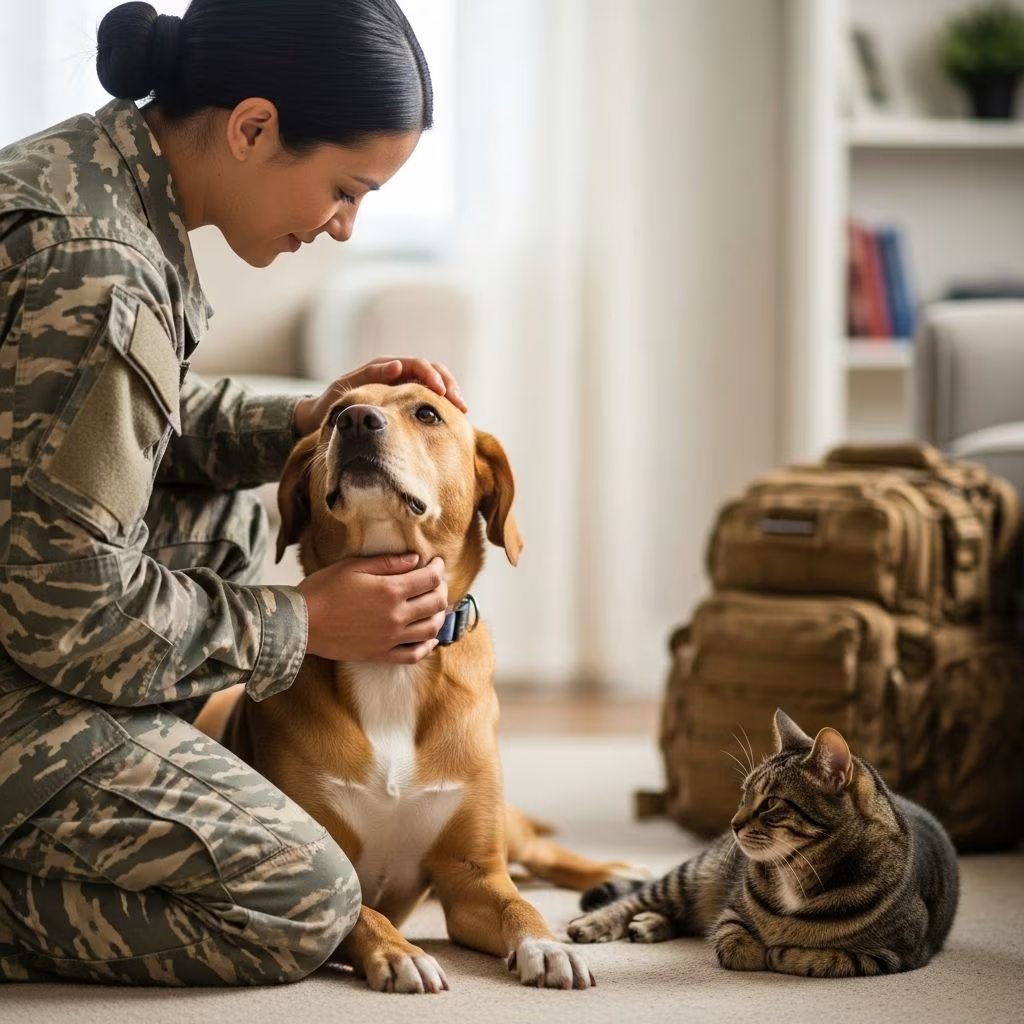
Military Pet Fostering and Rehoming Resources
Serving in the military brings unique challenges, particularly when it comes to caring for beloved pets. Members of the military may or may not be able to take their pets with them on deployment, and understanding your options is crucial for ensuring your animal companion receives the best possible care during your service commitment. This comprehensive guide provides military families with practical information about fostering, rehoming, and other placement options for pets during deployment and reassignment.
Understanding Your Pet’s Deployment Options
Before making any decisions about your pet’s care, it is essential to gather information about your specific deployment situation. Start by checking with your commander regarding pet-friendly housing arrangements at your deployment location. Many military bases have specific policies about which pets are permitted and any size or breed restrictions that may apply. Additionally, consult with the base veterinarian, who can help determine whether your pet will need vaccines, health certificates, or other medical care prior to moving or deployment.
PetTravel.com offers valuable information about transporting pets, quarantine rules in various countries, and other military pet travel tips that may prove invaluable when planning your pet’s journey. Understanding these requirements early can help you make informed decisions about whether bringing your pet is feasible or whether foster care or permanent rehoming would be more appropriate.
Assessing the Duration of Separation
One of the most important factors in determining the best care option for your pet is the length of time you will be separated. If you are unable to take your pet with you on assignment, carefully consider how long you’ll be gone. Short-term separations, such as temporary duty (TDY) assignments lasting weeks or a few months, may be well-suited to foster care arrangements. Longer deployments lasting six months to a year or more might make permanent rehoming a more appropriate choice for your pet’s stability and long-term well-being. Understanding this timeline will help you select the option that best serves your pet’s needs.
Military Pet Fostering Options
Fostering offers military families a temporary solution that allows them to maintain connection with their pets while fulfilling their service obligations. If you decide on fostering for your pet, begin by checking with relatives, friends, and other people you trust to see whether anyone is willing to foster your animal. This personal approach often provides the best outcome, as your pet stays with someone familiar and loved.
Informal Foster Care Through Personal Networks
Before pursuing formal programs, leverage every means at your disposal to find a foster caregiver. Utilize social media platforms to broadcast your needs, post notices on base bulletin boards, and share information through community bulletins. Many military families find that their strongest support network includes trusted friends, family members, and fellow service members who are willing to help during deployment.
Creating a Foster Care Agreement
We recommend that you create a formal foster care agreement for your pet, even when fostering with trusted friends or family members. A written agreement ensures that everyone involved understands the expected level of care, feeding schedules, veterinary procedures, emergency protocols, and other important details. This agreement protects both your pet and the foster caregiver by establishing clear expectations and reducing misunderstandings.
Preparing Your Pet for Successful Fostering
To increase the likelihood of finding suitable foster care, ensure your pet is in the best possible condition:
Veterinary Care: Make sure your pet has had a thorough veterinary examination and is up to date on all vaccinations. A healthy pet will be easier to place with a foster caregiver and will have fewer medical issues during your absence.
Documentation: Gather important health records, feeding instructions, behavioral notes, and emergency contact information. Provide clear documentation about your pet’s routines, preferences, and any special needs.
Microchipping and Identification: Ensure your pet is microchipped and has current identification tags. This provides an additional safety measure if your pet is accidentally separated from the foster caregiver.
Formal Military Pet Fostering Organizations
Several established organizations specialize in providing foster care specifically for military pets. These groups have proven track records and offer structured programs designed to meet the unique needs of military families.
Dogs on Deployment
Founded by a dual-military husband and wife team, Dogs on Deployment understands firsthand the difficulty of leaving a pet behind when military obligations require relocation or deployment. This foster and military pet advocacy program pairs vetted volunteers with military pets who need temporary care while their service members are away. Beyond fostering, Dogs on Deployment provides education services, promotes pet health, and offers financial support for families experiencing pet-related emergencies. Despite its name, the organization caters to both cats and dogs, recognizing that military families have diverse pet companions.
PACT for Animals (People + Animals = Companions Together)
PACT for Animals operates a Military Foster Program that serves as a particularly valuable resource for military personnel with pets. The organization screens and matches potential fosterers with service members and their pets needing care. PACT also facilitates consistent and regular contact between pets, owners, and temporary caretakers through videos, Facebook messages, and other communication methods for the duration of the separation. When you register your dog as needing fostering during deployment, you are submitting to an organization with a proven track record of helping animals and supporting military families.
Guardian Angels for Soldier’s Pets
Guardian Angels for Soldier’s Pets is another excellent organization dedicated to helping all fuzzy and fluffy family members in the military community. This group runs a widespread Pet Foster Home program across all 50 states and every branch of service. If you are heading out on a combat, peacekeeping, or humanitarian deployment, Guardian Angels’ approved foster homes will provide loving care for your pet while you fulfill your duty.
American Humane
American Humane, one of the largest and most widespread animal advocacy groups in the world, provides information on fostering military pets as part of their broader military initiatives. Although they do not run their own in-house fostering program, they offer valuable advice and guidance on how to foster effectively. Their military pet initiatives and programs date back to World War I, and over more than 100 years, they have supported countless military families and their dogs.
Permanent Pet Rehoming for Military Families
In some situations, permanent rehoming may be the most appropriate option for your pet. This is particularly true for long-term assignments, overseas deployings with significant quarantine requirements, or situations where personal circumstances have changed. If you decide to rehome your pet, approach the process thoughtfully and deliberately to ensure your pet finds the right forever home.
Spreading the Word About Your Pet
Effective rehoming begins with making information about your pet widely available:
Social Media Marketing: Post the flyer or information about your pet on social media platforms. Ask friends and family members to share these posts within their networks to expand your reach significantly.
Physical Flyers: Put up flyers at your workplace, your veterinarian’s office, military bases, and other places where there are public bulletin boards. Include clear photos, basic information about your pet’s personality and needs, and your contact information.
Rescue Groups and Shelters: Contact all rescue groups and shelters in your area. Even if they cannot directly take your pet, many groups offer courtesy postings on their websites or allow you to bring your animal to one of their adoption events, significantly increasing your pet’s visibility.
Screening Potential Adopters
Taking time to screen potential adopters ensures your pet goes to a loving, appropriate home. Ask questions about their living situation, experience with pets, family structure, and expectations for pet care. Request references from previous pet owners or veterinarians. Trust your instincts—if something feels wrong about an adoption situation, it is acceptable to decline and continue searching.
Creating Adoption Resources
For more information on screening potential adopters and additional ideas to help you rehome your pet successfully, consult Best Friends Animal Society’s comprehensive guide on finding a new home for a pet. This resource provides detailed strategies for successful rehoming.
Key Considerations for Pet Transitions
Whether you choose fostering or permanent rehoming, several important factors will influence your pet’s success during the transition:
Maintaining Records: Keep detailed medical records, vaccination certificates, and behavioral notes for your foster caregiver or new adoptive family.
Emotional Preparation: Prepare your pet for the transition by maintaining familiar routines as long as possible and introducing the foster caregiver or new family gradually if feasible.
Clear Communication: Establish clear communication channels with your pet’s temporary or permanent caregiver. Provide your contact information and emergency protocols.
Follow-Up: When appropriate, maintain contact with foster caregivers to ensure your pet is adjusting well. For permanent adoptions, periodic check-ins can provide peace of mind.
Supporting Military Families and Their Pets
If you are interested in supporting military families and their pets, there are several meaningful ways to contribute to this important mission. By becoming a foster home, you provide critical support to our armed forces while offering emotional and physical care to animals whose handlers are on deployment. This role involves providing a nurturing environment, ensuring regular exercise, and offering the companionship these animals need during their handler’s absence.
Alternatively, volunteering at military animal facilities offers a direct way to assist in caring for and training animals if fostering isn’t an option for you. This involvement helps maintain the animals’ training regimens and supports their daily needs. Additionally, raising awareness about fostering programs within your community and online can help recruit more foster homes. By sharing information about the importance of military pet programs, you help expand the network of potential foster homes and increase community involvement.
Common Questions About Military Pet Care
Q: Can I take my pet with me on military deployment?
A: It depends on your specific assignment and deployment location. Check with your commander about pet-friendly housing and consult the base veterinarian about health requirements, quarantine rules, and transportation needs. PetTravel.com provides country-specific information about pet travel restrictions.
Q: How do I choose between fostering and rehoming my pet?
A: Consider the length of your separation. Shorter deployments (months) are better suited to fostering, which maintains your connection with your pet. Longer assignments (a year or more) might make permanent rehoming more appropriate for your pet’s stability.
Q: What should I include in a foster care agreement?
A: A comprehensive foster agreement should include feeding schedules, veterinary procedures, emergency protocols, behavioral notes, exercise requirements, and contact information for your veterinarian and emergency contacts.
Q: How can I find a foster caregiver for my pet?
A: Begin with trusted friends and family members. Expand your search using social media, base bulletin boards, community bulletins, and formal military pet organizations like Dogs on Deployment or PACT for Animals.
Q: What organizations specifically help military families with pet care?
A: Several established organizations include Dogs on Deployment, PACT for Animals, Guardian Angels for Soldier’s Pets, and American Humane. Each offers different services tailored to military families’ unique circumstances.
Q: How do I prepare my pet for fostering or rehoming?
A: Ensure your pet has a thorough veterinary examination, is up to date on vaccinations, is microchipped with current identification, and has clear medical and behavioral documentation available for the caregiver or new family.
Moving Forward With Confidence
Military service demands sacrifice and dedication, and ensuring your pet receives quality care during your deployment or reassignment is an important part of managing that commitment. Whether you choose informal fostering with trusted friends, formal programs through established military pet organizations, or permanent rehoming, numerous resources and supportive communities exist to help you navigate this transition. By taking time to understand your options, prepare your pet thoroughly, and communicate clearly with caregivers or adopters, you can ensure your beloved companion receives the best possible care while you focus on your service obligations.
References
- Military Pet Fostering and Rehoming Resources — Best Friends Animal Society. 2024. https://bestfriends.org/pet-care-resources/military-pet-fostering-and-rehoming-resources
- Fostering Military Dogs: Essential Guide for Deployment Support — American Human Resource Network. 2024. https://blog.ahrn.com/foster-military-dogs/
- PACT for Animals — Best Friends Animal Society. 2024. https://bestfriends.org/partners/pact-animals
- Dogs on Deployment — Best Friends Animal Society. 2024. https://bestfriends.org/partners/dogs-deployment
- Veterans and Shelter Pets Healing Together — Best Friends Animal Society. 2024. https://bestfriends.org/stories/features/veterans-and-shelter-pets-healing-together
- Pets for Patriots — Pets for Patriots Organization. 2024. https://www.petsforpatriots.org/veterans/



