
Miliary Dermatitis in Cats
Discover the causes, symptoms, and effective treatments for miliary dermatitis in cats to keep your feline friend's skin healthy.
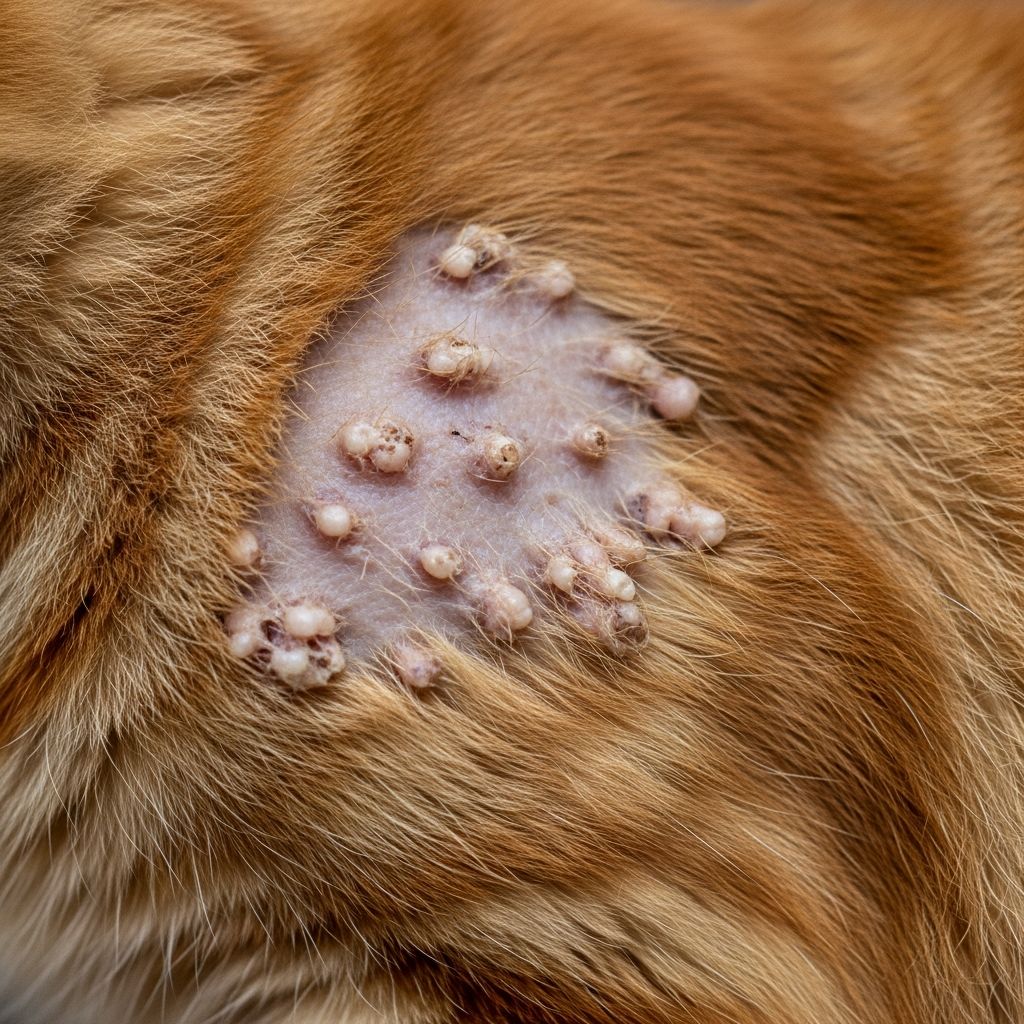
Miliary dermatitis is a frequent skin condition in cats marked by small, crusty bumps resembling millet seeds, often accompanied by intense itching. This reaction pattern stems from various underlying issues, with flea bite hypersensitivity being the leading trigger.
Understanding the Nature of Feline Miliary Dermatitis
This dermatological issue is not a standalone disease but a symptomatic response to irritants affecting the skin. Cats exhibit heightened sensitivity, where even minimal exposure to allergens or parasites provokes widespread inflammation. The term ‘miliary’ derives from the resemblance of lesions to millet grains, typically felt more than seen due to fur coverage.
Commonly affecting the back, neck, tail base, and abdomen, these lesions result from self-inflicted trauma via scratching or licking. Early recognition is crucial as untreated cases can escalate to secondary infections or chronic discomfort.
Primary Symptoms to Watch For
Owners often notice behavioral changes first, such as excessive grooming or restlessness. Key clinical signs include:
- Intense pruritus leading to scratching, biting, or licking specific areas.
- Small, red, crusted papules scattered across the skin, especially palpable along the dorsal lumbar region and tail.
- Hair loss (alopecia) in affected zones due to over-grooming.
- Redness, swelling, or raw skin from self-trauma.
- Visible scabs or epidermal collarettes after crusts shed.
In severe instances, cats may develop generalized dermatitis or secondary bacterial involvement, exacerbating the itch-scratch cycle.
Leading Causes Behind the Condition
Miliary dermatitis arises from a spectrum of triggers, broadly categorized into hypersensitivities, parasites, infections, and rarer factors. Identifying the root cause is essential for targeted therapy.
Flea Bite Hypersensitivity: The Top Culprit
Fleas top the list, with saliva proteins triggering allergic reactions in sensitized cats. A single bite can ignite symptoms, even in low-infestation homes, as cats groom efficiently. Studies indicate up to 35% of flea-allergic cats show miliary patterns, favoring the caudal back and tail.
Other Allergenic Triggers
- Atopic Dermatitis: Environmental allergens like pollen, dust mites, or mold cause 18-34% of cases, often with head and neck involvement.
- Food Allergies: Reactions to proteins (e.g., beef, fish) affect 12-17% of pruritic cats, manifesting on the head, neck, and abdomen; 20% present with miliary lesions.
Parasitic Infestations
Beyond fleas, mites (e.g., Cheyletiella, Notoedres, Otodectes), lice, and chiggers provoke similar responses. Lesion locations hint at the parasite: ear mites favor the head, while Cheyletiella targets the trunk.
Infectious and Miscellaneous Causes
Fungal infections like Microsporum canis (ringworm) or Malassezia yeast, bacterial pyoderma, and rare entities such as pemphigus foliaceus or nutritional deficits also contribute. FIV-positive cats may show generalized forms.
How Veterinarians Diagnose Miliary Dermatitis
Diagnosis begins with a thorough history and physical exam, emphasizing pruritus distribution and flea exposure. Essential steps include:
- Skin scrapings, tape preps, or combing for parasites.
- Flea comb test: Dark flea dirt turns red-brown with water, confirming exposure.
- Cytology for bacteria/yeast; fungal cultures for dermatophytosis.
- Elimination diets (8-12 weeks) for food allergies using novel proteins.
- Intravenous or intradermal testing for atopy in refractory cases.
Biopsies are reserved for ambiguous presentations to rule out autoimmune diseases.
Treatment Strategies for Relief and Recovery
Treatment hinges on the cause, always starting with flea control in endemic areas.
Parasite Elimination
Administer broad-spectrum topical or oral flea adulticides monthly, treating all household pets and environments. Effective products kill adults and disrupt larvae.
Symptom Management
| Approach | Examples | Notes |
|---|---|---|
| Anti-itch Meds | Steroids (e.g., prednisolone), Apoquel | Short-term use to break itch cycle. |
| Antibiotics | Cephalexin for secondary infections | 2-4 weeks if pyoderma present. |
| Antifungals | Itraconazole for ringworm | Confirm via culture first. |
| Topicals | Shampoos, sprays with chlorhexidine | Soothe and clean skin. |
Allergy-Specific Interventions
For food allergies, strict hydrolyzed or novel protein diets yield results in weeks. Atopics may need allergen avoidance, immunotherapy, or ongoing meds.
Preventing Recurrence in Your Cat
Proactive measures curb flare-ups:
- Year-round flea prevention, vacuuming, and washing bedding.
- Hypoallergenic diets if predisposed.
- Minimize environmental allergens via air filters and frequent cleaning.
- Regular vet check-ups for early detection.
When to Seek Immediate Veterinary Care
Rush to the vet if your cat shows widespread lesions, lethargy, fever, or non-responsive itching, signaling infection or systemic issues.
Frequently Asked Questions (FAQs)
What does miliary dermatitis look like on cats?
Small, crusty, red bumps like millet seeds, often on the back and tail, with heavy itching.
Can miliary dermatitis be cured?
Yes, by addressing the cause—e.g., flea control resolves most cases quickly.
Is miliary dermatitis contagious?
No, but underlying parasites like fleas or ringworm can spread to other pets.
How long does treatment take?
1-2 weeks for fleas; longer (months) for allergies via diet trials.
Can indoor cats get miliary dermatitis?
Absolutely, from fleas tracked indoors or food/environmental allergies.
Long-Term Management for Prone Cats
Cats with allergies benefit from omega-3 supplements, novel protein diets, and hypoallergenic shampoos. Monitor for tapeworms from fleas. Collaborate with your vet for tailored plans, potentially including allergy testing.
References
- Miliary Dermatitis in Cats — VCA Animal Hospitals. Accessed 2026. https://vcahospitals.com/know-your-pet/feline-miliary-dermatitis
- Miliary Dermatitis in cats – Clinical picture & Treatment — Royal Canin Academy. Accessed 2026. https://academy.royalcanin.com/en/veterinary/miliary-dermatitis-in-cats
- Cat Miliary Dermatitis: Causes and Treatment — MedVet. Accessed 2026. https://www.medvet.com/cat-miliary-dermatitis-causes-and-treatment/
Similar Articles








Read full bio of medha deb




