

Microchipping Your Dog: A Comprehensive Guide to Permanent Identification
As a responsible pet owner, ensuring your dog’s safety and having a reliable way to identify them if they become lost is paramount. Microchipping has emerged as one of the most effective and permanent methods of pet identification available today. Unlike traditional ID tags or collars that can be lost, damaged, or removed, a microchip provides a tamper-proof, permanent form of identification that will last your dog’s entire life.
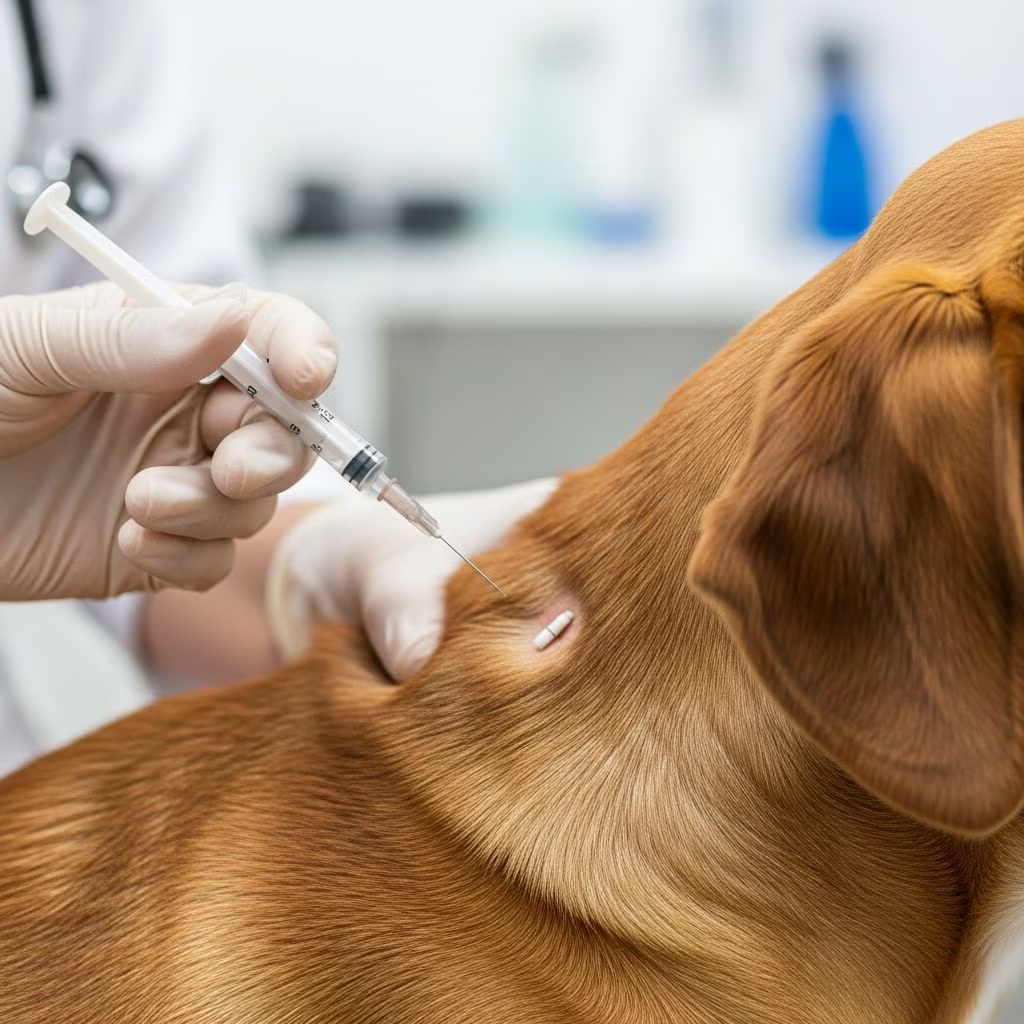
A microchip is a tiny electronic device, approximately the size of a grain of rice, that contains a unique identification number. This chip is inserted beneath your dog’s skin, typically between the shoulder blades, using a hypodermic needle. The procedure is quick, safe, and relatively painless, comparable to a routine veterinary vaccination. Once implanted, the microchip serves as a permanent identifier that can reunite you with your beloved pet if they ever go missing.
What Is a Microchip and How Does It Work?
A microchip operates using Radio Frequency Identification (RFID) technology. When a veterinarian or animal shelter scans a microchipped dog using a special scanner, the device reads the unique identification number stored on the microchip. This number is linked to your contact information in a pet recovery database. If your dog is found and brought to a veterinary clinic or animal shelter, they will scan your dog for a microchip, retrieve your contact information from the database, and contact you directly.
It is important to note that microchips do not provide real-time GPS tracking. They do not transmit a signal to locate your dog’s whereabouts. Instead, they serve as a permanent form of identification that can be scanned to retrieve contact information. If real-time location tracking is important to you, a GPS collar designed specifically for tracking would be a better option to use in conjunction with a microchip.
The Microchipping Procedure
What to Expect During the Procedure
The microchipping procedure is remarkably simple and straightforward. Your veterinarian will use a hypodermic needle, slightly thicker than a standard vaccine needle, to inject the microchip beneath your dog’s skin between the shoulder blades. The entire process takes just seconds. Most dogs experience minimal discomfort during the procedure, which many veterinarians compare to having blood drawn.
Your dog does not require any special preparation before microchipping. The procedure can often be performed during a regular veterinary visit, and no anesthesia is necessary. This makes it an efficient and convenient addition to your dog’s routine healthcare appointments. The injection site typically requires no special aftercare or healing time, though you should keep the area clean and monitor it for any unusual reactions.
Post-Procedure Care
After the microchip is implanted, no special care is required. Your dog can resume normal activities immediately. In most cases, the injection site heals quickly without any visible signs. While rare, some dogs may experience minor swelling or tenderness at the implantation site for a short period following the procedure, which typically resolves within 24-48 hours.
Benefits of Microchipping Your Dog
Permanent Identification
The most significant benefit of microchipping is that it provides permanent identification that cannot be lost or forgotten. Traditional ID tags and collars can become lost or damaged over time. Dogs that become frightened by thunderstorms, fireworks, or other stressful situations may bolt from their property without their collar or tags. A microchip, however, is embedded beneath the skin and remains with your dog for their entire life. Once implanted, you never need to replace it.
Increased Chance of Reunion
Statistics demonstrate that microchipped pets are significantly more likely to be reunited with their owners if they become lost. Many animal shelters and veterinary clinics make scanning for microchips a standard procedure when they receive lost or stray dogs. This ensures that even if your dog cannot communicate their identity through tags or verbal responses, they can still be identified and reunited with you quickly.
Proof of Ownership
A microchip serves as documented proof of ownership, which can be valuable if your dog is ever stolen or if there are any disputes about ownership. The microchip registry contains your name and contact information, establishing a verifiable record of your pet’s identity and ownership.
Safety and Peace of Mind
Knowing that your dog has a permanent form of identification provides significant peace of mind. The procedure is safe, simple, and affordable, making it an excellent investment in your dog’s safety and security.
Safety and Side Effects of Microchipping
Is Microchipping Safe?
Microchipping is considered an extremely safe procedure. Millions of microchips are implanted in dogs annually, and the reported side effects are minimal. Research has demonstrated that the benefits of microchipping greatly outweigh any associated risks. When performed by a qualified veterinarian using proper sterilization techniques, complications are extraordinarily rare.
Common Side Effects
Most dogs experience no side effects from microchipping. However, as with any medical procedure, some minor side effects are possible:
- Minor pain or tenderness at the injection site
- Slight bleeding or bruising
- Temporary swelling around the implantation area
- Brief sensitivity when the area is touched
These mild side effects typically resolve within 24-48 hours and do not require any special treatment.
Rare Complications
While serious complications are extremely uncommon, they can theoretically occur:
- Microchip Migration: In very rare cases, the microchip may migrate from its original insertion point. However, veterinary clinics and shelters are trained to scan the entire animal to locate a migrated chip. This rarely poses health risks and does not affect the chip’s functionality.
- Infection: Although uncommon, infection at the implantation site is theoretically possible. Signs include persistent swelling, redness, discharge, or warmth at the injection site. These complications are significantly minimized when the procedure is performed by a qualified veterinarian.
- Tissue Reactions: In extremely rare cases, some dogs may develop inflammatory reactions or tissue masses near the implant site. Serious long-term complications or illnesses resulting from microchip implantation have not been documented.
Minimizing Risks
To ensure the safest microchipping experience for your dog:
- Choose an experienced veterinarian to perform the procedure
- Ensure proper sterilization techniques are used
- Follow all post-procedure care instructions provided by your veterinarian
- Monitor the injection site for any unusual reactions
- Schedule regular veterinary check-ups to monitor the chip’s placement and functionality
Cost of Microchipping
The cost of microchipping typically ranges from $25 to $60, including the registration of your contact information in the microchip database. This is a one-time expense that provides lifetime identification for your dog. To keep costs down, consider scheduling the microchipping procedure during a regular veterinary appointment, which allows you to combine the costs with routine veterinary care.
If cost is a barrier to microchipping your dog, many regional humane societies and animal welfare organizations host affordable microchipping clinics where the procedure can be performed at a reduced cost.
Registration and Database Management
The Importance of Registration
Having a microchip implanted is only half of the equation; you must also register your dog in a microchip database. The microchip itself contains only an identification number. Your contact information and your dog’s details are stored in a pet recovery database. If your dog is found and scanned, the shelter or veterinary clinic will use this number to look up your information in the database and contact you.
Keeping Your Information Current
It is crucial to keep your contact information current in the microchip registry. If you move, change your phone number, or change your email address, update your information in the database immediately. Many lost dogs are not reunited with their owners simply because the contact information in the database is outdated or incorrect.
Privacy and Data Security
Some pet owners have concerns about privacy and data security when storing personal information in a microchip database. Rest assured that microchips are not actively transmitting or receiving data, so your personal information is secure. The information stored on the chip is limited to what you provide during registration. Microchip databases have protections in place to prevent unauthorized access to personal information, and the only data stored on the chip itself is the identification number linked to your contact details in the secure database.
Microchipping vs. Other Identification Methods
While microchipping is an excellent form of permanent identification, it should complement, not replace, other identification methods:
| Identification Method | Pros | Cons |
|---|---|---|
| Microchip | Permanent, cannot be lost, tamper-proof, provides lifetime identification | Requires scanner to read, no location tracking, requires database registration |
| ID Tags and Collar | Immediately visible, easy to read, no procedure required | Can be lost, damaged, or removed; collar may come off in stressful situations |
| GPS Collar | Provides real-time location tracking, immediate notification of escape | Requires battery charging, can malfunction, additional monthly service fees |
The most comprehensive approach to pet identification combines microchipping with traditional ID tags and, for added security, a GPS collar. This multi-layered approach ensures that your dog can be identified and located through multiple methods.
Frequently Asked Questions About Dog Microchipping
Q: Is the microchipping procedure painful for my dog?
A: No, the microchipping procedure is relatively painless and quick. Most dogs experience minimal discomfort, comparable to having blood drawn. The needle is only slightly thicker than a standard vaccine needle, and the entire procedure takes just seconds. Veterinarians generally agree that any temporary discomfort is minimal and far outweighed by the benefits of permanent identification.
Q: Does my dog need anesthesia for microchipping?
A: No, anesthesia is not necessary for microchipping. The procedure is simple and minimally invasive, requiring only a hypodermic injection similar to a vaccination. Your dog can have the procedure performed during a regular veterinary visit without any special preparation.
Q: Can a microchip track my dog’s location?
A: No, microchips do not offer real-time location tracking. They use RFID technology for identification only. If you want to monitor your dog’s whereabouts in real-time, consider using a GPS collar designed specifically for tracking. A microchip and GPS collar work well together as complementary identification and safety tools.
Q: How long does a microchip last?
A: Once implanted, a microchip lasts for your dog’s entire lifetime. There is no battery to replace, and the microchip does not require maintenance. You never need to have it replaced.
Q: What if the microchip moves from its original location?
A: While microchip migration is extremely rare, it can occasionally occur. If a microchip moves, veterinary clinics and shelters are trained to scan the entire animal to locate the migrated chip. Regular veterinary check-ups can help monitor the chip’s placement and ensure it remains functional.
Q: Can a microchip be removed or hacked?
A: Microchips are designed to be permanent and tamper-proof. They cannot be removed without causing pain and potential injury to your dog. Additionally, the chip cannot transmit data or be hacked, as it only contains a passive identification number that is read when scanned.
Q: Is microchipping required by law?
A: Microchipping requirements vary by location. While not universally mandated, it is strongly recommended by veterinary organizations and animal welfare groups. Some municipalities may require microchipping for certain situations, such as pet ownership or breeding registration. Check your local regulations to understand any specific requirements in your area.
Q: How soon after implantation will the microchip work?
A: The microchip becomes functional immediately after implantation. However, you must register your dog’s microchip in a database before it can be used to identify and locate your dog if they become lost. Complete the registration with your contact information right after the procedure is performed.
Why Every Dog Owner Should Consider Microchipping
Microchipping is one of the most responsible decisions you can make as a dog owner. The procedure is safe, affordable, permanent, and dramatically increases the chances of reuniting with your dog if they become lost or stolen. The minimal cost and simple procedure are far outweighed by the peace of mind and security that microchipping provides.
While microchipping should not replace traditional ID tags and collars, it serves as an essential backup form of identification that works when other methods fail. Collars can come off, tags can become unreadable, but a microchip remains with your dog for life, providing permanent identification and a direct path back to you.
Discuss microchipping with your veterinarian during your dog’s next visit. The procedure can often be performed the same day, and the registration process is quick and simple. By taking this one simple step, you can ensure that your beloved companion has the best possible chance of being reunited with you if they ever become lost.
References
- Pros and Cons of Microchipping Dogs — Pets Best Insurance. 2024. https://www.petsbest.com/blog/pros-and-cons-of-microchipping-dogs
- Dog Microchip Side Effects: What to Expect — PetsCare.com. 2024. https://www.petscare.com/news/post/dog-microchip-side-effects
- Should I Microchip My Dog? Understanding the Benefits and Risks — Urgent Pet Care. 2024. https://www.urgentpetcare.us/benefits-microchipping-dog-how-why
- Dog Microchips: Common Questions and Answers — PetMD. 2024. https://www.petmd.com/dog/general-health/dog-microchips-common-questions-and-answers
- The Priceless Benefits of Microchipping Your Pet — American Animal Hospital Association (AAHA). 2024. https://www.aaha.org/resources/the-priceless-benefits-of-microchipping-your-pet/
- Microchipping for Pets: Benefits, Risks, and How It Works — Los Angeles Times. 2024. https://www.latimes.com/companion-animals/advice/care/story/pet-microchipping-guide



