
Microchipping Your Cat: Complete Guide to ID
Learn everything about microchipping your cat: benefits, safety, procedure, and why it matters for lost pet recovery.
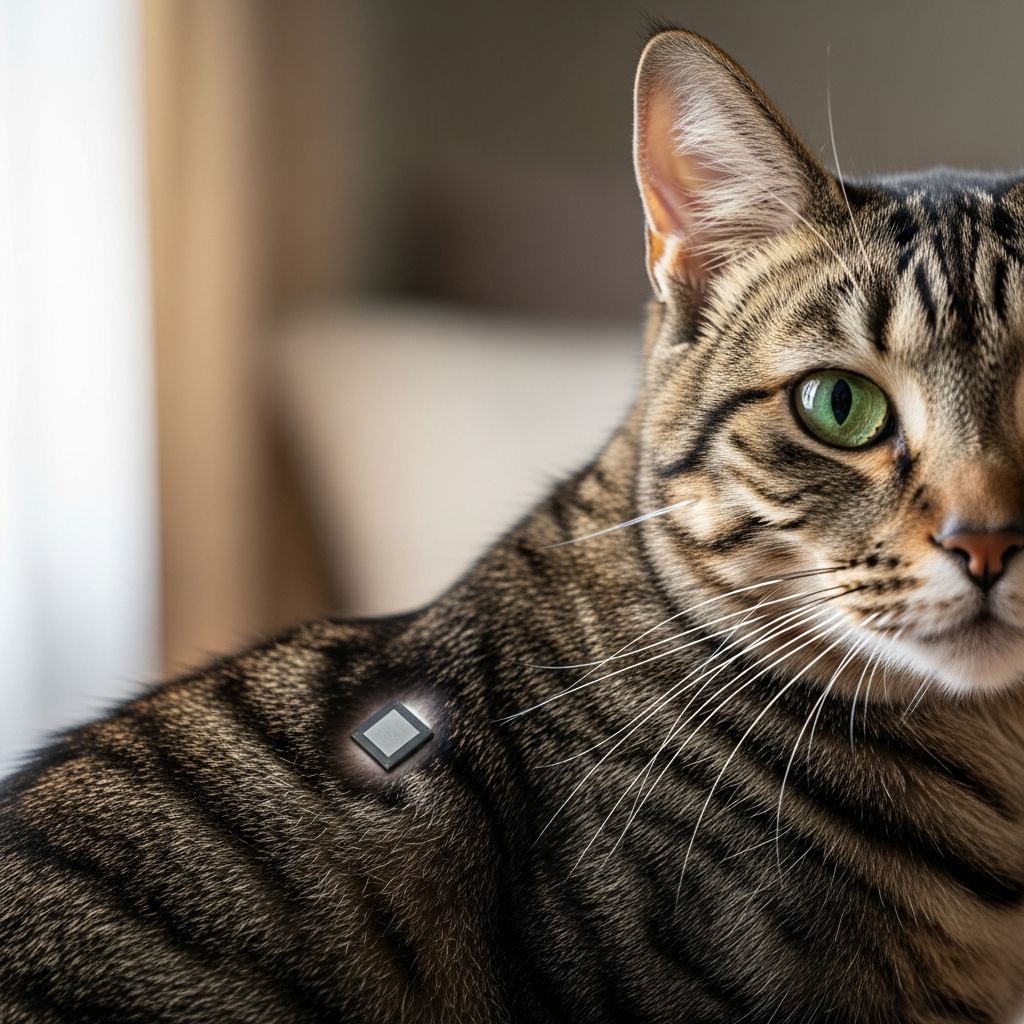
Understanding Cat Microchipping
Microchipping your cat is one of the most effective ways to ensure your feline companion can be identified and returned to you if they ever become lost. A microchip is a small, rice-sized electronic device that is implanted under your cat’s skin, typically between the shoulder blades. This permanent form of identification contains a unique identification number that is registered in a national database along with your contact information. Unlike collars, tags, or other visible forms of identification that can be lost or damaged, a microchip remains with your cat for their entire life.
What Is a Microchip?
A microchip is a passive radio-frequency identification device (RFID) that works without batteries or moving parts. The microchip itself is a small capsule, approximately the size of a grain of rice, made from biocompatible materials that don’t cause allergic reactions or interfere with your pet’s health. When a microchip scanner is passed over the implant site, it activates the microchip and reads the unique identification number stored within it. This number corresponds to a registration in a pet recovery database, allowing veterinarians and animal shelters to contact you if your cat is found.
The Microchipping Procedure
Microchipping is a simple, quick procedure that most veterinarians can perform during a routine office visit. The process involves using a special applicator to inject the microchip under the cat’s skin, typically between the shoulder blades where it’s less likely to migrate. The procedure itself takes only a few seconds and can be completed without anesthesia. However, if your cat is already scheduled for another procedure such as spaying, neutering, or dental cleaning, your veterinarian can microchip your cat during that time while they are already under anesthesia, making the experience completely painless.
Within 24 hours of implantation, your cat’s subcutaneous tissues will bond to the microchip, holding it securely in place. Kittens can be microchipped as early as 8 weeks of age, and the procedure can be performed on cats of any age. Most cats tolerate the procedure well with minimal discomfort, comparable to receiving a routine vaccination or other injection.
Is Microchipping Safe for Your Cat?
One of the most common concerns cat owners have is whether microchipping is safe for their feline companions. The good news is that microchipping is extremely safe. Microchips are made from inert, biocompatible materials that have been specially designed to integrate with your cat’s body without causing harm or rejection. The procedure does not require general anesthesia in most cases, and there is no recovery period needed.
To demonstrate the safety record of microchipping, the British Small Animal Veterinary Association has maintained a database of adverse reactions since 1996. Out of over 4 million microchipped animals, only 391 adverse reactions have been reported. This represents an extremely low complication rate of less than 0.01%. The most commonly reported complications have been minor, such as the microchip moving slightly from its original implantation site, which is a rare occurrence.
Potential Risks and Complications
While microchipping is generally very safe, it is important to understand the potential risks, even though they are minimal. The most commonly cited risks include:
Infection
As with any injection or minor surgical procedure, there is a small risk of infection at the implantation site. However, this risk is minimal, and serious infections are extremely rare. Your veterinarian will use sterile equipment and proper injection techniques to minimize this risk.
Chip Migration
In rare cases, the microchip can migrate slightly from its original location beneath the shoulder blades. However, this is uncommon, and when it does occur, it does not typically pose health risks to your cat. Modern microchips are designed to stay in place, and within 24 hours, the surrounding tissue bonds to the chip, securing it firmly in position.
Swelling or Tenderness
Some cats may experience minor swelling, irritation, or tenderness at the implantation site immediately following the procedure. This typically resolves within a few days and does not require treatment in most cases.
Adverse Reactions
Serious adverse reactions to microchips are extraordinarily rare. Claims about microchips causing cancer or severe health problems are not supported by veterinary evidence. According to the American Veterinary Medical Association, microchip-associated tumors have been reported in only 2 cats and 2 dogs worldwide, and in at least one case, there was no direct evidence linking the tumor to the microchip.
Benefits of Microchipping Your Cat
The benefits of microchipping your cat far outweigh any potential risks. Here are the key advantages:
Permanent Identification
Unlike collars and ID tags that can be lost, damaged, or removed, a microchip provides permanent identification that lasts your cat’s entire lifetime. The microchip cannot be lost, and it requires no battery or maintenance.
Increased Chance of Recovery
A groundbreaking study published in the Journal of the American Veterinary Medical Association examined 53 animal shelters across the United States and found compelling evidence of microchip effectiveness. The study revealed that less than 2% of lost cats without microchips that ended up in shelters were reunited with their families, while 38.5% of microchipped cats were successfully returned home—representing a difference of more than 2,000%. This dramatic difference demonstrates the life-changing impact a microchip can have.
Proof of Ownership
A microchip serves as verifiable proof of ownership in cases of theft or disputes. The registration information linked to your microchip can help establish that you are the rightful owner of your cat.
Peace of Mind
Knowing that your cat has a permanent form of identification provides significant peace of mind, whether your cat is an indoor-only pet or has outdoor access. Even indoor cats can accidentally escape, and having a microchip increases the likelihood they will be returned if they become lost.
Medical Information Storage
Some microchip registries allow you to store important medical information and emergency contact details, making this information readily accessible to veterinarians in emergency situations.
Microchipping Indoor vs. Outdoor Cats
Many cat owners wonder whether microchipping is necessary for indoor-only cats. The answer is yes. Indoor cats can accidentally escape through open doors, windows, or during veterinary visits. Even a brief escape can result in a lost indoor cat that may not be able to find their way home. Microchipping an indoor cat provides crucial protection in these unexpected situations. Additionally, if your indoor cat is ever stolen or accidentally taken by someone, the microchip provides a way to prove ownership and facilitate recovery.
Registering Your Cat’s Microchip
Implanting a microchip is only half the process. To ensure your microchip is effective, you must register it in a microchip database along with your current contact information. When your veterinarian implants the chip, they will provide you with registration paperwork that includes the microchip number and instructions for registering it with a national pet recovery database.
It is critical that you:
- Register your microchip as soon as possible after implantation
- Keep your contact information current in the database
- Update your phone number and address if you move or change contact details
- Check that your registration is accurate and complete
Without proper registration and current contact information, a found microchip cannot help reunite you with your cat.
Combining Microchipping with Other ID Methods
While microchipping is highly effective, veterinarians recommend using multiple forms of identification for maximum security. A combination approach might include:
ID Collar Tags
Traditional collar tags with your name and phone number provide immediate visible identification to anyone who finds your cat. This is often the first form of identification someone will look for.
GPS Trackers
Some pet owners choose to use both a GPS tracker and an RFID microchip in conjunction. GPS trackers can help you locate your cat in real-time if they become lost, while the microchip ensures identification if your cat is brought to a shelter or veterinary clinic.
Permanent Tattoos
Some cat owners opt for identification tattoos as an additional backup to microchipping, though microchips remain the most reliable method.
When to Microchip Your Cat
Microchipping can be performed on cats as young as 8 weeks old and on cats of any age. Many veterinarians recommend microchipping kittens early in life to ensure they have this protection from a young age. If you have an older cat that has not yet been microchipped, it is never too late to have the procedure performed. The ideal time to microchip your cat is during a routine wellness visit, or you can combine the procedure with other planned procedures such as spaying, neutering, dental cleaning, or other surgeries.
Frequently Asked Questions About Cat Microchipping
Q: Will my cat experience pain during microchipping?
A: The microchipping procedure is no more painful than a routine injection or vaccination. Most cats tolerate it well with minimal discomfort. If your cat will be undergoing anesthesia for another procedure, microchipping during that time means your cat will not feel anything.
Q: Can a microchip move or shift after implantation?
A: While chip migration can occur in very rare cases, it is uncommon. Within 24 hours of implantation, the surrounding tissue bonds to the microchip, securing it in place. Even if minor migration occurs, it does not typically affect the microchip’s functionality.
Q: Is there a risk of infection from microchipping?
A: As with any injection, there is a small risk of infection, but serious infections are extremely rare. Your veterinarian uses sterile techniques to minimize this risk.
Q: Do microchips require battery replacement or maintenance?
A: No. Microchips are passive devices with no batteries, moving parts, or maintenance requirements. They work for your cat’s entire lifetime without needing replacement or charging.
Q: What should I do if my cat is lost?
A: If your microchipped cat becomes lost, contact local animal shelters, veterinary clinics, and the national pet recovery database immediately to report your cat missing. Most shelters and vets will routinely scan any found cat for a microchip.
Q: Is microchipping safe for all cats?
A: Microchipping is safe for healthy cats of all ages. If your cat has specific health concerns, discuss microchipping with your veterinarian before the procedure.
Conclusion
Microchipping your cat is a simple, safe, and highly effective way to protect your feline companion. With an extremely low complication rate and proven effectiveness in reuniting lost cats with their owners, the benefits of microchipping far outweigh any potential risks. Combined with other forms of identification such as collar tags and GPS trackers, a microchip provides comprehensive protection and peace of mind. Talk to your veterinarian today about microchipping your cat and register the chip immediately to ensure your cat receives the full protection this important technology offers.
References
- Cat Microchipping – Horizon Veterinary Care — Horizon Veterinary Care. 2024. https://www.horizonvetcare.com/services/cat-microchip
- Microchipping Pets: Benefits and Risks — Coastal Sunrise Animal Hospital. 2024. https://coastalsunriseah.com/microchipping-pets-benefits-and-risks/
- Microchipping Cats: Pros and Cons — Ponderosa Veterinary Clinic. 2024. https://ponderosavetclinic.com/microchipping-cats-pros-and-cons/
- Microchipping Your Indoor Cat — Wilderness Trace Veterinary Clinic. 2024. https://wildernesstracevetclinic.com/blog/should-you-microchip-your-indoor-cat
- Microchipping: Is This Safe For My Cat? — Wag Walking. 2024. https://wagwalking.com/wellness/microchipping-is-this-safe-for-my-cat
- Pet Microchipping FAQs — American Animal Hospital Association (AAHA). 2024. https://www.aaha.org/resources/pet-microchipping-faqs/
- 5 Things You Need to Know About Microchipping Your Pet — Virginia Tech College of Veterinary Medicine. 2023. https://vetmed.vt.edu/news/2023/microchipping-your-pet.html
Similar Articles








Read full bio of Sneha Tete




