

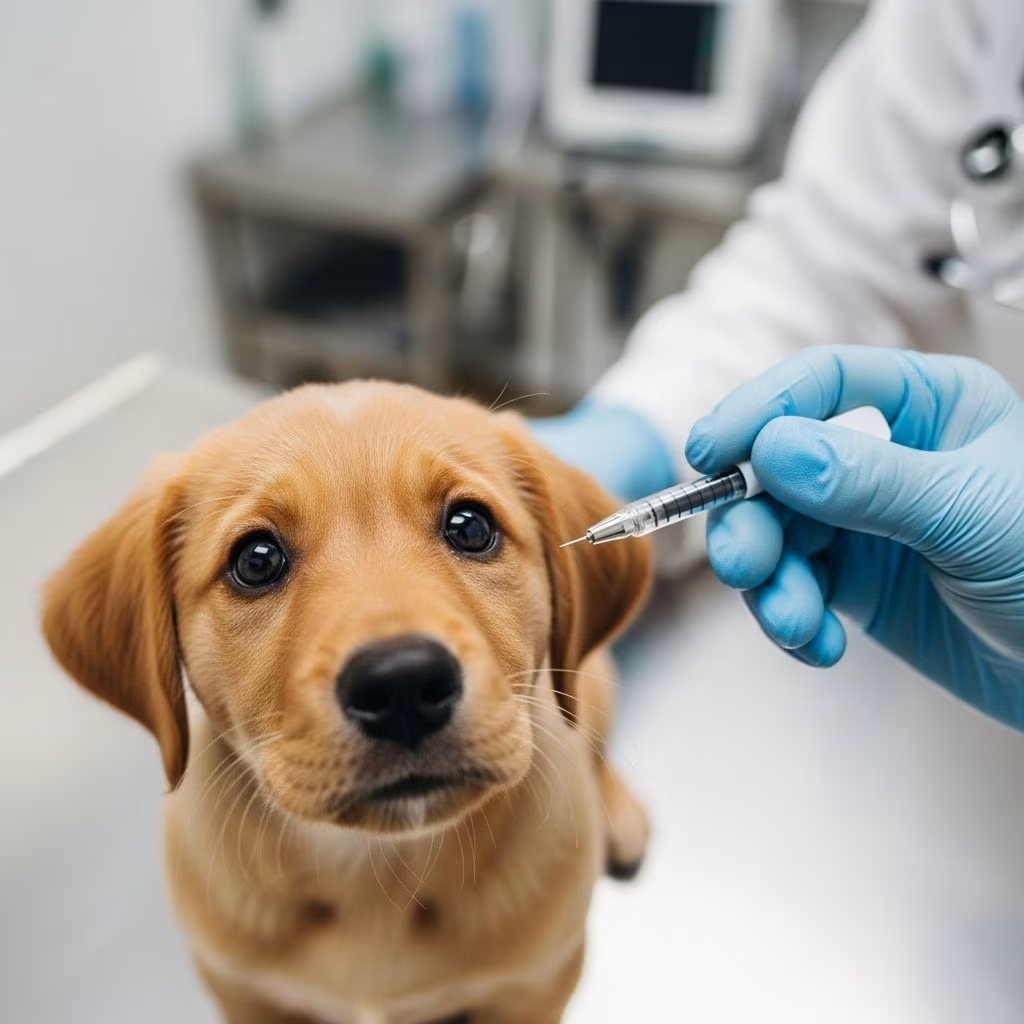
Implanting a microchip in your puppy provides a permanent form of identification that greatly enhances the odds of reuniting with your pet if they wander off. Studies from the American Veterinary Medical Association show microchipped dogs have a 52.2% return rate compared to 21.9% for those without.
Why Microchipping Matters for New Puppies
Puppies explore the world with boundless energy, often slipping through fences or chasing distractions during walks. Traditional collars and tags can break, slip off, or be removed by thieves, leaving no trace. A microchip, a tiny rice-sized device inserted under the skin, holds a unique ID number linked to your contact details in a national database. Scanners at vets, shelters, and animal control read it instantly, ensuring your puppy’s info is always accessible.
This technology proves invaluable during high-risk periods like the first year of life, when puppies are most prone to escaping. It also supports responsible ownership by proving legal ties in disputes over found animals.
How the Microchipping Process Works
The procedure resembles a routine vaccination: quick, painless, and anesthesia-free. A vet uses a large needle to inject the chip between your puppy’s shoulder blades. Most puppies show minimal reaction, resuming play immediately.
- Preparation: No fasting needed; schedule during a wellness visit.
- Insertion: Takes seconds; chip encased in biocompatible glass for safety.
- Registration: Vet or you enters details into a pet recovery database.
- Post-care: Feel the site periodically; no bandages required.
Universal scanners detect chips across frequencies, minimizing missed reads.
Key Advantages of Microchipping Your Puppy
Beyond basic ID, microchipping delivers lifelong security at minimal cost.
| Benefit | Description | Supporting Data |
|---|---|---|
| Permanent ID | Cannot be lost or removed like collars; lasts puppy’s lifetime without batteries. | |
| Higher Recovery Rates | Dogs with chips reunited 52% vs. 22% without; cats even higher disparity. | |
| Peace of Mind | Reduces anxiety during storms, hikes, or daily outings. | |
| Low Maintenance | One-time implant; annual vet scans optional. | |
| Proof of Ownership | Resolves disputes; aids in nuisance pet tracking. |
Microchips also enable emerging features like health records or GPS integration from advanced models.
Best Age to Microchip Puppies
Most vets recommend implantation at 8-12 weeks, aligning with first vaccinations. Early chipping prepares for spay/neuter or adoption events. Puppies under 4 pounds tolerate it well, with no growth-related migration issues. Delaying risks loss before protection is in place.
Multiple studies confirm safety from puppyhood, with benefits compounding over years.
Understanding Costs and Registration
Expect $40-60 for the procedure, including chip and initial registration—far less than lost pet search costs. Some shelters offer free or low-cost options during adoption. Lifetime registries charge $10-20 annually or one-time fees.
- Update info after moves or number changes to ensure contactability.
- Verify chip functionality yearly at vet visits.
Combine with collars for layered protection: tags for immediate contact, chips for backup.
Risks and Safety Considerations
While rare, minor risks include injection-site swelling or migration (chip shifts slightly but remains scannable). Cancer links from inflammation are theoretical and unproven in pets; benefits overwhelmingly prevail.
Vets use sterile techniques; post-procedure monitoring catches issues early. No anesthesia risks make it safer than many alternatives.
Legal Requirements and Community Standards
Many areas mandate microchipping for breeds like Pit Bulls or in rental housing. Nationally, it’s voluntary but endorsed by AVMA and AAHA. Responsible breeders often pre-chip litters.
In emergencies like disasters, chipped pets receive priority reunification.
Tips for Maximum Effectiveness
- Register promptly and keep details current.
- Use collars/tags alongside chips.
- Microchip all pets, including indoor ones.
- Educate family on chip location for home scans.
- Choose 15-digit ISO-standard chips for global compatibility.
For travel, confirm destination scanners match your chip frequency.
Frequently Asked Questions
Is microchipping painful for puppies?
No, it’s like a shot; quick with little discomfort.
Does the chip need batteries?
No, it’s passive—activates only via scanner.
Can chips expire or fail?
They last a lifetime; rare failures occur but scanners detect most.
What if my info changes?
Log into the registry online to update instantly.
Is it required by law?
Depends on location; check local ordinances.
Can I microchip at home?
No, professional vets ensure proper placement.
Real-World Impact Stories
Countless puppies reunite thanks to chips: a shelter scans a stray, contacts owners hours later. During hurricanes, chipped pets flood recovery databases, turning tragedy to relief. These cases underscore why experts urge all owners to act.
Microchipping transforms “lost forever” fears into manageable risks, empowering joyful companionship.
References
- Top 5 Benefits of Pet Microchipping — Bergen County Veterinary Center. Accessed 2026. https://www.bergencountyveterinarycenter.com/top-5-benefits-of-pet-microchipping.html
- 7 Benefits of Microchipping Your Dog — Loveland Regional Animal Hospital. Accessed 2026. https://lovelandregional.com/blog/dog-microchipping/
- Microchipping FAQ — American Veterinary Medical Association (AVMA). Accessed 2026. https://www.avma.org/resources-tools/pet-owners/petcare/microchips-reunite-pets-families/microchipping-faq
- The Priceless Benefits of Microchipping Your Pet — American Animal Hospital Association (AAHA). Accessed 2026. https://www.aaha.org/resources/the-priceless-benefits-of-microchipping-your-pet/
- The Importance of Microchipping Your Pet Before Outdoor Adventures — Partners Veterinary Wellness Center. Accessed 2026. https://partnersvetwl.com/?p=4906
- Pros and Cons of Dog Microchipping — Madison Animal Care. Accessed 2026. https://www.madisonanimalcare.com/pros-cons-dog-microchipping
- The Importance of Pet Microchipping — Heritage Animal Clinic. Accessed 2026. https://heritageanimalclinicmadison.com/the-importance-of-pet-microchipping/



