

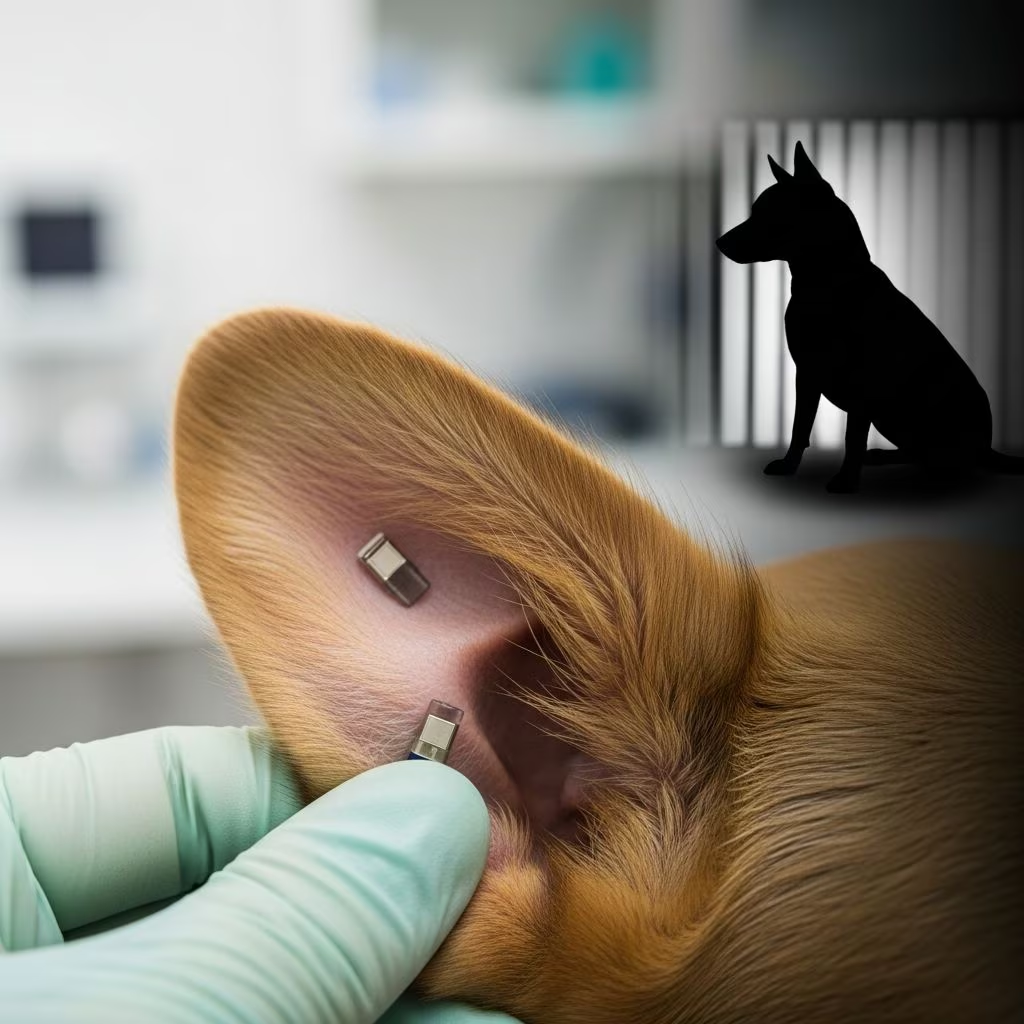
Microchipping provides dogs with a permanent identification method that greatly improves reunion chances if lost, far outweighing rare associated risks according to veterinary authorities.
What Is Dog Microchipping and How Does It Work?
Microchipping involves inserting a tiny rice-sized electronic device under a dog’s skin, typically between the shoulder blades. This passive RFID chip remains dormant until scanned by a universal reader at shelters, vets, or clinics, revealing a unique ID number linked to owner contact details in a national registry.
The procedure mimics a routine vaccination: a vet uses a needle to inject the chip in seconds without anesthesia. No battery powers it, ensuring lifelong functionality without maintenance.
- Chip Composition: Biocompatible materials prevent irritation or rejection.
- Scanning Process: Universal scanners detect multiple frequencies, reducing missed reads.
- Registry Registration: Essential for linking chip ID to current owner info; update promptly if moving.
Key Advantages of Microchipping Your Dog
The primary benefit is dramatically boosting recovery odds for lost or stolen dogs. Shelters scan incoming pets routinely, enabling quick owner notifications.
| Benefit | Description | Impact |
|---|---|---|
| Permanent ID | Unlike collars/tags that break/lose, chips endure. | Lifelong protection. |
| Proof of Ownership | Verifies legitimate ownership in theft cases. | Legal safeguard. |
| Medical Records Access | Links to health history for emergencies. | Faster treatment. |
| Quick Procedure | Seconds-long, painless insertion. | Minimal stress. |
Studies show microchipped pets reunite at rates up to 20 times higher than non-chipped ones, with risks of non-detection dropping as universal scanners proliferate.
Lost Pet Recovery Success Stories
Countless dogs travel thousands of miles and return home thanks to chips. For escape-prone breeds like hounds or herders, this invisible safety net proves invaluable.
Potential Drawbacks and Health Concerns
While overwhelmingly safe, microchipping carries minor risks. Adverse events occur infrequently, but awareness empowers informed choices.
- Immediate Reactions: Temporary swelling or redness at insertion site, resolving naturally.
- Migration: Chip shifts position (e.g., to neck), complicating scans but rarely health-threatening.
- Infection Risk: Minimal if procedure follows sterile protocols by professionals.
Veterinarians stress proper implantation minimizes serious issues; DIY attempts heighten complications.
Addressing Cancer and Tumor Fears
Some studies on lab animals (rats/mice) from 1990-2006 noted tumors at chip sites in 0.8%-10% of cases, sparking concerns. However, the American Veterinary Medical Association reviews confirm extraordinarily low cancer risk in pets, outweighed by lost-pet recovery benefits. No causal link established in dogs; manufacturers and vets report no long-term illnesses.
Anecdotal reports exist of tumors encapsulating chips or rare fatalities from bleeding/infection, but population-level data shows millions chipped annually with negligible incidents.
Comparing Microchipping to Alternative ID Methods
| Method | Pros | Cons |
|---|---|---|
| Collars/Tags | Visible, cheap | Easily lost, uncomfortable |
| Tattoos | Permanent | Fades, requires shaving to read |
| GPS Trackers | Real-time location | Battery-dependent, EMF exposure, removable |
| Microchip | Internal, passive, universal | Requires scanner, rare migration |
GPS suits high-risk wanderers but emits constant signals holistic vets link to health vulnerabilities; chips avoid this.
Ideal Timing and Procedure Best Practices
Microchip puppies at 8-12 weeks during first vet visit, alongside vaccines. Adults benefit anytime, especially before travel or boarding. Costs range $40-60, often bundled.
- Choose AVID, HomeAgain, or 24PetWatch brands for broad registry compatibility.
- Verify vet uses universal scanner.
- Register immediately and annually confirm details.
- Scan yearly at check-ups to check position/function.
Post-insertion, monitor site 48 hours; contact vet for persistent issues.
Expert Veterinary Perspectives on Safety
The AVMA affirms benefits eclipse risks: chip failure or tumors are rare, removal unnecessary and risky (requires surgery/anesthesia). Most vets endorse for all dogs, particularly in urban areas or multi-pet homes. Biocompatibility ensures no allergies or rejection.
Caring for Your Dog Post-Microchipping
Prevent licking with cone if swelling occurs. Maintain registry updates. Combine with visible ID for layered protection. Healthy lifestyle bolsters immunity against rare complications.
FAQs on Dog Microchipping
Is microchipping painful for dogs?
No, akin to a shot; complete in seconds without anesthesia.
Can microchips cause cancer?
Risk very low per AVMA; benefits far superior.
What if the chip migrates?
Rare; regular scans detect; doesn’t harm health.
Do I need to replace the chip?
No, battery-free and durable for life.
Is microchipping mandatory?
Required in some areas/countries; highly recommended everywhere.
Making the Right Choice for Your Dog
For most owners, microchipping delivers unmatched security with negligible downsides. Weigh your dog’s lifestyle—frequent escapes tip scales toward yes. Consult your vet for personalized advice.
References
- Pros and Cons of Microchipping Dogs — Pets Best Insurance. 2023. https://www.petsbest.com/blog/pros-and-cons-of-microchipping-dogs
- What Are the Pros and Cons of Dog Microchipping? — Madison Animal Care. 2024. https://www.madisonanimalcare.com/pros-cons-dog-microchipping
- Should You Microchip Your Dog? — Dogs Naturally Magazine. 2023. https://www.dogsnaturallymagazine.com/should-you-microchip-your-dog/
- Debunking Myths: The Real Side Effects of Microchipping a Dog — Peeva. 2024. https://peeva.co/blog/side-effects-of-microchipping-a-dog/
- Microchipping FAQ — American Veterinary Medical Association (AVMA). 2025-01-15. https://www.avma.org/resources-tools/pet-owners/petcare/microchips-reunite-pets-families/microchipping-faq



