

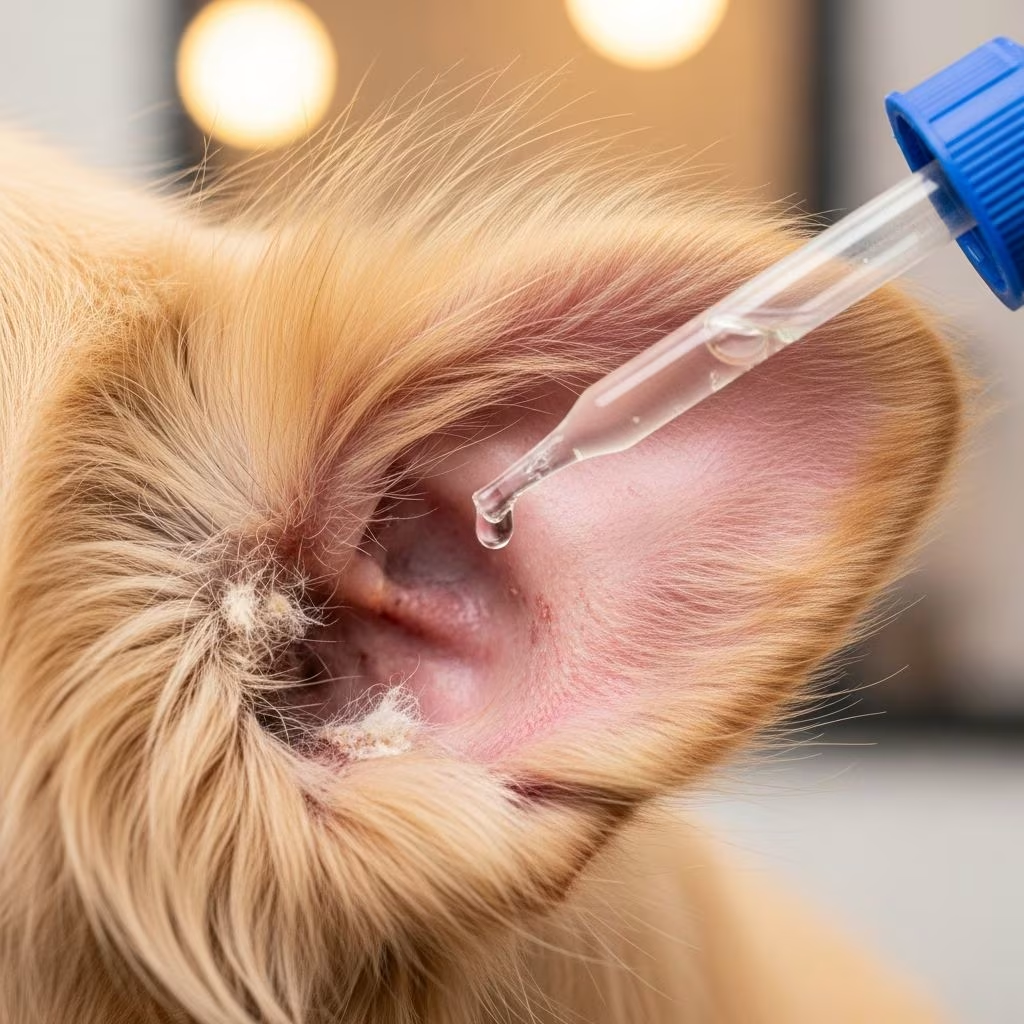
What is Miconazole Otic?
Miconazole otic is an antifungal medication specifically designed to treat external ear infections, medically known as otitis externa, that are caused by fungal organisms in cats, dogs, and other animals. This medication works by disrupting the fungal cell membrane, preventing the fungi from maintaining their structural integrity and ultimately leading to their elimination. The medication may be specially compounded and combined with other active ingredients to create a more comprehensive treatment formulation tailored to the specific needs of individual pets.
In veterinary medicine, miconazole otic use may be classified as off-label or extra-label depending on the region and whether it is used as a sole agent or as part of a combination product. Many drugs are commonly prescribed for off-label use in veterinary medicine, and pet owners should follow their veterinarian’s directions and cautions carefully when administering this medication.
Understanding Otitis Externa
Otitis externa refers to inflammation of the external ear canal, and when caused by fungal organisms such as Malassezia pachydermatis, it can cause significant discomfort to affected pets. This condition is commonly seen in both dogs and cats and can be triggered by various environmental factors, moisture retention in the ear canal, or underlying allergic conditions. The fungal infection can lead to excessive scratching, head shaking, ear discharge, and an unpleasant odor emanating from the affected ear.
Fungal ear infections are particularly prevalent in certain dog breeds with floppy ears or in dogs that spend significant time in wet environments. The warm, moist environment of the ear canal creates an ideal breeding ground for fungal organisms, making regular ear cleaning and monitoring essential for prevention.
How to Apply Miconazole Otic
Proper application of miconazole otic is crucial for the medication’s effectiveness and your pet’s comfort. Follow these guidelines when administering the medication:
- All forms of miconazole otic are applied topically, directly into the external ear canal.
- Clean the affected area as directed by your veterinarian before applying the medication to remove debris and excess wax.
- The medication requires at least 10 minutes of contact time with the affected area to be effective. Do not allow your pet to scratch or groom the affected areas for at least 30 minutes after application to ensure adequate absorption and effectiveness.
- Wash your hands thoroughly after application and avoid contact with your eyes.
- Complete the full course of treatment as prescribed by your veterinarian, even if your pet appears to be feeling better.
Dosage and Treatment Duration
The dosage and treatment duration for miconazole otic vary depending on the specific formulation and the severity of the infection. Combination formulations like Surolan recommend applying 5 drops per affected ear twice daily for 7 consecutive days. However, some formulations may require different dosing schedules, so it is essential to follow your veterinarian’s specific instructions.
Treatment duration can range from 7 to 14 days depending on the medication formulation and the individual pet’s response to therapy. Completing the entire course of treatment is critical, even if symptoms appear to resolve earlier, as premature discontinuation may allow the fungal infection to recur or develop antibiotic resistance.
Potential Side Effects
While miconazole otic is generally well-tolerated in most pets, it can cause certain side effects. Common side effects include:
- Redness at the site of application
- Itching and irritation in the ear canal
- Mild irritation of the external ear
Although rare, serious allergic reactions can occur and require immediate veterinary attention. If your pet experiences any of the following symptoms, contact your veterinarian immediately:
- An allergic reaction such as irregular breathing
- Skin rash
- Fever
- Puffiness and swelling around the face
If your pet shows signs of sensitization or irritation, discontinue the medication and contact your veterinarian for alternative treatment options.
Risk Factors and Contraindications
Miconazole otic should NOT be used in animals allergic to any of the components of the formulation. Before starting treatment, inform your veterinarian about any known allergies your pet may have to medications, particularly other antifungal agents or components of the specific miconazole formulation being prescribed.
This medication should not be used if your pet has a known perforated tympanum (ruptured eardrum), as the medication could enter the middle and inner ear, potentially causing serious complications. Your veterinarian will examine your pet’s ears to ensure the eardrum is intact before prescribing this medication.
Additionally, miconazole otic should be used with caution in pets with a history of ototoxicity (ear damage from previous medications) or sensitivity to other similar antifungal agents.
Drug Interactions
Certain medications should be used with caution when given alongside miconazole otic, including warfarin, which is an anticoagulant medication. Warfarin works by interfering with blood clotting, and some antifungal agents may interact with its mechanism of action.
It is essential to inform your veterinarian about all medications your pet is currently taking before starting miconazole otic treatment. This includes:
- Prescription medications
- Over-the-counter medications
- Vitamins and supplements
- Herbal therapies and natural remedies
Your veterinarian can assess potential interactions and adjust treatment protocols accordingly to ensure your pet’s safety and the medication’s effectiveness.
Combination Formulations
Miconazole otic is often combined with other active ingredients to create more comprehensive treatment formulations. Two common combination products include:
Surolan (Miconazole, Polymyxin B, Prednisolone)
Surolan combines miconazole with polymyxin B sulfate (an antibiotic) and prednisolone acetate (a corticosteroid). This three-ingredient combination provides antifungal, antibacterial, and anti-inflammatory benefits in a single formulation. Surolan is indicated for treating canine otitis externa associated with susceptible strains of yeast and bacteria, particularly Malassezia pachydermatis and Staphylococcus pseudintermedius. With over 30 years of clinical experience, Surolan is a proven, cost-effective solution for ear infections.
Easotic (Miconazole, Gentamicin, Hydrocortisone Aceponate)
Easotic combines miconazole with gentamicin sulfate (an antibiotic) and hydrocortisone aceponate (a potent corticosteroid). Gentamicin works by binding to the genetic code of susceptible bacteria, preventing them from producing essential proteins necessary for survival and growth. Miconazole addresses the fungal component by blocking the fungi’s ability to maintain their cell membrane. Hydrocortisone aceponate reduces swelling, inflammation, and itching associated with the infection. This combination provides rapid relief and sustained resolution of signs for dogs suffering from otitis externa.
Special Precautions and Safety Information
When using miconazole otic, several important safety considerations should be observed:
- Do not allow the medication to enter your pet’s eyes, as it may cause irritation.
- Wash your hands thoroughly after administration to avoid spreading fungal infections to other areas or to other people in the household.
- If your pet’s condition worsens or does not improve after the recommended treatment period, contact your veterinarian immediately, as the infection may require a different treatment approach.
- Long-term use of topical otic corticosteroids in combination formulations has been associated with adrenocortical suppression and iatrogenic hypoadrenocorticism in dogs, so use only as directed.
- The safe use of miconazole otic in breeding animals has not been fully evaluated.
When to Contact Your Veterinarian
Contact your veterinarian immediately if any of the following occur during treatment:
- Signs of allergic reaction including irregular breathing, rash, or facial swelling
- Worsening of ear symptoms despite treatment
- Development of new symptoms or complications
- Signs of systemic illness such as fever or lethargy
- Overgrowth of non-susceptible bacteria or fungi, which may require discontinuation of treatment and alternative therapy
Storage and Handling
Miconazole otic should be stored according to the manufacturer’s instructions, typically at room temperature away from direct sunlight and moisture. Keep the medication in its original container with the cap tightly closed. Do not use the medication beyond its expiration date. If you have questions about proper storage or handling, consult your veterinarian or pharmacist.
Frequently Asked Questions About Miconazole Otic
Q: How long does it take for miconazole otic to work?
A: Miconazole otic requires at least 10 minutes of contact time with the affected area to be effective. Most pet owners notice improvement in symptoms within 2-3 days of starting treatment, though the full course of treatment should be completed as prescribed, typically lasting 7-14 days depending on the formulation.
Q: Can miconazole otic be used in cats?
A: Yes, miconazole otic can be used in cats to treat fungal ear infections caused by susceptible organisms. Always follow your veterinarian’s directions carefully, as dosing and application methods may differ between cats and dogs.
Q: Is miconazole otic safe for long-term use?
A: Long-term use of topical otic corticosteroids (in combination formulations) has been associated with adrenocortical suppression in dogs. Miconazole otic should be used only for the duration prescribed by your veterinarian. If your pet requires extended treatment, discuss this with your veterinarian to determine the safest approach.
Q: What should I do if I miss a dose?
A: If you miss a dose, administer it as soon as possible, unless it is nearly time for the next scheduled dose. Do not double-dose to make up for a missed application. If you have concerns about missed doses, contact your veterinarian for guidance.
Q: Can miconazole otic be used with other ear medications?
A: Consult your veterinarian before using miconazole otic alongside other medications. Some combinations may be contraindicated or require adjusted dosing. Your veterinarian will provide guidance based on your pet’s specific situation.
Q: Are there alternative treatments for fungal ear infections?
A: Yes, several alternative antifungal agents exist for treating ear infections, including clotrimazole and other azole-based medications. Your veterinarian can recommend the most appropriate treatment based on your pet’s condition, the specific fungal organism involved, and any sensitivities your pet may have.
References
- EASOTIC (hydrocortisone aceponate, miconazole nitrate, gentamicin sulfate) Otic Suspension for Dogs — Virbac. https://vet-us.virbac.com/home/products/ear-health/easotic-hydrocortisone-aceponate.html
- Surolan (miconazole nitrate, polymyxin B sulfate, prednisolone acetate) Otic Suspension for Dogs — Elanco. https://my.elanco.com/us/surolan
- Miconazole Otic — VCA Animal Hospitals. https://vcahospitals.com/know-your-pet/miconazole-otic
- Azoles for Use in Animals — Merck Veterinary Manual. https://www.merckvetmanual.com/pharmacology/antifungal-agents/azoles-for-use-in-animals
- How EasOtic Works in Dogs — PetMD. https://www.petmd.com/pet-medication/easotic-for-dogs



