

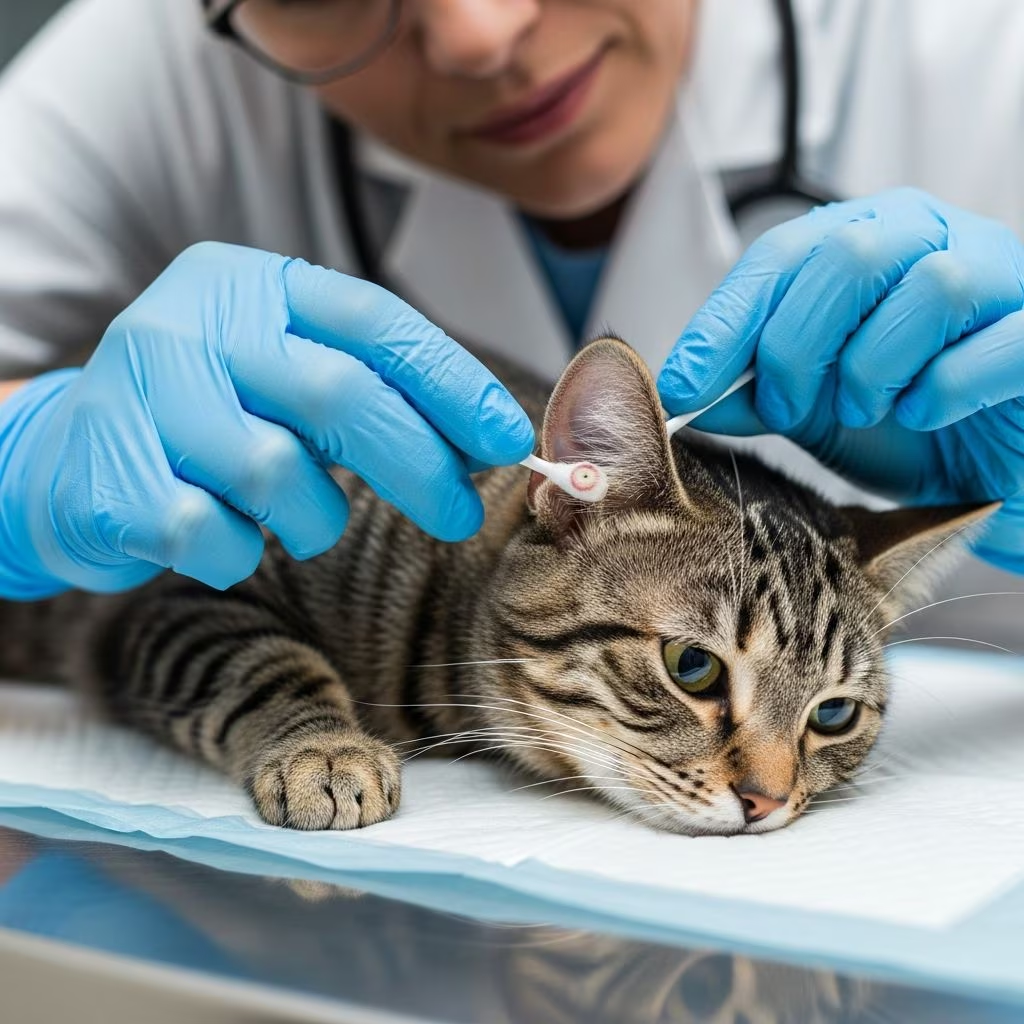
Miconazole is a topical antifungal agent commonly prescribed for cats to combat skin infections caused by fungi and yeast. Available in forms like sprays and lotions at 1% or 2% concentrations, it targets pathogens such as Microsporum canis, Microsporum gypseum, and Trichophyton mentagrophytes, which are responsible for conditions like ringworm.
Understanding Fungal Infections in Feline Skin
Cats are prone to dermatophytosis, commonly known as ringworm, a contagious fungal infection that appears as circular patches of hair loss, scaling, and redness. Yeast infections, often from Malassezia, can also affect moist areas like ears or paws, leading to itching and odor. These issues thrive in warm, humid environments and spread via contact with infected animals, spores in soil, or contaminated objects.
Symptoms include alopecia, crusty lesions, excessive grooming, and behavioral changes like lethargy. Early detection through microscopic exams or fungal cultures is crucial, as untreated infections can persist for months and infect humans.
How Miconazole Targets Fungal Pathogens
Miconazole disrupts ergosterol synthesis in fungal cell membranes, causing leakage and cell death. This imidazole antifungal is effective against dermatophytes and some yeasts, making it a first-line topical therapy for superficial infections.
Unlike systemic antifungals like itraconazole or ketoconazole, which carry risks of liver toxicity, miconazole acts locally with minimal absorption, reducing side effects in cats.
Available Formulations and Administration Methods
Miconazole for cats comes primarily as a 1% nitrate spray or lotion, with some 2% options for broader coverage. Sprays allow easy application from 2-4 inches away, while lotions use cotton swabs for precision on small areas.
- Spray: Ideal for large or hard-to-reach areas; shake well before use.
- Lotion: Best for localized spots; apply thinly with gloves.
Standard protocol: Apply once daily for 2-4 weeks, covering lesions lightly. Continue until vet-confirmed clearance via culture to prevent recurrence.
Dosage Guidelines Table
| Form | Concentration | Application Frequency | Duration |
|---|---|---|---|
| Spray | 1-2% | Once daily | 2-4 weeks (up to 6) |
| Lotion | 1% | Once daily | 2-4 weeks |
Note: Always follow vet-specific dosing; adjust for severe cases.
Step-by-Step Application Guide
- Consult your vet for diagnosis via skin scraping or Wood’s lamp exam.
- Wear disposable gloves to avoid zoonotic transmission.
- Clean and dry the affected area gently.
- For spray: Hold 2-4 inches away, apply a thin film; avoid eyes.
- For lotion: Use swab to dab lightly; massage if needed.
- Wash hands post-application; isolate cat from others until dry.
- Monitor weekly; re-evaluate if no improvement in 2 weeks.
Storage: Keep at 59-86°F, away from pets and children.
Potential Side Effects and Safety Precautions
Most cats tolerate miconazole well, but watch for irritation, redness, or sensitization—discontinue if seen. Eye contact causes irritation; rinse immediately. Hypersensitive cats may need alternatives.
- Common: Mild stinging, dryness.
- Rare: Allergic reactions like swelling.
- Contraindications: Open wounds, known allergies.
Prevent resistance by completing full courses. Not for internal use; systemic options like fluconazole may pair for deep infections.
When to Combine with Other Treatments
Topical miconazole pairs with medicated shampoos (e.g., chlorhexidine) for lime-sulfur dips in ringworm. Oral itraconazole (5 mg/kg daily) accelerates cure in multi-pet homes.
Environmental decontamination: Vacuum, disinfect with bleach (1:10), discard grooming tools.
Benefits Over Alternative Antifungals
| Drug | Route | Pros for Cats | Cons |
|---|---|---|---|
| Miconazole | Topical | Low systemic risk, easy use | Surface only |
| Itraconazole | Oral | Broad-spectrum, pulse dosing | GI upset, monitoring needed |
| Ketoconazole | Oral | Affordable | Hepatotoxic, avoid in cats |
| Fluconazole | Oral | CSF penetration | Higher MIC vs dermatophytes |
Veterinary Diagnosis Essentials
Accurate ID via KOH prep or culture prevents misdiagnosis with bacterial issues. UV lamps detect Microsporum glow, but confirm culturally.
Preventing Fungal Recurrence in Cats
- Maintain hygiene: Weekly baths, clean litter.
- Quarantine new cats for 2-3 weeks.
- Boost immunity with balanced diet, stress reduction.
- Outdoor cats: Limit exposure to strays, soil.
Follow-up cultures at 4 weeks post-treatment ensure eradication.
Frequently Asked Questions (FAQs)
Is miconazole safe for kittens?
Yes, under vet supervision; use lowest effective dose for those under 1 year.
Can miconazole treat ear yeast in cats?
Effective for external ear skin; combine with cleaners for otitis.
How long until ringworm clears?
Visible improvement in 1-2 weeks; full cure 4-6 weeks with compliance.
Is human miconazole okay for cats?
No—formulations differ; use vet-approved only.
What if my cat licks the treated area?
Minimal risk topically, but use cone collar if excessive; rinse if ingested largely.
Long-Term Management Strategies
For chronic cases, rotate topicals with orals. Multi-cat households require whole-home treatment. Track via photos and vet visits.
In summary, miconazole offers a safe, effective frontline defense against feline fungal woes when used judiciously.
References
- Conzol – 1% Miconazole Nitrate for Pets — VetRxDirect. Accessed 2026. https://www.vetrxdirect.com/product/view/conzol-1-miconazole-lotion-for-dogs-and-cats-rx
- Miconazole nitrate 1% Lotion & Spray — DailyMed (NIH). Accessed 2026. https://dailymed.nlm.nih.gov/dailymed/fda/fdaDrugXsl.cfm?setid=d7e2307f-d280-4a86-859d-99ecdfce3158
- Antifungals for Integumentary Disease in Animals — Merck Veterinary Manual. Accessed 2026. https://www.merckvetmanual.com/pharmacology/systemic-pharmacotherapeutics-of-the-integumentary-system/antifungals-for-integumentary-disease-in-animals
- MICONAZOLE Nitrate Spray 1% for Dogs & Cats — Chewy (Vet-Sourced). Accessed 2026. https://www.chewy.com/miconazole-nitrate-generic-spray-1/dp/173642
- Davis Miconazole Spray — Medi-Vet. Accessed 2026. https://www.medi-vet.com/Davis-Miconazole-Spray-4-oz-p/18468.htm



