

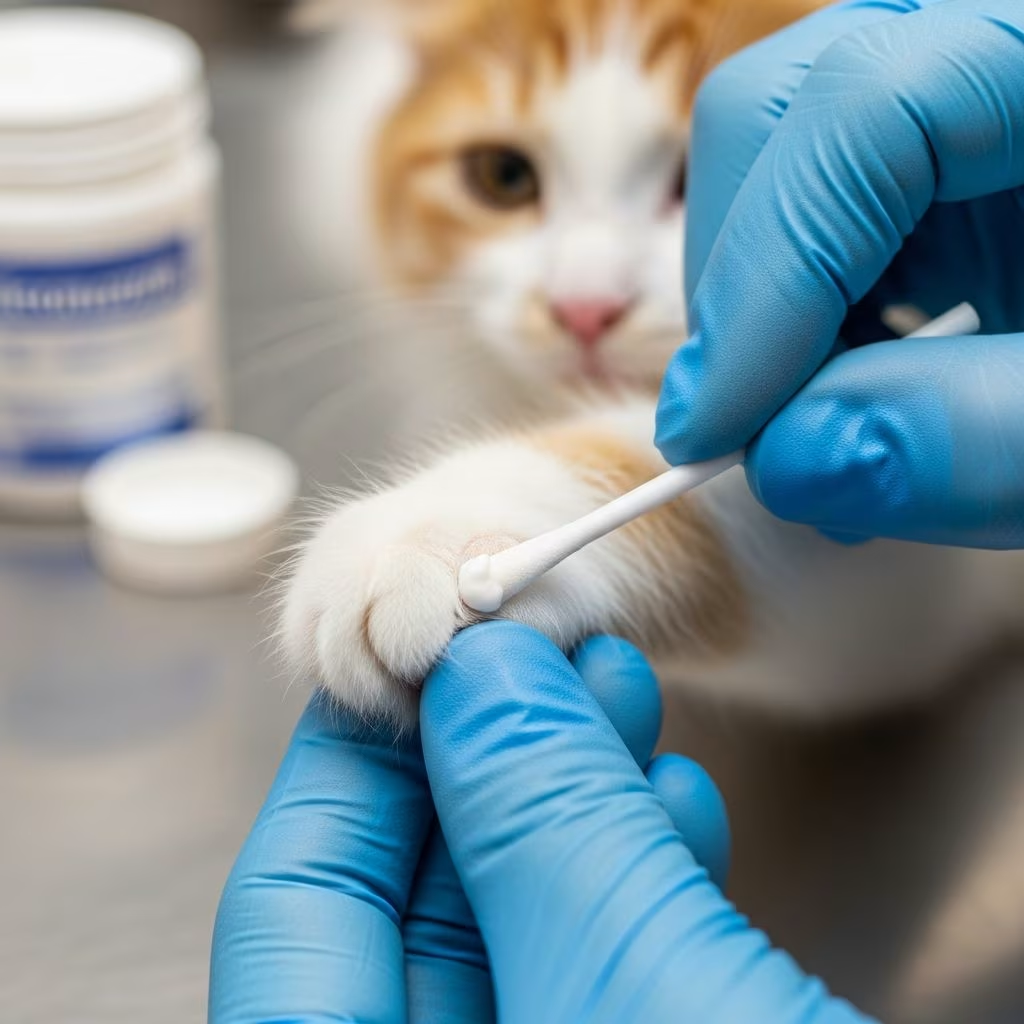
Yeast infections represent one of the most frequent skin and ear ailments affecting domestic cats, causing considerable discomfort and frustration for both felines and their caregivers. Among the various therapeutic options available to veterinarians, miconazole has emerged as a trusted and effective antifungal agent specifically designed to address these fungal complications. This guide explores the essential aspects of miconazole therapy for feline yeast infections, from understanding the underlying condition to implementing proper treatment protocols.
Understanding Feline Yeast Infections
Yeast organisms exist naturally on a cat’s skin, ears, and mucous membranes as part of the normal microbiome. The most prevalent culprits in feline yeast infections are Malassezia and Candida albicans species. These microscopic fungi typically remain dormant and harmless; however, various environmental and physiological factors can trigger excessive proliferation, transforming these normally benign residents into problematic pathogens.
The development of yeast infections rarely occurs without underlying predisposing conditions. Cats with compromised immune function face significantly elevated risk, particularly those affected by chronic diseases such as diabetes or cancer. Additionally, immunosuppressive medications, including corticosteroids prescribed for allergic reactions or inflammatory conditions, can disrupt the delicate microbial balance that keeps yeast populations in check.
Recognizing Symptoms and Infection Patterns
Feline yeast infections manifest through diverse symptomatology depending on the anatomical location of infection. The clinical presentation often provides crucial diagnostic clues that help distinguish yeast infections from other dermatological conditions.
Ear-Based Manifestations: Otitis, or yeast-related inflammation of the ear canal, represents perhaps the most commonly encountered presentation. Affected cats typically display excessive head shaking, frequent ear scratching, and audible distress during ear manipulation. The ear canals often produce distinctive dark, waxy discharge accompanied by a characteristically musty or unpleasant odor. Visible redness within the ear canal results from inflammation and irritation caused by the yeast organisms and the immune response they trigger.
Dermatological Involvement: When yeast colonizes skin surfaces, cats develop intense pruritus—an overwhelming urge to scratch and lick affected areas. This constant self-trauma frequently results in hair loss, red bumps, thickened skin patches, and visible brown staining on the fur and nails. The skin often appears abnormally dry and flaky, creating a deteriorated barrier that allows secondary bacterial infections to establish themselves.
Other Manifestations: Oral thrush produces distinctive white patches within the mouth or throat, often accompanied by halitosis, excessive drooling, and reduced appetite. Urinary tract involvement may cause dysuria (painful urination) and behavioral changes. Systemic symptoms including lethargy, weight loss, and gastrointestinal disturbances sometimes accompany more severe infections, particularly those involving Candida albicans in immunocompromised cats.
Underlying Risk Factors and Infection Triggers
Understanding what initiates yeast overgrowth enables more comprehensive treatment strategies addressing root causes rather than merely managing symptoms.
- Immune Dysfunction: Feline immunodeficiency virus (FIV), feline leukemia virus (FeLV), and other immunosuppressive conditions create an internal environment favoring yeast proliferation.
- Antibiotic Disruption: Systemic antibiotic therapy eliminates beneficial bacteria that normally compete with yeast for nutritional resources and epithelial space.
- Allergic Sensitization: Food allergies and environmental allergens trigger chronic inflammation that compromises skin integrity and creates favorable conditions for fungal colonization.
- Hormonal Imbalances: Thyroid dysfunction and hyperadrenocorticism (Cushing’s disease) disrupt endocrine regulation of immune response and skin barrier function.
- Trauma and Wound Contamination: Open sores from scratching, flea bites, or other injuries provide direct entry points for opportunistic yeast organisms.
- Environmental Factors: Excessive humidity and moisture create optimal growing conditions for thermophilic yeast species.
- Nutritional Deficiencies: Insufficient dietary omega-3 and omega-6 fatty acids compromise skin barrier function and immune regulation.
Miconazole: Mechanism and Therapeutic Properties
Miconazole belongs to the imidazole class of antifungal medications, a family of compounds that target fungal cell membranes through specific biochemical mechanisms. The drug works by inhibiting ergosterol synthesis, a critical component of fungal cell membrane architecture essential for cellular integrity and function.
This targeted mechanism renders miconazole highly effective against both Malassezia and Candida species while maintaining favorable safety profiles for feline patients when used as directed. The medication achieves excellent penetration into affected tissues, whether applied topically to skin and ear surfaces or administered systemically for more extensive infections.
Miconazole Treatment Formulations for Cats
Veterinarians have multiple miconazole formulations available, each designed for specific anatomical applications and clinical situations.
| Formulation Type | Primary Use | Application Method | Frequency |
|---|---|---|---|
| Medicated Shampoo | Generalized skin infections, dermatitis | Topical bathing | 2-3 times weekly |
| Otic Solution | Ear canal infections | Direct ear canal instillation | Daily or twice daily |
| Topical Cream/Ointment | Localized lesions, paw pad infections | Direct application | 1-2 times daily |
| Oral Tablets/Liquid | Systemic infections, oral thrush | Per oral administration | As prescribed by veterinarian |
Proper Application Techniques and Administration
Topical Preparations: Before applying miconazole-containing creams or ointments, thoroughly cleanse the affected area with lukewarm water and mild soap, then dry completely. Apply a thin layer directly to affected skin, ensuring comprehensive coverage of lesions. To prevent inadvertent ingestion through grooming, avoid applying preparations to areas the cat can easily lick. Wash your hands thoroughly after application to prevent transferring the medication to other body areas or to your face.
Medicated Shampoos: Wet the cat’s entire coat with lukewarm water, then apply miconazole shampoo generously. Massage thoroughly into the skin, not just surface fur, allowing the product to contact affected areas directly. Leave the shampoo in contact with the skin for the manufacturer-recommended duration, typically 10-15 minutes, before rinsing completely with clean water. Inadequate rinsing can leave residue that irritates skin. Repeat bathing as directed by your veterinarian, typically 2-3 times weekly for the prescribed treatment duration.
Ear Treatments: Gently clean visible ear debris using cotton balls moistened with an ear-cleansing solution recommended by your veterinarian. Allow ears to dry completely before applying otic miconazole solution. Hold the ear flap upright, instill the prescribed number of drops directly into the ear canal, and gently massage the base of the ear for 30-60 seconds to distribute the medication throughout the canal. Use a cotton ball to absorb any excess solution that drains outward.
Oral Medications: Administer tablets or liquid formulations exactly as prescribed regarding dosage and frequency. Never alter dosing without veterinary consultation, as this can reduce treatment efficacy or increase adverse effects. Some cats accept miconazole tablets mixed with wet food, while others require direct administration followed by food to improve tolerance.
Treatment Duration and Expected Timeline
Most feline yeast infections respond to appropriate miconazole therapy within 2-4 weeks, though individual response times vary based on infection severity, underlying causative factors, and treatment compliance. Initial improvements in clinical signs typically appear within the first week, with pruritus decreasing noticeably as inflammation subsides. However, continuing the prescribed treatment course even after visible improvement remains essential, as premature discontinuation can allow yeast populations to rebound and re-establish infection.
If substantial improvement does not occur within one month of diligent treatment, contact your veterinarian for additional diagnostic testing to rule out concurrent conditions, resistant organisms, or misdiagnosis.
Managing Underlying Conditions During Treatment
Successful long-term management requires addressing the predisposing factors that initiated yeast overgrowth. Cats with dietary allergies may benefit from elimination diets or prescription hypoallergenic formulations. Those with environmental sensitivities sometimes respond to environmental modifications and antihistamine supplementation. Hormonal conditions require specific endocrine management. Immunosuppressed cats may need immune-supporting supplements, and cats receiving chronic corticosteroid therapy warrant discussion about dose reduction or alternative treatments when clinically feasible.
Prevention Strategies and Long-Term Management
Preventing recurrent infections significantly improves quality of life for susceptible cats.
- Maintain meticulous grooming routines to catch early signs of skin compromise
- Keep ears clean and dry, using veterinarian-recommended ear cleansers monthly
- Provide high-quality nutrition emphasizing adequate omega-3 and omega-6 fatty acids to support skin barrier integrity
- Minimize antibiotic use to cases where genuinely medically necessary, preserving normal microbial balance
- Manage allergies proactively through identification and elimination of triggering allergens
- Monitor chronically immunosuppressed cats closely for early infection signs
- Maintain appropriate environmental humidity levels, particularly in regions with naturally high moisture
When to Contact Your Veterinarian
Seek immediate veterinary guidance if your cat develops signs suggesting treatment complications or treatment failure. These include:
- Severe allergic reactions manifesting as facial swelling, breathing difficulty, or generalized hives
- Worsening clinical signs despite consistent miconazole application
- Development of new symptoms suggesting infection spread
- Signs of secondary bacterial infection including purulent discharge or systemic fever
- Behavioral changes suggesting pain or systemic illness
- Lack of improvement within 4 weeks of appropriate treatment
Frequently Asked Questions
Is miconazole safe for all cats?
Miconazole topical formulations demonstrate excellent safety profiles for most cats when applied as directed. However, cats with known hypersensitivity to imidazole compounds should not receive miconazole. Oral formulations may interact with certain medications, so inform your veterinarian about all current treatments before beginning systemic miconazole therapy.
Can I use human miconazole products on my cat?
Only use veterinarian-prescribed or approved feline-specific miconazole formulations. Human products may contain inappropriate concentrations or additional ingredients unsuitable for feline use and potentially harmful if ingested during grooming.
How quickly will my cat show improvement?
Initial improvements in pruritus and visible inflammation typically appear within 7-10 days of consistent treatment, with more substantial resolution occurring over 2-4 weeks. Complete healing may require additional time depending on infection extent and underlying factors.
What should I do if I miss an application?
Apply the missed dose as soon as you remember, then resume the regular schedule. Never double-dose to compensate for missed applications, as this increases the risk of adverse effects without improving outcomes.
Can yeast infections reoccur after successful treatment?
Yes, recurrence is possible, particularly in cats with underlying predisposing conditions like allergies, hormonal imbalances, or immune dysfunction. Addressing root causes significantly reduces recurrence likelihood.
References
- Yeast Infections in Cats: Causes, Symptoms, and Effective Treatments — 79 Pets. 2024. https://79pets.com/blogs/pet-care-articles/yeast-infections-in-cats-causes-symptoms-and-effective-treatments
- Malassezia Dermatitis in Cats: Causes, Symptoms, and Treatment — PetCareRx. https://www.petcarerx.com/article/malassezia-dermatitis-in-cats-causes-symptoms-and-treatment/6592
- Yeast Infections in Cats: Common Causes, Symptoms & Treatments — Purina. https://www.purina.com/articles/cat/health/skin-fur-ears/yeast-infection-in-cats
- Yeast Infections in Cats: Symptoms, Causes, and More — PetMD. https://www.petmd.com/cat/conditions/infectious-parasitic/yeast-infections-cats-symptoms-causes-and-more
- Cat Ear Yeast Infection: Cause, Symptoms, and Treatment — TotalVet. https://total.vet/cat-ear-yeast-infection/
- Yeast Infections in Dogs and Cats — Paoli Vetcare. https://www.paolivet.com/health/yeast-infections-in-dogs-and-cats/
- Yeast Infection and Thrush in Cats – Symptoms, Causes, Diagnosis — Wag! Walking. https://wagwalking.com/cat/condition/yeast-infection-thrush



