

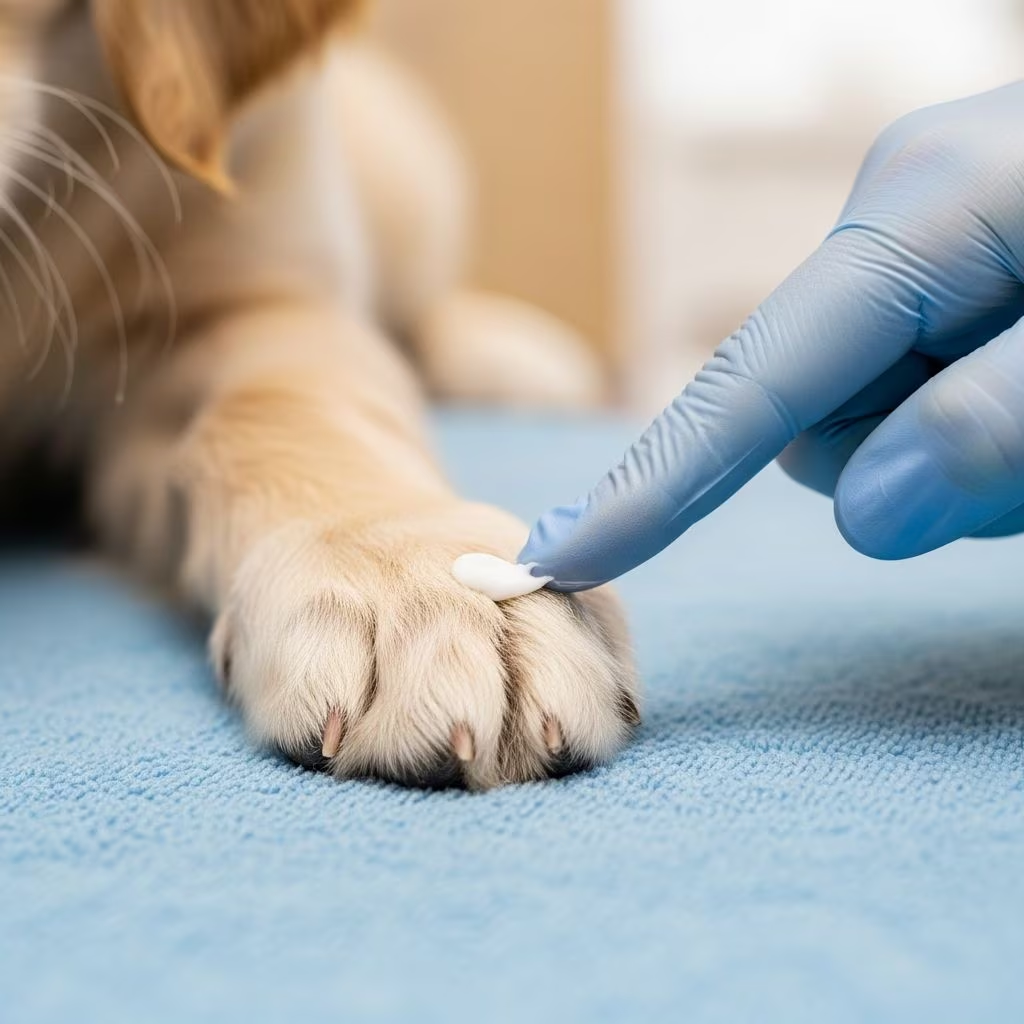
Miconazole cream serves as a potent topical antifungal treatment specifically formulated to address common fungal skin infections in dogs. This medication targets dermatophytes such as Microsporum canis, Microsporum gypseum, and Trichophyton mentagrophytes, which are frequent culprits behind conditions like ringworm. By inhibiting fungal cell membrane synthesis, miconazole effectively halts the growth and spread of these pathogens, promoting healthier skin recovery.
Understanding Fungal Infections in Canine Skin
Dogs are susceptible to various fungal infections that manifest as circular patches of hair loss, redness, scaling, and itching. Ringworm, despite its name, is not caused by worms but by fungi that thrive in warm, moist environments. These infections can spread through direct contact with infected animals, contaminated surfaces, or soil harboring fungal spores. Early detection is crucial, as untreated cases may lead to secondary bacterial infections or zoonotic transmission to humans, particularly in households with children or immunocompromised individuals.
Symptoms often include bald spots with broken hairs, crusty lesions, and mild inflammation. Veterinary diagnosis typically involves microscopic examination of skin scrapings using potassium hydroxide or fungal culture tests to confirm the pathogen. Accurate identification ensures miconazole is the appropriate choice, as it excels against specific dermatophytes but may not address yeast overgrowth like Malassezia.
How Miconazole Works Against Fungal Pathogens
Miconazole nitrate, the active ingredient in these creams, belongs to the imidazole class of antifungals. It disrupts ergosterol production, a vital component of fungal cell membranes, leading to leakage of cellular contents and eventual fungal death. Available in concentrations like 1% or 2%, it provides broad-spectrum activity suitable for veterinary use in non-food animals such as dogs.
Unlike oral antifungals, topical miconazole minimizes systemic absorption, reducing the risk of internal side effects while delivering high concentrations directly to the infected site. Studies supporting its approval demonstrate efficacy in resolving infections within 2-4 weeks when applied consistently.
Approved Uses and Effectiveness in Dogs
The U.S. Food and Drug Administration (FDA) has approved miconazole nitrate lotion, spray, and cream forms for topical treatment of fungal infections in dogs caused by Microsporum canis, Microsporum gypseum, and Trichophyton mentagrophytes. It is particularly effective for superficial dermatophytosis, showing clinical improvement in most cases after daily applications.
- Ringworm (Dermatophytosis): Primary indication, with resolution rates high when combined with environmental decontamination.
- Yeast Dermatitis: Useful for some Malassezia cases, though chlorhexidine shampoos may complement treatment.
- Other Fungal Issues: Off-label for certain candidiasis under veterinary guidance.
Effectiveness hinges on complete therapy courses; premature discontinuation risks recurrence.
Step-by-Step Application Guide for Optimal Results
Proper administration maximizes efficacy and safety. Always wear gloves to prevent human exposure, as fungi can transfer.
- Clean the Area: Gently wash the affected skin with a mild antifungal shampoo, then pat dry thoroughly.
- Apply Thin Layer: Squeeze a light covering of cream onto the lesion, extending 1-2 inches beyond the edges to capture subclinical spread.
- Massage Gently: Rub in using circular motions for even distribution.
- Prevent Licking: Use an Elizabethan collar (e-collar) to stop grooming, as ingestion may cause gastrointestinal upset.
- Frequency: Apply once daily for 2-4 weeks or as vet-directed. Reassess progress weekly.
For sprays, hold the canister 2-4 inches away and mist lightly, avoiding eyes. Wash hands post-application and disinfect tools.
Dosage Recommendations by Dog Size and Condition
| Dog Weight | Typical Cream Amount per Application | Duration | Notes |
|---|---|---|---|
| Small (<20 lbs) | Peasize per lesion | 2-4 weeks | Monitor closely for irritation |
| Medium (20-50 lbs) | 1/2 teaspoon per area | 2-4 weeks | Combine with clipping hair if needed |
| Large (>50 lbs) | 1 teaspoon per large patch | 2-4 weeks | Multiple sites may require divided doses |
These are general guidelines; consult a veterinarian for tailored dosing based on infection severity. Pediatric or pregnant dogs may need adjustments.
Potential Side Effects and Monitoring Tips
Miconazole is generally well-tolerated, with low incidence of adverse reactions due to topical delivery. Common mild effects include:
- Localized redness or dryness at application site.
- Temporary increased itching as fungi die off.
Serious signs warrant immediate vet attention:
- Persistent worsening after 2 weeks.
- Vomiting, diarrhea, or lethargy from accidental ingestion.
- Allergic reactions like swelling or hives.
Monitor daily and discontinue if sensitization occurs. Hypersensitive dogs should avoid azole antifungals.
Precautions and Contraindications for Safe Use
Avoid use on broken, ulcerated, or burned skin, as absorption increases. Do not apply near eyes, mouth, or mucous membranes due to irritation risk. Concurrent use with other topicals like corticosteroids requires vet approval to prevent interactions.
Environmental control is vital: Vacuum daily, wash bedding in hot water, and disinfect with 1:10 bleach solution. Isolate infected dogs from others.
Combining Miconazole with Supportive Therapies
For enhanced outcomes, integrate with:
- Medicated Shampoos: Lime sulfur or chlorhexidine weekly.
- Clipping: Shorten hair around lesions for better penetration.
- Oral Antifungals: Itraconazole for severe cases.
Follow-up cultures confirm cure, preventing relapse.
Frequently Asked Questions (FAQs)
Can I use human miconazole cream on my dog?
Veterinary formulations are preferred due to excipient differences, but 2% human creams like Monistat may be used short-term under vet guidance.
How long until I see improvement?
New hair growth often appears in 7-10 days; full resolution takes 2-4 weeks.
Is miconazole safe for puppies?
Yes, with caution; consult vet for dosing in dogs under 6 months.
Can miconazole treat ear infections?
Not primarily; use vet-prescribed otic solutions for otitis.
What if my dog licks the cream?
Rinse mouth if possible; use e-collar. Single incidents rarely cause issues, but monitor for GI upset.
When to Seek Veterinary Professional Help
Consult a vet if symptoms persist beyond 2 weeks, spread rapidly, or if your dog shows systemic signs like fever. Professional diagnostics ensure targeted therapy, avoiding resistance.
References
- Miconazole Nitrate 2% Cream: Antifungal for Pets — VetRxDirect. Accessed 2026. https://www.vetrxdirect.com/product/view/miconazole-nitrate-2-cream-otc
- Freedom of Information Summary: PRICONAZOLE (miconazole nitrate) Lotion, 1% and Spray, 1% — U.S. Food and Drug Administration (FDA). 2009-01-29. https://animaldrugsatfda.fda.gov/adafda/app/search/public/document/downloadFoi/1116
- Miconazole nitrate 1% Lotion & Spray — DailyMed (National Library of Medicine). Accessed 2026. https://dailymed.nlm.nih.gov/dailymed/fda/fdaDrugXsl.cfm?setid=d7e2307f-d280-4a86-859d-99ecdfce3158
- Miconazole, Topical — Plumb’s Veterinary Medication Guides (PharmaVet, Inc.). 2017. https://image.chewy.com/is/content/catalog/152674_UseAndCareInstructions._V1569434820_.pdf
- Miconazole 1% Ophthalmic Ointment — PetScript Pharmacy. Accessed 2026. https://www.petscriptpharmacy.com/products/miconazole-1-ophthalmic-ointment-5gm



