

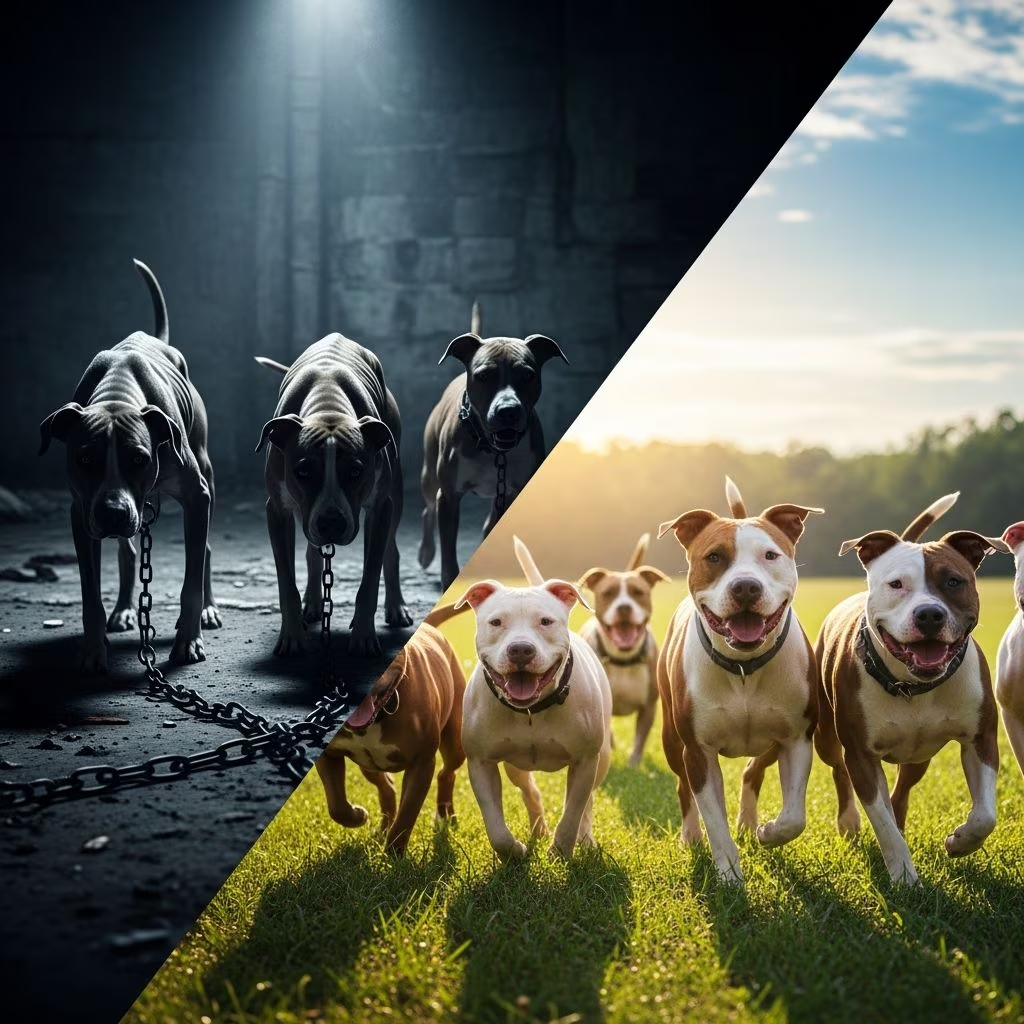
The Michael Vick Dogs: A Journey from Darkness to Light
In July 2007, one of the most significant animal cruelty cases in American history came to an end when authorities discovered and rescued 51 dogs from Michael Vick’s Bad Newz Kennels in Virginia. These dogs had endured unimaginable suffering in an illegal dog fighting operation run by the then-Atlanta Falcons quarterback. What followed their rescue was an extraordinary story of rehabilitation, redemption, and the unwavering belief that no dog is beyond saving. Among these survivors, 22 of the most severely traumatized dogs arrived at Best Friends Animal Sanctuary in Utah on January 2, 2008, beginning a remarkable transformation that would change their lives forever and challenge long-held beliefs about fighting dogs and their capacity to heal.
Understanding the Severity of Abuse
The dogs rescued from Michael Vick’s property had experienced cruelty that most people find unimaginable. Used as tools in an illegal underground dog fighting enterprise, these animals suffered physical injuries, emotional trauma, and psychological damage that left many professionals questioning whether they could ever recover. When authorities first discovered the facility, the dogs faced an uncertain and potentially tragic future. Even some humane organizations and animal welfare experts argued that the dogs were too traumatized, too aggressive, and too damaged by their experiences to be saved. Many believed euthanasia was the only merciful option available to these broken animals.
The fighting dogs had been conditioned through brutal training methods designed to maximize aggression and pain tolerance. They bore the physical scars of their past—bite wounds, scarring, malnutrition, and untreated injuries. More significantly, they carried deep psychological wounds: fear of humans, inability to trust, and learned behaviors rooted in survival rather than companionship. The dogs had learned that humans meant pain, that other dogs were competitors or threats, and that life was about fighting or starving. Overcoming these deeply ingrained responses would require exceptional patience, expertise, and commitment.
The Pivotal Decision to Rescue Rather Than Destroy
Best Friends Animal Society made the pivotal decision to take in 22 of the most severely affected dogs, believing that rehabilitation was possible despite the long odds. This decision represented a radical departure from conventional wisdom at the time and demonstrated unprecedented faith in the resilience of dogs. The organization’s willingness to advocate for these animals when many others had given up on them proved transformative not only for the individual dogs but for the entire conversation around dog fighting survivors and their capacity for recovery.
The decision was not without significant legal and operational challenges. Best Friends had to navigate a complex agreement with the federal government, which included strict requirements for the dogs’ rehabilitation and placement. Two dogs, Meryl and Lucas, were specifically ordered to remain at Best Friends for their lifetime. The remaining 20 dogs had to pass rigorous behavioral assessments, including the Canine Good Citizen test, before they would be eligible for adoption into private homes. This demanding certification process ensured that only dogs who had demonstrated genuine behavioral progress and trustworthiness could leave the sanctuary.
The Rehabilitation Process at Best Friends
When the 22 Vicktory dogs arrived at Best Friends Animal Sanctuary, the real work of healing began. The sanctuary staff implemented individualized rehabilitation programs designed to address each dog’s unique trauma and behavioral challenges. Initial assessments revealed dogs with severe behavioral issues, including fear aggression, resource guarding, and difficulty with human contact. Many had little to no positive experience with people and struggled to understand that human interaction could be anything other than painful or threatening.
The rehabilitation approach at Best Friends focused on several key principles:
Creating Safe Environments
Staff established individual kennels for each dog, providing secure outdoor space and indoor housing where the animals could retreat and feel protected. This security was fundamental to helping traumatized dogs begin to relax and lower their defensive responses. The sanctuary understood that dogs operating in survival mode could not begin healing until they felt safe.
Positive Socialization
Interestingly, many of the rescued dogs demonstrated a capacity to form positive relationships with other dogs, despite their fighting history. Best Friends staff carefully facilitated these canine friendships, recognizing that companionship with fellow dogs provided therapeutic benefits and helped animals remember how to play and interact without aggression. Many Vicktory dogs formed lasting bonds with other sanctuary residents.
Gradual Human Contact
Rebuilding trust with humans was a slow, deliberate process. Caregivers worked with individual dogs at their own pace, using positive reinforcement, gentle handling, and consistent interactions to help them learn that people could be sources of comfort rather than harm. This required extraordinary patience, as some dogs needed months or years before they could tolerate being touched or looked directly in the eye.
Individual Stories of Triumph
The collective story of the Vicktory dogs is powerful, but individual narratives demonstrate the depth of transformation these animals experienced. Each dog’s journey reflected unique challenges and victories that illustrated the broader themes of resilience, redemption, and the possibility of recovery.
Little Red: Finding Comfort and Joy
Little Red was among the first of the rescued dogs to arrive at Best Friends. In the nine years following her rescue, she experienced profound changes in her understanding of life. She learned that being rocked like a baby could feel good, that running and playing brought joy, that treats were genuinely wonderful, and that other dogs could bring companionship and happiness. Most importantly, Little Red learned that she was safe and loved. Her transformation from a traumatized fighting dog to a gentle companion capable of receiving affection represented the fundamental victory that Best Friends sought to achieve with all the Vicktory dogs.
Cherry: Becoming an Ambassador
Cherry was one of the first dogs to be adopted from Best Friends, moving into the home of Paul and Melissa Fiaccone in 2009. Within their family, Cherry became the “heartbeat” of the household. Years later, Cherry’s adoptive family had grown to include two young children, another dog who was his best friend, and two cats. Surrounded by this love and acceptance, Cherry transformed into a well-known community ambassador who changed hearts and minds wherever he went. He became particularly effective working with children through community outreach programs, helping people understand that pit bulls and former fighting dogs could be gentle, loving, and trustworthy companions.
Handsome Dan: Inspiring a Rescue Mission
Handsome Dan’s story demonstrates how rescue dogs can inspire positive change beyond their own lives. Adopted by Heather Gutshall, Dan formed an inseparable bond with his human sister, Josephine, and developed a close friendship with another dog named Minnie. More significantly, Dan’s presence in Heather’s life inspired her to pursue professional dog training and become a behavior consultant. She eventually founded Handsome Dan’s Rescue for Pit Bull Type Dogs, with Dan serving as the organization’s chief canine officer (CCO). Through this rescue initiative, Dan has helped his human save countless at-risk pit bulls from dangerous situations, multiplying his positive impact exponentially.
Denzel: Fighting a Different Battle
Denzel was a fighter throughout his life, but not in the way Michael Vick intended. Instead of fighting in a ring, Denzel fought against the trauma of his past and serious health issues that repeatedly threatened his life. Ten years old at the time of his later days, Denzel demonstrated remarkable courage in his battle against both psychological trauma and physical illness. With support from Best Friends veterinarians and a small circle of devoted friends, Denzel continued fighting right until the very end, ultimately succumbing to his health challenges. His willingness to keep fighting despite overwhelming obstacles made him a symbol of canine resilience.
Willie and Mel: Learning to Thrive
Willie preferred a small circle of familiar friends, which is why he remained at Best Friends Sanctuary. His caregivers helped him maintain a consistent daily routine that reduced stress and promoted his well-being. While Willie could not live safely with other dogs, he enjoyed companionable walks alongside certain dogs at a safe distance, forming his own version of friendships. Mel, another sanctuary resident, initially demonstrated significant fear of new people, retreating to corners with his back against the wall to prevent surprise attacks. Over time, Mel learned that people, like dogs, deserved second chances, eventually allowing strangers to pet him despite his ongoing nervousness in new situations.
Long-Term Outcomes and Success Metrics
Nearly a decade after arriving at Best Friends, the long-term outcomes for the Vicktory dogs demonstrated the validity of the sanctuary’s decision to pursue rehabilitation rather than euthanasia. Of the 22 dogs that arrived in January 2008, the outcomes reflected both tremendous success and the inevitable passage of time:
Adoptions: Thirteen of the Vicktory dogs were successfully adopted into loving homes after completing their rehabilitation and passing behavioral assessments. These adoptions represented permanent placements where dogs experienced normal family life, complete with children, other pets, and community integration.
Lifetime Sanctuary Residents: Four dogs remained at Best Friends Animal Sanctuary, either by legal requirement or by choice, continuing to live out their lives in a safe, supportive environment.
Passing of Survivors: Ten of the original 22 dogs had passed away by the ninth anniversary of their arrival. Many of these deaths were attributed to old age and accumulated health issues, as the dogs were already at least a year or two old when rescued. The passing of each dog represented the end of an individual journey of redemption and recovery.
The Documentary Legacy: “The Champions”
The remarkable story of the Vicktory dogs was chronicled in the award-winning documentary film “The Champions,” which followed five of the rescued dogs from the moment of their rescue through their adoption and adjustment to family life. The film is not merely a story about dogs; it is a story about prejudice, being misunderstood, the power of resilience, and the profound relationships that exist between humans and animals. By following individual dogs through their transformations, the documentary provided compelling visual evidence that even dogs rescued from the most extreme and brutal circumstances could be successfully rehabilitated with love, time, and patience.
Changing Hearts and Minds About Pit Bulls
The success of the Vicktory dogs contributed significantly to changing public perception about pit bulls and dogs involved in fighting operations. The prevailing belief before their rescue was that these dogs were inherently vicious, permanently damaged, and beyond hope. The Vicktory dogs’ proven capacity to recover, form bonds, trust humans, and become loving family members challenged these fundamental assumptions. Their story demonstrated that breed and past circumstances do not define a dog’s future potential and that no dog is truly “too damaged” to deserve a second chance.
The Broader Impact on Animal Welfare
Best Friends Animal Society staff members reflected on the profound impact the Vicktory dogs had on their organization and the broader animal welfare community. Michelle Weaver, speaking about the experience, noted that the dogs continued to teach lessons every day about resilience, redemption, and the power of second chances. The staff recognized that while they had changed the dogs’ lives, the dogs had equally changed theirs. The journey with the Vicktory dogs had not only impacted those directly involved in their care but had influenced the lives of countless other dogs by demonstrating that circumstance and history do not determine destiny.
Frequently Asked Questions
Q: What is a “Vicktory dog”?
A: Vicktory dogs are dogs rescued from Michael Vick’s Bad Newz Kennels dog fighting operation in 2007. The name “Vicktory” combines Vick with “victory,” celebrating their triumph over abuse and their remarkable recoveries.
Q: How many dogs were rescued from Michael Vick’s property?
A: Fifty-one dogs were rescued from Michael Vick’s property in July 2007. Of these, 22 of the most severely traumatized dogs came to Best Friends Animal Sanctuary in Utah on January 2, 2008.
Q: Were all the Vicktory dogs successfully adopted?
A: No. Of the 22 dogs that arrived at Best Friends, 13 were adopted into loving homes, four remain at the sanctuary, and 10 had passed away by the ninth anniversary of their arrival, primarily due to age and health issues.
Q: What is the Canine Good Citizen test?
A: The Canine Good Citizen test is a rigorous behavioral assessment required by the federal government before Vicktory dogs could be eligible for adoption. This demanding certification ensures that dogs have demonstrated genuine behavioral progress and trustworthiness.
Q: Has the story of the Vicktory dogs changed public perception about pit bulls?
A: Yes. The Vicktory dogs’ proven ability to recover, form bonds, and become loving family members has significantly challenged the stereotype that pit bulls are inherently vicious and demonstrated that no dog is beyond redemption.
References
- The Vicktory dogs: Nine years later — Best Friends Animal Society. 2017-01-02. https://bestfriends.org/stories/features/vicktory-dogs-nine-years-later
- Vicktory Dogs | Best Friends Animal Society — Best Friends Animal Society. 2024. https://bestfriends.org/sanctuary/about-sanctuary/vicktory-dogs
- Best Friends TV Episode 20: Vicktory Dogs — Best Friends Animal Society. 2018-07-15. https://www.youtube.com/watch?v=X0ep7jv5S_s
- The Champions Film — Best Friends Animal Society. 2024. https://bestfriends.org/stories/champions



