
Meyer’s Parrot: Personality, Food & Care Guide
Complete guide to Meyer's parrot care, personality, diet, and breeding for pet owners.
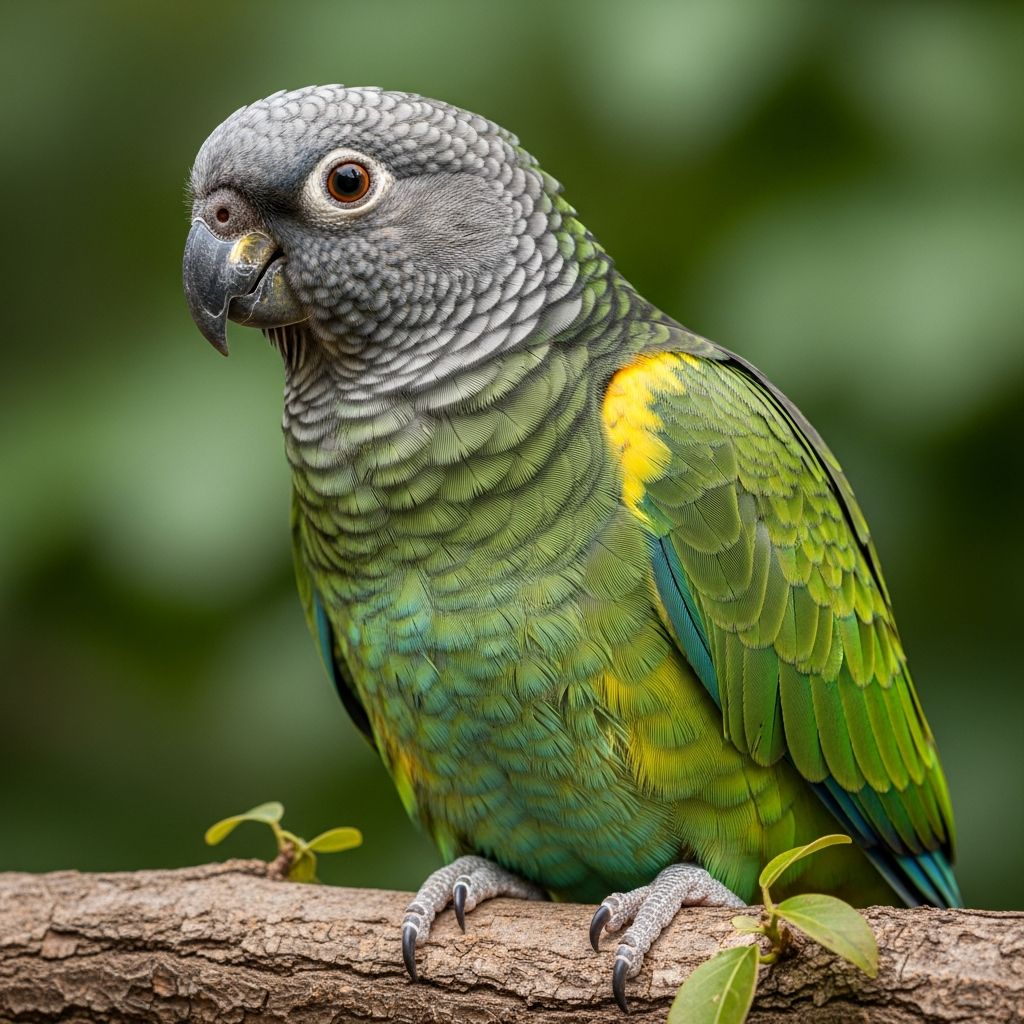
Understanding the Meyer’s Parrot
The Meyer’s parrot has long remained somewhat overshadowed within the popular Poicephalus family, often eclipsed by its more vibrant cousin, the Senegal parrot. Both birds share remarkably similar dimensions, measuring approximately 8 to 9 inches in length. While both species were once imported in substantial numbers, the Meyer’s parrot has proven more challenging to breed in captivity, which may explain its continued secondary status among bird enthusiasts. However, dedicated breeders focusing specifically on African parrots and the Meyer’s species have achieved considerable success, establishing these birds as rewarding companions for the right owner.
The Meyer’s parrot derives its name from its native regions across Central, eastern and southern Africa, where it inhabits woodlands and savannas. These birds thrive in environments where they can observe their surroundings carefully, embodying a calm and contemplative demeanor that distinguishes them from more dramatic parrot species.
Physical Characteristics and Appearance
Meyer’s parrots display subtle yet striking beauty that appeals to those who appreciate understated elegance. The adult plumage features a dark brown body contrasted dramatically against a bright yellow crown and luminous turquoise chest and belly. The beak is uniformly black, while the feet present a soft gray coloration. This color combination creates a sophisticated appearance that, while less flashy than some family members like the Jardine’s parrot, possesses its own distinctive charm.
Young Meyer’s parrots appear distinctly different from their adult counterparts. Juveniles display darker eyes and less well-defined plumage, creating a more gentle appearance overall. Notably, the characteristic yellow markings are nearly absent in young birds except for subtle coloring on the bend of the wing, resulting in predominantly gray plumage with a blue-green rump.
Sexual Dimorphism and Gender Identification
The Meyer’s parrot presents an interesting challenge regarding sexual dimorphism. While the species is supposed to be dimorphic with visible differences between males and females, these distinctions prove difficult for the untrained eye to discern, and even experienced breeders frequently make mistakes in gender identification.
Males are said to display black barring on their chests, whereas females typically show a more solid turquoise coloring in this area. Additionally, males supposedly exhibit more extensive yellow coloring on the head and shoulders compared to females, though this distinction remains debatable among experts. Interestingly, male Meyer’s parrots greatly outnumber females in captivity, making hens particularly sought after by breeders. Both genders make equally accomplished companions, eliminating any practical preference for one sex over the other as a pet.
Personality and Behavioral Traits
The Meyer’s parrot embodies an affectionate, quiet, and easy-going nature with a remarkably stable temperament. If this species had a personal motto, it would undoubtedly be “I go with the flow.” These birds are not particularly athletic or clownish performers; instead, they prefer to observe their environment carefully and discerningly from a comfortable perch.
Meyer’s parrots are content sitting quietly on a perch while destroying a toy and watching the world unfold around them. They may prefer to observe activities from a distance rather than demanding center stage attention. This contemplative nature makes them excellent companions for individuals who appreciate quieter, less demanding bird companions.
Social Bonding and Family Interaction
Despite their reserved nature, Meyer’s parrots are genuinely social birds that tend to bond with everyone in the family, displaying a notable difference from other species that might show strong preference for a single individual. These birds possess stable, predictable personalities—once they establish affection toward someone, that person becomes a lifelong friend.
While Meyer’s parrots are not typically cuddlebug birds, they demonstrate genuine affection and thoroughly enjoy handling and receiving scratches on the head and neck. A properly hand-fed baby Meyer’s develops into a gentle adult when treated appropriately and is generally not prone to nipping, though they can deliver a powerful bite if significantly provoked. Most Meyer’s parrots remain fairly quiet and gentle, though they can occasionally exhibit shyness or fearful behavior characteristic of some African parrot species.
Handling and Training Requirements
Unlike cockatoos and Amazon parrots, the Meyer’s parrot does not demand constant affection but nevertheless requires substantial handling to maintain socialization and emotional well-being. Owners should possess sufficient time to interact with this parrot, though Meyer’s birds are often content entertaining themselves with chewable items such as rawhide, rope knots, and soft wood. The bird’s relatively independent nature makes it suitable for owners who appreciate a more balanced relationship with their pet.
Native Habitat and Wild Populations
Meyer’s parrots originate from the African woodlands and savannas across Central, eastern, and southern Africa. In their native range, these birds remain common throughout much of their wide distribution, indicating stable wild populations. Six recognized subspecies exist, with variations primarily occurring in crown coloring (either brown or yellow), the depth of brown shading, and the intensity of blue on the rump.
The diversity of subspecies reflects the birds’ adaptation to varied African environments. However, most captive stocks lack genetic purity because the same subspecies have not always been properly recognized and paired together during breeding programs.
Care and Housing Requirements
Proper housing and environmental enrichment form the foundation of excellent Meyer’s parrot care. These birds require spacious accommodations with plenty of opportunities for climbing, perching, and toy destruction. Safe, non-toxic materials should be provided for chewing activities, including soft woods and vegetable-based chewing toys.
Meyer’s parrots thrive in environments that minimize stress and maximize mental stimulation. Regular out-of-cage time allows these birds to exercise and explore their surroundings safely. The cage should be positioned to allow observation of household activities, which these curious birds genuinely enjoy.
Diet and Nutrition
Optimal Dietary Composition
Meyer’s parrots introduced to dietary variety early in life will consume a wide range of nutritious foods. Poicephalus parrots, including Meyer’s, thrive on a pelleted base diet supplemented with fresh fruits and vegetables. High-quality pellet diets such as Lafeber’s Daily Diet Premium Pellets or Nutri-Berries provide essential nutrients while reducing the risk of nutritional deficiencies associated with seed-only diets.
For those preferring traditional seed-based approaches, a parakeet mixture with separately offered soaked or sprouted sunflower seeds (both white and striped varieties) works well. Many Meyer’s parrots readily accept pelleted diets when properly introduced, though some individual birds may require a transition period.
Fresh Fruits and Vegetables
Fresh produce should constitute approximately 30 percent of the Meyer’s parrot’s diet. Particularly beneficial fruits include pomegranates, grapes, and oranges, all offering valuable vitamins and minerals. Vegetables should be offered regularly, providing nutritional diversity and encouraging natural foraging behaviors.
Fresh water must be provided daily and changed frequently to maintain hygiene and prevent bacterial growth. Food and water dishes require regular cleaning to prevent contamination and disease transmission.
Breeding and Reproduction
Breeding Behavior and Season
African parrots, including Meyer’s, typically breed during the depth of winter in temperate climates, despite the characteristically short daylight hours during this season. Breeders employ electric lighting to artificially extend daylight hours, stimulating reproductive behavior and supporting proper breeding cycles.
The nest-box and feeding area should be positioned indoors to allow lighting manipulation and environmental control. This setup proves particularly important for Meyer’s parrots, which are hardy birds under normal circumstances but require protection from cold weather that could endanger developing chicks.
Clutch Size and Incubation
Meyer’s parrots typically lay three or four eggs per clutch, with incubation periods lasting approximately 27 days. Young birds remain in the nest for approximately nine weeks before fledging. Hand-rearing of chicks may become necessary if birds are permitted to nest in outdoor flights, as cold weather could prove fatal to developing chicks.
Health and Common Conditions
Primary Health Concerns
A primary health concern for Poicephalus parrots is Aspergillosis, a common fungal disease affecting birds. Excellent care practices, including clean housing, balanced nutrition, and a non-stressful environment, help minimize Aspergillosis infection likelihood.
Bornavirus, also known as Proventricular Dilatation Disease (PDD), represents another important condition to monitor carefully. Signs of Bornavirus infection include weight loss despite normal eating, poorly digested food in droppings, and regurgitation of food. Early detection and veterinary intervention prove crucial for managing this serious condition.
Preventive Care Strategies
Maintaining optimal health requires regular veterinary check-ups with avian specialists experienced in treating parrot species. A balanced diet rich in essential vitamins and minerals supports immune function and overall wellness. Clean housing with regular disinfection prevents pathogenic organism accumulation. Minimizing stress through consistent routines, adequate socialization, and environmental enrichment contributes significantly to preventive health maintenance.
Lifespan and Longevity
Meyer’s parrots can live 20 to 25 years or more with proper care, with some sources indicating potential lifespans reaching 35 years. This substantial longevity represents a significant commitment for potential owners, requiring serious consideration before acquiring one of these birds. The long-term relationship demands ongoing financial investment, time commitment, and dedication to meeting the bird’s physical and emotional needs throughout its extended lifespan.
Availability and Selection as Pets
Meyer’s parrots are fairly readily available in the pet trade, though they may be overlooked in pet stores when displayed alongside more visually striking bird species. Prospective owners should specifically seek well-handled, hand-fed young birds from reputable breeders or rescue organizations. This selection criterion significantly influences the bird’s eventual temperament and socialization as an adult.
A novice bird owner might do exceptionally well with a Meyer’s parrot or its close relative, the Senegal parrot. The Meyer’s species represents an excellent choice for individuals seeking a quieter, less demanding companion that still provides meaningful interaction and companionship. Though these birds are relatively small, their beaks prove quite powerful, necessitating respect and careful handling to avoid potential injury.
Comparison with Related Species
| Characteristic | Meyer’s Parrot | Senegal Parrot | Jardine’s Parrot |
|---|---|---|---|
| Size | 8-9 inches | 8-9 inches | Larger |
| Temperament | Quiet, gentle, reserved | Similar to Meyer’s | More colorful, active |
| Coloration | Brown, yellow, turquoise | Green, yellow, orange | More vibrant colors |
| Breeding Success | Challenging in captivity | Moderate | Generally good |
| Vocalization Level | Relatively quiet | Moderate | More vocal |
Is a Meyer’s Parrot Right for You?
Meyer’s parrots make excellent pets for individuals and families seeking a quieter, more independent companion bird that still provides genuine affection and interaction. They are particularly suitable for:
- First-time bird owners desiring a manageable-sized species with stable temperament
- Households preferring quieter pets that do not demand constant attention
- Individuals who appreciate observant, thoughtful companions
- Families with time for regular handling and enrichment activities
- Those comfortable with long-term commitments spanning two to three decades
Frequently Asked Questions About Meyer’s Parrots
Q: How long do Meyer’s parrots live?
A: Meyer’s parrots can live 20 to 25 years or more with proper care, with some individuals reaching 35 years of age. This represents a significant long-term commitment for potential owners.
Q: Are Meyer’s parrots loud birds?
A: Meyer’s parrots are relatively quiet compared to many other parrot species, making them suitable for apartment living and noise-sensitive households. They are vocal communicators but not excessively loud.
Q: Can Meyer’s parrots be kept in groups?
A: While Meyer’s parrots can live together, care must be taken. Females have more dominant personalities and do not readily tolerate their own sex. Proper introductions and spacious accommodations are essential.
Q: What fruits are best for Meyer’s parrots?
A: Meyer’s parrots particularly enjoy pomegranates, grapes, and oranges. Fruits should comprise about 30 percent of their total diet, supplementing a pelleted base diet and vegetables.
Q: Are Meyer’s parrots suitable for first-time bird owners?
A: Yes, Meyer’s parrots are excellent choices for novice bird owners. Their quiet, gentle temperament and moderate care requirements make them more manageable than many other parrot species.
Q: What is the main health concern for Meyer’s parrots?
A: Aspergillosis, a fungal disease, represents the primary health concern. Good hygiene, balanced nutrition, and stress reduction help prevent infection. Bornavirus (PDD) is another condition to monitor.
Q: Do Meyer’s parrots require a lot of social interaction?
A: Unlike some parrot species, Meyer’s parrots do not demand constant affection. However, they still require regular handling and interaction to maintain proper socialization and emotional well-being.
Q: Can you determine a Meyer’s parrot’s sex?
A: Sexual dimorphism in Meyer’s parrots is subtle and difficult to discern. Males are said to have black chest barring and more yellow on the head, but even experienced breeders frequently make mistakes in gender identification.
References
- Meyers Parrot Fact Sheet — Northern Parrots. 2024. https://www.northernparrots.com/blog/meyers-parrot-fact-sheet/
- Meyer’s Parrot Personality, Food & Care – Pet Birds by Lafeber Co. — Lafeber Company. 2024. https://lafeber.com/pet-birds/species/meyers-parrot/
- Parrot — Lafeber Company. 2024. https://lafeber.com/pet-birds/species/parrot/
- Meyers parrot – Lafeber® Pet Birds — Lafeber Company. 2024. https://lafeber.com/pet-birds/questions/meyers-parrot-2/
Similar Articles








Read full bio of Sneha Tete


