

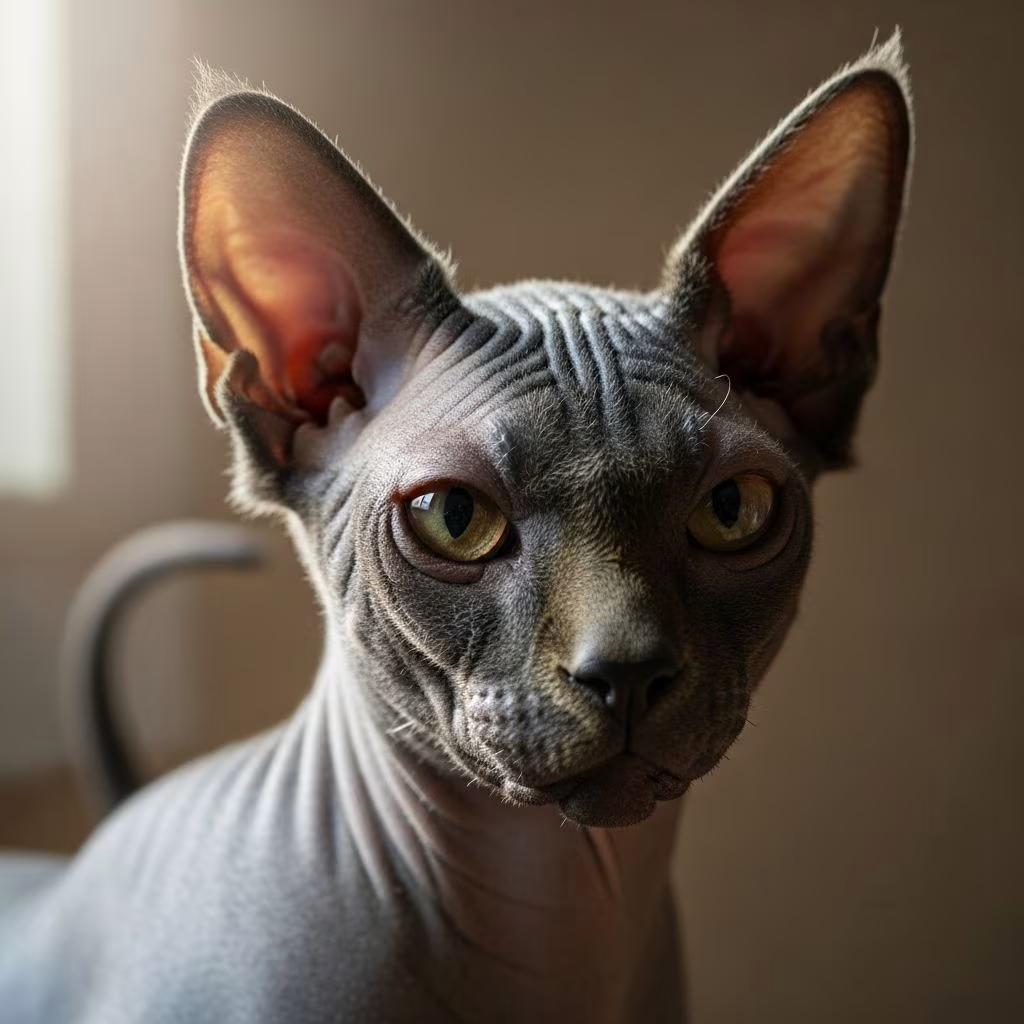
The Mexican Hairless cat stands out as a fascinating chapter in feline history, celebrated for its distinctive bald appearance and lively spirit. Though now extinct, this breed offers valuable lessons in cat genetics, care for hairless varieties, and cultural lore tied to ancient civilizations.
Origins and Historical Background
Stories surrounding the Mexican Hairless cat trace back to early 20th-century New Mexico, where locals reportedly acquired these unique felines from Pueblo Indians. Claimed to be remnants of an ancient Aztec lineage, the cats sparked intrigue among breeders and historians alike. In 1902, a pair named Dick and Nellie arrived at the home of Mr. Shinick, who noted their smaller stature compared to typical shorthairs and their tendency to sprout light fur on backs and tails during winter months.
These cats quickly bonded with the family, displaying remarkable intelligence and responsiveness to human cues. Dick vanished mysteriously, while Nellie, in her later years, found a home at the Smithsonian Institution, underscoring the breed’s rarity. Whether truly Aztec descendants or products of spontaneous mutations remains debated, but their allure stemmed from this exotic narrative, distinguishing them from modern hairless breeds like the Sphynx.
Physical Characteristics
Mexican Hairless cats measured about 8 to 10 inches in height and weighed between 7 and 14 pounds, presenting a sleek, muscular build without the insulation of fur. Their skin displayed shades of cream, brown, or gray, often warming to the touch due to retained body heat—a trait common in hairless felines.
Unlike completely bald varieties, some individuals developed a fine fuzz along the back and tail in colder weather, aiding thermoregulation. Long whiskers and expressive eyebrows framed their faces, enhancing their alert, inquisitive expressions. This seasonal fur growth set them apart from consistently hairless contemporaries.
| Trait | Details |
|---|---|
| Height | 8–10 inches |
| Weight | 7–14 pounds |
| Skin Colors | Cream, brown, gray |
| Lifespan | 8–14 years |
| Special Features | Seasonal fuzz, warm skin |
Personality and Behavior
Renowned for their affectionate and people-oriented demeanor, Mexican Hairless cats thrived on human interaction. Owners described them as intelligent companions capable of grasping commands and even leash training. Their energetic, curious nature made them ideal for active households, where they eagerly engaged in play and exploration.
- Friendly and Social: Excelled in multi-pet homes and with children, provided proper socialization.
- Intelligent and Trainable: Learned tricks and responded to routines with enthusiasm.
- Heat-Seeking: Preferred warm spots, often curling under blankets or near family members.
- Playful: Displayed high energy, loving interactive games and novel stimuli.
These traits mirror those in surviving hairless breeds, suggesting a shared genetic predisposition for outgoing personalities that counter their unconventional looks.
Care Essentials for Hairless Cats
Without fur for protection, Mexican Hairless cats demanded diligent skincare routines. Regular wiping with pet-safe moisturizers prevented dryness, while sun protection—via clothing or shaded environments—guarded against burns. Warm baths proved enjoyable, helping maintain skin health and removing oils that could accumulate.
Indoor living was crucial to shield their sensitive skin from elements and parasites. Diets rich in high-quality proteins supported their active lifestyles and skin integrity. Veterinary consultations ensured tailored sunscreen and lotion recommendations, avoiding human products toxic to felines.
Daily Grooming Routine
- Wipe skin with damp, soft cloths to remove debris.
- Apply vet-approved moisturizer post-bath.
- Monitor for irritations, redness, or acne-prone areas.
- Provide cozy bedding and heated pads for comfort.
Health Considerations
Hairless cats like the Mexican variety faced risks of temperature sensitivity, skin infections, and dental issues due to softer teeth. Routine check-ups, dental cleanings, and a balanced diet mitigated these. Their lifespan of 8–14 years aligned with averages for similar breeds, bolstered by attentive care.
Comparing to Modern Hairless Breeds
While extinct, the Mexican Hairless cat shares parallels with breeds like Sphynx and Donskoy. Sphynx cats, for instance, boast triangular heads, bat-like ears, and suede-like fuzz, with vibrant personalities that demand engagement.
| Breed | Hair Type | Temperament | Origin |
|---|---|---|---|
| Mexican Hairless | Mostly bald, seasonal fuzz | Affectionate, intelligent | New Mexico/Aztec lore |
| Sphynx | Fine fuzz | Energetic, social | Canada, 1960s |
| Donskoy | Varied baldness levels | Sweet, family-friendly | Russia |
These comparisons highlight how natural mutations recur across regions, producing similar traits without direct lineage.
Why They Captivate Today
Though no pure Mexican Hairless cats exist, their legacy endures in breeding discussions and hairless cat enthusiasm. Rumors of revival persist, fueled by genetic interest, but remain unconfirmed. Modern owners of Sphynx or similar breeds echo historical accounts of devoted, warm companions that defy typical cat stereotypes.
Their story reminds us of felines’ adaptability and the blend of myth and science in breed development. For those drawn to unique pets, understanding this breed informs better choices in hairless adoptions.
Nutrition and Exercise Needs
Mexican Hairless cats required calorie-dense foods to compensate for heat loss, emphasizing proteins and fats for muscle maintenance. Interactive toys, climbing structures, and puzzle feeders kept their sharp minds engaged, preventing boredom-induced mischief.
- High-protein wet foods for hydration and skin health.
- Daily play sessions mimicking hunts.
- Access to cat trees for acrobatic outlets.
Training Tips
Leveraging their smarts, owners successfully taught litter box use, leash walking, and basic commands. Positive reinforcement with treats and praise yielded quick results, fostering strong bonds.
Frequently Asked Questions
Are Mexican Hairless cats truly extinct?
Yes, the pure breed is considered extinct since the early 1900s, with no verified breeding lines remaining.
Do hairless cats feel warmer than furry ones?
Indeed, their lack of insulating fur makes body heat radiate outward, creating a toasty feel.
Can hairless cats live in cold climates?
They prefer warmth but adapt with heated environments, sweaters, and cozy spots.
Are they suitable for allergy sufferers?
Not fully hypoallergenic; allergens in saliva and dander persist, though less shedding helps.
What caused their extinction?
Likely small population, inbreeding, and loss of specimens like Nellie to institutions.
Adopting a Similar Breed Today
Seek rescues or breeders of Sphynx, Donskoy, or related hairless cats. Prioritize health testing and ethical practices to honor the spirit of the Mexican Hairless legacy.
References
- Mexican Hairless Cat Breed: Info, Pictures, Care & More — Catster. 2023. https://www.catster.com/cat-breeds/mexican-hairless-cat/
- Mexican Hairless cat — SciiFii Wiki. Accessed 2026. https://sciifii.fandom.com/wiki/Mexican_Hairless_cat
- Sphynx / Hairless Cat Breed & Adoption Info — Petfinder. Accessed 2026. https://www.petfinder.com/cats-and-kittens/breeds/sphynx/
- All about Mexican Hairless Cat breed — Animalia.bio. Accessed 2026. https://animalia.bio/pets/mexican-hairless-cat
- Sphynx Cat Breed — Hill’s Pet Nutrition. Accessed 2026. https://www.hillspet.com/cat-care/cat-breeds/sphynx
- 6 Types of Hairless Cats and How to Care For Them — PetMD. Accessed 2026. https://www.petmd.com/cat/general-health/hairless-cats



