

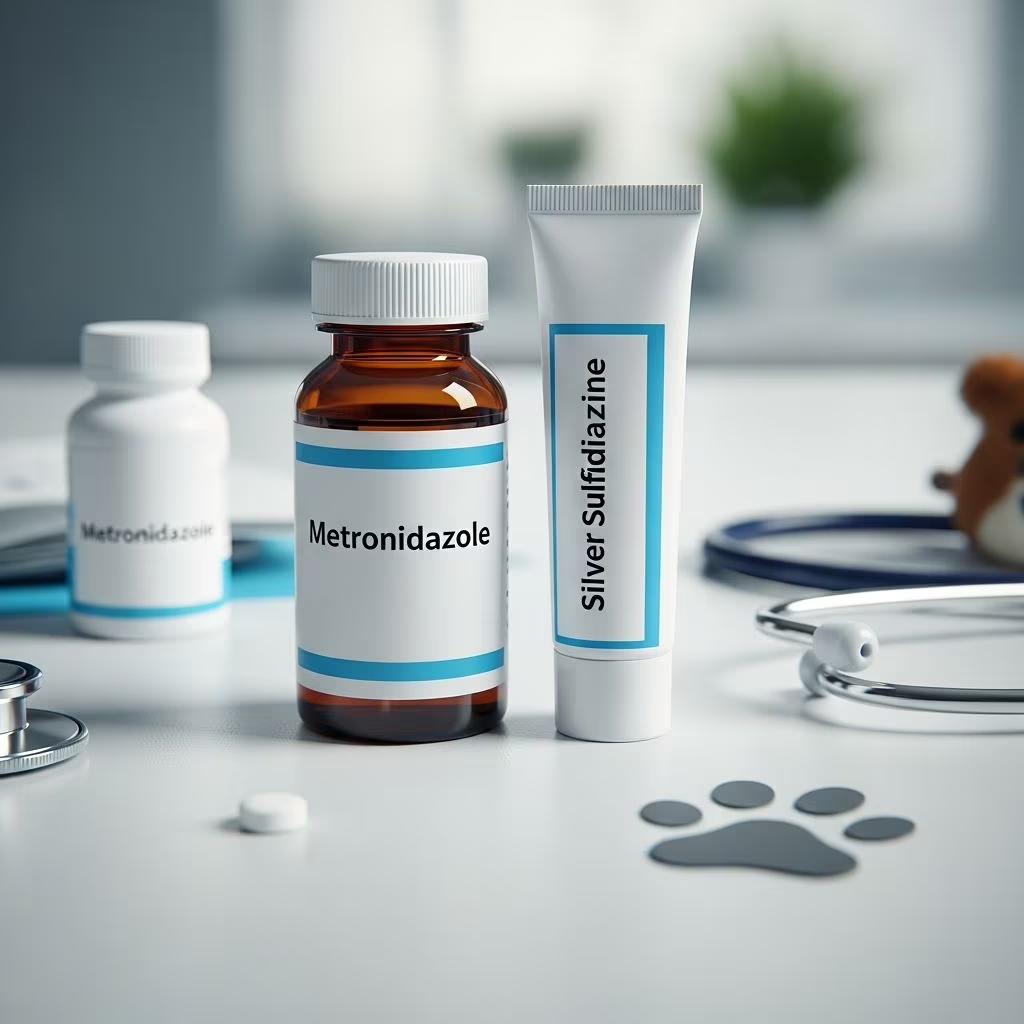
Metronidazole and Silver Sulfadiazine: Essential Medications for Pet Health
Veterinarians frequently prescribe two important medications to treat various infections and skin conditions in companion animals: metronidazole and silver sulfadiazine. Understanding how these medications work, their proper usage, potential side effects, and safety considerations can help pet owners provide optimal care for their animals. This comprehensive guide covers everything you need to know about these essential therapeutic agents.
Understanding Metronidazole
What Is Metronidazole?
Metronidazole is a prescription antibiotic and antiprotozoal medication that plays a crucial role in veterinary medicine. This versatile drug belongs to the 5-nitroimidazole drug class and is specifically designed to eliminate certain types of bacteria and protozoan parasites from your pet’s body. The medication is available in multiple formulations, making it adaptable to various treatment scenarios and pet needs.
Primary Uses of Metronidazole in Pets
Metronidazole serves multiple therapeutic purposes in veterinary practice. In dogs and cats, it is most commonly used to treat infections and inflammation in the digestive tract, addressing conditions that cause significant discomfort and health complications. Beyond gastrointestinal issues, metronidazole effectively treats protozoal parasites, with Giardia being one of the most prevalent parasitic infections it combats. When treating Giardia infections, veterinarians often combine metronidazole with other medications to enhance treatment efficacy. Additionally, metronidazole is utilized to treat inflammatory diseases of the digestive tract by blocking certain inflammatory mechanisms that contribute to tissue damage and discomfort.
How Metronidazole Works
The mechanism of action for metronidazole differs depending on the target organism. When targeting bacteria, metronidazole disrupts the organism’s DNA, effectively eliminating the infection. For protozoan parasites, the exact mechanism remains not fully understood; however, researchers believe metronidazole works by generating free radicals that disrupt the parasitic DNA. When treating inflammatory conditions, the medication functions by blocking specific inflammatory pathways that contribute to tissue damage and clinical signs.
Metronidazole Administration and Dosing
Metronidazole is typically administered as an oral medication, offering convenience for pet owners managing their animal’s treatment at home. However, it is also available as an injection that veterinarians can administer in a clinical setting when necessary. Your veterinarian will determine the most appropriate form based on your pet’s specific condition, age, and overall health status.
The exact dose of metronidazole depends on several factors including your pet’s body weight and the specific type of bacteria or parasite being treated. It is essential to administer metronidazole for the complete treatment period prescribed by your veterinarian, even if your pet appears to be improving. Discontinuing treatment prematurely can lead to incomplete resolution of the infection or parasitic infestation.
FDA Approval Status
Metronidazole for human use is FDA-approved under the brand name Flagyl® and is available as generic metronidazole. In veterinary medicine, Ayradia (containing metronidazole as the active ingredient) represents the first FDA-approved animal medication specifically for treating Giardia duodenalis infection in dogs and puppies, marking an important advancement in parasitic treatment options.
Understanding Silver Sulfadiazine
What Is Silver Sulfadiazine Topical?
Silver sulfadiazine topical is a prescription antimicrobial medication formulated specifically for external application to affected skin areas. This topical cream combines the antimicrobial power of silver with a bacteria-fighting antibiotic, creating a powerful therapeutic agent for treating various skin conditions in dogs, cats, and exotic pets. Unlike systemic medications taken orally or by injection, silver sulfadiazine works directly at the wound or infection site.
Primary Uses of Silver Sulfadiazine
Veterinarians prescribe silver sulfadiazine for several important therapeutic purposes. The medication is particularly valuable for treating second and third-degree burns, where its antimicrobial properties are crucial for preventing infection in severely damaged skin. Silver sulfadiazine also effectively treats bacterial skin infections diagnosed by veterinary examination. Additionally, the medication addresses various wound types and stubborn infections that have not responded adequately to other treatments.
How Silver Sulfadiazine Works
Silver sulfadiazine functions as a heavy metal topical agent with potent antibacterial properties. The medication works by killing harmful bacteria and fungi on the skin surface, creating a protective barrier that maintains a clean environment conducive to proper wound healing. This dual action of preventing new infections while treating existing bacterial contamination makes it an invaluable tool in veterinary wound management.
Silver Sulfadiazine Administration
Silver sulfadiazine is applied topically directly to the affected area, typically following your veterinarian’s specific instructions regarding frequency and application technique. A critical care instruction is preventing your pet from licking or chewing the treated area for at least 20-30 minutes after application, as this allows the medication sufficient time to work effectively. This medication should start taking effect within 1-2 hours, though visible outward signs of improvement may require 1-2 days to become apparent.
Comparison of Metronidazole and Silver Sulfadiazine
| Feature | Metronidazole | Silver Sulfadiazine |
|---|---|---|
| Administration Route | Oral or Injectable | Topical (Direct Application) |
| Primary Uses | Gastrointestinal infections, parasites, inflammatory GI diseases | Burns, bacterial skin infections, wounds |
| Organism Target | Bacteria and protozoan parasites | Bacteria and fungi |
| Onset of Action | Variable (hours to days) | 1-2 hours |
| FDA Approval Status | Approved for human use; Ayradia approved for animals | Approved for human use; used off-label in animals |
| Common Side Effects | Digestive upset in dogs; tolerated well in cats | Dry eye syndrome (dogs with large area treatment) |
Safety Considerations and Precautions
Metronidazole Safety Concerns
While metronidazole is generally safe when used appropriately, certain precautions must be observed. Metronidazole should not be used in animals who are sensitive to the medication or other medications in the same antiprotozoal drug class, such as ronidazole. The medication should be used with extreme caution in animals that are extremely ill, pregnant, nursing, or have decreased liver function. Always inform your veterinarian about all medications, vitamins, and supplements your pet is taking before starting metronidazole, as potentially dangerous drug interactions can occur.
Silver Sulfadiazine Safety Concerns
Silver sulfadiazine should not be used in animals allergic to any of its components. The medication should be used with caution in animals with sulfonamide allergies or those requiring treatment over large surface areas. When used over large areas or for extended periods, side effects become more likely. Pet owners should watch for signs of dry eye syndrome, also known as Keratoconjunctivitis Sicca (KCS), which may develop in dogs treated with silver sulfadiazine. Signs include eye redness, discharge, and increased blinking.
Potential Side Effects
Metronidazole Side Effects
The side effect profile differs between dogs and cats. The most common side effect of metronidazole in dogs is digestive upset, manifesting as vomiting or diarrhea. Cats tolerate metronidazole exceptionally well and typically do not experience side effects. More serious adverse effects can occur, particularly with higher doses or prolonged therapy, including neurologic symptoms such as lack of coordination, dilated pupils, abnormal eye movements called nystagmus, or seizures. Additional potential side effects include weakness and low white blood cell counts.
Silver Sulfadiazine Side Effects
Side effects associated with silver sulfadiazine are generally localized to the application site and surrounding tissue. Dry eye syndrome represents the most notable potential complication in dogs, particularly when the medication is used over large areas or for extended periods. Systemic side effects are uncommon when used as directed on appropriate skin areas.
Overdose Concerns
Metronidazole Overdose
Metronidazole overdoses can produce serious consequences, with life-threatening neurologic symptoms such as seizures being possible in dogs. Dogs that have ingested excessive amounts of metronidazole often require emergency veterinary treatment to limit medication absorption and minimize neurologic complications. In cats, metronidazole overdoses given long-term (several months continuously) can cause neurological symptoms, though acute overdose appears less common in this species.
Silver Sulfadiazine Overdose
Overdose is unlikely with appropriate topical application of silver sulfadiazine when used as directed. However, excessive application over large surface areas or prolonged use can increase systemic absorption and potential side effects. Following your veterinarian’s instructions regarding application frequency and treated area size minimizes this risk.
Drug Interactions
No known drug interactions have been reported for silver sulfadiazine topical. However, metronidazole may interact with certain medications, making it essential to inform your veterinarian of all treatments your pet is receiving before starting metronidazole therapy. Potential interactions can affect medication efficacy or increase adverse effect risk.
Prescription Requirements
Both metronidazole and silver sulfadiazine are prescription medications requiring veterinary authorization before use. This requirement ensures that a veterinarian has properly diagnosed your pet’s condition and determined that these medications represent the most appropriate treatment option. The prescription requirement also guarantees that your animal receives the correct dosage and application instructions for their specific situation.
Off-Label Use in Veterinary Medicine
Silver sulfadiazine is commonly used off-label in veterinary medicine, meaning it is prescribed for uses or species not formally reviewed or approved by the FDA. This off-label use is prevalent in veterinary practice and is legal when determined appropriate by a veterinarian. When using medications off-label, veterinarians carefully consider the risk-benefit profile and adjust their recommendations accordingly.
Frequently Asked Questions (FAQs)
Q: Can metronidazole and silver sulfadiazine be used together?
A: Yes, these medications can be used concurrently as they work through different mechanisms and target different body systems. Metronidazole addresses internal infections while silver sulfadiazine treats external wounds, allowing complementary therapeutic action for comprehensive treatment.
Q: What parasites does metronidazole treat in pets?
A: Metronidazole treats protozoan parasites, with Giardia duodenalis being the most common target. Veterinarians often combine metronidazole with other medications to enhance treatment efficacy against parasitic infections.
Q: How long does silver sulfadiazine take to work?
A: Silver sulfadiazine should start taking effect within 1-2 hours after application, though visible signs of improvement may require 1-2 days to become apparent. The effects of this medication are short-lived and will stop working within 24 hours, necessitating regular reapplication as directed by your veterinarian.
Q: Are there any breeds more susceptible to metronidazole side effects?
A: Neurologic side effects from metronidazole are more common in dogs and cats receiving higher doses or who are on this medication for extended periods. Certain breeds with genetic predispositions to neurologic issues may warrant additional caution, so discuss your pet’s individual risk factors with your veterinarian.
Q: Can I purchase metronidazole and silver sulfadiazine without a prescription?
A: No, both medications are prescription-only and require veterinary authorization. This ensures proper diagnosis, appropriate dosing, and professional oversight of your pet’s treatment plan.
Q: What should I do if my pet experiences side effects from these medications?
A: Contact your veterinarian immediately if your pet experiences any concerning side effects. Do not discontinue the medication without veterinary guidance, as this could compromise treatment effectiveness.
Conclusion
Metronidazole and silver sulfadiazine represent two essential medications in veterinary pharmacology, each serving distinct therapeutic purposes in treating infections and wounds in companion animals. Metronidazole addresses internal infections and parasites through systemic administration, while silver sulfadiazine provides targeted topical treatment for external bacterial and fungal infections. Understanding how these medications work, their appropriate uses, potential side effects, and necessary precautions enables pet owners to make informed decisions about their animals’ health care in collaboration with their veterinarians. Always follow your veterinarian’s specific instructions regarding administration, dosage, duration of treatment, and safety precautions to ensure optimal therapeutic outcomes and minimize adverse effects.
References
- Metronidazole for Dogs and Cats — PetMD. 2024. https://www.petmd.com/pet-medication/metronidazole-for-dogs-cats
- Silver Sulfadiazine Topical — Armstrong Pet Hospital / VCA Animal Hospitals. 2024. https://www.armstrongpethospital.com/know-your-pet/silver-sulfadiazine-topical
- Silver Sulfadiazine Cream 1%: Your Complete Guide — Toltrazoril Shop. 2024. https://toltrazurilshop.com/silver-sulfadiazine-cream-guide
- Silver Sulfadiazine (SSD), Topical — Animal Health Group. 2024. https://animalhealthgroup.com/wp-content/uploads/2024/06/Handout_2024-06-13_13-49-57.pdf
- Silver Sulfadiazine Topical — BrampVet Care. 2024. https://bramptonveterinarian.com/silver-sulfadiazine-topical
- Silver Sulfadiazine Cream 1% Rx — VetRxDirect. 2024. https://www.vetrxdirect.com/product/view/silver-sulfadiazine-cream-for-dogs-and-cats-rx
- Silver Sulfadiazine — StatPearls, National Center for Biotechnology Information (NCBI). 2024. https://www.ncbi.nlm.nih.gov/books/NBK556054/



