

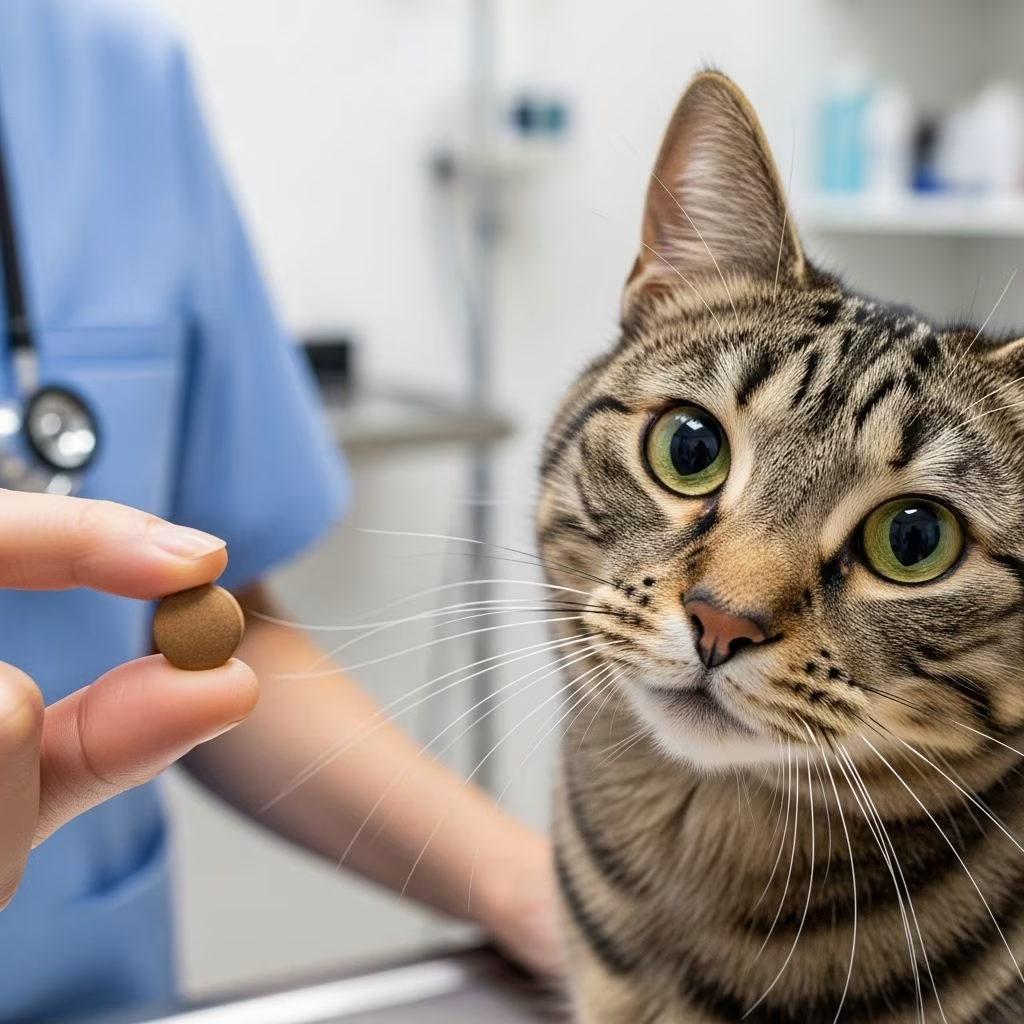
Metronidazole stands as a cornerstone medication in feline veterinary care, primarily targeting bacterial and protozoal infections while also aiding in managing chronic digestive disorders. This versatile drug addresses common issues like diarrhea and inflammation in cats’ intestines, offering relief when prescribed correctly by a veterinarian.
Understanding Metronidazole’s Core Functions in Feline Medicine
At its essence, metronidazole functions as both an antibiotic and antiprotozoal agent, disrupting the DNA of harmful bacteria and single-celled parasites. In cats, it excels at combating anaerobic bacteria—those thriving without oxygen—and protozoa such as Giardia, which cause persistent gastrointestinal upset. Beyond direct antimicrobial action, it exhibits immunomodulatory effects, making it valuable for inflammatory conditions like colitis or inflammatory bowel disease (IBD).
Veterinarians often turn to metronidazole for its dual benefits: killing pathogens and reducing gut inflammation. Studies show it’s frequently prescribed for acute diarrhea (47% of cases), chronic diarrhea (24%), and giardiasis (11%) in cats and dogs alike, with 42% of uses focusing on non-antibacterial therapy. This broad utility stems from its ability to generate free radicals that damage parasite and bacterial DNA, while also blocking inflammatory pathways in the digestive tract.
Primary Conditions Treated with Metronidazole in Cats
Cats face unique gastrointestinal challenges, and metronidazole targets several key ones:
- Giardia Infections: This protozoan parasite leads to foul-smelling diarrhea, weight loss, and dehydration. Metronidazole effectively eliminates Giardia duodenalis, often combined with dewormers for comprehensive treatment.
- Bacterial Diarrhea and Colitis: Anaerobic bacteria overgrowth causes loose stools and inflammation; metronidazole restores balance swiftly, sometimes within 24 hours.
- Inflammatory Bowel Disease (IBD): Chronic inflammation responds to its anti-inflammatory properties, frequently paired with corticosteroids for stomatitis or gum disease.
- Other Uses: Periodontal infections, Clostridium perfringens enterotoxemia, and complications from liver disease or pancreatic insufficiency.
Topical forms treat skin issues like feline chin acne, showcasing its versatility.
Standard Dosage Guidelines for Feline Patients
Dosing metronidazole requires precision, tailored to the cat’s weight, condition severity, and infection type. General protocols include:
| Condition | Typical Dosage (mg/kg) | Frequency | Duration |
|---|---|---|---|
| General Diarrhea | 7.5–10 | Twice daily | 5–7 days |
| Giardia | 10–25 | Twice daily | 5 days |
| IBD/Chronic Issues | 10–15 | Once or twice daily | Weeks, as directed |
Administer with food to enhance tolerance and mask its bitter taste. Compounded flavors from pharmacies improve compliance. Always complete the full course to prevent resistance, and never adjust doses without veterinary guidance. For hospitalized cats, injectable forms provide immediate action.
Safe Administration Techniques for Cat Owners
Giving metronidazole to cats can be tricky due to its taste, but these strategies help:
- With Meals: Mix into wet food or hide in treats like pill pockets or tuna-flavored gels.
- Compounded Options: Request vet for flavored liquids or transdermal gels applied to the ear.
- Syringe Feeding: Use a small amount of broth to flush the mouth post-dose.
- Timing: Consistent twice-daily scheduling maintains steady blood levels.
Owners report success after initial resistance, with diarrhea firming up in 1–3 days. Monitor for refusal; consult your vet if needed.
Recognizing and Managing Potential Side Effects
While cats generally tolerate metronidazole well—better than dogs—side effects warrant attention. Common ones include:
- Gastrointestinal: Vomiting, diarrhea, or appetite loss, often mild and transient.
- Neurological (Rare): Ataxia, tremors, or seizures from overdose or prolonged use, especially over months.
- Other: Salivation from bitterness or lethargy.
Overdose demands immediate veterinary intervention, potentially involving activated charcoal or supportive care for seizures. Long-term use risks toxicity; regular bloodwork monitors liver function.
Critical Contraindications and Precautions
Not all cats suit metronidazole:
- Avoid in those with known sensitivity to nitroimidazoles like ronidazole.
- Use extreme caution in pregnant, nursing, severely ill, or liver-compromised cats.
- Drug interactions: Discuss NSAIDs, phenobarbital, or cyclosporine with your vet.
Pregnancy category not established for felines; off-label use is common but requires weighing benefits against risks.
Metronidazole vs. Alternative Treatments
| Treatment | Best For | Pros | Cons |
|---|---|---|---|
| Metronidazole | Giardia, anaerobic bacteria, IBD | Fast-acting, dual anti-inflammatory | Bitter taste, neurotoxicity risk |
| Fenbendazole | Giardia, worms | Fewer side effects | Slower for bacteria |
| Pyrantel Pamoate | Initial deworming | Safe, easy | Not for protozoa like Giardia |
| Probiotics/Diet Change | Mild diarrhea | Non-drug, supportive | Insufficient for infections |
For stubborn cases, vets sequence dewormers before metronidazole.
Real-World Experiences from Cat Owners and Vets
Owners describe metronidazole as “potent but effective,” noting rapid diarrhea resolution despite pilling challenges. Veterinarian Ghanasyam Bey, DVM, highlights its role in IBD and bacterial diarrhea, praising quick onset. A 2024 study confirms vets rely on education and consultations for prescribing.
Frequently Asked Questions (FAQs)
Can kittens take metronidazole?
Yes, but at adjusted lower doses under vet supervision; avoid in very young unless critical.
How long until metronidazole works for cat diarrhea?
Often 24–48 hours for improvement, full recovery in 5–7 days.
Is metronidazole safe long-term for cats?
Not ideal; monitor for toxicity. Alternatives preferred for chronic IBD.
What if my cat vomits after metronidazole?
Give with more food or switch to compounded form; contact vet if persistent.
Does metronidazole treat worms in cats?
No, primarily protozoa and bacteria; pair with dewormers for parasites.
Supporting Your Cat’s Recovery Beyond Medication
Enhance metronidazole’s efficacy with:
- Bland diets: Boiled chicken and rice for fiber balance.
- Hydration: Encourage water intake or use electrolytes.
- Probiotics: Restore gut flora post-treatment.
- Follow-ups: Retest stools for Giardia clearance.
Prevent recurrence via hygiene, avoiding contaminated water, and routine deworming.
When to Seek Immediate Veterinary Help
Rush to the vet if your cat shows bloody stools, severe lethargy, seizures, or no improvement after 48 hours. Early intervention prevents dehydration and complications.
References
- Metronidazole for Veterinary Use — Wedgewood Pharmacy. Accessed 2026. https://www.wedgewood.com/professional-monographs/metronidazole-for-veterinary-use/
- Understanding the rationale for metronidazole use in dogs and cats — PubMed/JSAP. 2024-10-11. https://pubmed.ncbi.nlm.nih.gov/40588816/
- Metronidazole for Dogs and Cats — PetMD. 2023. https://www.petmd.com/pet-medication/metronidazole-for-dogs-cats
- What Is It Like to Give Your Cat the Antibiotic Metronidazole? — GoodRx. 2024. https://www.goodrx.com/pet-health/cat/administering-metronidazole-for-cats
- Metronidazole for Cats: Uses, Dosage, Side Effects — GoodRx. 2024. https://www.goodrx.com/pet-health/cat/metronidazole-for-cats



