

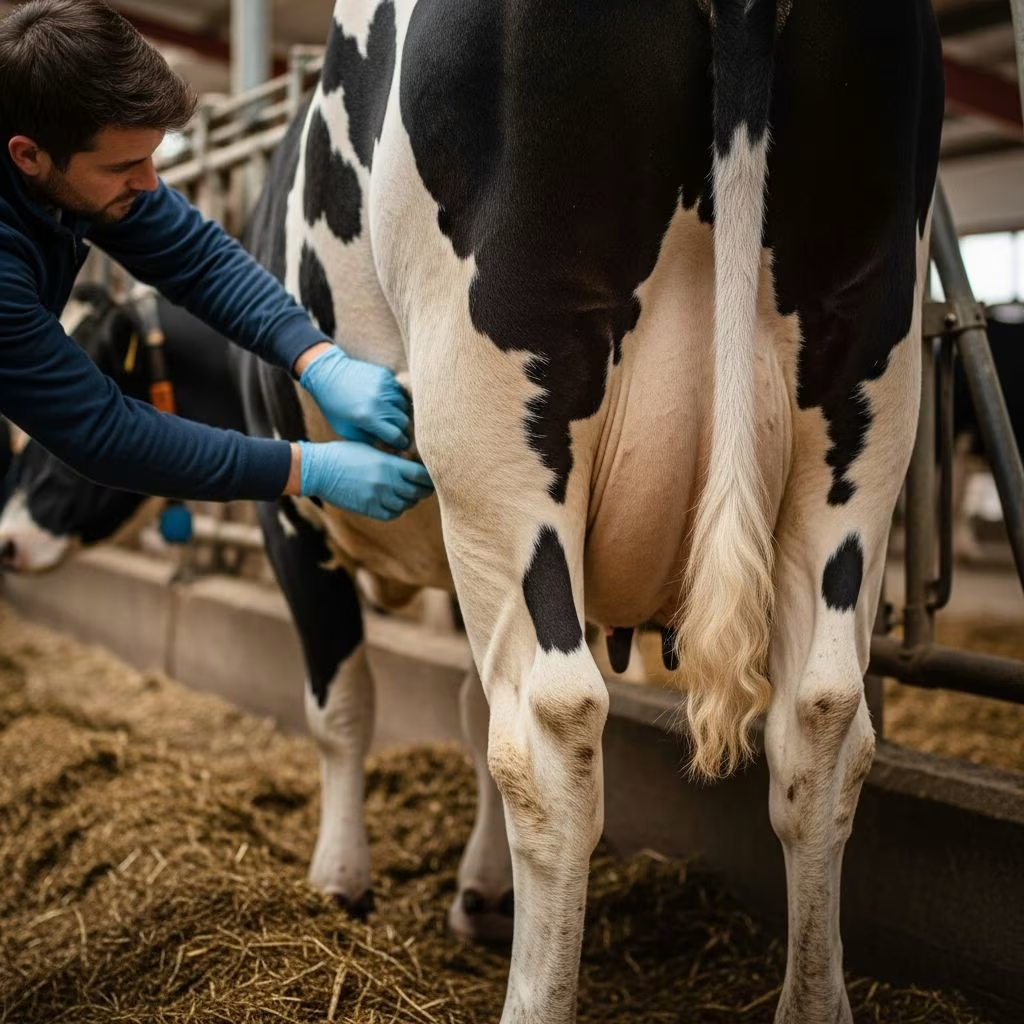
Metritis represents a significant bacterial infection of the uterus that commonly affects livestock shortly after giving birth, particularly in dairy and beef cattle. This condition arises from bacterial invasion during or post-parturition, leading to inflammation and potential systemic illness that compromises animal welfare and farm economics.
Defining Metritis and Its Scope in Herds
Metritis specifically targets the uterus lining and wall, often manifesting within the first 10-14 days postpartum. Unlike milder uterine issues, it involves acute inflammation with possible spread to the entire organ. Prevalence varies, striking 10-40% of fresh cows, with higher rates in those facing calving complications. In dairy operations, this infection disrupts the transition from dry-off to lactation, where cows are vulnerable due to immune suppression and tissue trauma.
The condition stems from environmental bacteria entering the uterus during birth. All postpartum cows encounter some contamination, but metritis develops when the immune system fails to clear it promptly. Factors like bacterial load, cow immunity, and housing play key roles in progression.
Risk Elements Fueling Metritis Outbreaks
Several factors elevate metritis susceptibility. Dystocia, or difficult births, twins, and retained placentas top the list, as they cause trauma and delay uterine involution. Subclinical hypocalcemia, or low blood calcium, impairs muscle tone and defense mechanisms, increasing odds.
- Nutritional shortfalls: Reduced dry matter intake pre-calving correlates with higher incidence, as poor energy balance weakens immunity.
- Housing issues: Inadequate bunk space (less than 36 inches per cow) or overcrowding beyond 80% capacity hampers feeding and rest, exacerbating risks.
- Environmental stress: Heat without abatement strategies slows recovery.
- Previous health events: Stillbirths or assisted deliveries heighten vulnerability.
Addressing these through targeted management can substantially lower occurrence rates.
Spotting Symptoms: From Subtle to Severe
Early detection hinges on observing key indicators. Primary signs include watery, purulent, reddish-brown, or fetid vaginal discharge from the vulva, often starting days after calving. Systemic effects like fever above 103°F affect 10-45% of cases, alongside dullness, reduced appetite, and lethargy.
In severe puerperal metritis, cows appear critically ill with high then sub-normal temperatures, fetid discharge, and sharp milk yield drops. Uterine enlargement and flaccid tone confirm via rectal exam. Milk production falls notably in mature cows, by about 600 lbs per lactation. Heifers may show less impact on yield but still face delays.
| Symptom | Mild Metritis | Severe Metritis |
|---|---|---|
| Discharge | Fetid, reddish-brown | Watery, purulent, heavy |
| Fever | Possible (<45%) | Common, >103°F |
| Behavior | Off-feed | Lethargy, depression |
| Milk Yield | Moderate drop | Significant decline |
This table summarizes distinctions for quick field assessment.
Economic Toll on Production Systems
Metritis inflicts heavy financial strain through lost milk, delayed breeding, and culling risks. Affected mature cows yield 600 lbs less milk per lactation, with severe cases showing lower first-service pregnancy rates and extended days open up to 120 days in milk. Though long-term fertility may normalize, early disruptions delay herd turnover.
Prevalence of 25-40% in early postpartum means up to 20% progress to chronic endometritis, compounding costs. Treatment expenses, labor, and discarded milk add up, emphasizing prevention’s value.
Diagnostic Approaches for Accurate Intervention
Diagnosis combines visual checks, rectal palpation, and tools like the Metricheck device to score discharge. Ultrasound detects uterine fluid or wall thickening. Vaginoscopy reveals inflammation extent. Blood tests for white cell counts or acute-phase proteins aid confirmation, especially subclinical cases.
Target high-risk cows—those with dystocia history, twins, or retained membranes—for exams around 6-8 weeks postpartum. Early, precise diagnosis prevents escalation.
Treatment Protocols: Antibiotics and Support
Standard care for confirmed metritis with systemic signs (fever, fetid discharge, illness) involves systemic antibiotics like ceftiofur (2.2 mg/kg IM daily for 5 days), achieving 67-77% fever resolution in 5-10 days. Cure rates hover at 67-75%, with untreated cases at 55-62%.
Supportive therapies include anti-inflammatories, fluids, and prostaglandins to aid uterine clearance. Consult veterinarians for herd-specific plans. Early intervention in retained membrane cases curbs progression. Antibiotic resistance and biofilms challenge efficacy, spurring research.
- Label-directed antibiotics: For fever >103°F or toxemia.
- Monitor response: Reassess 7-12 days post-treatment.
- Avoid blanket use: Target symptomatic animals.
Prevention Tactics for Resilient Herds
Proactive strategies focus on transition cow health. Optimize pre-calving nutrition for intake, provide 36+ inches bunk space, cap stocking at 80%, and implement heat abatement. Calcium supplements combat hypocalcemia.
Vaccines show promise; Cornell’s metritis vaccine protects against common pathogens. Monitor fresh cows daily for udder fill and yield drops. Clean calving areas reduce bacterial exposure.
Long-Term Reproductive Recovery
Post-metritis, check for endometritis 2 weeks before breeding eligibility. Metricheck or ultrasound identifies persistent issues. While pregnancy rates lag initially, most recover by 300 days in milk. Consistent management restores fertility timelines.
FAQs on Metritis Management
What triggers metritis most often?
Difficult calving, twins, retained placenta, and poor pre-calving intake.
How soon after calving does it appear?
Typically 10-14 days, but severe cases within days.
Is antibiotic treatment always needed?
Only for systemic signs; many resolve naturally.
Does metritis affect all cows equally?
Mature cows lose more milk; heifers less so.
Can vaccines prevent it?
Emerging options like Cornell’s show protection.
Future Directions in Metritis Control
Ongoing studies refine diagnostics, combat resistance, and enhance vaccines. Integrating molecular tools for bacterial profiling promises tailored therapies. Farms adopting data-driven monitoring will lead in minimizing losses.
References
- Understanding Metritis in Dairy Cows — University of Kentucky Animal & Food Sciences. 2023. https://afs.mgcafe.uky.edu/content/understanding-metritis-dairy-cows
- Metritis in Cattle — Norbrook Laboratories. 2024. https://www.norbrook.com/us/metritis-in-cattle/
- From Infection to Infertility: Diagnostic, Therapeutic, and Molecular Approaches — PMC (Peer-reviewed). 2024-10-15. https://pmc.ncbi.nlm.nih.gov/articles/PMC12523507/
- Part 7 – Uterine Infection — NADIS. 2023. https://www.nadis.org.uk/disease-a-z/cattle/fertility-in-dairy-herds/part-7-uterine-infection/
- Metritis — Zoetis. 2024. https://www2.zoetis.co.il/products-and-solutions/dairy/metritis
- Simple Steps To Identify And Treat Metritis — Zoetis US. 2023. https://www.zoetisus.com/news-and-media/simple-steps-to-identify-and-treat-metritis/
- First metritis vaccine protects dairy cows — Cornell Chronicle. 2014-04-01. https://news.cornell.edu/stories/2014/04/first-metritis-vaccine-protects-dairy-cows



