

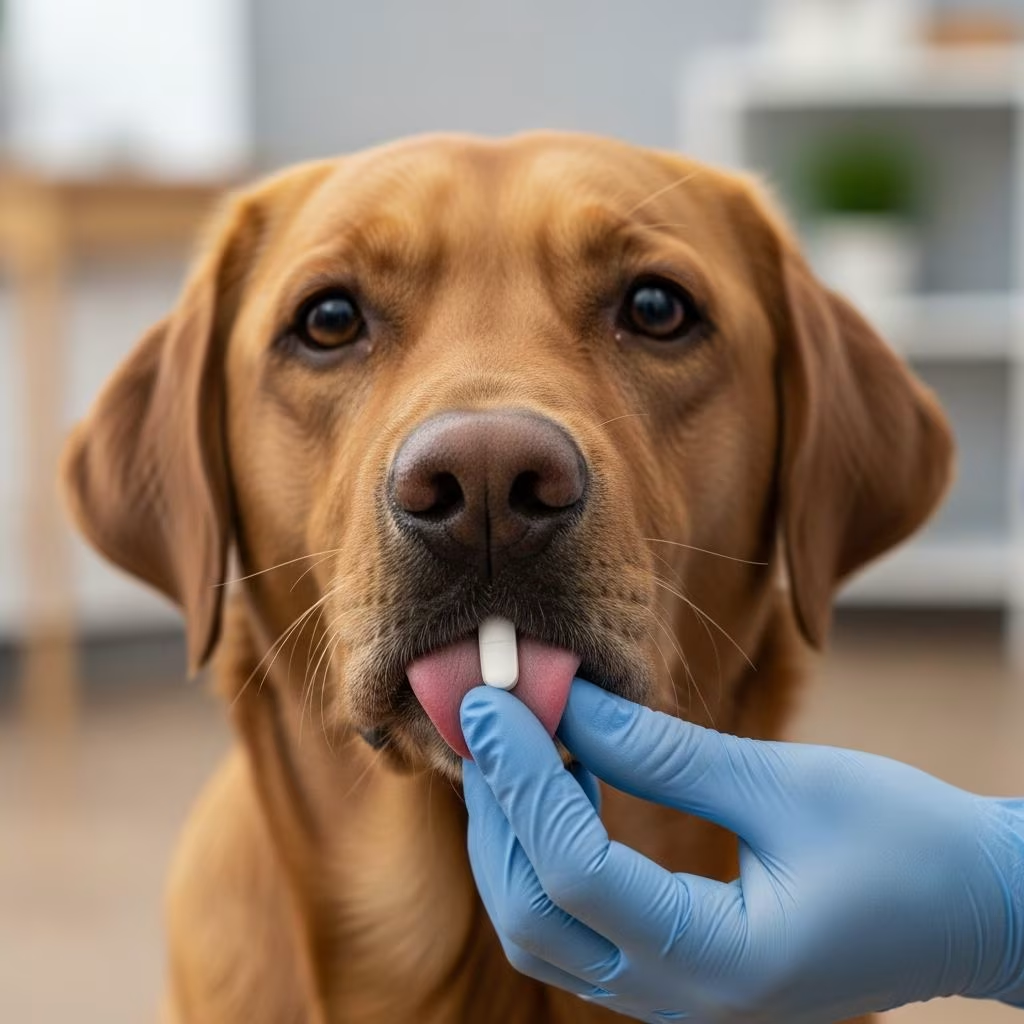
Understanding This Important Digestive Medication
When your dog suffers from persistent vomiting, nausea, or digestive sluggishness, your veterinarian may recommend metoclopramide, commonly known by the brand name Reglan®. This prescription medication plays a crucial role in managing various gastrointestinal disorders that can significantly impact your dog’s quality of life. Metoclopramide functions as both a digestive stimulant and anti-nausea agent, making it a versatile tool in veterinary medicine for restoring normal digestive function.
Unlike medications that simply mask symptoms, metoclopramide addresses the underlying mechanical problems preventing food from moving efficiently through your dog’s digestive tract. Understanding how this medication works, when it’s appropriate, and what to expect during treatment empowers pet owners to make informed decisions about their dog’s health care.
How Metoclopramide Works in Your Dog’s Body
Metoclopramide operates through a dual-action mechanism that targets both the nervous system and the digestive tract directly. This two-pronged approach explains why veterinarians find it so effective for numerous gastrointestinal conditions.
The Brain and Nausea Control
In the brain, metoclopramide blocks dopamine receptors located in the chemoreceptor trigger zone, the area responsible for detecting nauseating substances and sending vomiting signals throughout the body. By interrupting this chemical communication, the medication reduces your dog’s sensation of nausea and prevents the vomiting reflex from being activated. This central action is particularly valuable because it addresses the emotional and physical discomfort of nausea itself, not just the act of vomiting.
Digestive Tract Enhancement
Locally within the gastrointestinal system, metoclopramide stimulates stronger and more coordinated muscle contractions in the stomach and upper small intestine. These enhanced contractions, known as peristalsis, propel food more efficiently through the digestive tract. Additionally, the medication relaxes the pyloric sphincter—the muscular ring separating the stomach from the small intestine—allowing food to move forward more smoothly without backup or delay.
Another significant benefit occurs at the lower esophageal sphincter, where metoclopramide increases pressure and tone. This tightening action prevents stomach acid from refluxing backward into the esophagus, protecting delicate esophageal tissues from acid damage and reducing associated discomfort.
Primary Medical Applications for Dogs
Veterinarians prescribe metoclopramide for several distinct gastrointestinal and systemic conditions where digestive dysfunction or nausea are primary concerns.
Vomiting and Nausea Management
The most common reason for prescribing metoclopramide is to control vomiting and associated nausea in dogs. Whether caused by dietary indiscretion, gastroenteritis, or metabolic disease, vomiting disrupts nutrient absorption and fluid balance. Metoclopramide helps restore stability by simultaneously reducing the urge to vomit and improving stomach emptying.
Reflux and Esophageal Protection
Gastroesophageal reflux disease (GERD) occurs when stomach acid repeatedly backs up into the esophagus, causing inflammation and pain. Dogs with chronic reflux benefit from metoclopramide’s ability to strengthen the lower esophageal sphincter and promote more efficient stomach emptying, reducing the likelihood of reflux episodes.
Motility Disorders and Delayed Digestion
Conditions like gastric stasis (when the stomach fails to contract properly) and ileus (paralysis of intestinal movement) leave food sitting in the digestive tract too long. Metoclopramide’s prokinetic effects help restore normal muscle function, allowing food to progress through the system as it should.
Chemotherapy-Related Nausea
Dogs undergoing cancer treatment frequently experience severe nausea and vomiting from chemotherapy drugs. Metoclopramide provides relief during this difficult period, helping maintain adequate nutrition and hydration while the dog receives critical cancer treatment.
Post-Surgical Recovery Support
After abdominal surgery, dogs often experience temporary digestive dysfunction. Metoclopramide accelerates recovery by restoring normal gastric motility and preventing post-surgical vomiting that could compromise surgical sites.
Supporting Lactation in Nursing Dogs
Metoclopramide has a unique application in reproductive medicine for female dogs, where lower doses stimulate milk let-down and enhance milk production during nursing. This application is less common but valuable for bitches struggling with inadequate lactation.
Available Formulations and Administration Methods
Metoclopramide comes in several convenient forms, allowing your veterinarian to choose the most appropriate option for your dog’s specific situation.
Medication Forms
- Oral tablets: Available in 5 mg and 10 mg strengths, suitable for dogs that readily take medication by mouth
- Liquid suspension: 1 mg/ml concentration, easier to administer to smaller dogs or those resistant to pills
- Injectable solution: 5 mg/ml formulation for subcutaneous or intravenous administration when oral administration is impractical
Routes of Administration
Your veterinarian will select the most appropriate administration method based on your dog’s condition, ability to take oral medications, and the urgency of treatment.
- Oral (by mouth): The most convenient option for home treatment, typically given 30 minutes before meals to maximize effectiveness
- Subcutaneous (under the skin): Useful when oral medication isn’t possible or for hospitalized dogs needing precise dosing
- Intravenous (IV): Reserved for hospitalized dogs requiring rapid action; often added to IV fluid bags for continuous delivery
Dosing Guidelines for Canine Patients
Proper dosing is essential for metoclopramide’s effectiveness while minimizing side effect risk. Dosing is calculated based on your individual dog’s weight and the specific condition being treated.
Standard Dosing Schedule
For most gastrointestinal conditions, metoclopramide is dosed at 0.1 to 0.2 mg per pound of body weight every six to eight hours. This means a 50-pound dog would typically receive 5-10 mg every six to eight hours. Administering the medication approximately 30 minutes before meals enhances its effectiveness by ensuring the drug reaches peak concentration when your dog eats.
Special Dosing for Lactation Support
When used to promote milk production in nursing dogs, the dosage is considerably lower—between 0.05 and 0.1 mg per pound, given subcutaneously every 12 hours approximately 30 minutes before nursing sessions.
Treatment Duration
The length of treatment depends on your dog’s underlying condition, how well they respond to therapy, and whether side effects develop. Some dogs require only short-term treatment during acute illness, while others benefit from longer-term use for chronic conditions. Always follow your veterinarian’s specific instructions and complete the full prescribed course unless directed otherwise, as premature discontinuation may result in symptom recurrence.
Potential Side Effects and Safety Considerations
While metoclopramide is generally safe when prescribed appropriately, certain dogs may experience adverse reactions that warrant veterinary attention.
Common Side Effects
- Lethargy or sedation: Some dogs become drowsy or less active during treatment
- Behavioral changes: Occasionally, dogs may exhibit nervousness or restlessness
- Extrapyramidal signs: In some cases, dogs may show involuntary muscle movements or tremors
When to Avoid Metoclopramide
Metoclopramide is contraindicated in certain situations and should not be used in dogs with:
- Known allergies or sensitivities to metoclopramide or any ingredients in the formulation
- Active gastrointestinal bleeding, where enhanced motility could worsen hemorrhaging
- Complete intestinal obstruction, as pushing against a blockage could cause perforation
- Seizure disorders, as metoclopramide may lower seizure threshold in susceptible dogs
- Severe kidney disease, which impairs drug metabolism and elimination
Important Monitoring During Treatment
Dogs receiving long-term metoclopramide should be monitored under close veterinary supervision. Regular check-ins help your veterinarian assess whether the medication continues to provide benefit and whether any contraindications have developed. Blood work may be recommended, particularly for dogs with existing kidney disease, to ensure the medication isn’t accumulating to dangerous levels.
Frequently Asked Questions About Metoclopramide for Dogs
Is metoclopramide FDA-approved for veterinary use?
Metoclopramide is FDA-approved for human use under various brand names including Reglan®, Maxolon®, and Octamide®. Veterinarians prescribe it for dogs under the extra-label use provision, which allows approved human medications to be used in animals when medically appropriate and in the veterinarian’s professional judgment. No veterinary-specific formulations currently exist on the market.
Can metoclopramide be used long-term in dogs?
Yes, metoclopramide can be safely used long-term in dogs provided the dog doesn’t develop contraindications such as seizures or kidney disease. However, it should only be used as needed and under close veterinary supervision, with regular monitoring to assess continued effectiveness and safety.
How quickly does metoclopramide work?
Metoclopramide typically begins working within 30 minutes to an hour after administration. Peak effectiveness occurs approximately 30-60 minutes after oral administration, which is why administering it 30 minutes before meals is recommended.
Can metoclopramide be combined with other medications?
Metoclopramide can generally be safely combined with other medications, but always inform your veterinarian about any other drugs, supplements, or treatments your dog is receiving. Your veterinarian will identify potential drug interactions and adjust treatment plans accordingly.
What should I do if I miss a dose?
If you miss a dose, administer it as soon as you remember unless it’s nearly time for the next scheduled dose. Never double-dose to make up for a missed dose. Resume the regular schedule with the next dose.
Special Populations and Considerations
Brachycephalic Breeds
Dogs with shortened muzzles, such as French Bulldogs, are predisposed to delayed gastric emptying due to their anatomy. Metoclopramide is particularly helpful for these breeds in managing digestive sluggishness and associated nausea.
Senior Dogs
Older dogs with declining kidney function require careful dosing and monitoring. Your veterinarian may recommend lower doses or less frequent administration to accommodate age-related changes in drug metabolism and elimination.
Dogs with Hepatic Disease
Dogs with liver disease may metabolize metoclopramide differently, requiring dose adjustments. Veterinary supervision is especially important for this population.
Complementary Care Strategies
While metoclopramide addresses digestive dysfunction medically, several complementary approaches enhance treatment effectiveness. Feeding smaller, more frequent meals reduces the volume your dog’s stomach must process at once. Elevated feeding bowls can assist dogs with reflux by using gravity to prevent stomach contents from backing up. Keeping your dog calm and minimizing stress supports normal digestive function. Always consult your veterinarian before introducing dietary changes or supplements alongside metoclopramide therapy.
When to Contact Your Veterinarian
Seek immediate veterinary attention if your dog experiences severe vomiting despite medication, signs of pain, inability to keep food or water down, lethargy lasting more than a day, or any unusual behavioral changes. These symptoms may indicate that metoclopramide isn’t effectively managing the underlying condition or that a different diagnosis requires attention.
Conclusion: Supporting Your Dog’s Digestive Health
Metoclopramide represents an important therapeutic option for dogs struggling with digestive dysfunction and associated nausea. By understanding how this medication works, recognizing when it’s appropriate, and maintaining close communication with your veterinarian throughout treatment, you can help restore your dog’s comfort and normal digestive function. Every dog responds to medication differently, so patience during the adjustment period and honest communication with your veterinary team ensures your dog receives optimal care tailored to their specific needs.
References
- Metoclopramide HCl (Reglan®) for Dogs and Cats — PetPlace. Accessed February 2026. https://www.petplace.com/article/drug-library/drug-library/library/metoclopramide-hcl-reglan-for-dogs-and-cats
- Exploring The Uses Of Metoclopramide For Dogs — Kingsdale Animal Hospital. Accessed February 2026. https://www.kingsdale.com/exploring-the-uses-of-metoclopramide-for-dogs
- Metoclopramide for Dogs, Cats, and Horses — Wedgewood Pharmacy. Last reviewed July 13, 2022. https://www.wedgewood.com/medications/metoclopramide/
- Metoclopramide Digestive Healer Tablets for Pets — PetCareRx. Accessed February 2026. https://www.petcarerx.com/metoclopramide/10550
- Metoclopramide — JAMDVM. Accessed February 2026. https://www.jamdvm.com/metoclopramide
- Metoclopramide — BrilliantVets. March 10, 2025. https://brilliantvets.com/wp-content/uploads/2025/03/Handout_2025-03-10_11-57-39.pdf
- Metoclopramide — Mar Vista Animal Medical Center. Accessed February 2026. https://www.marvistavet.com/metoclopramide.pml



