

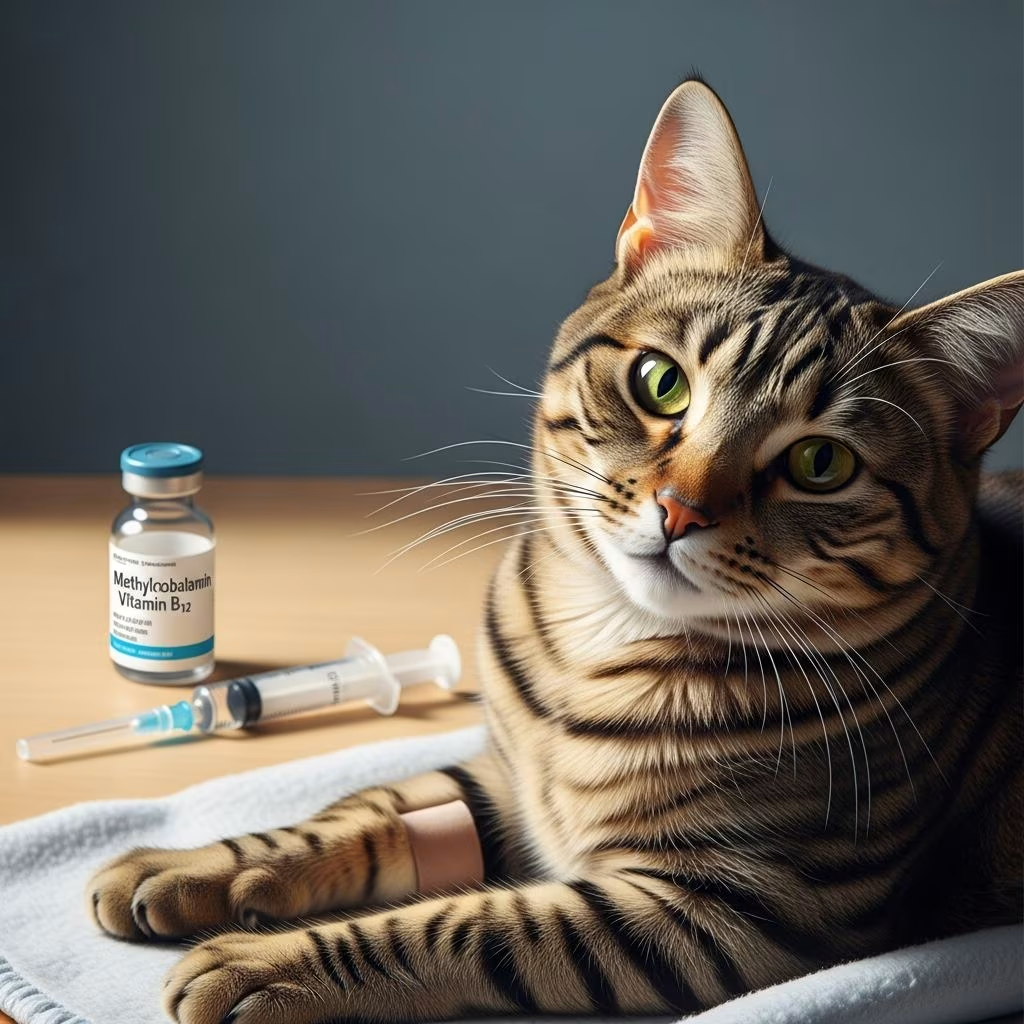
Diabetic neuropathy affects approximately 10% of cats with diabetes mellitus, leading to hindlimb weakness and a distinctive plantigrade posture where cats walk on their hocks rather than toes. Methylcobalamin, an active form of vitamin B12, shows promise in supporting nerve regeneration and alleviating these symptoms by addressing metabolic disruptions caused by chronic hyperglycemia.
Understanding Diabetic Neuropathy in Cats
Diabetes mellitus in cats disrupts glucose regulation, resulting in persistently high blood sugar levels that damage nerves over time. This condition, known as diabetic neuropathy, primarily impacts the peripheral nerves, especially in the hind limbs, causing progressive muscle weakness and impaired mobility. Unlike humans who may experience varied neuropathic symptoms, cats typically exhibit symmetric hindlimb involvement, making early detection crucial for intervention.
The pathophysiology involves multiple pathways. Excess glucose in insulin-independent tissues like nerves shifts metabolism toward the polyol pathway, accumulating sorbitol and fructose, which depletes myo-inositol and impairs nerve conduction. Additionally, advanced glycosylation end-products form, leading to myelin sheath breakdown by Schwann cells and vascular constriction that reduces nerve blood flow. These changes manifest within months of poor glycemic control, even in mature cats with chronic diabetes.
Recognizing the Signs Early
Owners often notice the first clue as a shift in gait: cats adopt a plantigrade stance, dropping their hocks to the ground due to tarsal joint and nerve damage. This progresses to generalized hindlimb weakness, muscle wasting, reluctance to jump, and in severe cases, front limb involvement or inability to stand.
- Hindlimb weakness: Difficulty rising or walking, with dragging or limping.
- Plantigrade posture: Walking flat on hocks, resembling a human stance.
- Muscle atrophy: Visible wasting in hind legs over weeks to months.
- Reduced activity: Lethargy, avoidance of play, or falling due to balance loss.
These signs correlate with the degree of hyperglycemia; about 10% of diabetic cats develop clinically evident neuropathy, though milder cases may go unnoticed since cats mask discomfort. Prompt veterinary evaluation, including neurological exams and blood glucose tests, confirms the diagnosis alongside concurrent diabetes.
The Science Behind Nerve Damage
Studies on spontaneously diabetic cats reveal a sensorimotor neuropathy with conduction delays in pelvic and thoracic limbs, evidenced by prolonged F-wave latencies and minimal electromyographic changes in early stages. Nerve biopsies show Schwann cell injury, myelin splitting, ballooning, and demyelination, with axonal degeneration in advanced cases. Elevated nerve fructose indicates polyol pathway activation without significant sorbitol buildup, unique to feline physiology.
High glucose triggers NADH accumulation, altering lipid metabolism, increasing free radicals, and promoting nitric oxide production, which further hampers sodium-potassium ATPase activity and nerve signaling. Vasoconstriction exacerbates hypoxia, while protein glycosylation affects myelin integrity and tubulin structure, culminating in functional deficits. This large-animal model offers insights into human diabetic neuropathy treatment.
Why Methylcobalamin Stands Out
Methylcobalamin, the bioactive coenzyme form of vitamin B12, directly supports myelin synthesis and nerve regeneration, countering diabetic neuropathy’s degenerative effects. Unlike cyanocobalamin, it bypasses conversion steps, achieving higher neuronal uptake and promoting axonal transport and Schwann cell repair. In feline cases, supplementation addresses B12 deficiencies common in chronic diabetes due to impaired absorption and utilization.
Clinical observations suggest methylcobalamin accelerates recovery when combined with glycemic control. Cats receiving injections or high-dose oral forms show improved gait within weeks, with plantigrade stance resolving in 6-12 months alongside diabetes management. Its antioxidant properties mitigate oxidative stress from hyperglycemia, enhancing overall nerve health.
Implementing an Effective Treatment Plan
Managing feline diabetic neuropathy requires dual focus: tight glycemic control via insulin therapy, diet, and monitoring, plus targeted neuropathy support with methylcobalamin. Start with veterinary-prescribed insulin to normalize blood glucose, as this halts progression and allows nerve repair.
| Aspect | Strategy | Expected Outcome |
|---|---|---|
| Glycemic Control | Insulin injections 1-2x daily, low-carb diet | Reduced hyperglycemia, halted nerve damage |
| Methylcobalamin | 500-1000 mcg injections weekly, then oral | Nerve regeneration, improved mobility |
| Supportive Care | Physical therapy, weight management | Strengthened muscles, better balance |
Dosage typically begins with intramuscular injections (e.g., 1 mg weekly for 4-6 weeks), transitioning to oral maintenance. Monitor progress via gait assessment and serial glucose curves. About 80% of cats improve with this approach, though severe cases may persist.
Supportive Therapies and Lifestyle Adjustments
Beyond methylcobalamin, incorporate ramp access to high spots, orthopedic bedding, and gentle exercises like laser therapy or controlled walking to rebuild strength. Nutritional support with omega-3 fatty acids reduces inflammation, while alpha-lipoic acid offers adjunct antioxidant benefits, though evidence in cats is emerging. Avoid overexertion to prevent injury from weakened limbs.
Regular vet check-ups track neuropathy resolution, often visible as restored toe-walking within months. Success hinges on owner compliance with twice-daily feedings and insulin.
Prognosis and Long-Term Outlook
With aggressive diabetes management and methylcobalamin, most cats regain near-normal function within 6-12 months, even after prolonged symptoms. Poor control risks permanent damage or complications like nephropathy, though the latter is rarer. Early intervention yields the best results, emphasizing vigilant monitoring of diabetic cats.
Frequently Asked Questions
Can diabetic neuropathy in cats be reversed?
Yes, up to 80% of cases improve or resolve with glycemic control and supportive therapies like methylcobalamin, typically within 6-12 months.
What dosage of methylcobalamin is safe for cats?
Veterinarians often recommend 500-1000 mcg weekly via injection initially, followed by oral doses; always consult a professional for tailored dosing.
How do I know if my cat has diabetic neuropathy?
Look for plantigrade stance, hindlimb weakness, and muscle loss in diabetic cats. A vet exam confirms via neurology and glucose tests.
Is methylcobalamin better than other B12 forms for cats?
Yes, its active form enables direct nerve uptake, making it superior for neuropathy repair compared to synthetic cyanocobalamin.
Can diet alone fix feline diabetic neuropathy?
No, diet supports glycemic control but must pair with insulin and neuropathy-specific treatments like methylcobalamin for full recovery.
References
- Neurological complications associated with spontaneously occurring feline diabetes mellitus — Kleman KM et al. Journal of Neuropathology & Experimental Neurology. 2002-10-01. https://pubmed.ncbi.nlm.nih.gov/12387453/
- Diagnosis: Diabetic Neuropathy — Catwatch Newsletter. Accessed 2026. https://www.catwatchnewsletter.com/health/disease/diagnosis-diabetic-neuropathy/
- Diabetes: neuropathy in Cats (Felis) — Vetlexicon. Accessed 2026. https://www.vetlexicon.com/felis/internal-medicine/articles/diabetes-neuropathy/
- Managing complications in diabetic cats — dvm360. Accessed 2026. https://www.dvm360.com/view/managing-complications-diabetic-cats
- Cat Owners: 9 Signs of Diabetes in Cats — South Central Veterinary Services. Accessed 2026. https://southcentralvet.com/blog/9-signs-of-diabetes-in-cats/



