

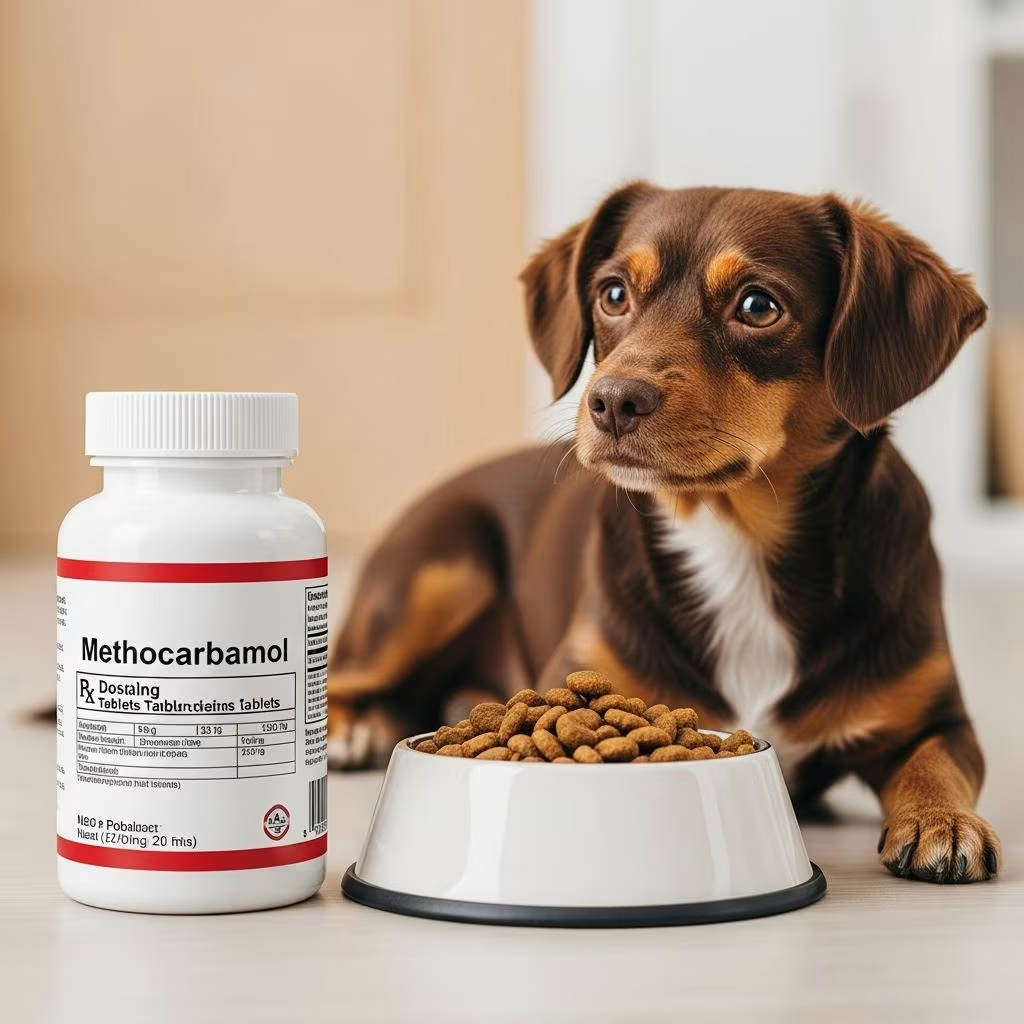
Methocarbamol for Dogs: Uses, Dosage & Safety
Methocarbamol is a widely prescribed muscle relaxant used in veterinary medicine to help dogs manage muscle pain, spasms, and stiffness resulting from various conditions. Known by its brand name Robaxin-V when prescribed for animals, this medication works by affecting the central nervous system to reduce muscle tension and provide relief. Understanding how methocarbamol works, its proper dosage, administration methods, and potential side effects is essential for any pet owner whose dog has been prescribed this medication.
What Is Methocarbamol?
Methocarbamol is a skeletal muscle relaxant that veterinarians prescribe to treat muscle-related conditions in dogs and other animals. The medication works by depressing the central nervous system, which helps reduce muscle tension and alleviate discomfort associated with muscle spasms and stiffness. It is commonly used to address acute muscle pain following trauma, inflammation, or underlying spinal problems. Additionally, methocarbamol serves as an important treatment option for dogs experiencing poisoning from specific toxins.
Common Uses of Methocarbamol in Dogs
Methocarbamol is prescribed for various conditions affecting dogs’ muscular and neurological systems. The primary uses include:
Muscle Spasms and Pain
Dogs experiencing muscle spasms due to trauma or injury benefit significantly from methocarbamol therapy. This medication helps relax tense muscles and provides pain relief during the recovery period.
Intervertebral Disc Disease (IVDD)
Dogs suffering from IVDD often experience muscle stiffness and related discomfort. Methocarbamol helps manage these symptoms by reducing muscle tension associated with spinal problems.
Toxin Exposure
In cases of poisoning from strychnine, tetanus, metaldehyde (snail bait), or tremorgenic fungal toxins, methocarbamol serves as a critical treatment component. These cases often require intravenous administration and higher doses to manage severe muscle tremors and rigidity.
Post-Surgical Recovery
Following orthopedic or other surgical procedures, dogs may experience muscle soreness and stiffness. Methocarbamol aids in recovery by reducing muscle tension during the healing process.
Methocarbamol Dosage for Dogs
Dosage varies significantly depending on the route of administration, the condition being treated, and the severity of symptoms. Veterinarians carefully determine the appropriate dose based on each dog’s individual needs.
Oral Dosage
For oral administration, the standard dosage range is 66–132 mg/kg per day, divided into two or three doses. This translates to approximately 30–60 mg per pound of body weight. The typical dosing schedule involves administering the medication every 8 to 12 hours, depending on the veterinarian’s recommendations.
Initial Load Dose: The first day typically requires a higher initial dose of approximately 60 mg per pound of body weight, divided into two or three equal portions.
Maintenance Dose: Following the initial day, the maintenance dose is reduced to 30–60 mg per pound of body weight, administered in divided doses throughout the day.
Intravenous (IV) Dosage
For intravenous administration, which is typically reserved for emergency situations or severe conditions, the standard dose is 44 mg/kg, with a maximum daily dose of 330 mg/kg for conditions such as tetanus or strychnine poisoning.
Condition-Specific Dosing
Different conditions require adjusted dosing protocols:
Moderate Muscle Conditions
For general muscle spasms and pain: 132 mg/kg taken orally each day, divided into doses given every 8 or 12 hours, or 44 mg/kg administered intravenously.
Intervertebral Disc Disease
For IVDD-related muscle stiffness: 15–20 mg/kg taken orally three times daily.
Severe Toxin Poisoning
For strychnine, tetanus, guarana, or tremorgenic fungal toxin poisoning: 55–220 mg/kg initial intravenous dose, with follow-up doses as necessary.
Metaldehyde Poisoning
For snail bait poisoning: 50 mg/kg initial intravenous dose, with follow-up doses administered as needed.
Methocarbamol Dosage Chart for Dogs
The following chart provides quick reference dosing information based on your dog’s weight:
| Dog Weight (lbs) | Load Dose (Day 1) | Maintenance Dose (Days 2+) | Typical Breeds |
|---|---|---|---|
| 1–5 | 60–300 mg | 30–300 mg | Chihuahua, Pomeranian |
| 5–10 | 300–600 mg | 150–600 mg | Boston Terrier, Pekingese |
| 10–20 | 600–1,200 mg | 300–1,200 mg | West Highland Terrier, Pembroke Corgi |
| 20–30 | 1,200–1,800 mg | 600–1,800 mg | Beagle, Cardigan Corgi |
| 30–40 | 1,800–2,400 mg | 900–2,400 mg | Vizsla, Samoyed |
| 40–50 | 2,400–3,000 mg | 1,200–3,000 mg | Irish Setter, Airedale Terrier |
| 50–60 | 3,000–3,600 mg | 1,500–3,600 mg | Labrador, Golden Retriever, Staffordshire Terrier |
| 60–70 | 3,600–4,200 mg | 1,800–4,200 mg | Chow Chow, American Staffordshire Terrier, Dalmatian |
| 70–80 | 4,200–4,800 mg | 2,100–4,800 mg | Cane Corso, Rottweiler, Akita |
| 80–90 | 4,800–5,400 mg | 2,400–5,400 mg | Chinook, Bloodhound, German Shepherd |
| 90–100 | 5,400–6,000 mg | 2,700–6,000 mg | Great Dane, Saint Bernard, Bullmastiff |
Note: Always consult with your veterinarian for the exact dosage appropriate for your dog’s specific condition and weight.
How to Administer Methocarbamol
Proper administration is crucial for ensuring the medication’s effectiveness and your dog’s safety.
Oral Administration
When giving methocarbamol tablets or liquid orally, divide the daily dose into two or three equal portions. For example, if your veterinarian prescribes 1,800 mg daily, you might give 900 mg twice daily (every 12 hours) or 600 mg three times daily (every 8 hours). Breaking the dose into smaller amounts helps optimize absorption and therapeutic effect.
Methocarbamol tablets can typically be given with or without food, though some dogs may tolerate the medication better when administered with a small meal. Always follow your veterinarian’s specific instructions.
Intravenous Administration
Intravenous administration is performed by veterinary professionals in clinical settings and is typically reserved for emergency situations, severe poisoning cases, or when oral administration is not feasible.
Side Effects of Methocarbamol
While methocarbamol is generally considered safe for dogs, some adverse effects may occur, particularly during the initial treatment phase.
Common Side Effects
The most frequently observed side effects include:
– Sedation or drowsiness- Drooling- Vomiting- Emesis (regurgitation)- Muscular weakness- Lethargy
These side effects typically subside within a few days as the dog’s body adjusts to the medication. If symptoms persist beyond several days or worsen, contact your veterinarian immediately.
Rare but Serious Side Effects
In some cases, dogs may experience more serious reactions, including:
– Allergic reactions (facial swelling, hives, difficulty breathing)- Jaundice (yellowing of skin and eyes)- Tremors- Fever- Hepatotoxicity (liver damage)
If your dog exhibits any of these symptoms, seek veterinary care immediately.
Important Safety Considerations
Drug Interactions
Methocarbamol may interact with certain medications or supplements. Always inform your veterinarian about all medications, supplements, or herbal products your dog is currently taking before starting methocarbamol therapy.
Pregnancy and Nursing
If your dog is pregnant or nursing, discuss the risks and benefits of methocarbamol with your veterinarian, as safety data in these situations is limited.
Liver or Kidney Disease
Dogs with pre-existing liver or kidney disease may require adjusted dosing or alternative treatment options. Always disclose your dog’s medical history to your veterinarian.
Missed Doses
If you forget to administer a dose of methocarbamol, give it as soon as you remember. However, if it is nearly time for the next scheduled dose, skip the missed dose and resume your normal dosing schedule. Never give double doses to compensate for a missed one.
Duration of Treatment
The length of methocarbamol therapy varies depending on the condition being treated and your dog’s response to the medication. Some dogs may require treatment for only a few days following an acute injury, while others with chronic conditions may need longer-term therapy. Your veterinarian will monitor your dog’s progress and determine when to discontinue the medication or adjust the treatment plan.
Storage and Handling
Store methocarbamol tablets and liquid at room temperature, away from direct sunlight and moisture. Keep the medication in its original container with the label intact. Always check the expiration date before administering and dispose of expired medication properly according to your veterinarian’s or pharmacy’s guidelines.
Frequently Asked Questions (FAQs)
Q: Can I give my dog methocarbamol every day?
A: Yes, methocarbamol can be given daily as prescribed by your veterinarian. Unless administered intravenously for emergency treatment, the medication is typically dosed two or three times daily for the duration of the prescribed treatment course. Follow your veterinarian’s instructions regarding the frequency and duration of treatment.
Q: What should I do if I miss a dose?
A: If you miss a dose, administer it as soon as you remember. However, if it is close to the time of the next scheduled dose, skip the missed dose and continue with your regular dosing schedule. Never give your dog a double dose to make up for a missed one, as this may increase the risk of side effects.
Q: Can methocarbamol be given with food?
A: Methocarbamol can generally be given with or without food. Some dogs tolerate the medication better when given with a small meal. However, follow your specific veterinarian’s instructions, as they may have particular recommendations based on your dog’s individual needs.
Q: How long does it take for methocarbamol to work?
A: Methocarbamol typically begins working within 30 minutes to 1 hour of oral administration. However, the full therapeutic effect may take several days to become apparent. Your veterinarian will monitor your dog’s response and adjust treatment as needed.
Q: Is methocarbamol safe for all dogs?
A: Methocarbamol is safe for most dogs when prescribed and administered correctly. However, dogs with certain medical conditions, such as liver or kidney disease, or those taking specific medications, may require special consideration. Always inform your veterinarian of your dog’s complete medical history.
Q: What is the difference between the load dose and maintenance dose?
A: The load dose is a higher initial dose given on the first day to quickly achieve therapeutic levels in the dog’s body. The maintenance dose is a lower dose given on subsequent days to sustain the therapeutic effect. The load dose is typically twice the maintenance dose.
Q: Can methocarbamol be used for chronic conditions?
A: Methocarbamol can be used for both acute and chronic muscle conditions. For chronic conditions requiring long-term management, your veterinarian will establish an appropriate ongoing treatment plan and monitor your dog regularly to ensure continued effectiveness and safety.
References
- Methocarbamol for dogs: Dosage and safety — SingleCare. 2024. https://www.singlecare.com/blog/methocarbamol-for-dogs/
- Table: Skeletal Muscle Relaxants — Merck Veterinary Manual. 2024. https://www.merckvetmanual.com/multimedia/table/skeletal-muscle-relaxants
- Skeletal Muscle Relaxants for Animals – Pharmacology — Merck Veterinary Manual. 2024. https://www.merckvetmanual.com/pharmacology/systemic-pharmacotherapeutics-of-the-muscular-system/skeletal-muscle-relaxants-for-animals
- Methocarbamol Dosage Chart for Dogs: Risks, Side Effects — A-Z Animals. 2024. https://a-z-animals.com/pets/dogs/dog-facts/methocarbamol-dosage-chart-dogs/
- Methocarbamol: Muscle Relaxer For Pets — Medi-Vet. 2024. https://www.medi-vet.com/Methocarbamol-750-mg-Tablet-p/16392.htm
- Methocarbamol Muscle Relaxant Tablets for Pets — PetCareRx. 2024. https://www.petcarerx.com/methocarbamol/10548
- Methocarbamol (Robaxin) — PetMD. 2024. https://www.petmd.com/pet-medication/methocarbamol-robaxin



