

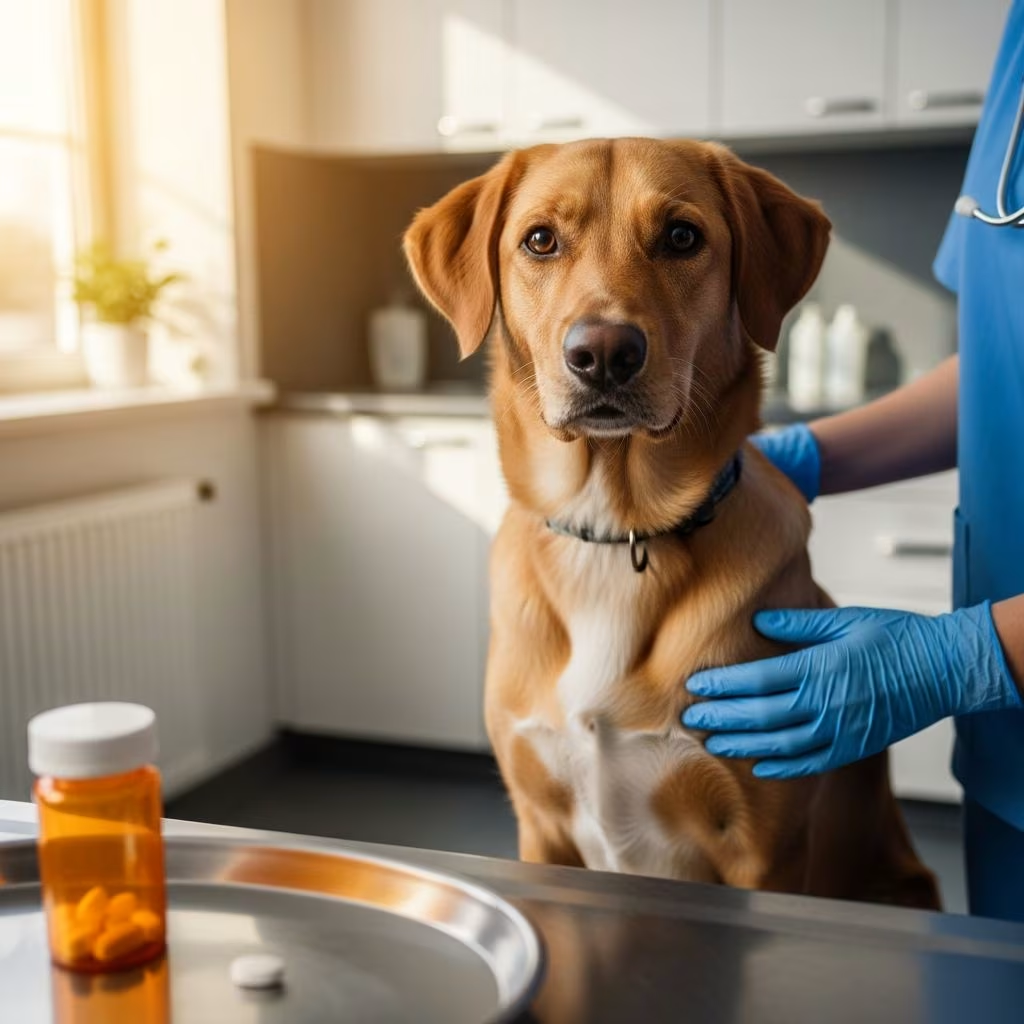
Methocarbamol serves as a central muscle relaxant commonly prescribed for dogs experiencing painful spasms or tremors from various causes. This medication targets the central nervous system to ease muscle hyperactivity without directly weakening normal muscle function, making it valuable for conditions like intervertebral disc disease and injuries.
Understanding How Methocarbamol Functions in Canines
The precise mechanism of methocarbamol remains partially understood, but it primarily acts within the spinal cord and brainstem to suppress abnormal nerve signals that trigger spasms. By dampening these overactive impulses, it reduces tremors and rigidity while preserving essential muscle tone needed for mobility. Unlike some relaxants, it avoids broad muscle depression, allowing dogs to retain coordination during treatment.
Additionally, methocarbamol exhibits mild sedative properties due to its central nervous system effects. This can promote rest, aiding recovery, though it’s not intended solely as a tranquilizer. Oral tablets provide steady relief, while injectable forms offer rapid action in emergencies.
Primary Applications of Methocarbamol in Veterinary Practice
Veterinarians recommend methocarbamol for a range of musculoskeletal and neurological issues in dogs. Key uses include:
- Intervertebral Disc Disease (IVDD): Helps manage spasms pre- or post-surgery, supporting conservative treatments.
- Spinal Injuries or Compression: Eases inflammation-related muscle locking in myelitis or trauma cases.
- Soft Tissue Trauma: Relieves strains, sprains, or post-operative spasms in muscles, ligaments, and tendons.
- Toxin-Induced Tremors: Counters rigidity from strychnine, metaldehyde, or fungal toxins via urgent IV dosing.
- Inflammatory Conditions: Assists with arthritis-associated spasms or general skeletal inflammation.
In chronic scenarios like osteoarthritis, it may form part of long-term multimodal therapy alongside pain relievers.
Dosing Guidelines Tailored for Dogs
Dosage varies by condition severity, administration route, and dog size. Always adhere to veterinary prescriptions, as adjustments depend on response and health status.
| Condition | Oral Dosage (mg/kg/day) | IV Dosage (mg/kg) | Frequency |
|---|---|---|---|
| Moderate Spasms/Injuries | 66–132 | 44 | Divided 2–3 times daily |
| IVDD Stiffness | 45–60 (15–20 x 3) | N/A | Three times daily |
| Tetanus/Strychnine Poisoning | N/A | 55–220 initial, then as needed | Up to 330/day total |
| Metaldehyde Poisoning | N/A | 50 initial, follow-up | As needed |
Effects from oral doses appear within 1–2 hours, with noticeable improvement in a day. IV administration yields results in minutes for acute cases. Tablets come in 500mg strengths, often compounded for smaller dogs.
Expected Timeline for Symptom Relief
For injury or surgical recovery, twice- or thrice-daily oral methocarbamol typically reduces spasms within hours, with peak benefits by day one. In poisoning scenarios, IV boluses quickly diminish tremors, often requiring repeated doses. Long-term use for degenerative issues involves periodic vet check-ups including bloodwork to monitor liver and kidney function.
Safety Profile and Potential Side Effects
The FDA approves methocarbamol for canine use, deeming it generally safe when dosed correctly. Common mild effects include:
- Drowsiness or lethargy
- Loss of balance or ataxia
- Reduced appetite
- Mild salivation
Severe reactions are rare but possible, such as allergic hypersensitivity (hives, swelling) or overdose signs like profound sedation, vomiting, or nystagmus. Toxicity arises from excessive dosing, leading to CNS depression; seek emergency care if suspected.
Use caution in pregnant, lactating, or working dogs (e.g., service animals), as sedation impairs duties. No major interactions occur with NSAIDs like carprofen, gabapentin, or steroids, enhancing combination therapy options.
Precautions and Contraindications for Pet Owners
Avoid methocarbamol in dogs with known allergies to it or severe kidney/liver impairment. Puppies under 6 weeks require extra monitoring due to immature metabolism. Store tablets at room temperature, away from children and pets.
Never administer human formulations without vet approval, as concentrations differ. For obese dogs, base doses on ideal body weight to prevent overdose.
Integrating Methocarbamol into Broader Treatment Plans
Methocarbamol shines as an adjunct, paired with:
- NSAIDs or analgesics for pain.
- Strict rest protocols for IVDD.
- Physical therapy or acupuncture for chronic pain.
- Detox support in poisoning cases.
Regular re-evaluations ensure efficacy and adjust for progress.
Frequently Asked Questions (FAQs)
Can methocarbamol be given with food?
Yes, administering with meals reduces stomach upset and improves absorption.
Is methocarbamol addictive for dogs?
No, it lacks abuse potential and is safe for short- or monitored long-term use.
What if my dog misses a dose?
Give it as soon as remembered unless near the next; skip doubles to avoid excess sedation.
How long can dogs safely take methocarbamol?
Acute use: days to weeks. Chronic: months with vet oversight and lab monitoring.
Does methocarbamol help with anxiety in dogs?
Its sedation may calm mildly, but dedicated anti-anxiety meds are preferable.
Monitoring Your Dog During Treatment
Observe for improved mobility, reduced pain vocalization, and stable appetite. Report worsening spasms, jaundice, or extreme lethargy immediately. Blood tests every 3–6 months for extended therapy track organ health.
Alternatives to Methocarbamol for Muscle Issues
Options include diazepam for sedation-heavy needs or baclofen for spasticity, though methocarbamol’s profile is favored for minimal weakness. Holistic aids like acupuncture complement pharmaceuticals.
Real-World Case Insights
Dogs with IVDD often regain comfort within 48 hours when combining methocarbamol with crate rest and NSAIDs. Poisoning victims stabilize rapidly post-IV, highlighting its emergency role.
References
- Methocarbamol For Dogs (Robaxin®): What It Is & How It’s Used — Dr. Julie Buzby, ToeGrips. 2023. https://toegrips.com/methocarbamol-for-dogs/
- Methocarbamol for dogs: Dosage and safety — SingleCare. 2024. https://www.singlecare.com/blog/methocarbamol-for-dogs/
- Methocarbamol 500mg Tablet — Medi-Vet. 2024. https://www.medi-vet.com/Methocarbamol-500mg-Tablet-p/10969.htm
- Skeletal Muscle Relaxants for Animals — Merck Veterinary Manual. 2023-11-01. https://www.merckvetmanual.com/pharmacology/systemic-pharmacotherapeutics-of-the-muscular-system/skeletal-muscle-relaxants-for-animals
- Methocarbamol Toxicity in Dogs: Identifying Danger — GSVS. 2024. https://gsvs.org/blog/methocarbamol-toxicity-dogs-emergency/
- Methocarbamol (Robaxin®) — PetMD. 2024. https://www.petmd.com/pet-medication/methocarbamol-robaxin



