

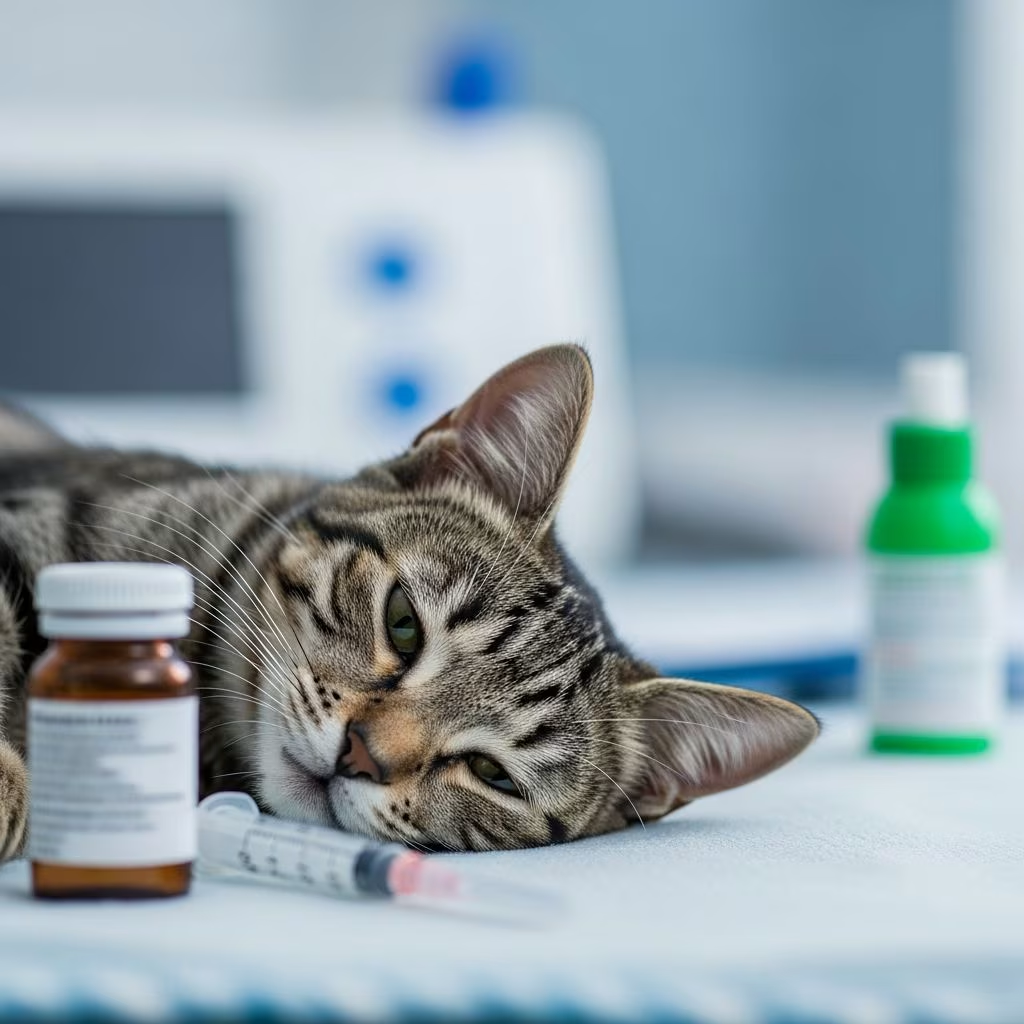
Insecticide poisoning poses a severe threat to cats due to their sensitivity to chemicals like organophosphates and carbamates. Methocarbamol, a muscle relaxant, plays a key role in controlling tremors and seizures during treatment.
Why Cats Face High Risks from Insecticides
Cats encounter insecticides in household sprays, flea treatments, and garden products. Organophosphates and carbamates inhibit cholinesterase, causing acetylcholine buildup that triggers overstimulation of nerves and muscles. This leads to rapid onset of symptoms, making swift intervention essential.
- Household Sources: Flea shampoos, lawn treatments, and bug bombs often contain these toxins.
- Grooming Habits: Cats ingest residues while cleaning fur after skin contact.
- Sensitivity Factor: Felines metabolize these chemicals poorly, amplifying toxicity.
According to veterinary sources, such exposures rank among top poisoning causes annually.
Recognizing Early Warning Signs
Symptoms appear within minutes to hours post-exposure. Early detection improves survival odds.
| Symptom Category | Common Signs | Severity Indicator |
|---|---|---|
| Gastrointestinal | Vomiting, diarrhea, anorexia | Mild to moderate |
| Neurological | Tremors, seizures, incoordination | Severe |
| Respiratory | Difficulty breathing, rapid rate | Critical |
| Other | Drooling, constricted pupils, temperature changes | Variable |
Cats may show hypersalivation, miosis, bradycardia, or hyperactivity before collapse. Respiratory failure or unrelenting seizures signal life-threatening stages.
Immediate Actions for Suspected Exposure
Do not delay veterinary care. While heading to the clinic:
- Skin Contact: Bathe with mild dish soap and lukewarm water to remove residue.
- Oral Ingestion: Avoid inducing vomiting unless vet instructs, as some toxins worsen with regurgitation.
- Keep Calm: Minimize stimulation to prevent seizure triggers.
- Collect Evidence: Note product name, time of exposure.
Contact ASPCA Animal Poison Control or a vet hotline immediately.
Role of Methocarbamol in Treatment
Methocarbamol acts as a central muscle relaxant, reducing tremors and rigidity without heavy sedation. It depresses nerve pathways in the spinal cord and brainstem, easing hyperactivity from toxin-induced overstimulation. Administered intravenously or orally, it provides rapid relief in hospitalized cats.
- Dosage: Typically 20-50 mg/kg IV every 6-8 hours, adjusted by vet.
- Benefits: Controls muscle fasciculations, prevents exhaustion from spasms.
- Combination Use: Pairs with atropine for organophosphates or pralidoxime (2-PAM) to regenerate cholinesterase.
For carbamate cases, methocarbamol supports while the toxin spontaneously reverses. Unlike diazepam, it targets skeletal muscle specifically.
Comprehensive Veterinary Interventions
Treatment prioritizes stabilization then decontamination.
- Stabilization: IV fluids for hydration, oxygen for breathing issues, anti-emetics for nausea.
- Decontamination: Activated charcoal binds oral toxins; gastric lavage if recent ingestion.
- Specific Antidotes: Atropine counters parasympathetic signs; 2-PAM for organophosphates if given early before “aging.”
- Symptom Control: Methocarbamol or acepromazine for tremors; anticonvulsants like phenobarbital for seizures.
- Monitoring: Cholinesterase levels, ECG, bloodwork track progress.
For amitraz (tick collars), yohimbine or atipamezole reverses sedation.
Prognosis Factors and Recovery Timeline
Outcomes hinge on exposure amount, response speed, and toxin type. Mild cases resolve in 24-48 hours; severe ones require 3-7 days hospitalization.
- Good Prognosis: Early treatment, low dose, carbamates (self-limiting).
- Poor Prognosis: Delayed care, high organophosphate concentration, respiratory arrest.
- Long-Term: Rare neuropathy or organ damage; most recover fully.
Monitor for relapse up to 72 hours post-discharge.
Prevention Strategies for Cat Owners
Proactive steps safeguard felines.
- Product Selection: Use cat-safe flea controls; avoid dog/perimeter sprays.
- Storage: Lock chemicals away; never apply near cats.
- Environment: Ventilate during treatments; restrict access to treated areas 24-48 hours.
- Alternatives: Natural repellents or professional pest control with pet precautions.
- Routine Checks: Inspect for residues on paws/fur.
ASPCA data underscores pesticides as top toxins; vigilance prevents most cases.
Common Insecticide Types and Specifics
| Type | Examples | Key Features | Treatment Notes |
|---|---|---|---|
| Organophosphates | Malathion, Chlorpyrifos | “Age” irreversibly; cholinesterase inhibition | 2-PAM urgent; atropine + methocarbamol |
| Carbamates | Carbaryl, Propoxur | Reversible; similar symptoms | Supportive; atropine if needed |
| Pyrethrins/Pyrethroids | Permethrin (dog products) | Hypersensitivity in cats; tremors | Bathing, methocarbamol, IV lipids |
| Amitraz | Tick collars | Sedation dominant | Yohimbine/atipamezole |
Pyrethroids in dog flea products are notoriously cat-toxic due to grooming ingestion.
FAQs on Insecticide Poisoning in Cats
Can cats recover fully from insecticide poisoning?
Yes, with prompt treatment, most cats recover completely, though severe cases carry risks.
Is methocarbamol safe for all poisoned cats?
Vets tailor it to symptoms; not for respiratory depression cases.
How do I know if it’s insecticide poisoning?
History plus symptoms like drooling/tremors; blood tests confirm low cholinesterase.
What if I can’t reach a vet immediately?
Bathe skin exposures; call poison control for guidance en route.
Are natural insecticides safe for cats?
Not always; essential oils like tea tree can be toxic. Vet-approved only.
Advanced Monitoring and Follow-Up Care
Post-treatment, watch for anorexia, weakness, or behavioral changes. Bloodwork rechecks liver/kidney function. Nutritional support aids recovery; soft foods prevent dehydration. Gradually reintroduce environment with barriers to chemicals.
Expert Insights on Emerging Treatments
Recent protocols explore IV lipid emulsions for lipid-soluble toxins like pyrethroids, trapping them in bloodstream for elimination. Ongoing research refines antidote timing.
References
- Insecticide Poisoning in Cats: Symptoms, Diagnosis & Treatment — cats.com. 2023. https://cats.com/insecticide-poisoning-in-cats
- Insecticide Toxicity in Cats: Can It Be Fatal? — PetCareRx. 2023. https://www.petcarerx.com/article/insecticide-toxicity-in-cats-can-it-be-fatal/6929
- Pesticide Poisoning in Cats: 7 Critical Warning Signs & Treatments — thepetvet.com. 2023. https://thepetvet.com/pesticide-poisoning-in-cats/
- Insecticide Toxicity in Cats — PetMD. 2023. https://www.petmd.com/cat/conditions/neurological/c_ct_organophosphate_carbamate_toxicity
- Insecticide Poisoning — Merck Veterinary Manual. 2023. https://www.merckvetmanual.com/special-pet-topics/poisoning/insecticide-poisoning
- Poisons — Cornell University College of Veterinary Medicine. 2023. https://www.vet.cornell.edu/departments-centers-and-institutes/cornell-feline-health-center/health-information/feline-health-topics/poisons



