

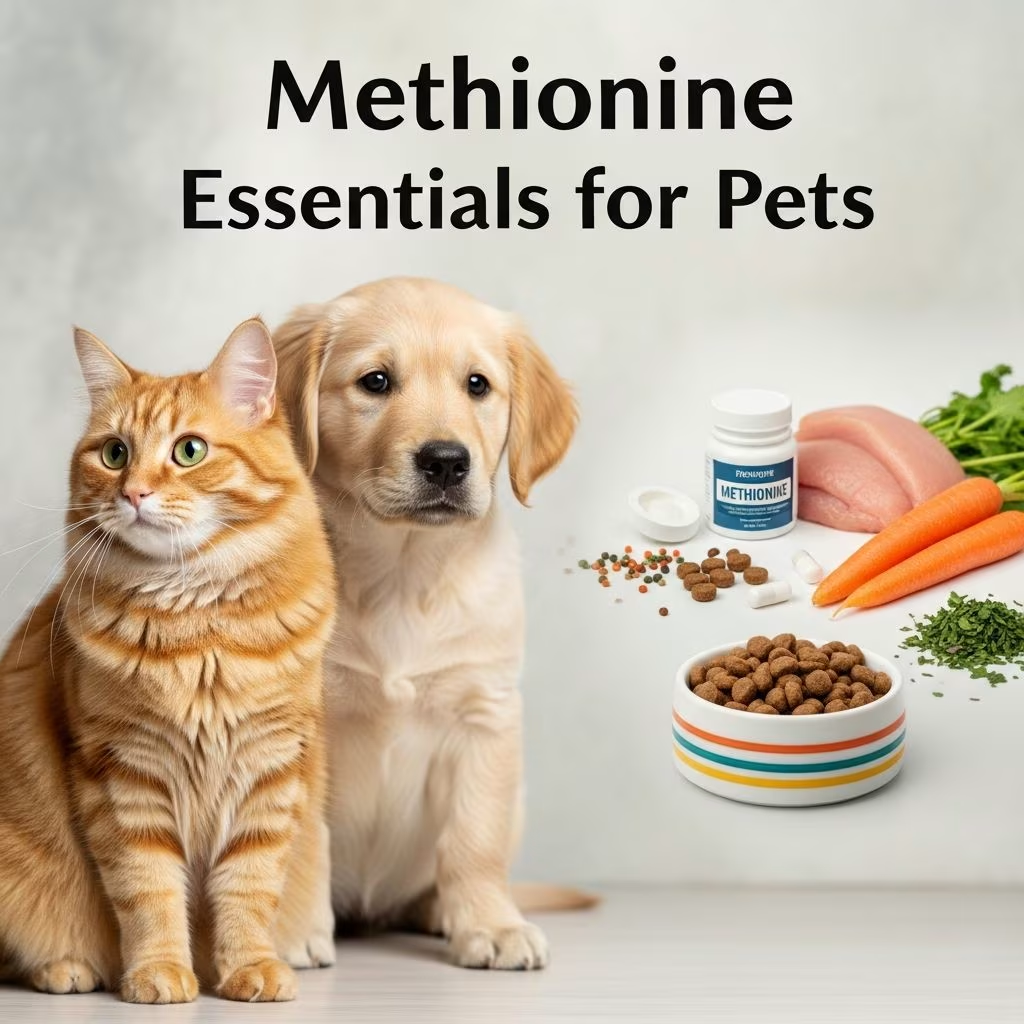
Methionine stands as a cornerstone essential amino acid in the diets of dogs and cats, influencing multiple facets of their physiological well-being. This sulfur-containing nutrient cannot be synthesized by pets internally, necessitating dietary provision to sustain vital processes like protein construction, detoxification, and pH regulation.
The Biological Foundations of Methionine in Pets
In pet physiology, methionine participates in protein synthesis, serving as a building block for tissues, enzymes, and hormones. It also fuels the creation of other compounds, including cysteine, taurine, and carnitine, which are indispensable for metabolic efficiency. Dogs leverage methionine to produce taurine, crucial for cardiac and ocular integrity, while cats depend on it to avert hepatic lipidosis, a prevalent lipid accumulation disorder in the liver.
Furthermore, methionine enhances mineral absorption, notably selenium and zinc, bolstering antioxidant defenses and immune responses. Its dual forms—L-methionine (naturally occurring) and DL-methionine (synthetic blend)—offer bioavailability suited to supplementation needs.
Key Health Advantages for Canines and Felines
Methionine delivers targeted benefits across urinary, hepatic, dermatological, and systemic domains, making it a multifaceted nutritional ally.
Optimizing Urinary Tract Function
One of methionine’s premier roles involves urine acidification, pivotal for thwarting struvite crystal and stone formation in the bladder. By lowering urinary pH, it dissolves magnesium ammonium phosphate crystals and curtails bacterial proliferation linked to infections. This is especially beneficial for pets susceptible to feline lower urinary tract disease (FLUTD) or recurrent cystitis, reducing blockage risks and discomfort.
Veterinarians often prescribe DL-methionine for these conditions, as it effectively modulates pH without systemic overload when dosed appropriately.
Fortifying Liver Performance
Methionine acts as a precursor to S-adenosylmethionine (SAMe), which orchestrates glutathione production—a master antioxidant shielding hepatocytes from toxins and oxidative insults. In cats, it prevents fatty liver syndrome by facilitating lipid metabolism, while in dogs, it aids recovery from toxin exposure or chronic hepatic stress.
This detoxification capacity extends to metabolizing pharmaceuticals and environmental pollutants, preserving liver architecture and function over time.
Enhancing Dermatological Vitality
Through keratin synthesis—a fibrous protein integral to fur, skin, and claws—methionine promotes lustrous coats, diminished shedding, and resilient barriers against irritants. Pets exhibiting dull fur or excessive molt often respond positively to supplementation, reflecting improved epidermal integrity.
Combating Oxidative Damage
Methionine’s antioxidant prowess neutralizes free radicals, mitigating cellular wear that precipitates aging, inflammation, and degenerative diseases. By elevating glutathione levels, it fortifies resilience against chronic stressors, supporting longevity and vitality.
Dosage Guidelines and Administration Protocols
Appropriate dosing hinges on species, weight, and therapeutic intent, always under veterinary oversight to avert excesses.
| Pet Type | Condition | Typical Dosage (DL-Methionine) | Frequency |
|---|---|---|---|
| Dogs | Urinary Acidification | 100-200 mg per 10 lbs body weight | 2-3 times daily with food |
| Cats | Urinary/Struvite Prevention | 200 mg per 10 lbs body weight | 3-4 times daily with food |
| Both | Liver Support | Vet-determined, often 500-1000 mg total daily | Divided doses |
Administer with meals to minimize gastrointestinal upset. Monitoring urine pH via test strips ensures efficacy, targeting 6.0-6.5 for stone dissolution.
Potential Risks and Contraindications
While beneficial, methionine demands cautious use. Cats face heightened Heinz body anemia risk from over-supplementation, manifesting as hemoglobin oxidation and hemolytic crises. Acidification may exacerbate oxalate stones, necessitating differential diagnosis via imaging or urinalysis.
Pre-existing renal compromise or metabolic acidosis warrants avoidance. Interactions with alkalinizing agents or certain antibiotics necessitate professional adjustment.
Integration into Modern Pet Diets
Commercial foods often fortify with DL-methionine, particularly vegan or plant-based formulations reliant on corn and soy for natural sources. Brands like Benevo and Ami balance profiles to meet AAFCO standards, ensuring adequacy without excess.
For prescription diets targeting urolithiasis, methionine complements controlled mineral levels. Home-prepared meals benefit from veterinary nutritionist input to achieve precise ratios.
Low-Methionine Approaches: When Less is More
Conversely, restricted methionine shows promise in oncology and metabolic syndromes. Cancer cells exhibit methionine dependency; dietary curbs may impede proliferation, augmenting chemotherapy efficacy in murine models. Enhanced insulin sensitivity and curbed inflammation follow, aiding obese or diabetic pets.
Cats, as obligate carnivores, tolerate reductions poorly—demanding meticulous formulation to preserve taurine and protein quality.
Diagnostic and Monitoring Strategies
Before supplementation, baseline assessments include urinalysis, bloodwork (liver enzymes, CBC), and imaging. Periodic rechecks track pH, crystal absence, and hematologic stability, guiding long-term management.
FAQs
Is methionine safe for all pets?
Generally yes under vet guidance, but cats require caution due to anemia risks, and it’s unsuitable for oxalate stone formers.
How quickly does methionine acidify urine?
Effects emerge within days; full stone dissolution may span weeks with consistent dosing.
Can methionine replace prescription urinary diets?
No; it complements but doesn’t substitute comprehensive nutritional therapies.
What foods naturally provide methionine?
Fish, eggs, meat, soy, and corn; supplements bridge gaps in restrictive diets.
Should I use L- or DL-methionine?
DL-form is standard for acidification due to superior absorption; consult your vet.
Practical Tips for Pet Owners
- Increase water intake via fountains to amplify urinary flushing.
- Pair with cranberry extracts for additive antimicrobial effects.
- Monitor for vomiting or lethargy signaling overdose.
- Store supplements in cool, dry places to preserve potency.
- Transition gradually to avoid digestive intolerance.
References
- The Benefits of DL-Methionine for Cats — Evanger’s Dog Food. 2023. https://evangersdogfood.com/the-benefits-of-dl-methionine-for-cats/
- Methionine and Vegan Pet Foods — Vecado. 2024. https://vecado.ca/blogs/vegan-pet-food/methionine-an-essential-amino-acid
- Methionine (DL-Methionine / L-Methionine) — ThorneVet. 2025. https://thornevet.com/glossary/methionine-dl-methionine-l-methionine/
- Methionine for Dogs and Cats — PetPlace. 2024-01-15. https://www.petplace.com/article/drug-library/drug-library/library/methionine-for-dogs-and-cats
- DL-Methionine for Dogs and Cats – Urine Acidifier — VetRxDirect. 2025. https://www.vetrxdirect.com/product/view/dl-methionine-for-dogs-and-cats-otc
- DL-Methionine for Dogs and Cats — PetMD. 2024-06-10. https://www.petmd.com/pet-medication/dl-methionine-dogs-and-cats
- What Is Low Methionine Diet for Pets? — Dr. Ruth Roberts. 2023-11-20. https://drruthroberts.com/blogs/pet-blog/low-methionine-diet-for-pets



